
By Dakota Carino, Artificial Grasscapes
Preparing an artificial turf base is crucial, especially in areas like Colorado’s Front Range, where ground freeze poses significant challenges. As temperatures drop, the risk of freeze-thaw cycles can wreak havoc on improperly installed turf systems. This article discusses essential strategies in base compaction and drainage engineering to ensure the longevity and performance of artificial grass before winter conditions set in. We will explore effective preparation techniques, drainage solutions, and methods to mitigate issues related to frost heave, a common enemy of turf installations in cold climates.
Preparation of Artificial Turf Bases
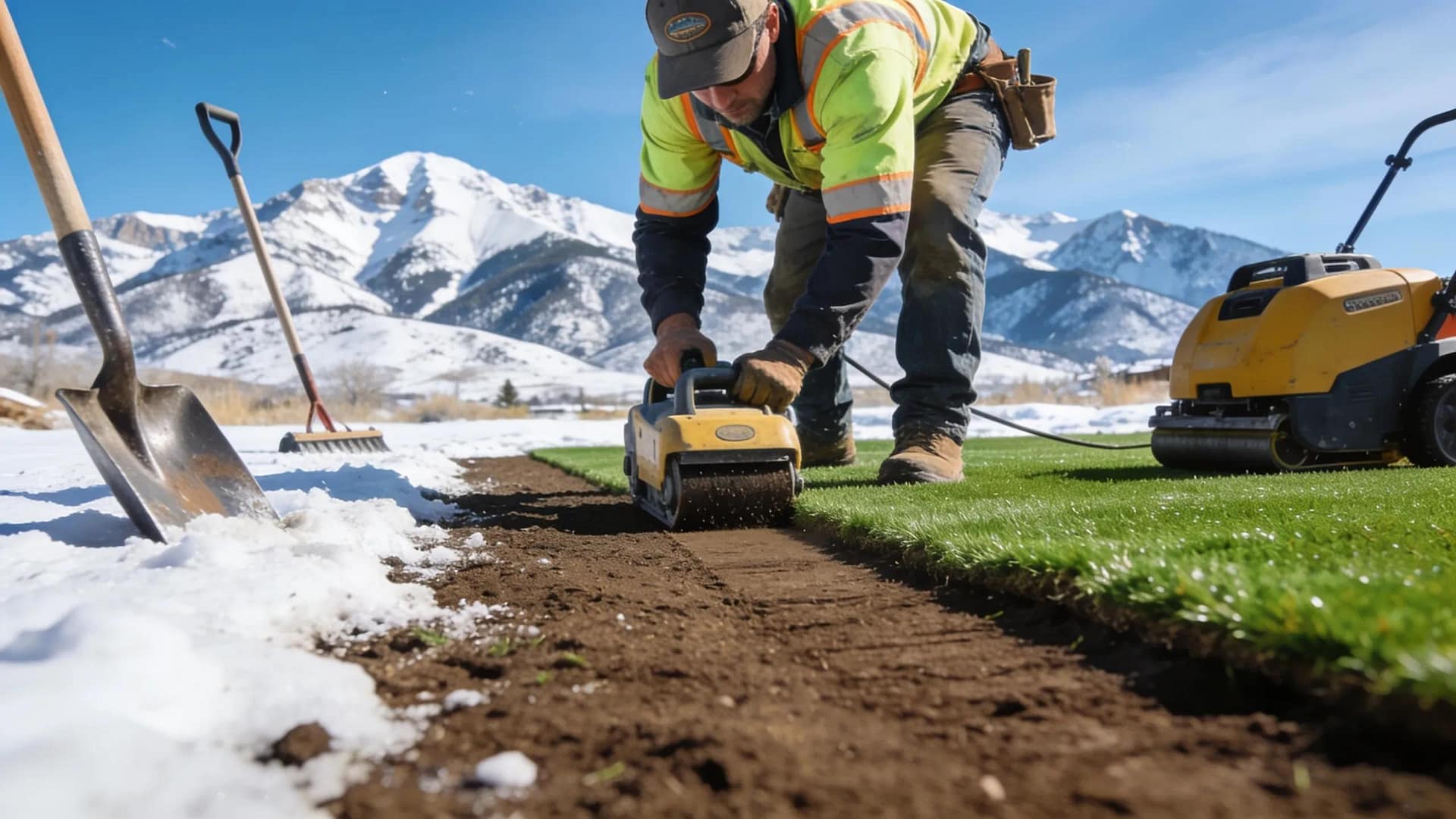
The preparation of artificial turf bases involves a series of methodical steps that lay the groundwork for a successful installation. Initially, a thorough site preparation is essential, which includes clearing debris and leveling the ground to create a solid foundation. Proper base layer installation is crucial as well; it typically involves using engineered base layers designed to provide excellent stability and drainage. Soil stabilization techniques, such as compaction, are then applied to ensure that the base can withstand freeze conditions, ultimately enhancing the turf’s performance and durability.
Effective Drainage Solutions
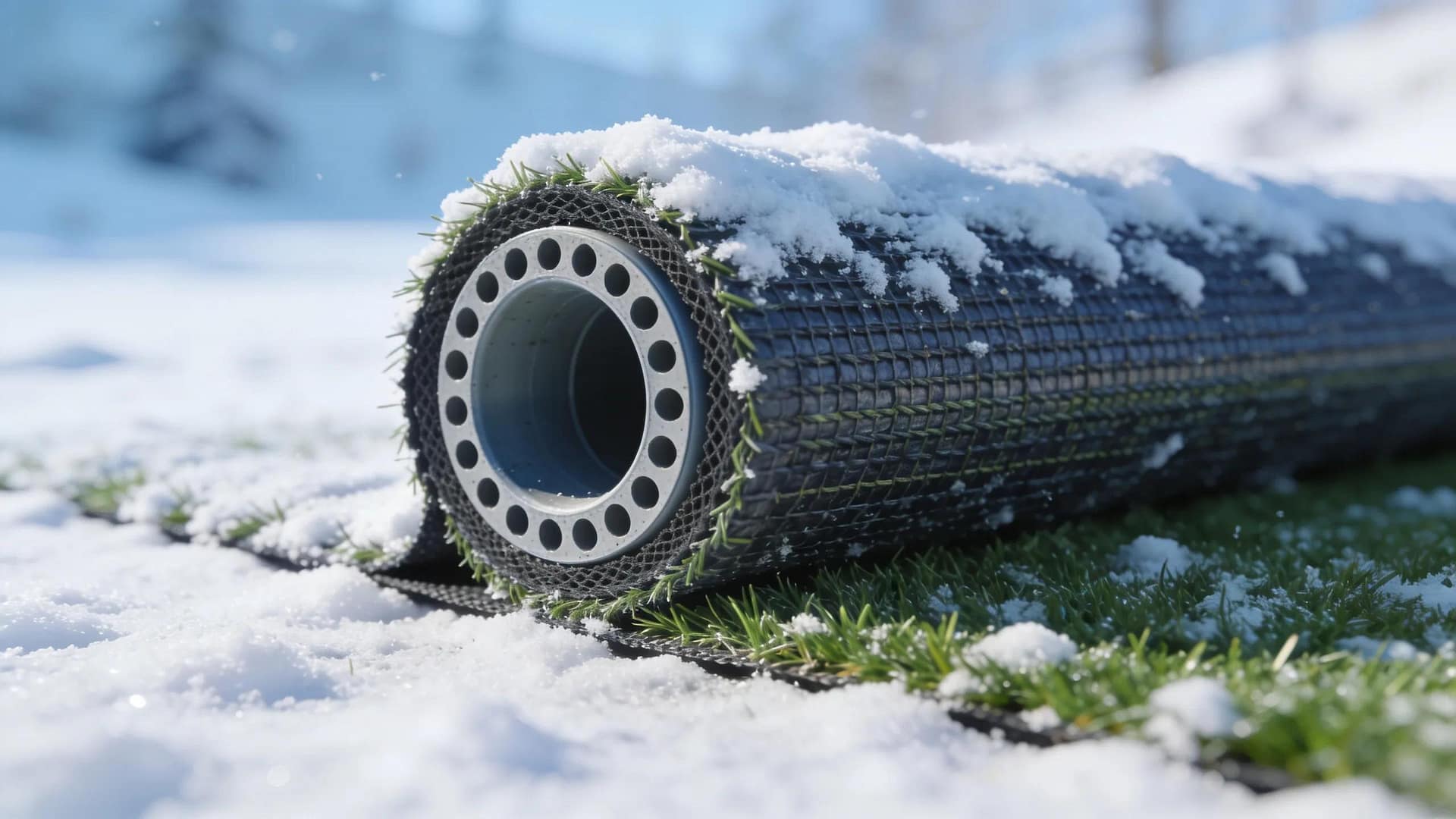
Effective drainage solutions are fundamental in preventing water accumulation, which can lead to a range of problems during winter months. Implementing geotextiles in the base layer can significantly improve water management, allowing excess moisture to drain away efficiently. Additionally, integrated drainage systems facilitate the rapid movement of water, reducing the risk of freeze-thaw cycles that can damage the turf structure. Utilizing air drain technology further enhances these systems, ensuring that water is effectively channeled away from the surface, protecting the integrity of the artificial turf.
Properly engineered drainage solutions not only help maintain the vitality of artificial turf systems but are also essential for their long-term viability in adverse weather conditions.
Mitigating Frost Heave
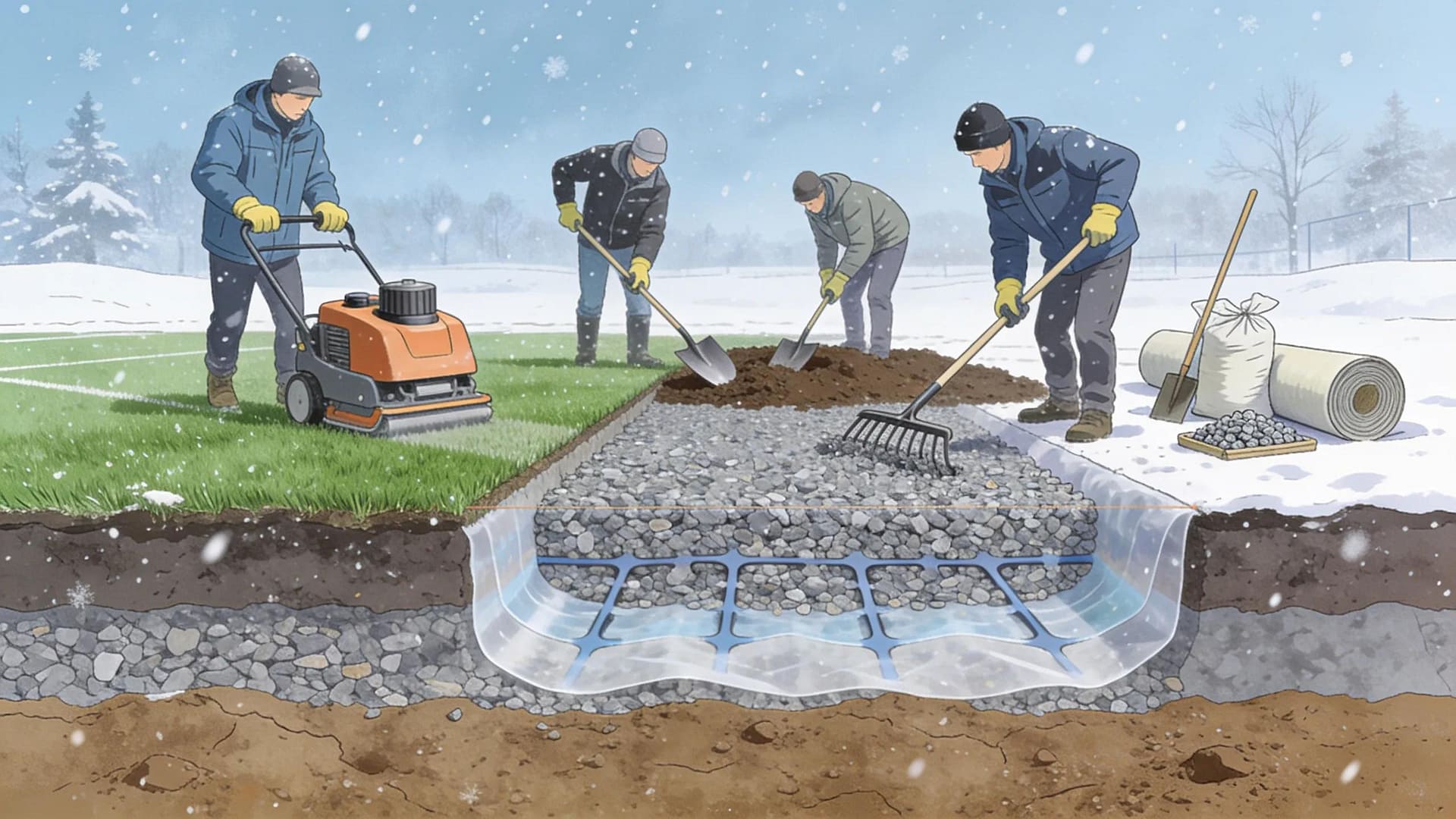
Frost heave occurs when moisture in the soil freezes and expands, potentially lifting the turf and damaging its base. Mitigating this phenomenon is vital for maintaining turf quality. One effective strategy is the installation of capillary breaks in the base layer, which disrupt the moisture movement that contributes to heave. Regular maintenance involves inspection of the turf and base to address any emerging issues promptly. Additionally, strategies such as improving drainage and optimizing compaction methods can significantly lower the risk of frost heave.
How Does the Freeze Thaw Cycle Affect Artificial Turf Bases in the Front Range?
The freeze-thaw cycle can have detrimental effects on artificial turf bases, particularly in the unpredictable climate of the Front Range. When water trapped in the soil freezes, it expands, putting pressure on the turf base. Over time, this can lead to cracking, shifting, and even complete failure of the turf installation. Therefore, understanding this cycle is essential for ensuring turf stability. The use of high-quality materials certified for cold weather durability can provide an additional layer of protection against these stresses, prolonging the turf’s lifespan.
What Are the Key Effects of Freeze Thaw on Turf Base Stability?
Key effects of freeze-thaw cycles on turf base stability include soil movement and frost heave, which can compromise the structural integrity of the installation. The continual expansion and contraction forces can create voids beneath the turf, leading to uneven surfaces and ultimately degrading the overall performance of the artificial grass. Recognizing the importance of proper base preparation thereby becomes critical; utilizing high-density materials and appropriate compaction techniques can help mitigate these issues and ensure stability.
Why Is Understanding Front Range Ground Freeze Critical for Turf Longevity?
Understanding the dynamics of ground freeze in the Front Range is vital for maintaining artificial turf systems. The unique geological and climatic factors of this region necessitate tailored approaches to base preparation and installation techniques. With proper knowledge of local freeze patterns and behaviors, turf professionals can implement best practices that significantly enhance the longevity and performance of artificial turf. Seasonal maintenance strategies that account for these freeze occurrences can further safeguard investments in landscaping.
What Are Best Practices for Soil Compaction Techniques in Winter Turf Installation?
Implementing best practices for soil compaction during winter turf installation is essential for long-lasting results. Techniques such as using vibratory rollers or plate compactors can ensure that the soil is adequately compacted, minimizing space for freeze-induced movement. Selecting engineered base materials specifically designed for cold weather application promotes stability and resistance to frost heave. Furthermore, following proper layering techniques ensures that the compaction is effective throughout the entire depth of the installation.
How Does Base Compaction Enhance Artificial Turf Performance in Cold Climates?
Base compaction enhances the performance of artificial turf in cold climates by providing a stable and uniform surface. Well-compacted bases reduce the likelihood of water pooling and freezing, consequently lowering the risk of frost heave. Ensuring that compaction reaches optimal density helps maintain the turf’s structural integrity, allowing for better drainage and stability. This attention to base preparation is particularly important for outdoor environments experiencing extreme temperature variations.
Which Drainage Systems Are Most Effective for Artificial Grass in Cold Front Range Conditions?
Selecting the right drainage system is essential for maintaining artificial grass in cold conditions. Engineered base layers specifically designed to cope with the unique challenges posed by the Front Range are critical. Utilizing geotextiles allows for efficient water dispersion, while effective drainage solutions can greatly improve the lifespan and performance of the turf. Systems that incorporate numerous drainage outlets will enable quicker moisture release, thus protecting the installed turf from freeze-related damage.
What Materials and Layouts Optimize Drainage Under Artificial Turf?
Optimizing drainage under artificial turf requires selecting high-quality materials and implementing effective layout strategies. Base layer materials such as compacted gravel or sand, combined with drainage elements like perforated pipes, can significantly enhance water management. Strategic layouts that promote gravitational flow away from the surface will minimize the risk of water accumulating beneath the turf, ultimately shielding it from freeze damage. Implementing these high-standard materials and methods paves the way for robust and reliable turf installations.
How Can Pet-Friendly and Low-Maintenance Turf Bases Be Engineered for Freeze Durability?
When engineering pet-friendly and low-maintenance turf bases, considerations for freeze durability become paramount. Utilizing synthetic grass that is specifically designed to withstand cold temperatures can protect against the adverse effects of freeze-thaw cycles. Material choices such as durable infill options can endure the demanding conditions faced during winter months. Furthermore, ensuring that the design accommodates drainage and airflow can help mitigate potential freeze-related issues, making outdoor spaces both functional and enjoyable.
What Installation Adjustments Support Pet Safety and Base Longevity?
To support pet safety and base longevity, installation adjustments should focus on selecting non-toxic materials and ensuring proper drainage. Using soft yet durable grass fibers can accommodate pets while maintaining structural integrity. Additionally, incorporating elevated drainage solutions helps prevent water buildup and freezing beneath the surface, which is crucial in maintaining the turf’s both aesthetic appearance and functional use over time. Engaging professionals familiar with local climate conditions ensures that these factors are effectively addressed.
Why Requesting a Free Consultation Can Ensure Optimal Turf Base Preparation?
Requesting a free consultation can reveal critical insights needed for optimal turf base preparation. Specialists can assess specific site conditions, climate considerations, and unique landscape challenges, providing tailored recommendations for installation. This expert assessment ensures that the right materials and techniques are employed, potentially preventing costly mistakes during installation. Utilizing local knowledge can lead to customized solutions that enhance the longevity of your turf, making consultations with industry experts a wise investment for any artificial grass project.


