The Long-Term Value of Artificial Turf for Commercial Real Estate: Maximizing ROI and Landscape Efficiency
By Dakota Carino, Artificial Grasscapes
Investing in artificial turf for commercial real estate can significantly enhance property value, reduce maintenance costs, and improve overall aesthetics. As businesses look for ways to maximize their return on investment (ROI), the advantages of artificial turf become increasingly clear. This article will explore how this innovative landscaping solution impacts commercial property ROI, the financial benefits of reducing maintenance costs, and the enhancement of property appeal and tenant retention. Additionally, we will examine the key features and durability factors of artificial turf, the installation and maintenance considerations, and its role in promoting environmental sustainability in Colorado. With insights tailored for real estate professionals, this guide will outline the long-term advantages of integrating artificial turf into commercial properties.
How Does Artificial Turf Improve Commercial Property ROI?
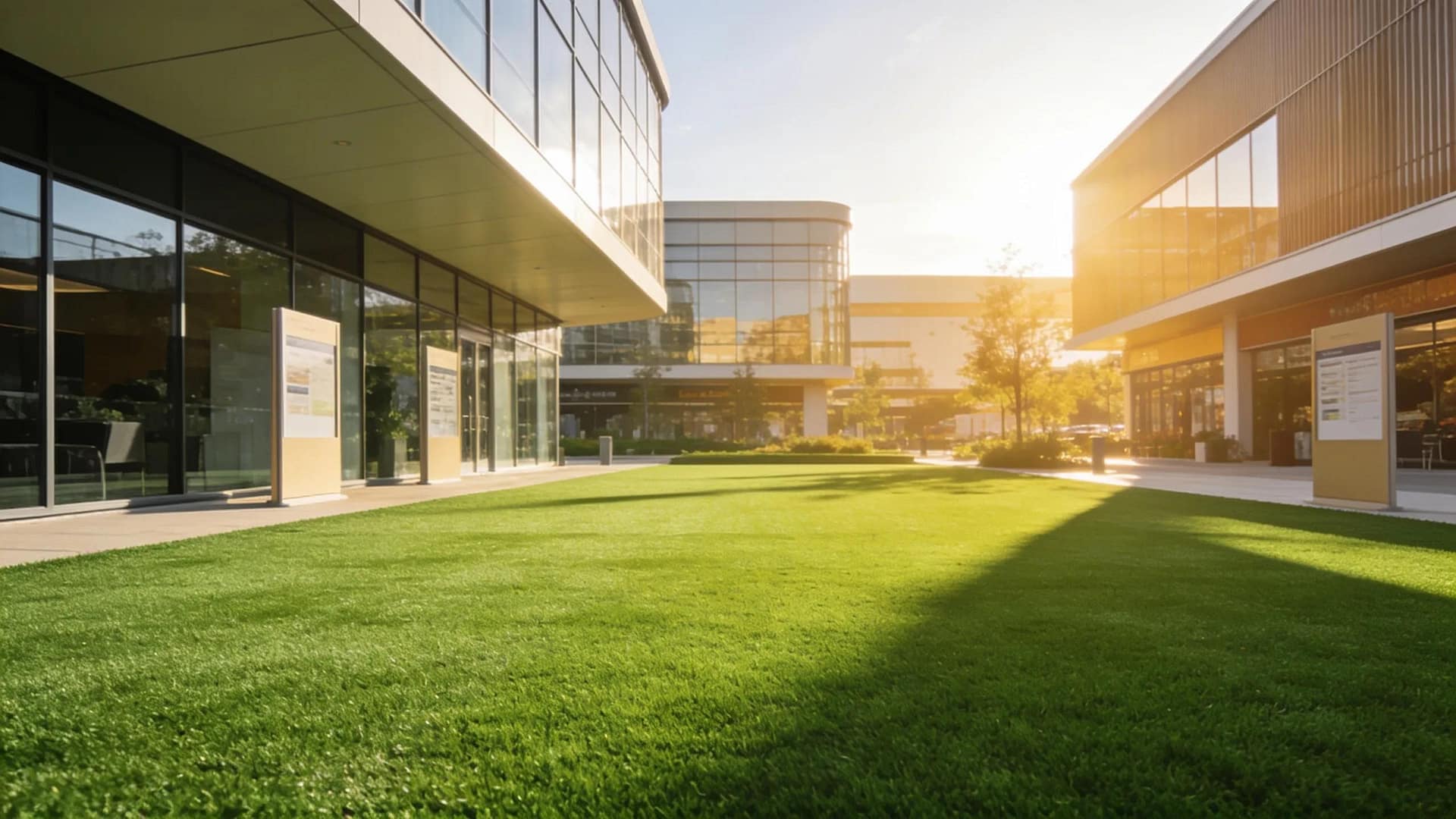
Artificial turf improves commercial property ROI by significantly reducing maintenance costs while enhancing the overarching appeal of the landscape. With properties requiring less frequent upkeep compared to natural grass, businesses can allocate resources more effectively and reduce expenditures on landscaping services. In addition to lower maintenance expenses, the visual appeal of well-maintained turf can attract more clients and increase property rentals, thereby amplifying potential income streams. Furthermore, properties featuring artificial turf often have a longer lease duration as tenants tend to favor spaces that align with their aesthetic and functional needs.
What Are the Financial Benefits of Reducing Landscape Maintenance Costs?
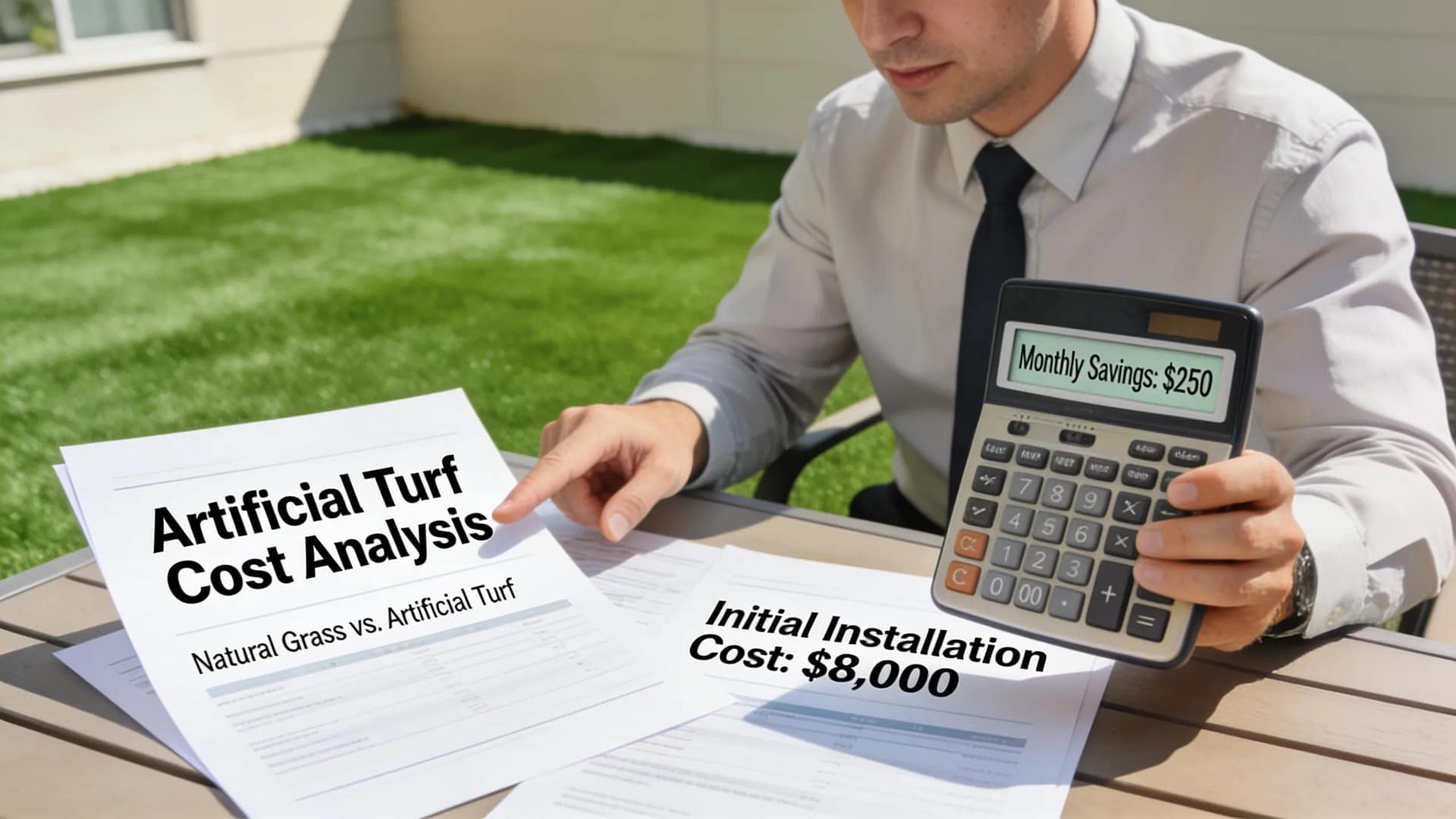
Switching from natural grass to artificial turf presents substantial financial benefits. Property owners save on regular mowing, watering, and fertilization, all of which contribute to eco-friendly operating expenses. This cost-saving aspect addresses the pressing need to optimize budgets while still achieving excellent landscape quality. Research indicates that maintaining natural grass can be two to four times more expensive over time compared to artificial solutions. Therefore, considering the operational cost-effectiveness becomes essential for investors looking for long-term savings.
How Does Artificial Turf Enhance Property Appeal and Tenant Retention?
Artificial turf enhances property appeal by providing a lush, green landscape year-round, regardless of weather conditions. This type of landscaping supports visual aesthetics that are often crucial for retaining tenants in commercial real estate spaces. As environmental concerns grow, tenants are increasingly drawn to properties that offer sustainable, low-maintenance solutions like artificial turf. The minimized maintenance efforts allow property owners to focus on tenant relationships and other operational aspects rather than landscape upkeep. Additionally, with the increasing popularity of outdoor spaces, artificial turf provides child and pet-friendly solutions, meeting a wider range of tenant needs.
What Are the Key Features and Durability Factors of Artificial Turf for Businesses?
Artificial turf offers several key features crucial for businesses: durability, low maintenance needs, and environmental sustainability. As a significant investment, understanding the longevity and durability of turf materials helps businesses maximize their returns. Modern synthetic turfs have advanced significantly, featuring wear-resistant fibers that can withstand heavy foot traffic and harsh weather conditions, making them suitable for commercial applications. Moreover, selecting the right materials and understanding warranty terms can ensure that businesses make informed choices, ensuring longevity and reduced replacement costs.
Which Turf Materials and Warranty Terms Support Long-Term Use?
When selecting artificial turf, it is crucial to consider the types of materials used. High-quality turf is often manufactured from polyethylene or polypropylene, which are both durable and UV stabilized to prevent fading. Warranties vary, but reputable manufacturers typically offer warranties ranging from 8 to 15 years, contingent upon proper installation and maintenance. These warranty terms are essential indicators of quality, providing businesses with confidence in their investment’s longevity.
How Does Turf Durability Contribute to Cost-Efficient Commercial Landscaping Solutions?
The durability of artificial turf plays a crucial role in making it a cost-efficient landscaping solution. The advances in manufacturing have allowed for the development of fabrics that resist wear and tear, ensuring that the initial investment pays off over time. Cost savings accrue as turf remains usable much longer than natural grass. Regular maintenance activities, such as mowing, fertilization, and pest control, are significantly reduced, contributing to overall financial efficiency. As a result, many businesses find that despite the upfront costs, artificial turf proves to be an economically sound decision.
What Are the Installation and Maintenance Considerations for Commercial Artificial Turf?
Understanding the installation and maintenance considerations for artificial turf is vital for maximizing its potential benefits. Proper installation ensures not only aesthetic appeal but also extends the life span of the turf. While initial installation costs can be higher than traditional landscaping, the long-term savings in maintenance costs compensate for the initial outlay. Additionally, using professional installation services guarantees that the turf is laid correctly, providing optimal drainage and resilience.
What Does the Step-by-Step Installation Process Involve?
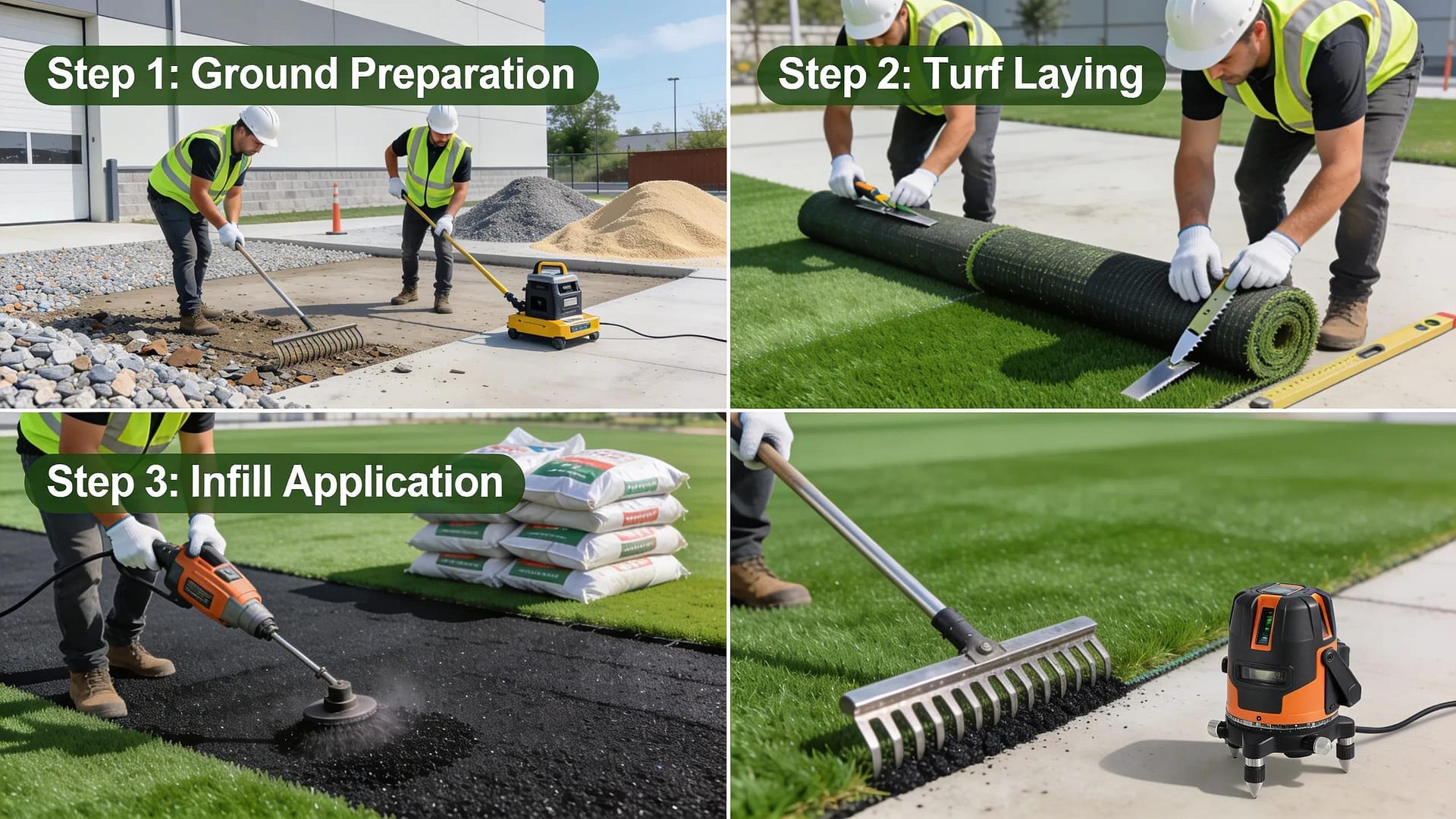
The installation process for artificial turf typically involves several critical steps: assessing the site, preparing the ground, installing the base layer, laying the turf, and adding infill material. Proper site assessment identifies any underlying issues, such as drainage problems, that could affect turf performance. Ground preparation includes removing existing vegetation and leveling the area to create a smooth surface for installation. Once the turf is laid, infill materials, such as silica sand or rubber granules, enhance durability and stability. Following these steps carefully ensures that the turf will perform well over its lifetime.
How Do Maintenance and Repair Practices Minimize Long-Term Expenses?
Routine maintenance plays a significant role in the longevity of artificial turf, ultimately reducing long-term expenses. Practices such as regular brushing to ensure even infill distribution, periodic rinsing to remove debris and contaminants, and inspection for damage are essential. Establishing a maintenance schedule can prolong the turf’s life and appearance while preventing costly repairs or replacements. Educating property managers on basic maintenance practices can significantly enhance cost efficiency while maintaining the aesthetic value of the landscape.
How Does Artificial Turf Support Environmental Sustainability in Colorado Commercial Properties?
Artificial turf contributes to environmental sustainability by promoting water conservation and reducing the need for chemical fertilizers and pesticides. In regions like Colorado, where water scarcity can impact both landscapes and local economies, reducing water consumption is a critical concern. Artificial turf eliminates water waste attributed to traditional grass lawns, which need continuous irrigation, especially during dry periods.
How Much Water Conservation Does Artificial Turf Provide Compared to Natural Grass?
Artificial turf typically conserves a significant amount of water compared to natural grass, with estimates suggesting reductions in water usage by approximately 50-75%. This substantial decrease is especially valuable during drought conditions, allowing property managers to maintain green spaces without the high costs associated with water usage. With inflation and water conservation mandates becoming increasingly emphasized, investing in artificial turf represents a proactive approach to landscape management.
What Are the Environmental Benefits of Pet-Friendly and Specialty Turf Options?
Pet-friendly and specialty turf options serve not only cosmetic purposes but also address specific needs for businesses catering to diverse clientele. These specialized turf solutions are designed to withstand increased wear from pets and active families while offering drainage and odor resistance. Properties utilizing these turf types can capture broader market segments as they showcase a commitment to inclusivity and a responsive design that caters to the lifestyles of their tenants.
In summary, the value of investing in artificial turf for commercial real estate is multifaceted, encompassing cost savings, tenant retention, and environmental benefits. As businesses seek innovative solutions for their landscapes, turning to artificial turf provides immediate cost advantages while promoting sustainable practices in an increasingly competitive market.

