
By Dakota Carino, Artificial Grasscapes
Landscapers are increasingly turning to subcontractor partnerships to boost their service offerings and profitability, especially in the realm of artificial turf installations. With a growing demand for sustainable and low-maintenance landscaping solutions, understanding how to effectively incorporate high-margin turf installs can facilitate significant revenue growth. This article explores collaboration strategies, recommended pricing models, and the benefits of partnering for turf installations, alongside insights into optimizing operations with quality products such as those offered by companies like Artificial Grasscapes.
Collaboration Strategies
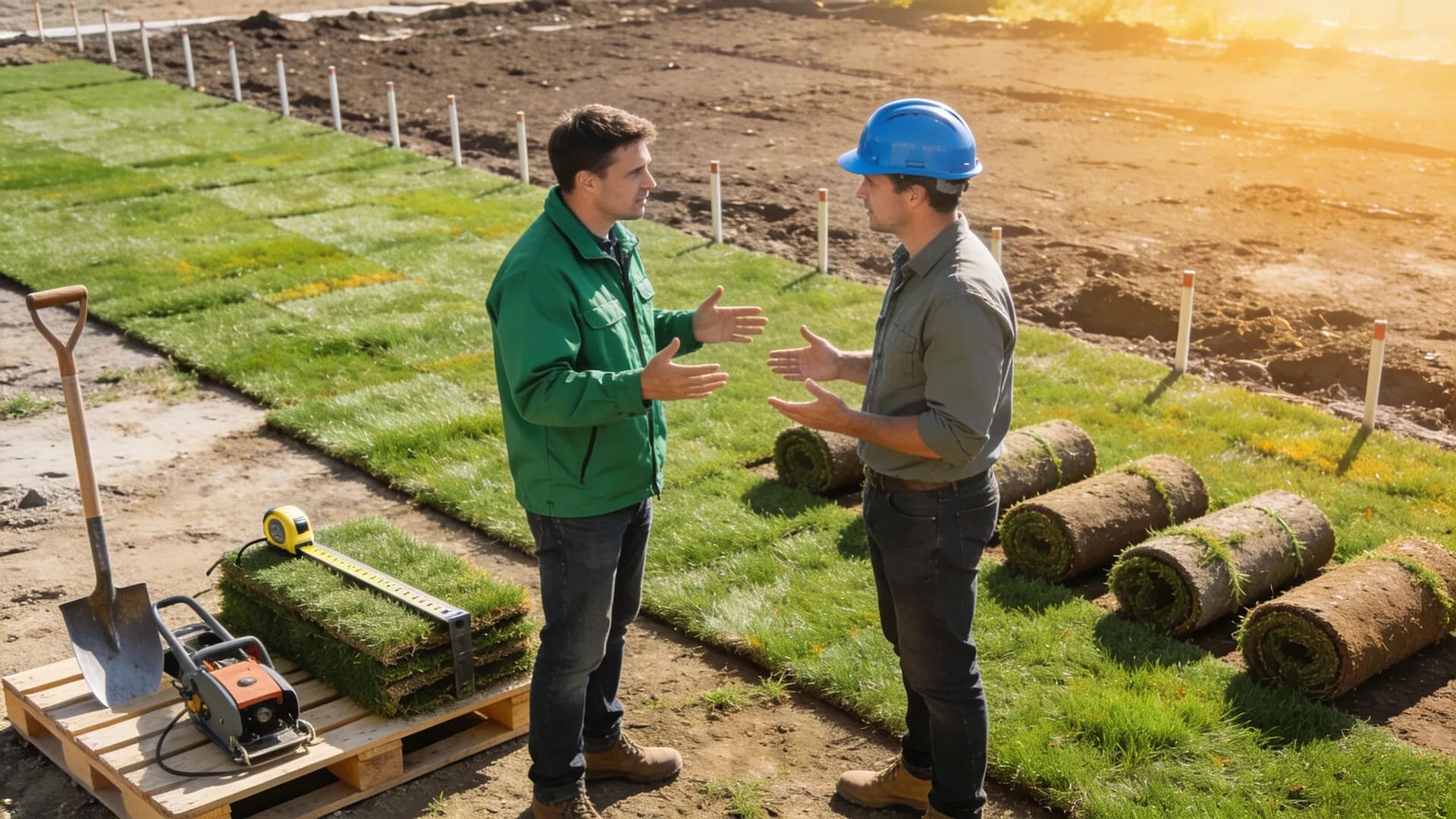
Navigating subcontractor partnerships is essential for landscapers looking to expand their service portfolio. Effective collaboration strategies can ensure a smoother integration of turf installation services. Key approaches include:
- Engage with Suppliers: Establish strong lines of communication with artificial turf suppliers to stay informed about the latest products and innovations.
- Establish Direct Connections: Build relationships with subcontractors that specialize in turf installation to streamline operations and improve quality assurance.
- Utilize Shared Marketing Resources: Collaborate on marketing efforts to effectively promote new services, which can enhance visibility in a competitive market.
Recommended Pricing Models
When it comes to turf installation, understanding appropriate pricing strategies is crucial. Here are effective pricing models to consider:
- Analyze Market Rates: Conduct market research to determine competitive installation costs in your area.
- Offer Competitive Pricing: Establish pricing that reflects value while remaining attractive to potential clients.
- Highlight Long-Term Savings: Emphasize the cost-effectiveness of artificial turf over time to convince clients of its worth.
Artificial Grasscapes provides valuable insights that landscapers can leverage for free estimates or consultations on pricing strategies.
Marketing Techniques
Effective marketing is vital for promoting turf installation services. Utilizing targeted marketing techniques can significantly influence potential customer interest and engagement. Strategies include:
- Educate Clients: Provide informative content about the benefits of artificial turf to raise awareness.
- Showcase Success Stories: Highlight completed projects to demonstrate expertise and build trust.
- Target Specific Demographics: Focus marketing efforts on demographics likely to invest in turf installations, such as homeowners and commercial property managers.
What Are the Key Benefits of Partnering for Artificial Turf Installation?
Collaborating with specialists in turf installation offers several benefits for landscapers, enhancing overall service capability and client satisfaction. Key advantages include:
- Increased Profit Margins: Subcontracting allows landscapers to tap into high-margin turf installations without substantial initial investment.
- Expanded Service Offerings: Partnering enables landscapers to provide comprehensive landscaping solutions that meet diverse needs.
- Enhanced Competitive Advantage: Added expertise in turf installation can differentiate landscapers in a crowded marketplace.
How Does Turf Installation Increase Landscaper Profit Margins?
The process of adding turf installation services can significantly improve overall profit margins for landscapers. Here’s how:
- Cost Savings on Materials: By purchasing materials in bulk through partnerships, landscapers can reduce acquisition costs.
- Reduced Maintenance Costs: Turf requires less ongoing maintenance compared to natural grass, appealing to time-conscious clients.
- Increased Client Satisfaction: Meeting the growing demand for low-maintenance solutions can lead to positive reviews and referrals.
What Makes Artificial Turf a Low-Maintenance Landscaping Solution?
Artificial turf is distinguished as a low-maintenance option for several reasons:
- No Routine Tasks: Unlike natural grass, artificial turf does not need mowing, watering, or fertilizing.
- Durability Under Foot Traffic: It is designed to withstand various weather conditions and heavy foot traffic, retaining its aesthetic appeal.
- Water Conservation Benefits: Utilizing artificial turf contributes to significant water savings, appealing to environmentally conscious clients.
How Does the Subcontractor Turf Installation Process Work?
Understanding the subcontractor turf installation process aids landscapers in coordinating successful projects. Key steps include:
- Site Assessment: Assessing the area to determine suitability for turf installation.
- Excavation Techniques: Preparing the ground by properly excavating the site to ensure appropriate drainage and base preparation.
- Final Touches on Installation: Completing the project involves laying the turf and adding infill materials, which help stabilize the turf fibers.
What Are the Essential Installation Steps and Materials Used?
Effective turf installation requires specific steps and materials that ensure quality and durability:
- Excavation and Base Installation: Proper preparation of the ground is crucial to avoid issues with drainage and surface leveling.
- Turf Laying Techniques: Attention to detail during the laying process affects the final appearance and function of the turf.
- Infill Application: Infill materials help secure the turf fibers and provide a natural feel underfoot.
How Does Artificial Grasscapes Ensure Quality and Durability in Colorado?
In Colorado, factors like climate and elevation can impact turf performance. Artificial Grasscapes addresses these concerns by utilizing:
- Utilization of Durable Materials: They ensure the use of high-quality turf and infill materials designed for longevity.
- Expert Installation Techniques: Trained professionals conduct installations to meet specific regional requirements, enhancing performance.
- Regular Quality Assurance Procedures: Aim to maintain standards through routine checks and adjustments post-installation.
How Can Landscapers Optimize Pricing and Margins with Turf Installs?
Successfully optimizing pricing and margins requires a strategic approach:
- Understanding Cost Factors: Recognizing all costs involved helps to set competitive pricing without sacrificing profits.
- Flexible Pricing Structures: Adapting pricing to various project sizes can capture a broader client base.
- Diverse Product Offerings: Providing various turf options ensures that all customer needs are met, appealing to different budgets.
What Are Typical Cost and Revenue Estimates for Subcontracted Turf Services?
Subcontracted turf services can yield attractive financial outcomes:
Understanding these dynamics can assist landscapers in making informed business decisions.
How Does Wholesale Artificial Turf Supply Enhance Profitability?
Wholesale artificial turf supply creates opportunities for landscapers to improve profitability through:
- Cost Savings via Bulk Order Discounts: Ordering in larger quantities often leads to reduced pricing.
- Diverse Product Availability: Access to various turf types can meet specific client demands.
- Reduced Maintenance Expenditures: Quality turf translates to lower long-term maintenance requirements.
What Support and Resources Are Available for Landscaper Partnerships?
To maximize the benefits of partnerships, landscapers can leverage several resources:
- Training and Support from Suppliers: Many suppliers offer training sessions to enhance the skills of landscapers.
- Marketing Collaboration Benefits: Shared promotional efforts can increase visibility and attract new clients.
- Cost Savings Through Partnerships: Collaborating with suppliers can yield discounts and support services that improve bottom lines.
What Maintenance and Repair Services Complement Turf Installations?
Post-installation support can enhance client satisfaction and prolong the life of the product:
- Regular Cleaning Schedules: Establishing maintenance schedules ensures the turf remains in top condition.
- Repair Services Available: Offering repairs for any damage can enhance client relationships.
- Maintenance Plan Offerings: Providing tiered maintenance plans can add recurring revenue streams.
How Do Colorado Market Conditions Impact Turf Installation Demand?
Understanding the market conditions in Colorado plays a crucial role in demand for turf installation:
- Water Conservation Awareness: As water prices rise, the appeal for drought-resistant options like turf increases.
- Local Incentives for Turf Conversion: State programs promoting water-efficient landscaping boost sales.
- Rising Trends in Landscaping: An overall increase in landscape improvement projects correlates with heightened turf installation interest.