By Dakota Carino, Artificial Grasscapes
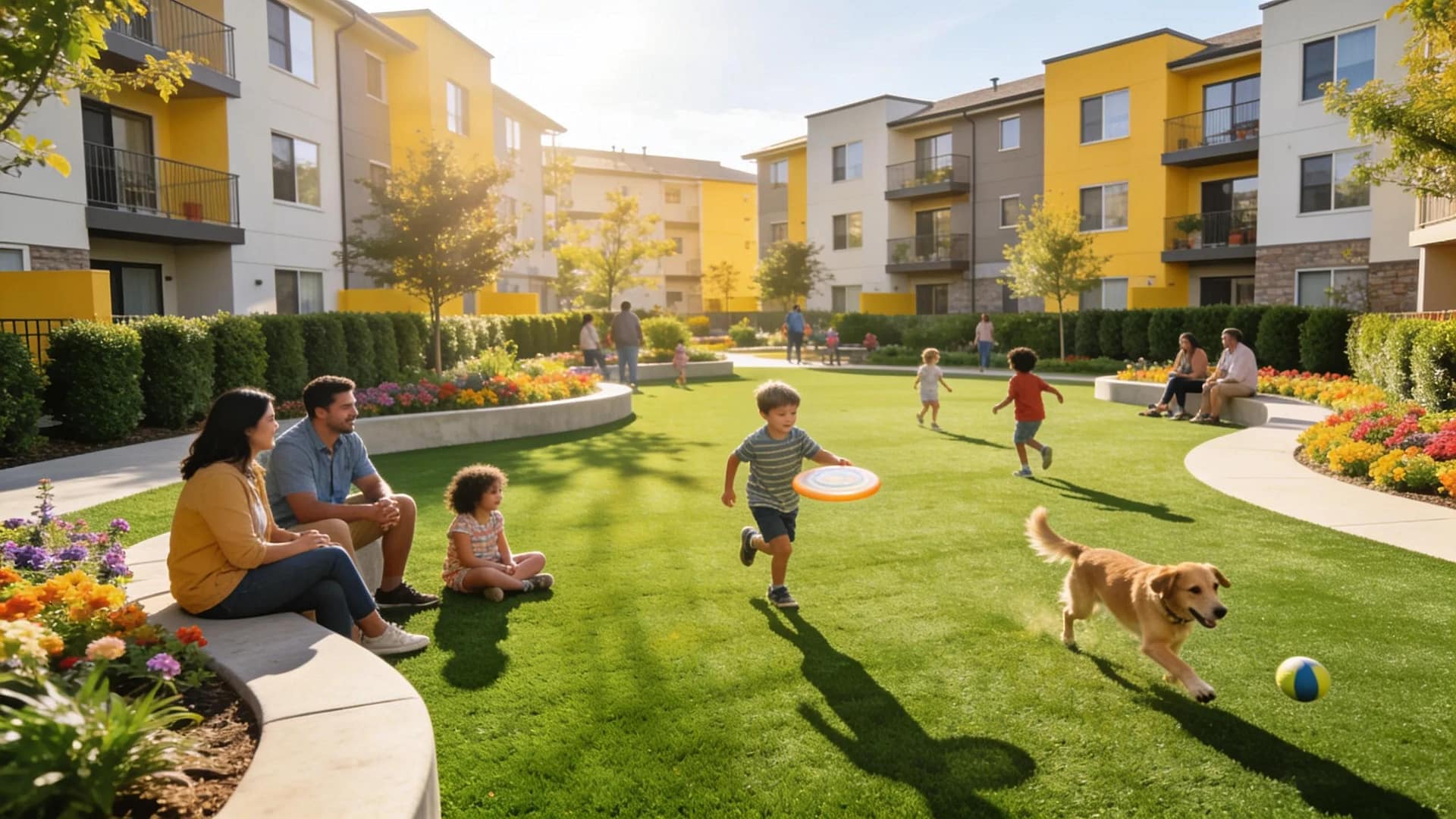
In Castle Rock, the specifications for turf in multi-family and homeowner association (HOA) common areas play a vital role in creating appealing and functional landscapes. This article will guide you through the key turf specifications, with a focus on durability, maintenance, and suitability for various climates. By understanding these parameters, property managers can enhance aesthetics while providing safe and usable spaces for both residents and pets. The need for sustainable and visually pleasing landscaping solutions is paramount, driving the choice toward “artificial grass”. In the sections that follow, we’ll cover essential turf specifications, the benefits of pet-friendly solutions, maintenance practices, and how Artificial Grasscapes stands out in providing expertise in turf installation tailored to HOA needs.
What Are the Key Turf Specifications for Multi-Family and HOA Common Areas in Castle Rock?
Understanding the key specifications for turf in multi-family and HOA common areas is essential for compliance and functionality. These specifications dictate the appearance, durability, and safety features of the grass, influencing both aesthetic and practical outcomes.
Which Turf Materials and Pile Heights Optimize Durability and Performance?
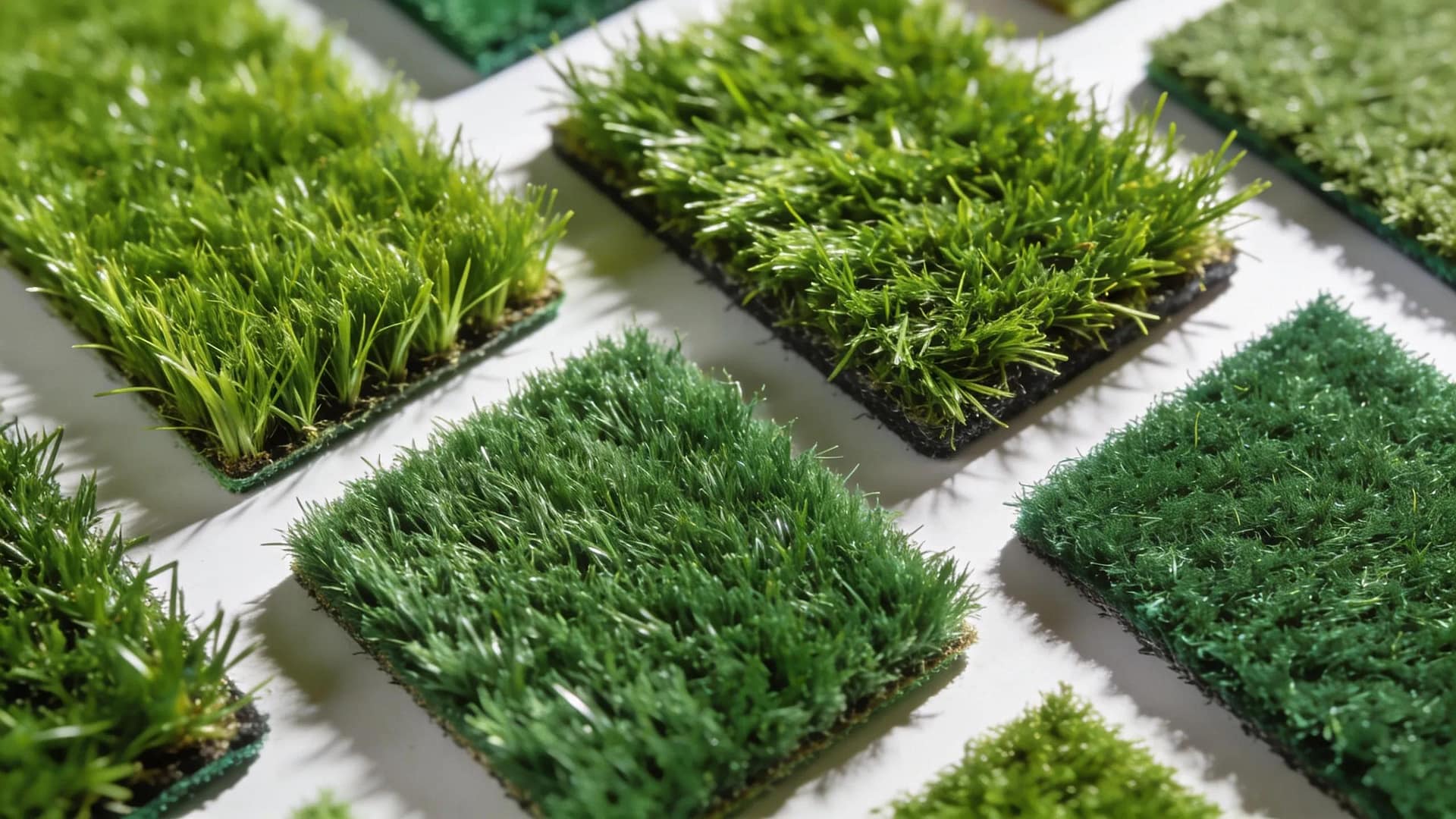
The best-performing turf materials for common areas include polyethylene and polypropylene, known for their softness and resilience. An optimal pile height of 1.5 to 2 inches strikes a balance between aesthetic and functional needs, allowing for a lush appearance while accommodating diverse activities. Such specifications ensure the turf withstands “heavy foot traffic” and maintains its visual appeal over time.
How Do Drainage Systems Enhance Turf Longevity and Suitability for Community Spaces?
Effective drainage systems are crucial for enhancing the longevity and functionality of turf installations. Incorporating perforated pipes and proper grading not only controls water runoff but also prevents pooling, mud spots, and potential turf damage. This ensures a clean, usable, and visually appealing area, beneficial for gatherings and recreational use.
Why Choose Pet-Friendly Artificial Grass Solutions for HOA and Multi-Family Properties?
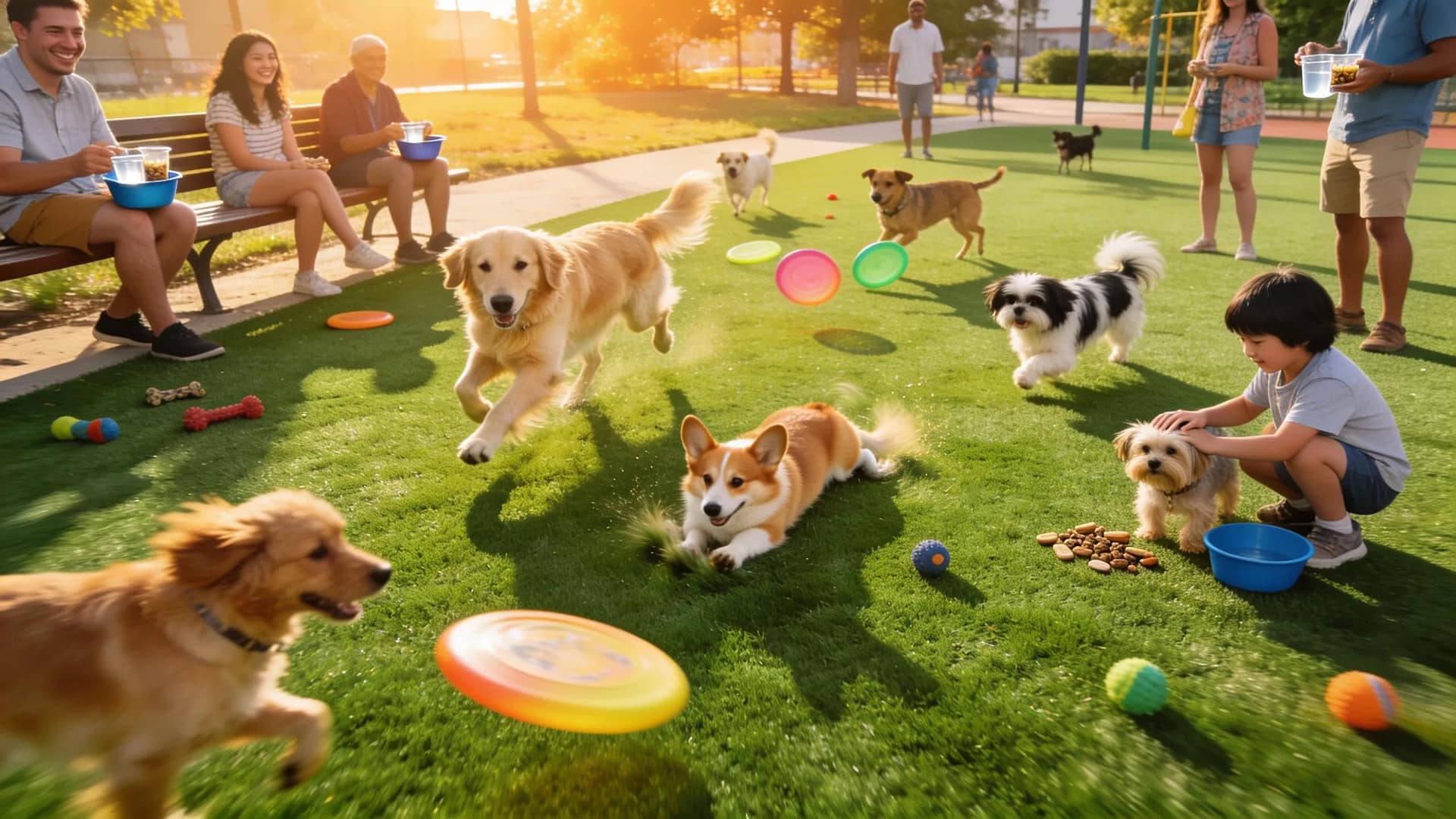
Pet-friendly artificial grass solutions offer numerous advantages for multi-family and HOA properties. The key features of these turfs cater specifically to the needs of families with pets, ensuring both durability and easy maintenance.
Providing a safe environment for pets means the turf must resist wear and tear caused by pet activities while maintaining its integrity and appearance. Additionally, “pet-friendly grass” is often designed to be antimicrobial, reducing odor and bacteria accumulation which contributes to a healthier environment for both pets and people.
What Are the Benefits of Antimicrobial and Specialized Turf for Pet Parks?
Antimicrobial and specialized turf present essential benefits, particularly for pet parks. The durability of the turf ensures it can withstand frequent use, and its antimicrobial properties inhibit bacterial growth, keeping the play area sanitary and safe for pets. Furthermore, the comfort offered by these turfs ensures that pets enjoy their time outside, reducing anxiety associated with rough outdoor surfaces.
How Does Durable Turf Support High Traffic and Environmental Sustainability in Common Areas?
Durable turf surfaces are designed specifically to support high traffic in multi-family and HOA areas, making them ideal for parks and playgrounds. The material composition ensures that even with heavy usage, the lawns retain their form and function.
Additionally, synthetic grass contributes to environmental sustainability by minimizing the need for resources such as water and fertilizers commonly used in natural lawns. This conservation aspect not only promotes eco-friendliness but also reflects a commitment to sustainable practices within community management.
What Are the Best Practices for Low Maintenance Turf Installation and Ongoing Care in Castle Rock HOAs?
To achieve a low-maintenance landscape, implementing the right practices from the outset is vital. Here are some best practices for turf installation and ongoing care:
- Site Preparation: Proper soil grading and base preparation are critical for drainage and long-term durability.
- Choosing Quality Materials: Utilizing high-quality turf and infill materials ensures longer life and reduces wear.
- Regular Cleaning: While artificial grass requires less maintenance than natural grass, routine cleaning helps to maintain its appearance and hygiene.
Following these practices promotes a long-lasting and visually appealing turf installation.
How Does Artificial Grasscapes Ensure Expert Turf Installation Tailored to HOA Guidelines?
Artificial Grasscapes excels in delivering quality turf installation tailored to HOA guidelines. Their process involves meticulous planning and adherence to community requirements. The steps involve:
- Assessment of Community Needs: Understanding the specific requirements of the HOA and tailoring solutions accordingly.
- Application of Industry Standards: Following the best practices in installation to meet durability and aesthetic specifications.
- Material Selection: Offering a range of turf options to suit different styles and functional needs.
This attention to detail ensures that installations not only meet but exceed community expectations.
Which Maintenance and Repair Services Maximize Turf Lifespan and Performance?
To uphold the quality and longevity of artificial turf, various maintenance and repair services are beneficial:
- Routine Inspections: Regular checks help identify any wear or issues early on.
- Cleaning Protocols: Specialized cleaning services can eliminate debris, ensuring the turf looks fresh and inviting.
- Repairs for Damage: Prompt attention to any damage extends the life and functionality of the turf, maintaining safety and aesthetics.
Utilizing these services significantly enhances the lifespan and performance of artificial grass installations.
How Can Multi-Family and HOA Property Managers Assess Cost and ROI of Artificial Turf in Castle Rock?
When assessing the cost and return on investment (ROI) for artificial turf, property managers should consider several aspects:
- Initial Investment vs. Long-Term Savings: While the upfront cost may be higher than traditional grass, savings in water, maintenance, and replacement are significant over time.
- Enhanced Property Value: Well-maintained common areas can improve property values and attract renters.
- Sustainability Appeal: Environmentally friendly choices often resonate well with prospective tenants.
Understanding these dynamics helps managers make informed decisions that benefit their properties and their residents.
What Are the Upfront and Long-Term Cost Advantages of Commercial Artificial Turf?
Commercial artificial turf has distinct cost advantages that become apparent over its lifespan. Initially, the installation costs can appear daunting; however, consideration of the long-term expenses provides a clearer picture:
- Water Savings: Significant reductions in water usage compared to traditional lawns lead to lower utility bills.
- Maintenance Savings: Reduced needs for fertilizers, pesticides, and other lawn care services help cut ongoing costs.
- Durability: With a lifespan of 15-25 years, artificial turf reduces the need for frequent replacements seen in natural grass.
This combination ensures that initial investments pay off significantly in the long run.
Are There Warranty and Service Guarantees to Support Investment Confidence?
Investing in artificial turf comes with certain warranties and service guarantees that bolster confidence. Many manufacturers and installers, such as Artificial Grasscapes, provide warranties covering defects and performance issues, assuring property managers of the quality of their investments. Service guarantees further provide peace of mind regarding maintenance and repairs, reinforcing durability claims and ensuring a trouble-free experience long after installation.

