By Dakota Carino, Artificial Grasscapes
Finding the ideal “pet turf installation”, especially in regions like Colorado Springs, demands a keen understanding of various factors such as drainage, odor control, and the specific challenges presented by clay soil. This thorough guide addresses how these elements are integrated into creating a robust and functional pet-friendly landscape. Moreover, readers will explore actionable strategies to enhance their installations, ensuring longevity and hygienic play areas for pets. With important considerations laid out, this article will dissect effective drainage solutions, odor control techniques, and ways to navigate the complications of clay soil, providing a comprehensive overview for homeowners and landscape enthusiasts.
Effective Drainage Solutions
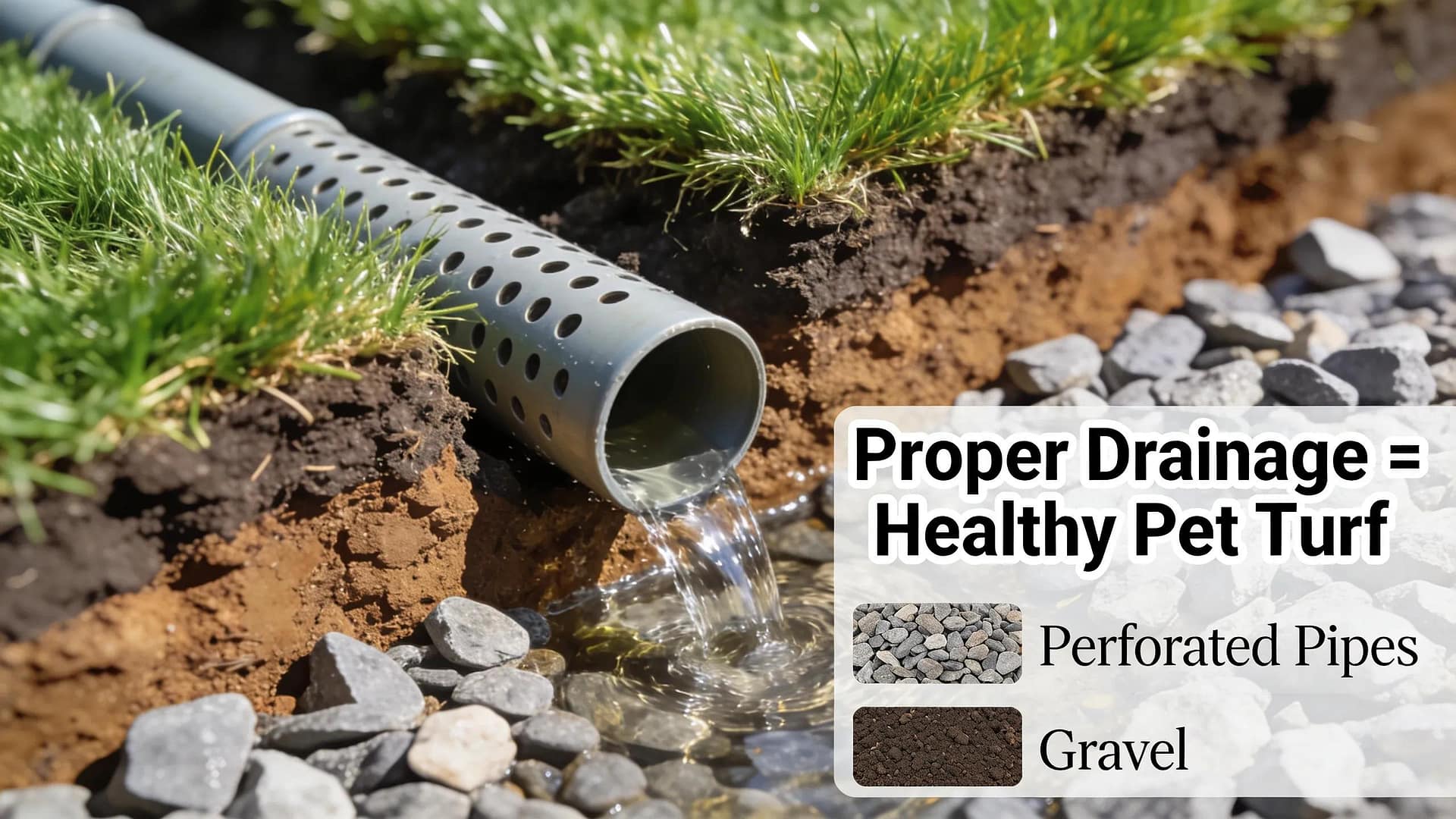
Effective drainage systems are fundamental to maintaining a quality pet turf installation, especially in a region prone to fluctuating weather patterns like Colorado Springs. A reliable drainage solution allows water to flow efficiently away from the turf, preventing pooling and ensuring a dry surface for pets to enjoy. Utilizing “permeable backing” on synthetic pet turf can significantly help in enhancing water drainage, while proper soil preparation techniques—such as ensuring adequate grading—play a crucial role in facilitating rapid drainage and maintaining consistent turf quality.
Odor Control Methods
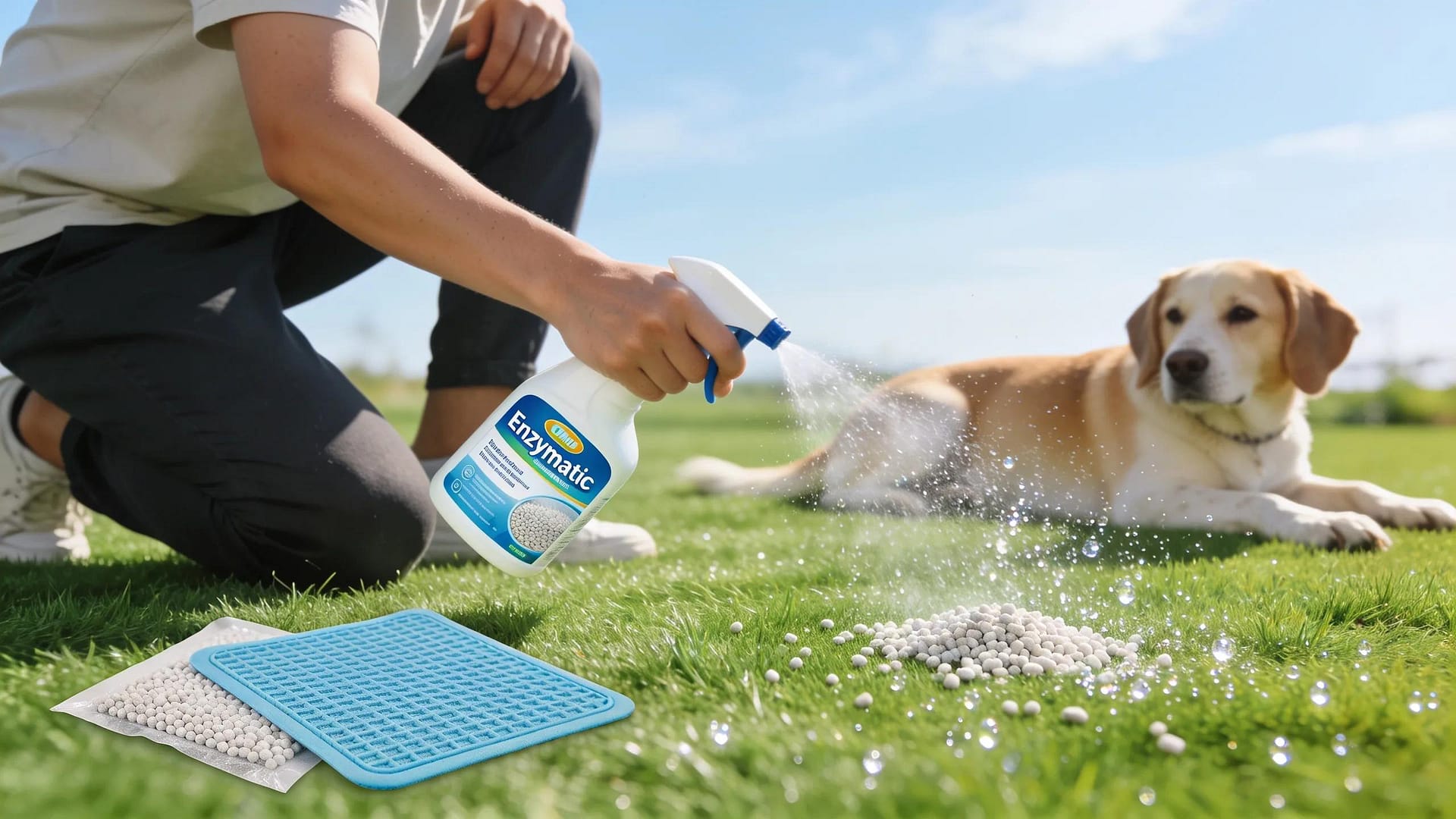
Controlling odors in pet turf is essential for maintaining a pleasant outdoor environment. There are several proven strategies to tackle this challenge effectively. One of the most effective approaches includes the use of enzymatic cleaners that break down waste products, neutralizing odors at their source. Furthermore, incorporating “antimicrobial infills” can significantly mitigate the development of odors by inhibiting bacterial growth. Regular maintenance practices, such as rinsing the turf and applying specialized odor control solutions, play an integral part in promoting a fresh and appealing space for pets.
Overcoming Challenges with Clay Soil
Clay soil presents unique challenges for pet turf installations, primarily due to its density and poor drainage capabilities. To successfully install artificial grass over clay, techniques such as enhanced drainage solutions are necessary. Proper preparation of the clay soil, including the incorporation of soil amendments that improve texture and drainage, establishes a suitable foundation for turf growth and durability. Conducting thorough site assessments before installation ensures tailored solutions that address the specific needs of the soil and the installed turf.
How Does Proper Drainage Enhance Pet Turf Performance in Colorado Springs?
Proper drainage is crucial in enhancing the performance of pet turf, particularly under Colorado Springs’ variable weather conditions. Efficient drainage prevents the accumulation of water, which can lead to odor buildup, creating an unhealthy recreational area for pets. Additionally, effective drainage ensures surface stability, making the turf easier to maintain and keeping it aesthetically pleasing. With the right drainage systems in place, pet owners can facilitate a healthier and more enjoyable environment for their pets.
What Drainage Systems Are Best for Synthetic Pet Grass on Clay Soil?
For areas with significant clay content, specific drainage systems yield the best results when installing synthetic pet grass. Options such as permeable backing and air drain technology can effectively manage water flow, ensuring the turf remains dry and usable through rain and rapid snowmelt. Regular maintenance routines are also essential to keep these systems functioning optimally. By integrating these specialized drainage solutions, installations can adapt to the challenges presented by clay soil, allowing for a long-lasting and functional pet turf area.
How Does Drainage Prevent Water Pooling and Odor Issues in Dog Turf?
Understanding the connection between drainage and odor management is key to effective pet turf maintenance. Poor drainage leads to liquid pooling, which can create an unpleasant environment and encourage the growth of odor-causing bacteria. The use of efficient drainage systems not only redirects excess water but also neutralizes odors through routine cleaning and the meticulous selection of infills. Ensuring proper drainage is implemented from the beginning is essential for preventing any future odor issues while maintaining a hygienic play area for dogs.
What Are Proven Odor Control Methods for Artificial Pet Grass Installation?
There are several established methods to curb odors in artificial pet grass, each playing an important role in maintaining a clean and enjoyable yard. Among these methods are:
- Enzymatic Cleaners: These products effectively break down organic waste, significantly reducing odors.
- Use of Antimicrobial Materials: Incorporating these materials into the infill helps inhibit odor-causing bacteria.
- Routine Maintenance Practices: Regular rinsing and cleaning schedules support sustained odor control.
Implementing these strategies ensures a fresh environment for pets while allowing pet owners to enjoy their spaces without unpleasant smells.
How Do Antimicrobial Infill and Sanitizing Technologies Reduce Pet Turf Odors?
Antimicrobial infill and advanced sanitizing technologies contribute significantly to reducing odors in pet turf installations. Antimicrobial infills work by inhibiting bacterial growth, thus neutralizing odors emitted from waste. When combined with regular sanitizing treatments, which are designed to refresh the turf surface, these technologies enhance overall cleanliness, providing a safe space for animals to play. Ultimately, properly treated pet turf ensures optimal levels of hygiene and comfort, reinforcing its suitability for pets.
Which Maintenance Practices Support Long-Term Odor Prevention?
Ongoing maintenance is integral to preventing odors in pet turf over the long term. Establishing a consistent routine can greatly reduce the risk of odors developing in the first place. Key practices include:
- Regular Cleaning Schedules: Consistently rinsing off pet waste prevents odors from accumulating.
- Infiltration of Antimicrobial Products: Applying specialized products periodically can help maintain cleanliness.
- Routine Inspections: Regular checks can identify areas requiring additional attention or treatment.
By prioritizing these maintenance practices, pet owners can enjoy a fresh and pleasant environment for their furry friends.
How Should Clay Soil Be Prepared for Durable Artificial Pet Turf in Colorado?
Preparing clay soil for artificial pet turf requires thorough techniques to ensure long-term durability. Key steps include incorporating soil amendments that enhance its texture, improving drainage capabilities, and utilizing compaction techniques that help create a stable base for the turf. These preparations help to mitigate against the inherent challenges associated with clay soil, enabling successful installations that will withstand the rigors of daily pet use.
Why Is Custom Base Layer Design Essential for Synthetic Dog Turf Longevity?
Creating a custom base layer is critical to the longevity of synthetic dog turf installations. A tailored design considers specific drainage and odor control needs, adapting to both soil conditions and local environmental factors. This proper base layer not only influences drainage efficiency and reduces odor but also contributes to the overall stability of the turf system. In a place like Colorado Springs, where diverse soil types are present, having a custom design is essential for ensuring the turf remains functional and visually appealing over time.
Why Choose Artificial Grasscapes for Pet Turf Installation in Colorado Springs?
Artificial Grasscapes offers specialized expertise in the design and installation of pet turf that meets the unique demands of Colorado Springs’ environment. Their focus on durability and hygiene ensures pet owners receive tailored solutions that fit local conditions. Through professional installation processes, Artificial Grasscapes effectively integrates advanced drainage solutions and odor control methods, ensuring a seamless and high-quality installation that pet owners can trust.
What Expert Consultation Services Improve Pet Turf Outcomes?
Expert consultation services significantly improve the outcomes of pet turf installations by offering customized strategies tailored to individual property needs. These consultations typically cover aspects such as:
- Customized Consultations: Providing personalized assessments that focus on specific challenges.
- Material Overview: Educating homeowners on the best infills and turf quality for their needs.
- Installation Strategies: Advising on the most effective installation methods to ensure longevity.
Engaging with professionals can lead to informed decisions that enhance the overall effectiveness and satisfaction of pet turf installations.
How Does Artificial Grasscapes Address Drainage, Odor & Clay Soil Challenges?
Artificial Grasscapes has established itself as a leader in addressing the unique challenges of drainage, odor control, and clay soil in Colorado Springs. Utilizing advanced drainage systems coupled with antimicrobial features and regular maintenance support, they ensure that installations hold up against the challenges posed by local soil conditions. By choosing Artificial Grasscapes, pet owners can benefit from expertise that prioritizes both functionality and aesthetic appeal.


