
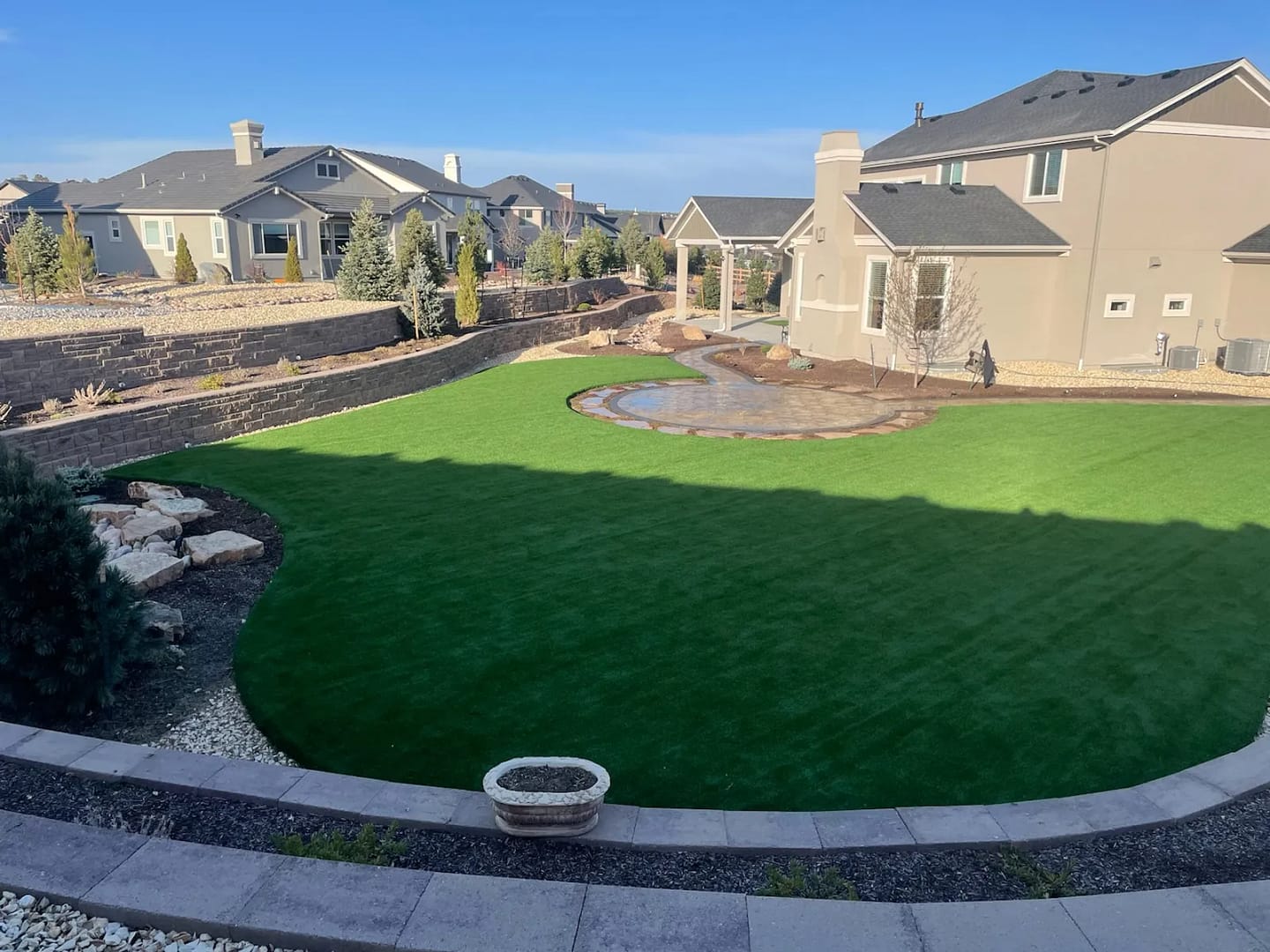
By Dakota Carino, Artificial Grasscapes
For dog owners in Castle Rock, selecting the right material for “pet-friendly yards” can be a challenging task, especially when dealing with granite soils and their unique drainage issues. Installations utilizing pet turf can provide a lush, low-maintenance solution that withstands the wear and tear from pets while addressing these environmental challenges. This article will cover essential aspects of pet turf installation, focusing on managing granite soils and ensuring proper drainage. Key sections include site assessment, drainage solutions, turf selection, the installation process, ongoing maintenance, environmental benefits, and navigating local regulations. By understanding these elements, dog owners can create a safe and enjoyable outdoor space for their pets.
Site Assessment and Preparation
Before installing pet turf, it’s crucial to evaluate the site conditions and prepare the ground appropriately, particularly in granite soil environments. This initial assessment helps in identifying any challenges related to the underlying soil composition, ensuring the turf remains durable and functional. Proper “site preparation” involves ground leveling, which may require heavy machinery to move granite boulders or adjust the ground surface, thereby promoting effective drainage. Additionally, preparing for drainage systems is vital; a well-draining foundation will prevent waterlogging and prolong the life of the turf.
Drainage Solutions
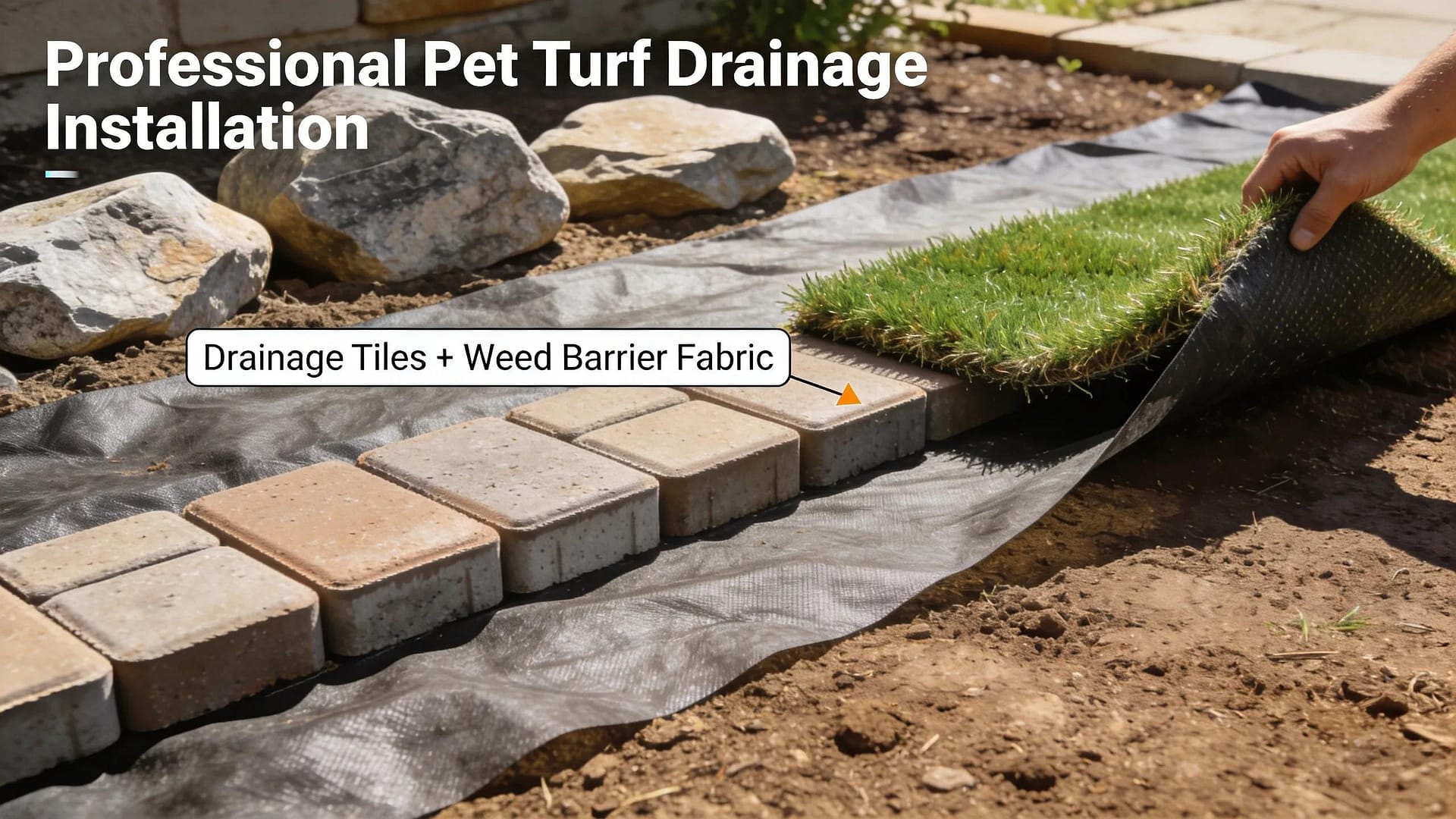
Effective drainage solutions are fundamental for maintaining pet turf in Castle Rock’s granite soils due to their compact nature, which can impede water flow. The following drainage options are commonly recommended:
- Weed Barrier Installation: Laying down a weed barrier fabric prevents unwanted vegetation while allowing water to drain.
- Drainage Tiles: Installing drainage tiles can efficiently transport excess water away from turf areas, preventing pooling and ensuring a dry surface for pets.
- Air Drain Technology: This innovative approach utilizes a network of porous materials that allow air and water to flow, enhancing drainage efficiency and reducing maintenance needs.
Selecting the right drainage system is essential for prolonging the life and functionality of artificial turf installations.
Proper management of the underlying base is a critical factor in ensuring that water effectively moves away from the surface of your pet turf.
Optimizing Pet Turf Drainage with Aggregate Base Systems
The porous backing allowed water to drain through the turf and pass into an aggregate base.
Effects of urban residential landscape composition on surface runoff generation, B Chang, 2021
How Does Granite Soil Impact Pet Turf Installation?
Granite soil presents specific challenges for pet turf installation, primarily through compaction that restricts water drainage. The rigidity of granite can lead to uneven surfaces, creating areas that may collect water or become overly dry. These conditions can affect both the durability of the turf and the comfort of pets. Understanding these impacts allows for informed decisions regarding modifications and enhancements needed for successful installation.
What Soil Preparation Techniques Ensure Turf Durability on Rocky Terrain?
To ensure the longevity of pet turf installed on rocky terrains, several soil preparation techniques should be employed:
- Excavation: Removing a layer of granite soil may be required to create a conducive bed for the turf.
- Compaction Reduction: Using a compactor or tiller can help break up compacted soil, allowing for better drainage.
- Layer Construction: Incorporating base layers of gravel or sand beneath the turf to facilitate drainage can greatly enhance overall performance.
These techniques work together to provide a stable foundation for turf installations over challenging granite surfaces.
Turf Selection
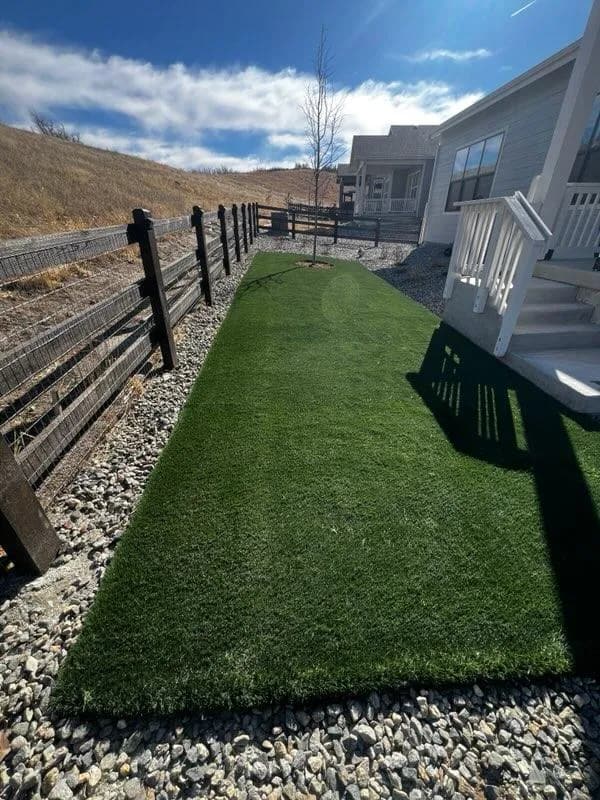
Choosing the right type of turf is vital for creating a safe and durable environment for pets. When selecting turf for granite soils, consider the following factors:
- Durability: Look for turf specifically designed to handle high foot traffic, with reinforced fibers that resist wear from pet play and activity.
- Antimicrobial Options: Some turf products are manufactured with antimicrobial properties to keep the surface cleaner and safer for pets.
- Drainage Features: Turf integrated with drainage systems can improve the flow of water, contributing to the overall drainage strategy of the installation.
Selecting high-quality pet turf materials can significantly enhance the lifespan of the installation, providing safety and comfort for pets.
It is important to recognize that the permeability of your installation is influenced not only by the turf itself but also by the various layers beneath the surface.
Improving Turf Permeability: Managing Sub-Base and Infill Layers
The void space within the infill, shockpad and base layers will affect the permeability of an AGP system. Artificial grass: A conceptual model for degradation in performance, 2012
Installation Process
A comprehensive installation process is essential for ensuring the successful application of pet turf in granite soil environments. Here is a step-by-step guide:
- Initial Layout: Measure and layout the turf area, considering any obstructions or slopes that might affect installation.
- Preparing the Base: Add layers of crushed stone or gravel for drainage, ensuring a flat surface.
- Turf Placement: Roll out the turf smoothly, avoiding wrinkles or folds. Make necessary cuts around edges and features.
- Infill Application: Apply a layer of infill material, such as sand or rubber, to help with drainage and turf stability.
- Securing the Turf: Use stakes or adhesive to secure the turf in place, ensuring it stays anchored during use.
Following these steps will maximize the integrity and usability of the pet turf.
Maintenance Considerations
Regular maintenance is pivotal for keeping pet turf in optimal condition. Here are essential maintenance tasks for Castle Rock dog owners:
- Routine Cleaning: Regularly remove pet waste and debris to maintain hygiene. A broom or vacuum designed for outdoor surfaces is recommended.
- Drainage System Inspection: Check drainage tiles and systems periodically to ensure they are functioning correctly and free from blockages.
- Long-term Care: Routine checks for wear and tear, along with occasional deep cleaning, will assist in prolonging the appearance and functionality of the turf.
By adhering to a consistent maintenance schedule, pet owners can extend the life and aesthetic appeal of their installations.
Environmental Benefits
Opting for artificial turf provides significant environmental advantages compared to natural grass in Colorado’s dry climate. These benefits include:
- Water Conservation: Artificial turf does not require watering, potentially saving thousands of gallons of water annually.
- Reduction in Chemical Use: The need for pesticides, herbicides, and fertilizers is eliminated, promoting a healthier ecosystem.
- Eco-Friendliness: Many turf options are made from recyclable materials, contributing to sustainable landscaping practices.
By choosing artificial turf, Castle Rock dog owners can create more environmentally-friendly yards while ensuring a safe play space for their pets.
Local Regulations and Support
Understanding local regulations regarding artificial turf is essential for compliance and support. Castle Rock residents should consider:
- HOA Compliance Checks: Homeowners associations may have specific rules related to outdoor installations which must be adhered to.
- Rebate Programs: Some local programs offer rebates or incentives for transitioning to sustainable landscaping practices, including artificial turf.
- Community Resources: Engage with local experts or community resources that offer guidance on installation practices that comply with local standards.
Navigating these aspects ensures a smooth installation process while taking advantage of community support.


