Creating a Pet-Friendly Oasis: Best Dog Turf Installation and Maintenance for Colorado Homes
By Dakota Carino, Artificial Grasscapes
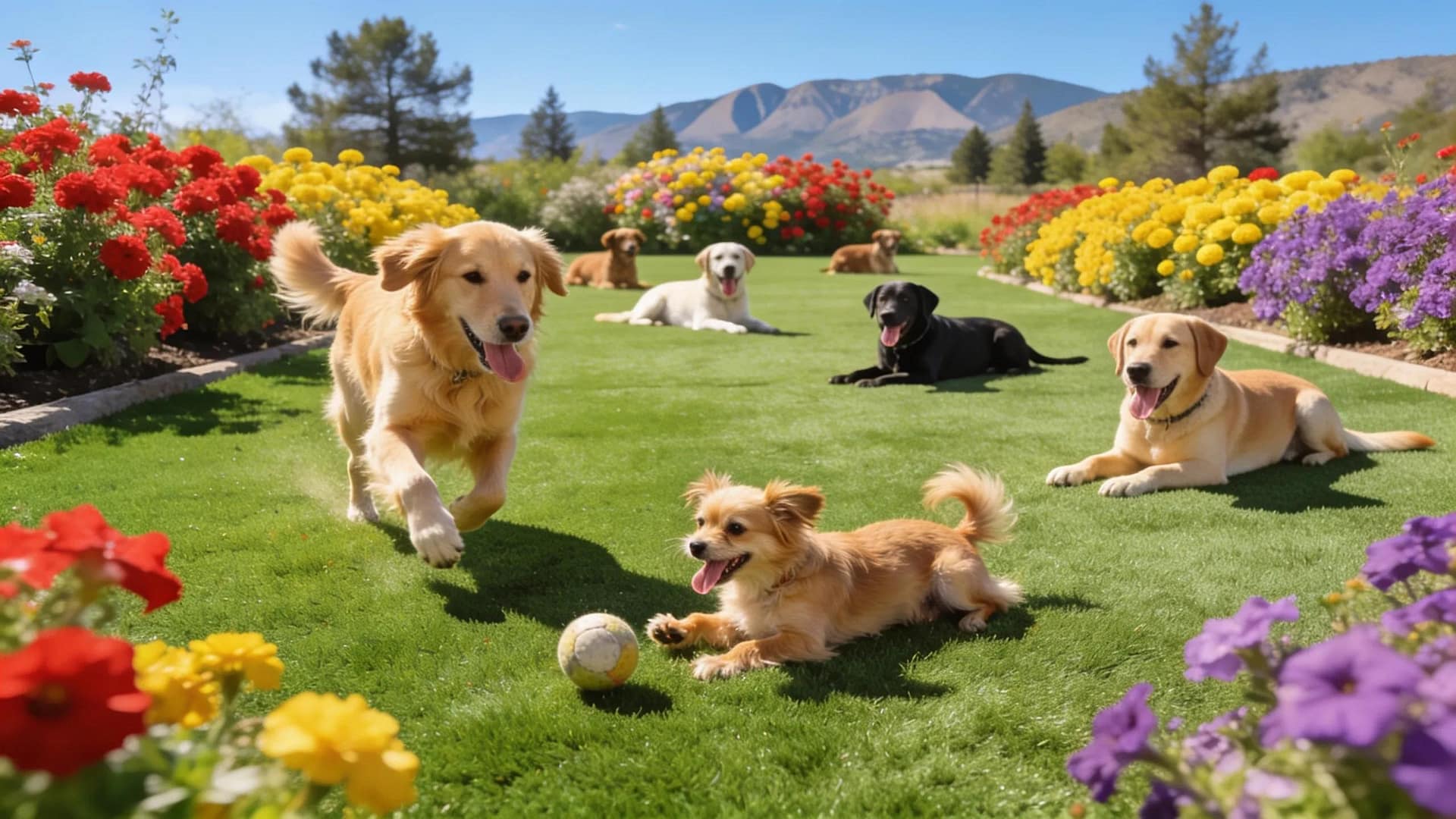
Creating a pet-friendly oasis in your Colorado home starts with choosing the right landscaping solutions, specifically, pet-safe synthetic grass that stands up to the rigors of active pets. As homeowners increasingly seek low-maintenance yard options conducive to pet life, artificial turf emerges as a viable solution. This article will explore the numerous advantages of pet-friendly artificial grass, including its environmental benefits and maintenance requirements, ensuring that your pets can romp around in a safe and beautiful outdoor space.
Why Choose Pet-Safe Synthetic Grass for Your Colorado Home?
Pet-safe synthetic grass, designed specifically for homes with pets, offers numerous benefits for residents of Colorado. Its non-toxic materials ensure that pets can play freely without the risk of chemical exposure from traditional lawn treatments. Additionally, the durability of artificial grass makes it an ideal choice for homes with high-traffic areas as it withstands the wear and tear caused by pets.
Furthermore, pet-friendly artificial grass contributes to environmental efforts by reducing water use and eliminating the need for harmful pesticides. Colorado homeowners can feel good about their lawn choices, knowing they align with local conservation initiatives. If you are planning your next landscaping project, Artificial Grasscapes can assist you with information and solutions tailored for pet-friendly installations.
How Is Pet-Friendly Artificial Grass Installed in Colorado Homes?
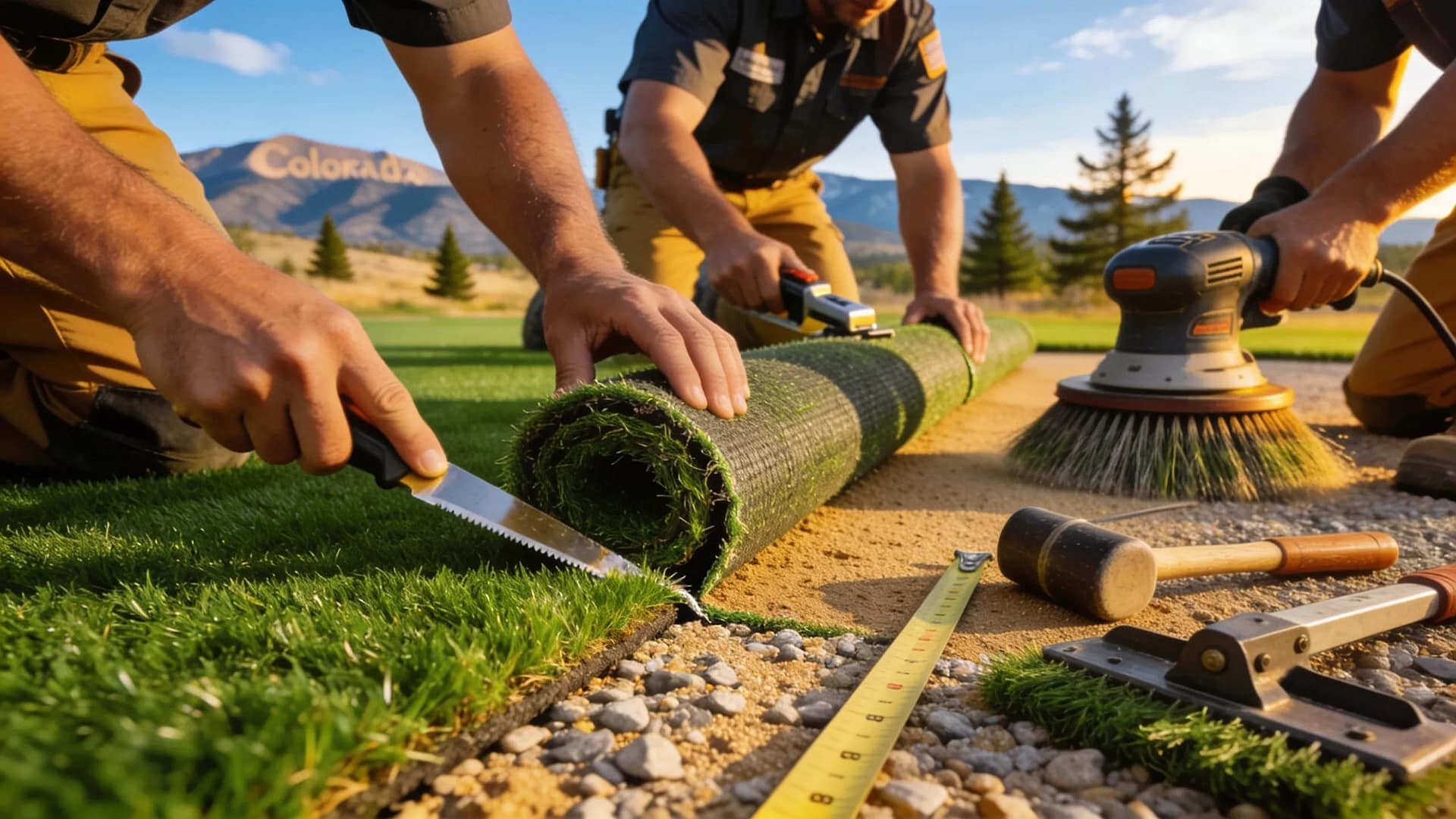
The installation of pet-friendly artificial grass in Colorado involves a step-by-step process that ensures quality and longevity. The first stage includes site preparation, which is crucial for creating a solid base. The right foundation supports the turf and promotes effective drainage, which is especially important given Colorado’s diverse climate.
After preparing the site, the process involves laying down a base layer of crushed stone or gravel, followed by the turf itself, ensuring proper fit and appearance. Each step must be done meticulously, as professional installation enhances the final outcome, making it a worthwhile investment.
Maintenance Techniques
Maintaining pet-friendly artificial grass isn’t as labor-intensive as traditional lawn care, yet it still requires some attention to extend its life. Regular cleaning is essential to prevent odors and keep the grass looking fresh. Pet waste should be removed promptly, and routine brushing helps maintain the turf’s appearance.
Additionally, periodic inspections can identify wear and damage early on, allowing for timely repairs. By implementing these maintenance techniques, homeowners can enjoy a lush, green lawn throughout the year without significant effort.
What Environmental Considerations?
The environmental impact of installing artificial grass is an important factor for homeowners considering this option. One major benefit is water conservation; synthetic lawns require significantly less water than natural grass, making them a suitable choice for Colorado’s dry climate.
Moreover, the durability of artificial grass reduces the need for frequent replacement, thus minimizing waste. Homeowners can also appreciate the fact that pet-friendly turf allows for chemical-free maintenance practices, promoting health for both pets and the surrounding ecosystem.
What does the pet safe synthetic grass installation involve?
Installing pet-safe synthetic grass involves several critical elements that ensure its effectiveness and safety. Ensuring adequate site preparation, which includes removing existing grass and debris, is essential. This step allows for a level surface that can promote excellent drainage.
The installation also calls for a proper base layer that must be compacted evenly before turf is laid. This foundation supports the overall integrity of the installation, ensuring that the synthetic grass adapts well to the Colorado weather conditions.
How do Colorado climate and location impact turf installation?
Colorado’s climate plays a significant role in how artificial grass should be installed. Soil conditions need to be assessed prior to installation; variations in soil type may affect drainage and the overall stability of the turf.
Moreover, temperature fluctuations throughout the year can influence the materials used in the installation. Selecting quality synthetic turf that is designed to withstand local temperature extremes is imperative to ensure long-lasting use and satisfaction.
What Maintenance Is Needed for Artificial Turf Used by Pets?
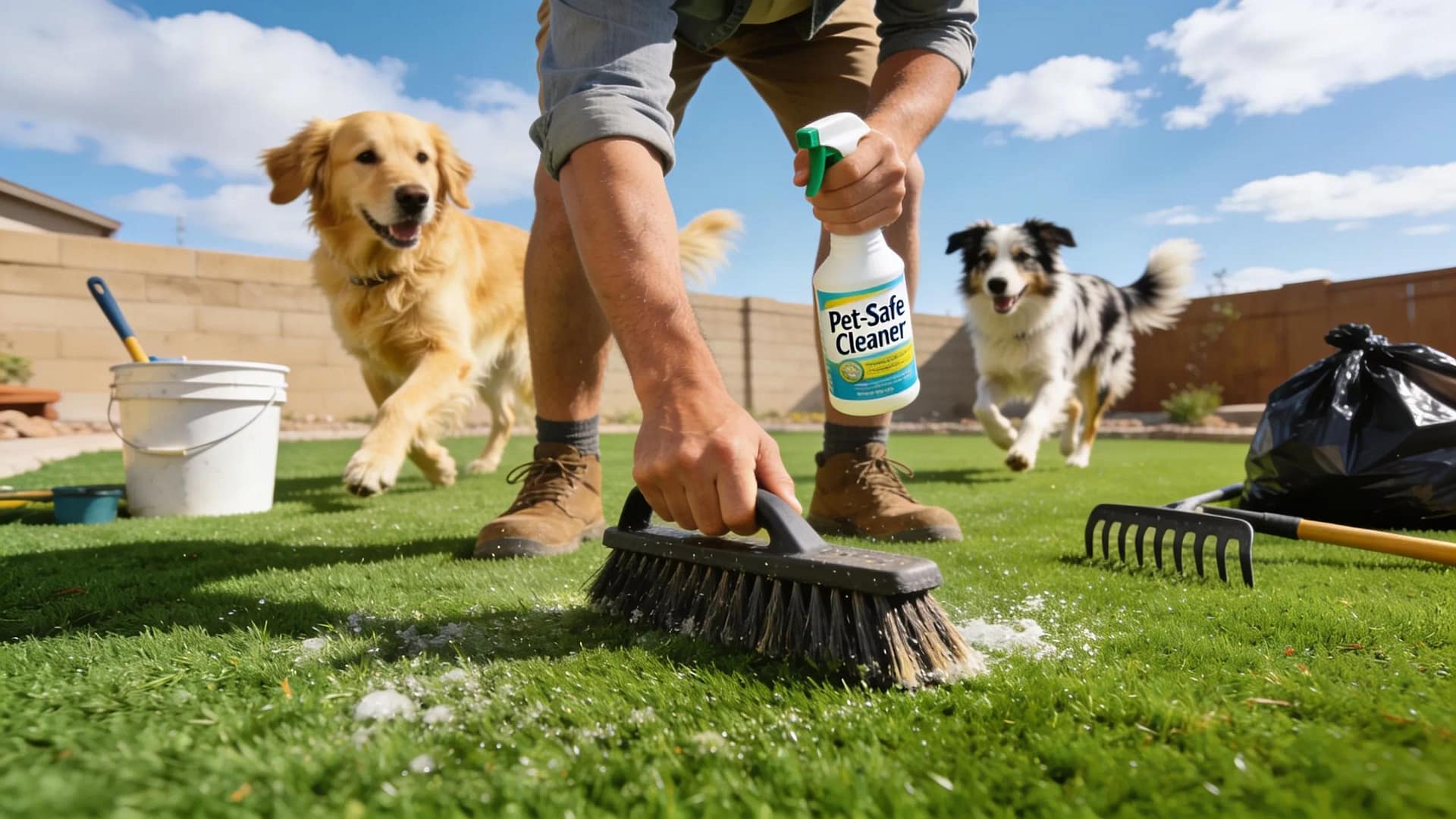
To keep artificial turf in top shape, specific maintenance tasks are necessary, especially in homes with pets. Regular waste removal is essential to maintain cleanliness and odor control. Homeowners should also brush the turf occasionally to keep the fibers upright and looking natural.
Inspections for damage are equally important; checking for signs of wear can help identify issues before they exacerbate. By following these straightforward maintenance steps, artificial turf can continue to provide a safe and enjoyable play area for pets.
How to clean and maintain pet turf for odor and damage resistance?
Cleaning methods for pet turf should focus on odor removal and damage prevention. Immediate waste removal is vital; not only does it keep the area hygienic, but it also prevents odors from developing.
Routine rinsing of the turf with water helps wash away dirt and debris that may accumulate, further mitigating potential odors. Additionally, pet-safe cleaning solutions can be used to treat stubborn spots and ensure the turf remains in pristine condition.
When is artificial turf repair necessary for pet-safe lawns?
Repairing artificial turf is essential when visible damage is evident. Signs of wear, such as tearing or pulling away at the seams, should trigger a review of the lawn’s condition. Persistent odors, even with regular cleaning, might also suggest that repair is needed.
Running a routine maintenance check can extend the life of the turf. Besides identifying any issues early on, such inspections help maintain a pleasant outdoor environment for both pets and homeowners.
What Environmental and Health Advantages Does Eco-Friendly Pet Turf Offer in Colorado?
Eco-friendly pet turf offers several advantages that cater to the needs of environmentally conscious homeowners. Firstly, it saves water due to its minimal irrigation requirements compared to traditional lawns, making it an environmentally sustainable choice.
Additionally, opting for eco-friendly turf promotes cleaner ecosystems by eliminating the need for harmful fertilizers and pesticides that can leach into local watersheds. This contributes positively to the environment while providing a safe space for pets.
How does synthetic turf reduce water use in Colorado’s drought conditions?
Synthetic turf plays a vital role in reducing water usage in Colorado, especially during drought conditions. Traditional grass lawns require regular watering, which can lead to significant water waste. In contrast, artificial grass is designed to withstand heat with no need for irrigation, substantially lowering overall water consumption.
As homeowners seek more sustainable landscaping solutions, the adoption of synthetic turf offers a responsible approach to maintaining greenery while conserving essential resources.
Why is antimicrobial and UV resistant turf ideal for pet health?
The health of pets can be significantly impacted by the conditions of their outdoor environment. Antimicrobial and UV-resistant turf helps maintain a safer space for pets by preventing the proliferation of bacteria and odors.
This type of turf not only shields pets from harmful rays but also ensures comfortable play in outdoor spaces. Investing in high-quality turf that offers these features can greatly enhance the health and wellbeing of pets.
This comparison illustrates how artificial grass stands out as a sustainable solution for Colorado homeowners seeking to create pet-friendly outdoor spaces. By understanding the benefits and needs surrounding artificial grass, owners can foster an environment that both pets and humans will love, supporting a sustainable lifestyle.