
By Dakota Carino, Artificial Grasscapes
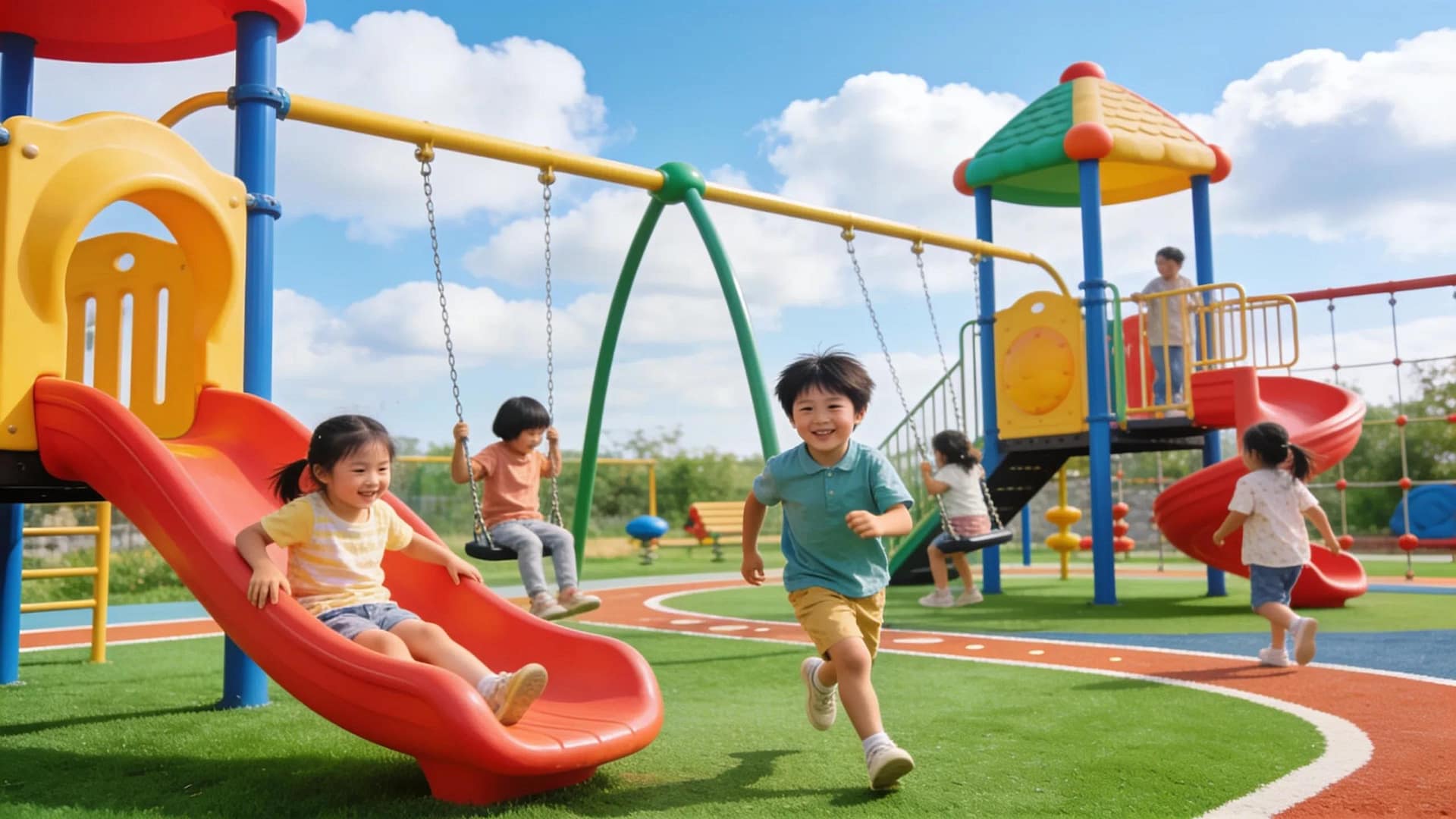
Ensuring the safety of children in play environments is paramount, and understanding the “standards that govern playground and daycare turf” is crucial. The ASTM F1292 standard specifies safety requirements for playground surfaces, particularly focusing on impact attenuation and fall height ratings. This article will delve into the importance of understanding these standards, the implications of ADA compliance for accessibility, and the benefits of choosing quality artificial grass solutions for playgrounds and daycare facilities. Addressing concerns related to injury prevention, compliance with regulations, and maintenance will provide a comprehensive resource for operators and educators seeking to enhance children’s play experiences safely. We will discuss ASTM F1292 fall height standards, impact attenuation, ADA compliance, and the valuable solutions offered in the realm of artificial grass.
What Are ASTM F1292 Fall Height Standards for Commercial Playground Turf?
ASTM F1292 establishes critical fall height standards for playground surfacing materials, determining the maximum height from which a child can fall without sustaining injury. This standard specifies the importance of impact attenuation, which measures a material’s ability to absorb energy when a child falls. Compliance with ASTM F1292 is essential, as it serves as a guideline for surfacing materials used in playgrounds, ensuring they meet safety specifications. Proper documentation of compliance ensures that “playground operators” can demonstrate adherence to safety standards, thereby minimizing liability and enhancing user confidence.
To provide deeper context on the technical requirements for these surfaces, the following excerpt outlines the standardized expectations for material testing.
ASTM F1292 Standards for Playground Impact Attenuation
critical height of the desired material when tested according to national standards (for example ASTM F1292 for the United States). The surfacing material should have a critical height The impact attenuation performance of materials used under indoor playground equipment at child care centers, 2001
Artificial Grasscapes specializes in commercial-grade artificial grass solutions that meet these ASTM F1292 standards. For a comprehensive quote or consultation, reach out to learn more about our offerings tailored for safe playground installations in Colorado.
How Does ASTM F1292 Define Impact Attenuation for Playground Surfaces?
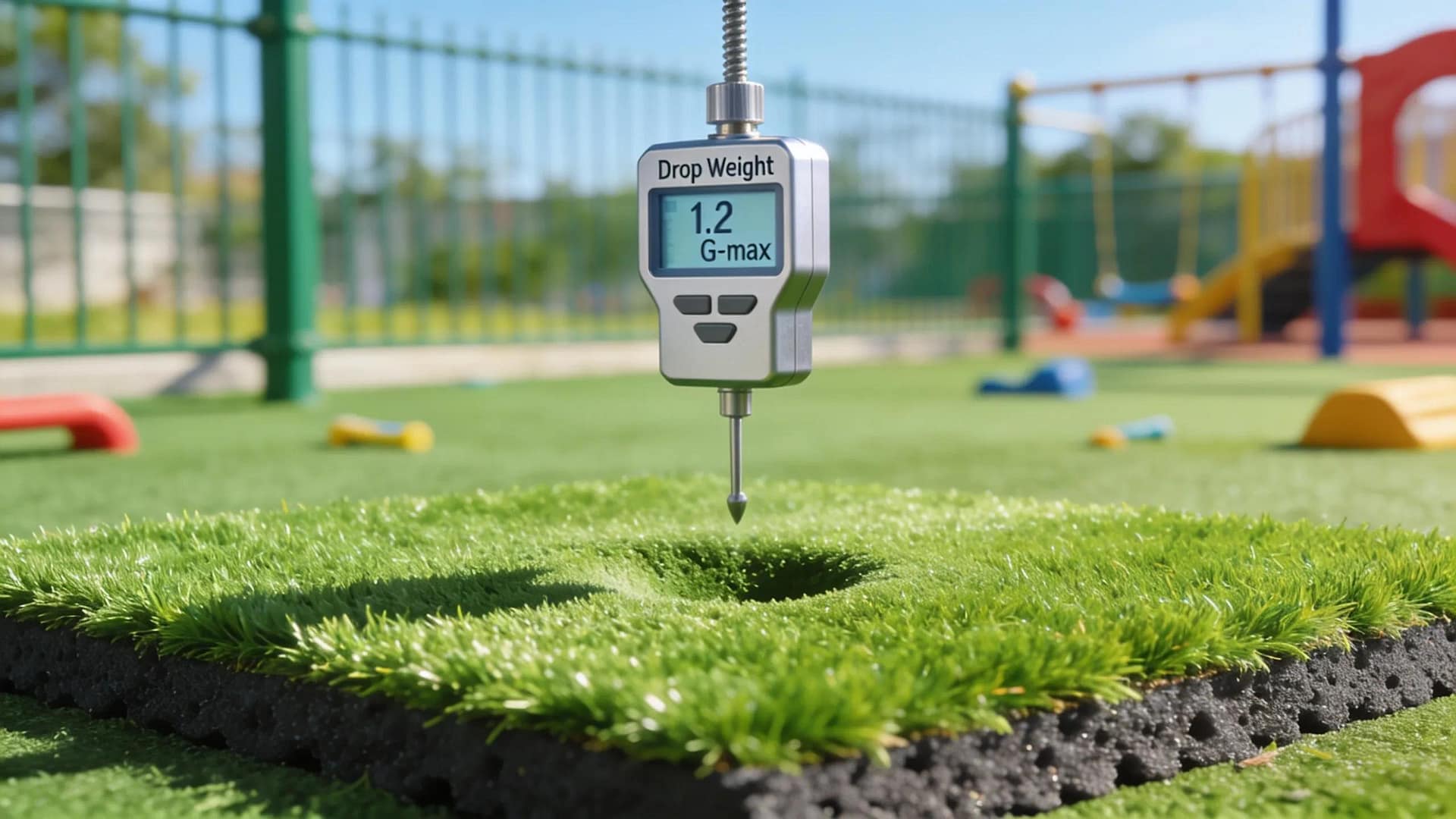
Impact attenuation pertains to the ability of playground surfaces to reduce the impact force experienced by a falling child. According to ASTM F1292, the measure of this ability is quantified through specific testing procedures that simulate real-life scenarios. By conducting tests, surfaces are rated based on their capacity to absorb shock, which ultimately plays a crucial role in safeguarding children against injuries. Properly installed surfaces that conform to these standards can significantly lessen the risk of serious injuries during falls. This understanding of “impact attenuation” highlights the necessity for operators to select compliant materials to enhance child safety in playground environments.
Why Is Fall Height Rated Turf Crucial for Playground Injury Prevention?
Fall height-rated turf is vital for minimizing injuries that may occur during falls from equipment in playgrounds. Children are naturally active and adventurous, often climbing high and engaging in physical play that poses a risk of falls. Turf that meets ASTM F1292 standards, therefore, provides a cushioning effect that mitigates the forces involved in impact, subsequently reducing injury severity. Compliance with these standards assures parents and guardians that the playground environment has been designed with their children’s safety in mind. Furthermore, selections must be highlighted to ensure that surfaces in daycare and public play areas adhere to these necessary safety protocols.
How Do ADA Compliance Requirements Apply to Daycare and Playground Turf?
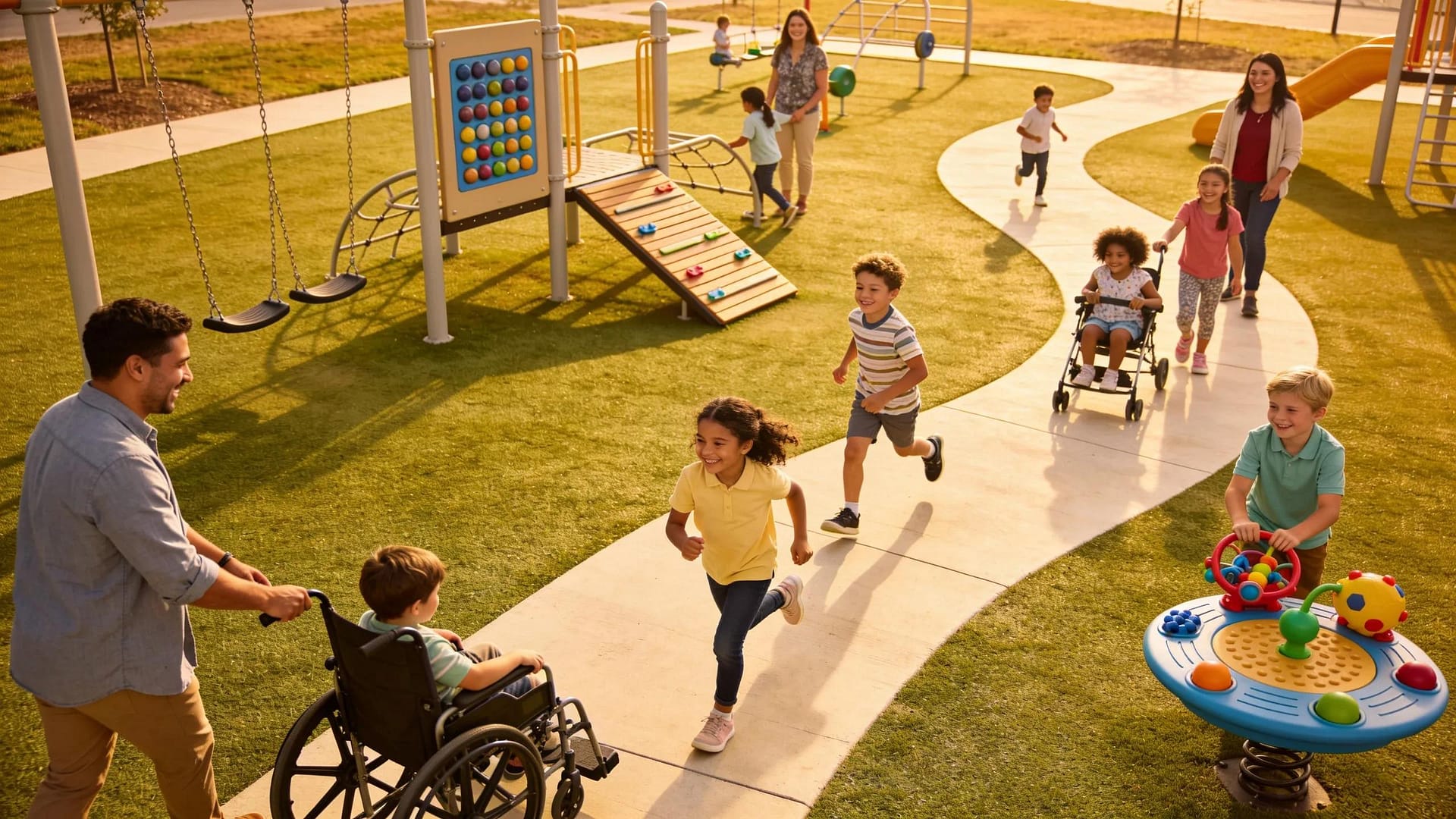
ADA compliance requirements ensure that playgrounds are accessible to all children, regardless of their physical abilities. This means that surfacing materials must provide suitable pathways and play areas for children utilizing wheelchairs or other mobility aids. Understanding ADA compliance in playground and daycare turf environments necessitates a comprehensive look at accessibility standards that govern the design and installation of surfaces. Different types of turf, when installed correctly, can enable easier access while maintaining safety standards for all children.
What Are the Key ADA Accessibility Standards for Playground Surfaces?
Key ADA accessibility standards for playground surfaces, including ASTM F1951, emphasize the need for compliance to evaluate accessibility for children with disabilities. These standards address requirements such as the following:
- Surface Firmness: Surfacing must be firm enough to support wheelchair traffic.
- Surface Stability: Ensures that surfaces do not shift, creating hazards for users.
- Minimum Width: Pathways need to be a minimum width of 36 inches to allow for safe navigation.
These accessibility standards ensure that all children, regardless of their abilities, can access playgrounds safely, promoting inclusivity and equal play opportunities.
Professional guidelines regarding these accessibility protocols are essential for ensuring that facilities remain fully inclusive for all children.
ADA Compliance and Accessibility for Artificial Turf
Accessibility: Provide artificial turf determined to be accessible when tested according to ASTM F 1951 and designed to comply with requirements for an accessible route as required by 1.03 SUBMITTALS, 1951
How Is Artificial Turf Tested to Meet ADA Compliance in Colorado Playgrounds?
Testing protocols for artificial turf in Colorado playgrounds involve evaluating surfacing materials against both ASTM and ADA compliance standards. This process requires thorough assessments of the surfacing characteristics, including shock absorption and surface stability. Rigorous testing ensures that artificial turf not only meets safety requirements but also facilitates easy access for children with disabilities. In Colorado, testing is conducted according to both state and national guidelines, instilling confidence in operators and parents regarding the safety and accessibility of play environments.
What Are the Benefits of Professional Installation of Commercial Artificial Grass?
Professional installation of commercial artificial grass provides several critical benefits, particularly in fulfilling compliance with safety and accessibility standards. The advantages include:
- Safety Improvements: Expert installation ensures proper shock absorption and compliance with ASTM F1292 requirements.
- Durability Benefits: High-quality installation extends the life span of turf, reducing the need for frequent replacements.
- Compliance Advantages: Professional services guarantee adherence to local regulations, including ADA compliance, which is essential for public and commercial settings.
These benefits, facilitated by Artificial Grasscapes’ expert services, ensure that playgrounds are not just safe and functional but also inviting environments for all children.
How Does Expert Installation Ensure ASTM and ADA Compliance?
Expert installation is crucial to ensuring that artificial turf adheres to ASTM and ADA compliance. Professionals follow best-practice guidelines that encompass various aspects:
- Material Selection: Choosing high-quality turf that meets established standards.
- Correct Installation Techniques: Implementing proper installation methods that optimize impact attenuation properties.
- Detailed Documentation: Providing compliance documentation that showcases adherence to safety and accessibility standards.
These steps collectively ensure that playground surfacing provides a safe and accessible environment for all children, thus enhancing the overall play experience.
What Local Factors Impact Installation and Turf Longevity in Colorado?
When installing artificial turf in Colorado, several local factors come into play that can affect both the installation process and the longevity of the turf:
- Climate Conditions: Colorado’s varied climate can impact the durability and performance of artificial grass. It’s vital to select materials that can withstand local weather changes.
- Soil Conditions: Assessing soil quality ensures effective drainage and turf longevity.
- Regulatory Compliance: Understanding and adhering to local regulations and codes is essential for a safe installation process.
These considerations play a significant role in determining the effectiveness and longevity of artificial turf in enhancing playground safety.
How Should Commercial Playground Turf Be Maintained to Preserve Safety and Compliance?
Maintaining commercial playground turf is vital for preserving safety and compliance with ASTM and ADA standards. Regular maintenance involves several key practices:
- Routine Cleaning: Removing debris and organic material that may affect the safety of the surface.
- Inspections for Wear: Regularly assessing the turf for signs of damage or wear ensures ongoing compliance with safety standards.
- Repair Techniques: Immediate repairs of any damaged areas can prevent safety issues from developing over time.
Implementing these maintenance best practices supports not only the aesthetic appeal of the play area but also upholds safety standards, minimizing the risk of injuries.
What Are Best Practices for Maintenance and Repair of Fall Height Rated Turf?
The following best practices should be observed to maintain the integrity of fall height-rated turf:
- Regular Inspections: Conducting routine checks for signs of wear, such as bunching or thinning areas, ensures ongoing compliance.
- Cleaning Protocols: Establishing a cleaning routine to keep the surface free from debris and contaminants is crucial.
- Prompt Repairs: Addressing any issues immediately helps preserve the safety and functionality of the surfacing.
Employing these strategies contributes to the longevity and safety of playground installations, creating an inviting space for play.
How Can Maintenance Support Ongoing ADA Accessibility of Playground Surfaces?
Maintenance not only preserves the condition of playground surfaces but also supports ongoing ADA accessibility. Key aspects include:
- Surface Stability: Regular maintenance prevents surface degradation, ensuring pathways remain level and accessible for children with mobility aids.
- Cleaning for Safety: A clean surface promotes safer navigation for all users, including those with disabilities.
- Documentation of Maintenance: Keeping records of maintenance activities ensures compliance with ADA requirements, which can be critical during inspections or audits.
Regular maintenance enhances the accessibility of playgrounds while ensuring adherence to essential safety standards.


