The ROI of Artificial Turf for Commercial Property Owners
By Dakota Carino, Artificial Grasscapes
The choice to install artificial turf in commercial properties presents numerous financial, environmental, and aesthetic benefits. This article delves into the return on investment (ROI) associated with artificial turf, examining its cost benefits, environmental impact, and long-term value for commercial property owners. As businesses strive to enhance their outdoor spaces effectively, understanding the ROI provides critical insights into the financial implications of such an investment. Through exploring various aspects, this guide will help property owners make informed decisions about artificial turf installation, focusing on savings from maintenance and water usage as well as the overall impact on property valuation. Key sections include financial returns, environmental benefits, and maintenance guidelines for artificial grass.
Financial Returns
Artificial turf offers a compelling financial proposition for commercial property owners. By comparing the initial investment with long-term savings, property managers can assess the potential for a significant return on investment. This financial analysis can include reduced maintenance and water costs, making artificial turf a practical choice for cost-conscious businesses.
Initial Investment vs. Long-Term Savings
The initial investment in artificial turf may be higher than traditional landscaping options, but the long-term savings often outweigh these upfront costs. For example, while typical installation costs can range in the thousands, property owners can expect a significant reduction in water bills, maintenance, and chemical treatments. Many users find that the installation pays for itself within a few years, with substantial savings accumulating over time.
Cost Comparison
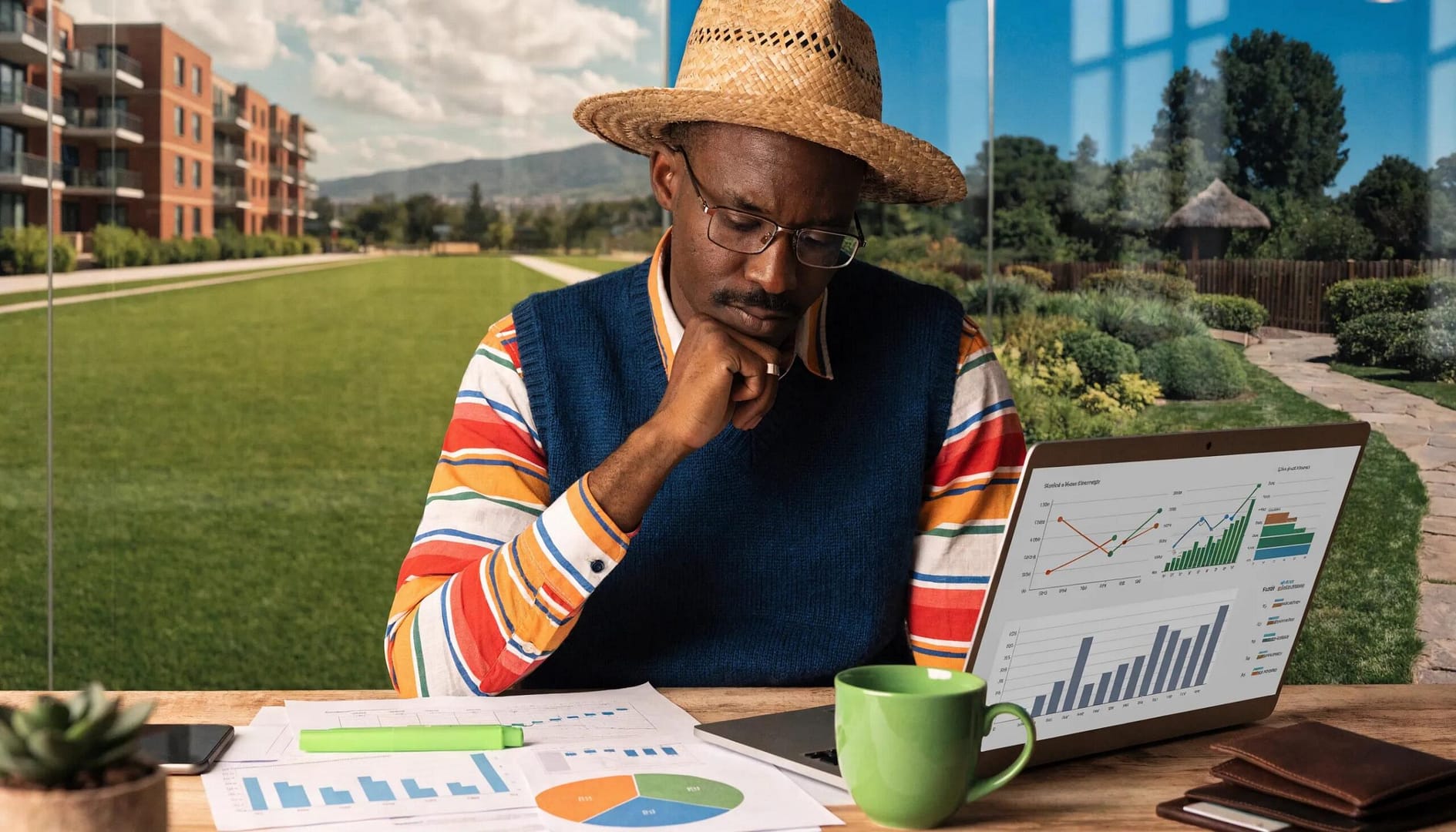
A detailed cost comparison between artificial turf and natural grass reveals substantial differences in ongoing maintenance expenses. For instance, while natural grass requires constant care—including mowing, watering, and fertilization—artificial turf needs minimal upkeep. The projected annual savings from reduced water and maintenance costs can easily reach thousands of dollars.
This table illustrates the financial advantages of artificial turf, highlighting lower yearly operational costs that contribute to a higher ROI over time.
ROI Calculators
Using ROI calculators can provide potential investors with tailored insights into the financial benefits of installing artificial turf in their properties. These tools allow for calculations based on specific property characteristics, maintenance costs, and the expected lifespan of artificial turf, which can further enhance cost-effectiveness and practicality.
Environmental Impact
Artificial turf is not just a financially prudent choice; it also has significant environmental benefits that commercial property owners can leverage. By switching to artificial turf, companies can lower their water consumption drastically and eliminate the need for chemical fertilizers and pesticides, ultimately contributing to environmental conservation.
Water Conservation
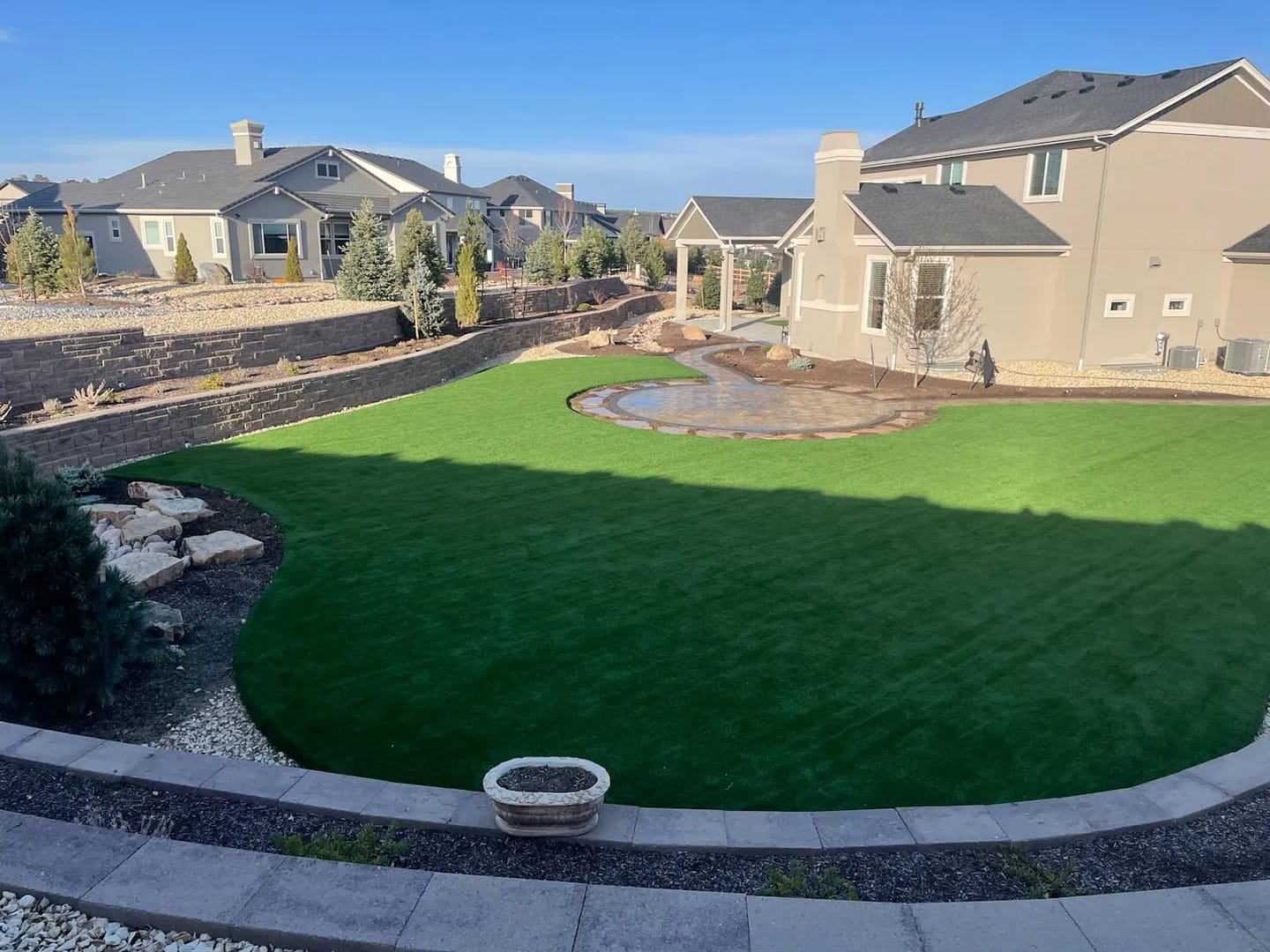
Implementing artificial turf leads to remarkable water conservation as it eliminates the need for regular irrigation. Statistics show that properties with artificial grass can save approximately 55 gallons of water per square foot annually compared to natural lawns. This conservation can be particularly beneficial in areas experiencing drought or water shortages.
Reduction of Chemicals
Artificial turf substantially reduces reliance on chemical treatments. Since synthetic grass does not require fertilizers or pesticides, it positively affects local ecosystems and water quality by preventing runoff that can lead to contamination. This ecological advantage aligns with many companies’ sustainability goals and provides an appealing layer of responsible investment.
Sustainable Materials
The production of artificial turf has evolved, with many manufacturers now using sustainable materials. This shift towards eco-friendly options demonstrates a commitment to environmental responsibility, appealing to businesses that prioritize sustainability. Companies interested in commercial landscaping can enhance their green initiatives by selecting artificial turf made from recycled materials.
Long-Term Investment Advantages
Investing in artificial turf not only yields immediate financial benefits but also enhances long-term property value and aesthetic appeal. Its durability and versatility make it a wise choice for various commercial applications.
Durability and Aesthetic Appeal
Artificial turf is designed to withstand heavy foot traffic while maintaining its vibrant appearance. This durability means that property owners won’t have to worry about wear and tear, which is often a concern with natural grass. Additionally, the aesthetic appeal of lush green turf year-round can significantly enhance the overall image of a commercial property, attracting more clients and customers.
Versatility
Artificial turf’s versatility allows it to be used in various settings, including sports fields, parks, and commercial complexes. This adaptability means that businesses can utilize synthetic grass to create unique outdoor spaces that meet different purposes while ensuring low maintenance and high durability.
Enhanced Property Value
Research indicates that properties featuring artificial turf can see a noticeable increase in value, which makes them more attractive to potential buyers or renters. The combination of low maintenance requirements and an aesthetically pleasing landscape can enhance appeal and marketability.
How Does Artificial Turf Deliver Cost Savings for Commercial Properties?
Understanding the specific cost savings provided by artificial turf installations involves examining their impact on maintenance and operational expenditures. Less frequent maintenance efforts lead to fewer labor costs and equipment use, generating additional savings for commercial property owners. Adopting artificial turf is a strategic decision that integrates well with fiscal planning.
What Are the Long-Term Maintenance Cost Benefits of Synthetic Grass?
Long-term maintenance costs for artificial turf, typically reduced to basic cleaning and occasional infill replacement, tend to be significantly lower than those for natural grass. This decrease in maintenance opens up additional funds that can be reallocated toward other business investments.
How Much Can Water Usage Be Reduced with Artificial Turf Installation?
Commercial properties can experience up to a 70% reduction in water usage by switching to artificial turf. This saving reflects both environmental sustainability and reduced utility expenses, further enhancing overall cost-effectiveness.
What Is the Typical Installation Process and Pricing for Commercial Artificial Turf?
Typically, the installation process for artificial turf involves site preparation, drainage system installation, and turf laying. While costs can vary based on property size and specific installation techniques, the average pricing for professional installation often falls within $5 to $20 per square foot.
Which Steps Are Involved in Professional Turf Installation?
Installation usually requires the following steps:
- Site Preparation: Clearing and leveling the ground.
- Drainage Installation: Ensuring proper water flow.
- Turf Installation: Laying the artificial turf while ensuring seams are properly aligned.
How Do Installation Costs Vary Across Colorado Commercial Properties?
In Colorado, installation costs can vary significantly based on geographic location and specific site requirements. Higher labor rates in urban areas might increase overall costs, while rural areas may enjoy slightly lower rates. Yet, the overall benefits in water and maintenance savings remain fundamentally advantageous regardless of location.
What Are Best Practices and Costs for Maintaining Commercial Artificial Turf?
Maintenance of artificial turf mainly includes regular cleaning and monitoring for signs of wear. Costs associated with maintenance remain minimal compared to natural grass solutions.
How Often Should Artificial Turf Be Maintained to Ensure Longevity?
Routine maintenance is recommended, including brushing the surface and removing debris, to preserve the turf’s condition and longevity. Typically, performing maintenance every few weeks is sufficient.
What Are Typical Maintenance Costs and Supplies Needed?
Maintenance supplies can include a turf rake, vacuum, and infill materials. Annual costs often fall below $500, presenting a stark contrast to traditional upkeep of natural grass.
How Does Artificial Turf Contribute to Sustainable Commercial Landscaping?
Artificial turf contributes to sustainable commercial landscaping by conserving water, eliminating chemical usage, and promoting the use of recycled materials in production. Property owners prioritizing environmental impact can align their landscaping choices with sustainability initiatives while reaping financial rewards.
What Environmental Benefits Does Synthetic Grass Provide?
The environmental benefits of synthetic grass encompass reduced water consumption, minimized chemical runoff, and habitat preservation for local wildlife. This approach supports green initiatives while offering a viable solution to ongoing environmental challenges.
Why Is Sustainable Landscaping Increasingly Important for Commercial Properties?
Sustainable landscaping solutions are increasingly relevant as businesses recognize their environmental impact. Adopting artificial turf reflects a commitment to sustainability, potentially improving brand image among eco-conscious consumers.
Are There Colorado Commercial Case Studies Demonstrating Artificial Turf ROI?
Numerous case studies exist that highlight the financial and environmental success of artificial turf installations across Colorado.
What Do Real Colorado Businesses Report About Cost Savings and Benefits?
Businesses in Colorado report significant reductions in water usage and maintenance costs after transitioning to artificial turf. For many, the return on investment realized within a few years solidifies the decision to adopt this innovative landscaping solution.
How Has Artificial Grasscapes Enhanced Property Value and Appeal?
Artificial Grasscapes has garnered positive feedback from property owners who have successfully implemented artificial turf. The professional quality of installations has contributed to improved property appeal and substantial ROI.
What Repair Services and Turf Longevity Factors Affect ROI Over Time?
Repairs may occasionally be necessary due to wear or environmental factors, but these costs are typically minor compared to traditional landscaping expenses.
How Are Artificial Turf Repairs Managed to Minimize Downtime and Costs?
Repair services for artificial turf often involve swift and simple processes, allowing property owners to maintain their investment with minimal disruption. Routine checks and timely repairs prevent more significant issues down the line.
What Is the Expected Lifespan of Commercial Artificial Turf Systems?
Commercial-grade artificial turf systems typically offer a lifespan of 15-25 years when properly maintained, providing excellent long-term value for property owners aiming for sustainable maintenance solutions.


