
Essential Maintenance Guide for Backyard Putting Greens
By Dakota Carino, Artificial Grasscapes
Maintaining a backyard putting green requires dedicated care and attention to ensure optimal playing conditions and longevity. This guide delves into essential maintenance techniques, common issues, and effective solutions specifically designed for artificial turf. As homeowners invest in these greens for leisure and enjoyment, understanding the nuances of care becomes vital. The result is not just a beautiful landscape feature, but a functional, durable putting surface that remains enjoyable for years to come. In the following sections, we will explore maintenance strategies, pitfalls to avoid, seasonal upkeep, and tips to ensure your artificial putting green remains in excellent condition.
Comprehensive Guide on Expert Care and Repair for Artificial Turf in Backyard Putting Greens
Artificial turf provides a wonderful surface for backyard putting greens; however, it still requires regular maintenance to keep its appearance and functionality intact. Homeowners should understand that proper care involves several strategies, including frequent cleaning, inspection for common issues, and knowledge of effective repair methods. By mastering these practices, residents can maintain their putting greens in top-notch condition while enjoying their investment. Regular maintenance not only maximizes the aesthetic appeal of outdoor spaces but also enhances their durability, ensuring a pleasurable golfing experience.
1. Maintenance Techniques:
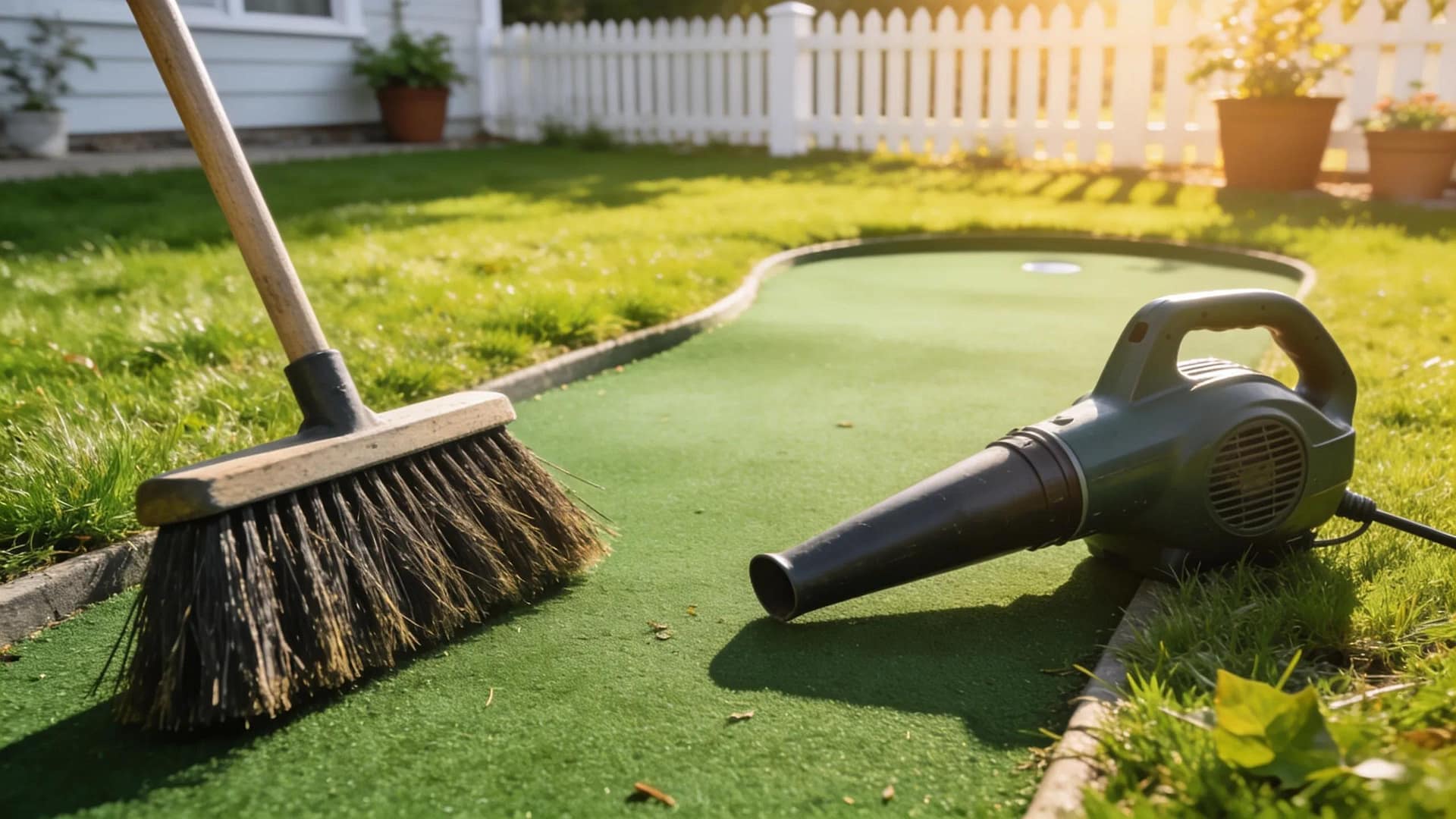
Implementing regular maintenance techniques is crucial for keeping a backyard putting green pristine and functional. Different methods cater to various upkeep aspects, such as cleaning, brushing, and maintaining the infill material that supports the artificial grass.
Regular Cleaning
Effective cleaning of your putting green is essential to prevent debris accumulation and discoloration. Regular maintenance should include:
- Frequency of Cleaning: Aim to clean your putting green at least once a week to remove debris and prevent buildup.
- Cleaning Tools: Utilize a broom or a leaf blower to clear leaves and dirt effectively.
- Debris Removal: In cases of heavy debris, a hose can be used to rinse off stubborn residues, ensuring the surface is clean and ready for use.
Brushing
Brushing plays a vital role in maintaining the turf’s appearance and playability. Homeowners should consider:
- Frequency of Brushing: Brushing should be done every few weeks to keep the turf fibers upright.
- Tools Used: A stiff-bristle broom or a power broom can be effective for this purpose.
- Desired Outcomes: Regular brushing helps prevent matting of the turf, ensuring a smooth playing surface.
Infill Maintenance
Maintaining the infill material is crucial for turf stability and performance. Homeowners should be aware of the following:
- Understanding Infill: Infill is the material, usually sand or rubber, that supports the turf blades.
- Frequency of Checks: Regular inspections should be done to ensure infill levels are adequate, especially after heavy rainfall or use.
- Importance for Turf Stability: Proper infill maintenance helps the turf maintain its shape and prevents shifting.
Following these maintenance techniques can greatly extend the life and performance of your backyard putting green.
2. Common Issues:
Homeowners may encounter several common problems with their backyard putting greens. Recognizing these issues early can help prevent more extensive damage:
- Uneven Surfaces: This can arise from improper installation or settling of the infill material.
- Visible Seams: Over time, seams may become visible as the turf settles and shifts.
- Detached Turf: Sections of turf may come loose due to improper maintenance or wear and tear, necessitating repair.
3. Effective Solutions:
Addressing these common issues promptly is essential for maintaining the integrity of the putting green:
- Repairing Uneven Surfaces: Regularly check for uneven patches; adjust the infill and stabilize the surface as needed.
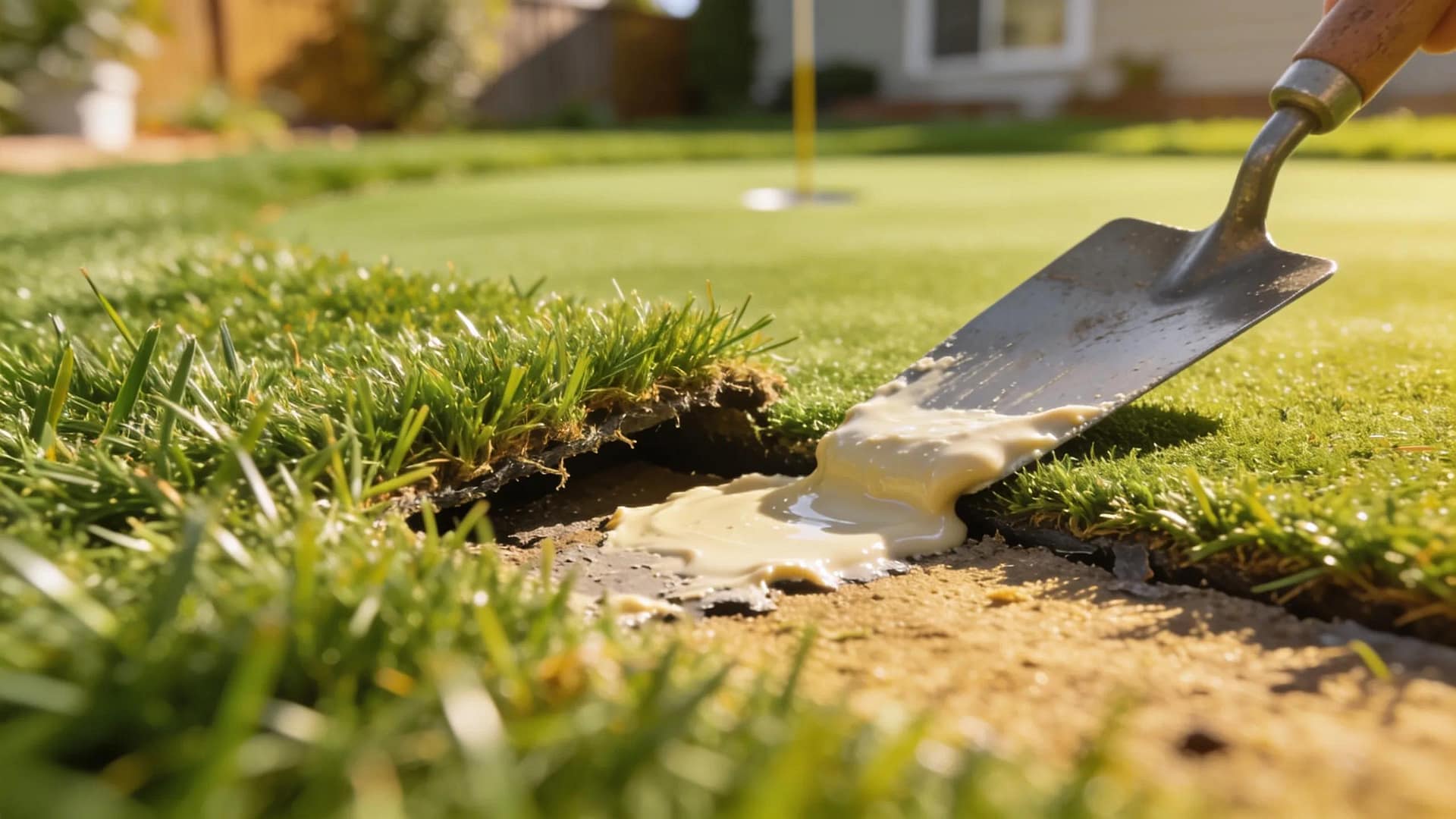
- Re-seaming Loose Edges: Ensure seams are secure; utilize turf adhesive to reattach any sections that have detached.
- Replacing Damaged Sections: For severely damaged patches, consider replacing the affected turf to restore functionality and appearance.
Artificial Grasscapes specializes in artificial turf solutions with a focus on backyard putting greens maintenance and installation, offering expert assistance for these repairs.
4. When and How to Perform Repairs:
Understanding the right timing and methods for repairs can significantly impact the effectiveness of maintaining your putting green.
- Best Timing for Repairs: Perform repairs promptly after any signs of damage are identified to prevent further deterioration.
- Repair Methods: Depending on the severity of the issue, homeowners may perform DIY repairs or consult professionals for more extensive damage.
- Consulting Professionals: Hiring experts can be beneficial for complex repairs, ensuring proper techniques are applied to restore the putting green.
5. Additional Tips for Longevity:
To enhance the lifespan of your backyard putting green, consider the following strategies:
- Occasional Rinsing: Regularly rinsing the surface can help remove odors and maintain freshness.
- Limit Heavy Equipment Use: Avoid using heavy machinery on the putting green that could disturb the turf.
- Professional Help When Necessary: Don’t hesitate to seek professional maintenance services for specialized care.
What Are the Essential Steps for Cleaning Your Backyard Putting Green?
Cleaning your artificial putting green should follow a systematic approach to maintain its condition:
- Regular Cleaning Frequency: Remember to set a schedule for cleaning, ideally weekly.
- Brushing Techniques: Use gentle brushing techniques to ensure turf fibers remain upright.
- Pet Waste Management: For pet owners, immediate removal of waste is crucial to prevent stains and odors.
How Often Should You Clean and Maintain Your Artificial Putting Green?
Implementing a consistent cleaning schedule enhances the turf’s performance and visual appeal. Aim to perform maintenance tasks as follows:
- Frequency for Cleaning: Maintain a weekly cleaning routine.
- Inspection Protocols: Conduct bi-weekly inspections to catch any emerging issues.
- Infill Maintenance Timing: Check infill levels every month, or after heavy use, to ensure continued stability.
How Can You Repair Common Damage to Your Home Golf Green Surface?
Effective repair methods for common damage include a few key practices:
- Identifying Types of Damage: Regularly inspect for loose seams or uneven areas that need repair.
- Effective Repair Techniques: Use turf adhesive for small repairs and consider replacement rolls for extensive damage.
- Maintenance Tips Post-Repair: After repairs, make sure to monitor and maintain the area to prevent recurrence of issues.
What Are Effective DIY Repair Methods for Synthetic Turf Damage?
Homeowners may opt for DIY repairs to save costs and maintain the appearance of their putting greens. Effective methods include:
- Easy Repairs for Homeowners: Small tears can be fixed with turf adhesive, while infill can be replenished as needed.
- Necessary Materials: Keep materials such as turf tape, adhesive, and extra infill on hand for quick fixes.
- When to Seek Help: Larger damages, like significant tears, may require professional assessment.
When Should You Hire Professional Backyard Putting Green Repair Services?
Understanding when to hire professionals is key to maintaining quality:
- Signs of Damage: Be vigilant of visible wear, such as uneven surfaces or severe seam exposures.
- Types of Repairs Needing Professionals: Complex repairs, including drainage issues or extensive damage, warrant expert assistance.
- Cost-Benefit Analysis: Investing in professional repairs can save money long-term by preventing further damage.
What Pet-Friendly Maintenance Tips Protect Your Putting Green From Stains and Wear?
For pet owners, maintaining a pristine putting green while accommodating pets involves strategic care:
- Regular Cleaning Schedules: Increase cleaning frequency to manage pet-related stains and odors.
- Proper Brushing Techniques: Regular brushing helps keep turf fibers upright, accommodating pet activities better.
- Infill Maintenance for Pet Areas: Ensure infill is properly maintained in pet frequent areas to prevent contoured wear.
How Do You Remove Pet Stains and Odors from Artificial Turf Effectively?
Pet ownership brings challenges, especially with cleanliness on the putting green. Effective methods include:
- Methods for Odor Removal: Vinegar solutions can effectively neutralize odors from pet waste.
- Stain Management: Quick cleanup of any deposits can prevent lasting stains on turf.
- Cleaning Products to Use: Look for enzyme-based cleaners specifically designed for synthetic turf.
What Preventative Measures Help Maintain Turf Durability in Pet-Friendly Yards?
Preventative strategies to ensure long-term durability for artificial putting greens include:
- Inspection Frequency: Regular inspections will identify early signs of wear related to pet use.
- Cleaning Routines: Keeping a consistent cleaning routine is essential for maintenance and cleanliness.
- Repair Timing: Address any wear immediately to prevent deterioration.
Which Seasonal Maintenance Practices Ensure Long-Term Performance of Backyard Putting Greens?
Seasonal practices are crucial for year-round upkeep of your putting green:
- Snow Removal Techniques: In winter, use a snow shovel to carefully clear snow and prevent compaction.
- Inspection Routines During Winter: Regular checks during winter months help catch and combat any winter-related damages.
- Frequency of Maintenance Activities: Adapt maintenance routines according to seasonal activities, such as additional cleaning in spring.
How Should Synthetic Turf Be Maintained Through Colorado Winters?
Maintaining your putting green during winter requires specific attention to detail due to the unique Colorado climate:
- Snow and Ice Management: Gently clear snow without scraping the turf, using a soft shovel to prevent damage.
- Regular Cleaning Tips: Even in winter, regularly removing dirt and debris helps prolong the life of the turf.
- Monthly Inspection Frequency: Conduct monthly inspections to identify any potential winter damage early.
What Seasonal Calendar Should Homeowners Follow for Optimal Putting Green Upkeep?
Homeowners can follow a seasonal calendar to maximize the longevity and performance of their putting greens:
- Key Activities by Season: Tailor maintenance activities such as aeration in spring and winter snow management.
- Best Practices for Maintenance: Ensure seasonal practices align with the growth cycles and weather patterns.
- Timing for Inspections: Establish regular inspection schedules throughout the year to monitor the turf’s health.