By Dakota Carino, Artificial Grasscapes
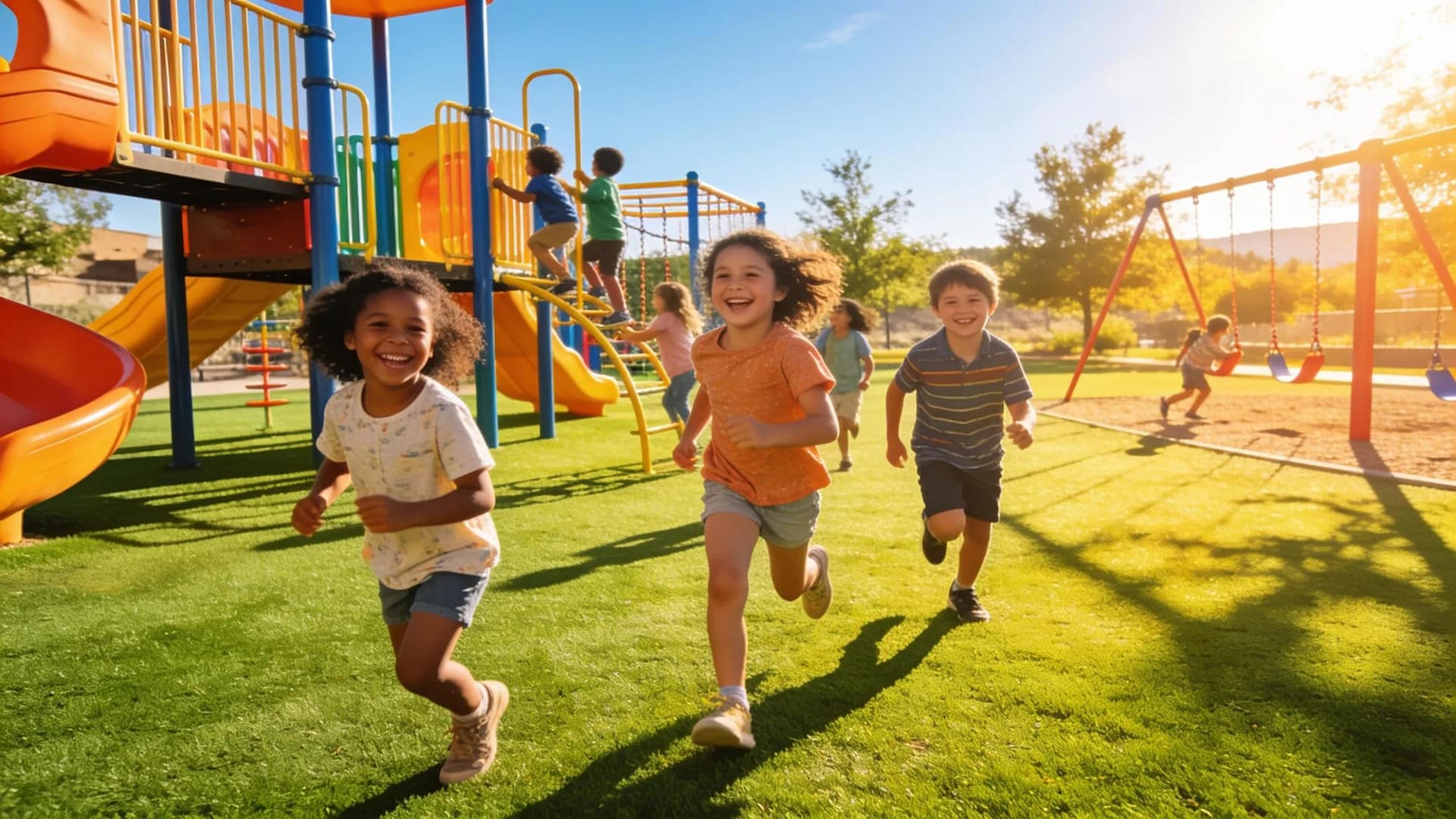
In Colorado Springs, the significance of “child-friendly artificial grass” cannot be overstated, especially for daycare and private school playgrounds. This specialized turf not only enhances play areas aesthetically but also prioritizes child safety through strict compliance with established safety standards and certifications. By integrating advanced materials, rigorous fall safety certifications, and adherence to local and municipal codes, these playground surfaces provide a secure and accessible environment for children. This article deepens the exploration of essential safety measures, fall certification requirements, and maintenance practices, emphasizing compliance with El Paso County and Colorado Springs municipal regulations, while comparing synthetic turf benefits over traditional surfaces like pea gravel and wood mulch.
Advanced Safety Measures and Material Innovations
Child safety in playground environments is paramount, and choosing the right synthetic turf incorporates several advanced features tailored for daycare and school settings in El Paso County and Colorado Springs. Key safety elements include:
- Non-toxic, Antimicrobial Infill: Utilizing infill materials such as Envirofill and TCool ensures a hygienic play surface by inhibiting bacterial growth and reducing odors. These infill types are free from harmful chemicals, aligning with safety mandates and forming a safer environment for children.
- Anti-Static Blade Technology: Reduces static electricity buildup on synthetic grass blades, preventing static shocks to children and lowering dust attraction, which is particularly beneficial in arid Colorado climates.
- High-Quality Synthetic Fibers: Designed for durability and softness, these fibers minimize skin abrasions and provide a natural feel underfoot, improving safety and comfort.
Professional installation services, like those offered by “Artificial Grasscapes”, ensure these materials are correctly applied to maximize safety while meeting strict local safety codes.
Comprehensive Fall Certification Standards for Enhanced Protection
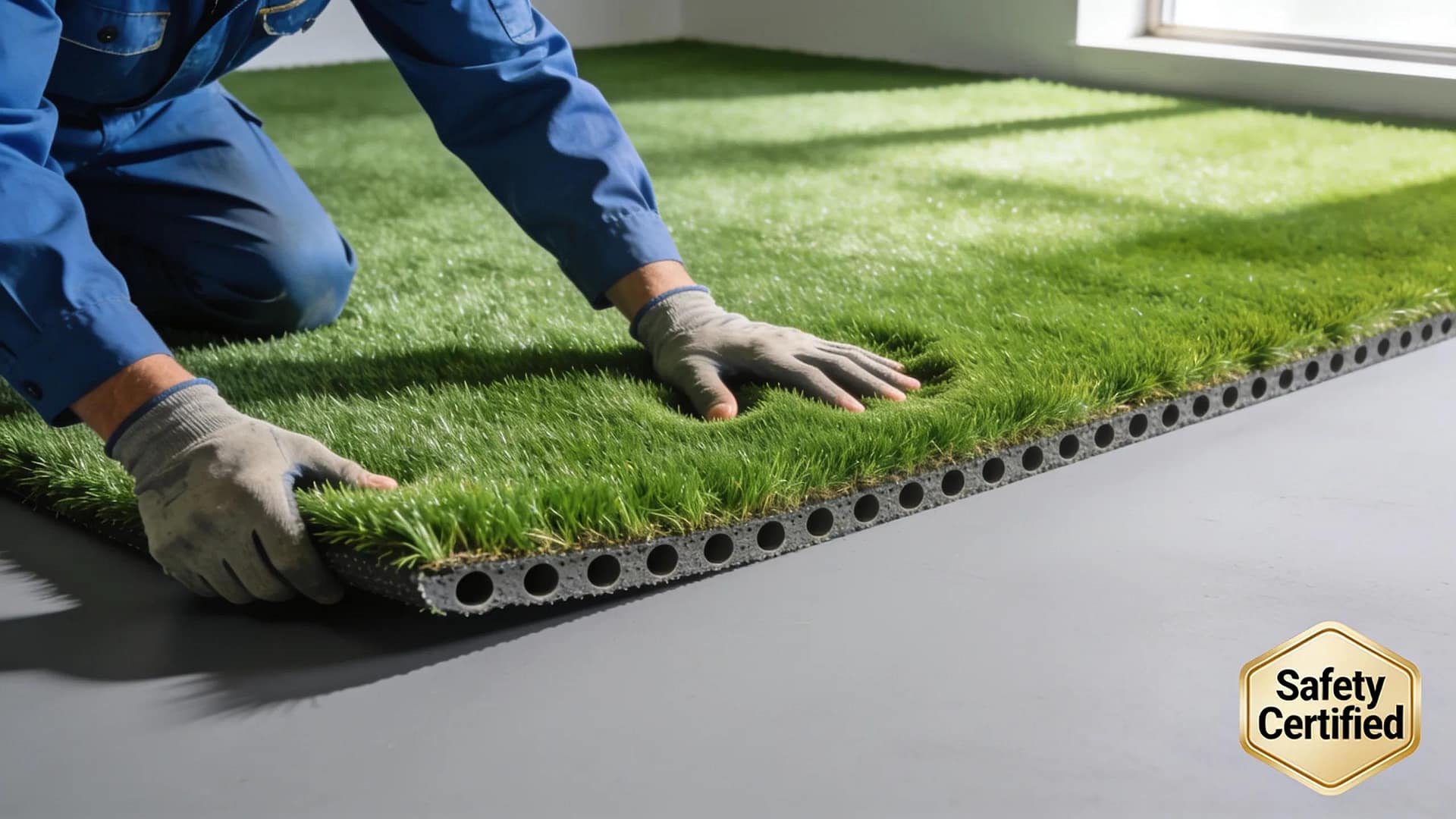
Playground fall safety is rigorously defined by internationally recognized standards, which guarantee protection for children against serious injuries from falls.
IPEMA Certification and ASTM F1292 Critical Fall Height Standards
- IPEMA Certification: The International Play Equipment Manufacturers Association provides third-party certification ensuring that playground surfacing meets or exceeds ASTM and ADA standards. Turf with IPEMA certification signifies verified compliance with safety regulations.
- ASTM F1292 Certification: This standard specifies requirements for impact attenuation of playground surfaces. Certified synthetic turf typically satisfies critical fall height attenuation up to 10 feet when installed with closed-cell foam shock pads, allowing effective cushioning against falls from typical playground equipment heights.
- Closed-Cell Foam Shock Pads: Essential beneath the turf surface, these shock pads enhance impact absorption, maintaining their performance over time despite Colorado’s extreme climate variations.
The combination of IPEMA certification and ASTM F1292 compliance ensures playground surfaces effectively reduce traumatic injuries and meet stringent safety benchmarks mandated by El Paso County and Colorado Springs municipal safety codes.
ADA Compliance for Accessibility
According to the Americans with Disabilities Act (ADA), playground surfaces must be accessible to children with disabilities. Synthetic playground turf compliant with ASTM F1951 ensures wheelchair navigability and inclusion, which is a legal requirement under Colorado Springs municipal codes. This guarantees that all children can safely and comfortably enjoy play areas.
Comparing Synthetic Turf to Traditional Playground Surfaces
When evaluating options for playground surfacing in Colorado Springs and El Paso County, synthetic turf offers distinct advantages over traditional materials such as pea gravel and wood mulch:
Installation and Maintenance: Critical for Safety and Sustainability
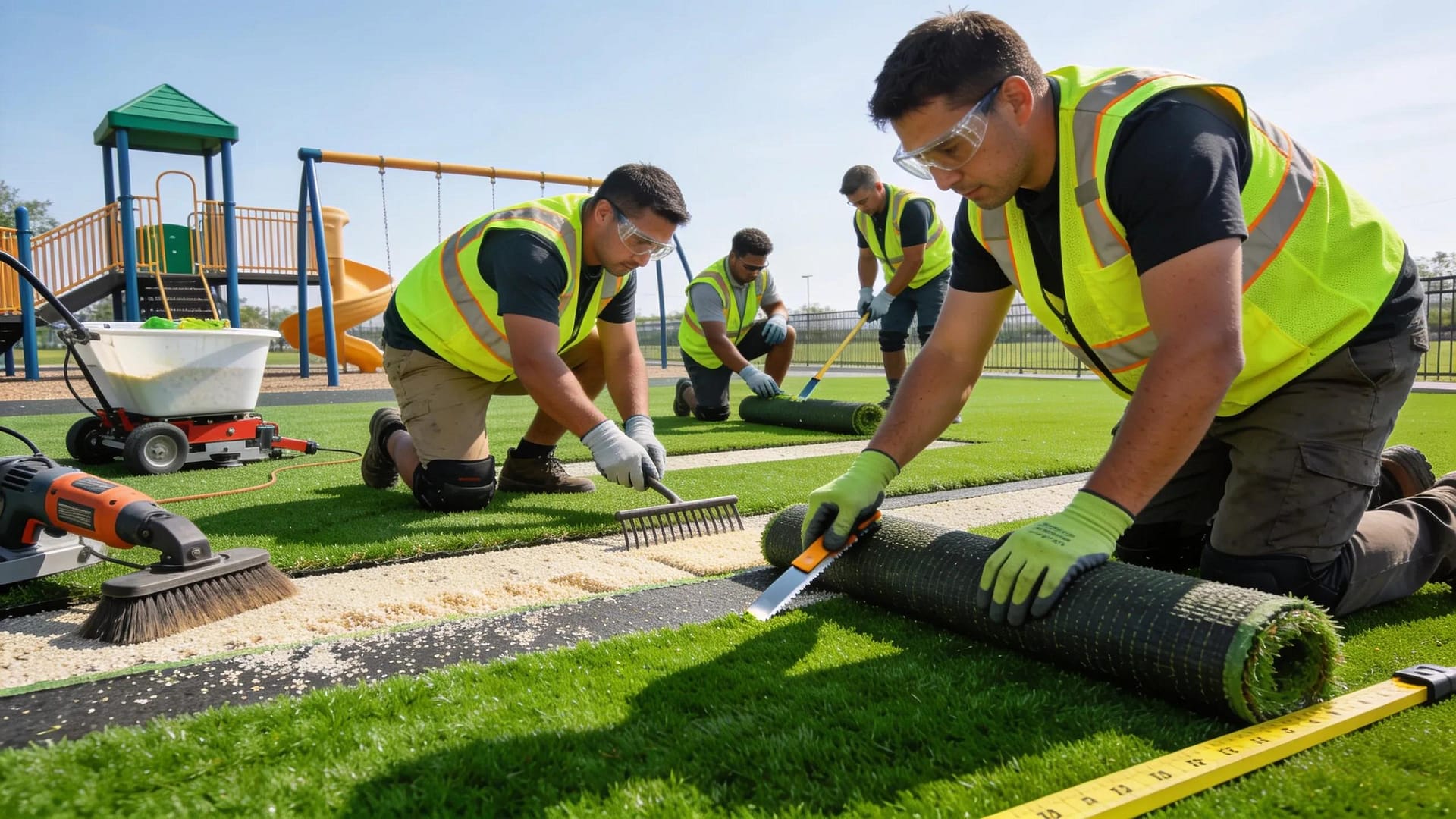
Ensuring playground turf remains safe and compliant requires expert installation and consistent maintenance adhering to El Paso County and Colorado Springs regulations. Key factors include:
- Expert Base Preparation: Proper site grading, compaction, and drainage installation prevent uneven surfaces and water pooling that could compromise safety and turf longevity.
- Seamless Turf Installation: Careful joining of turf sections eliminates tripping hazards and maintains uniform impact absorption.
- Routine Inspection and Repairs: Bi-annual assessments detect wear, infill displacement, or damage. Prompt repairs ensure continued compliance with fall attenuation and accessibility standards.
- Shock Pad Integrity Maintenance: Regular validation of shock pad condition is essential, as these layers underpin critical fall height attenuation.
Artificial Grasscapes dedicates specialized maintenance services, including cleaning, repairs, and certifications, to uphold playground safety and visual appeal year-round.
Adapting Certified Playground Turf to Colorado’s Climate
Colorado’s climate, characterized by intense sun exposure, variable temperatures, and significant snowfall, requires playground surfacing that can withstand these conditions without compromising safety or aesthetics. Certified playground turf installed with high-quality UV protection, durable fibers, and efficient drainage systems is engineered to resist fading, reduce surface temperature, and prevent water accumulation following Pikes Peak snowmelt, ensuring safe and accessible play environments throughout the year.
Professional Installation Enhancing Compliance and Safety
Professional installers like Artificial Grasscapes understand the nuances of Colorado Springs and El Paso County safety codes and federal standards. Their expertise includes:
- Performing detailed site evaluations for optimal drainage and impact absorption.
- Implementing state-of-the-art shock pad systems for up to 10-foot fall attenuation compliance.
- Ensuring ADA accessible pathways and surfaces.
- Meeting or exceeding local municipal safety codes through certified materials and installation practices.
- Providing professional documentation and certification to satisfy regulatory inspections.
Daycare Playground Turf Installation Steps
- Site Assessment: Analyze terrain, existing safety hazards, and drainage needs.
- Base Preparation: Excavate and level ground, install drainage layers and compactable base materials.
- Shock Pad Installation: Lay closed-cell foam shock pads to meet ASTM F1292 fall heights.
- Artificial Turf Placement: Roll out turf, cut and seam accurately to fit the area.
- Infill Application: Apply non-toxic antimicrobial infill materials like Envirofill or TCool engineered for safety and durability.
- Final Inspection: Assess surface uniformity, safety compliance, and accessibility features.
Why Choose Certified Playground Turf Installers in Colorado for Best Results?
Certification in playground turf installation ensures installers possess specialized knowledge and skills for meeting safety, durability, and accessibility requirements. Certified installers bring:
- Extensive training on ASTM, IPEMA, and ADA standards.
- Expertise with materials optimized for antimicrobials, anti-static properties, and closed-cell foam shock pads.
- Clear understanding of El Paso County and Colorado Springs municipal safety codes and regulations.
- Professional guarantees and post-installation support services.
Artificial Grasscapes is a trusted certified installer providing all these benefits, ensuring playground environments that meet the highest safety and quality benchmarks.
Maintaining and Repairing Child-Safe Synthetic Turf for Safety and Appearance
Maintaining synthetic turf playground surfaces involves proactive care designed to preserve safety, aesthetics, and compliance over time, including:
- Regular cleaning to remove debris and contaminants.
- Inspections for seam integrity and surface wear.
- Shock pad assessments to verify impact attenuation capabilities remain within compliance.
- Timely repairs to damaged areas, including infill replacement and blade rejuvenation.
- Special treatments to sustain antimicrobial efficacy and minimize static buildup.
Artificial Grasscapes offers comprehensive maintenance programs tailored for the demands of Colorado Springs climates and playground regulations.
Best Practices to Prolong ASTM Certified Turf Safety
- Bi-annual inspection cycles aligned with seasonal weather changes and usage intensity.
- Regularly flushing and decompacting infill materials to maintain cushioning and drainage.
- Monitoring and repairing damage caused by UV exposure and physical wear.
- Maintaining drainage systems to prevent water pooling and freeze-thaw damage.
Scheduling Repairs to Meet Playground Safety Standards
Prompt repair scheduling is imperative upon detection of:
- Seam separations or raised edges causing tripping hazards.
- Areas where shock absorption is compromised, as indicated by hard spots or surface compaction.
- Damage due to weather events, including storms or rapid snowmelt runoff.
- Antimicrobial infill degradation or displacement that could encourage bacterial growth.
Engaging specialized professionals like Artificial Grasscapes ensures repairs adhere to all relevant standards and help maintain certification status.
Frequently Asked Questions (FAQ)
What is the significance of IPEMA certification for playground turf?
IPEMA certification verifies third-party testing of playground surfaces against ASTM and ADA standards, ensuring installation safety, impact attenuation, and accessibility compliance. It provides assurance to schools and daycare centers that their playground surfacing meets recognized safety benchmarks.
How does ASTM F1292 certification protect children on playgrounds?
ASTM F1292 defines impact attenuation criteria for playground surfaces, requiring that turf systems safely absorb impact energies from falls up to specified critical heights, commonly up to 10 feet when paired with closed-cell foam shock pads. This reduces the severity of injuries resulting from falls.
Are synthetic turf playgrounds ADA accessible?
Yes. Certified synthetic turf systems comply with ASTM F1951 standards for accessibility, ensuring surfaces are firm, stable, and navigable by wheelchairs and other mobility devices, fulfilling ADA requirements.
What local regulations affect playground turf in Colorado Springs and El Paso County?
Local regulations mandate compliance with ASTM safety standards, IPEMA certification, and ADA accessibility. Additionally, installation must satisfy municipal safety codes regarding playground surfacing materials, fall zone depth, drainage, and ongoing maintenance documentation.
How does synthetic turf compare with pea gravel and wood mulch for playgrounds?
Synthetic turf offers significantly reduced maintenance, eliminates risks related to splinters and loose materials, provides superior drainage especially after heavy snowmelt from Pikes Peak, and ensures year-round usability. In contrast, pea gravel and wood mulch require frequent replenishment, can shift or compact, and potentially harbor injury risks.
How is drainage managed for synthetic playground turf in Colorado’s climate?
Professional installations include sub-base drainage layers beneath the turf and shock pads, designed to channel water efficiently even after snowmelt or heavy rainfall. This prevents standing water, preserving safety and surface usability.
