By Dakota Carino, Artificial Grasscapes
As winter approaches, retail and office centers face unique challenges when it comes to maintaining their outdoor spaces. The transition from vibrant fall colors to the starkness of winter can adversely impact the aesthetics and functionality of these areas. Commercial artificial turf installations present a robust solution to enhance curb appeal and ensure durability against the winter elements. In this article, we’ll explore the benefits, installation processes, and maintenance strategies for commercial turf that can transform outdoor spaces before winter sets in. By discussing the cost factors and return on investment associated with these upgrades, we aim to provide a comprehensive understanding of how artificial turf is an advantageous choice for retail and office centers.
What Are the Benefits of Commercial Artificial Turf for Retail and Office Centers in Winter?
Commercial artificial turf offers several compelling advantages suited for the winter season, providing not only visual appeal but also practical functionality.
- Durability: Artificial turf is designed to withstand harsh winter conditions, resisting wear and tear from heavy foot traffic and snow accumulation.
- Maintenance Requirements: With its low-maintenance nature, artificial turf requires minimal upkeep compared to natural grass, reducing the need for winter care routines.
- Cost Savings: The implementation of artificial turf can lead to significant savings in maintenance and water costs over time.
- Aesthetic Appeal: A well-maintained turf area enhances the overall appearance of retail and office environments, making them more inviting during the colder months.
Additionally, opting for a high-quality turf installation provides an immediate upgrade to curb appeal, making it an attractive feature for businesses and their clientele during the winter months. Artificial Grasscapes specializes in providing tailored artificial turf options that can seamlessly integrate into commercial properties in regions like Colorado.
How Does Artificial Turf Enhance Winter Curb Appeal and Durability?
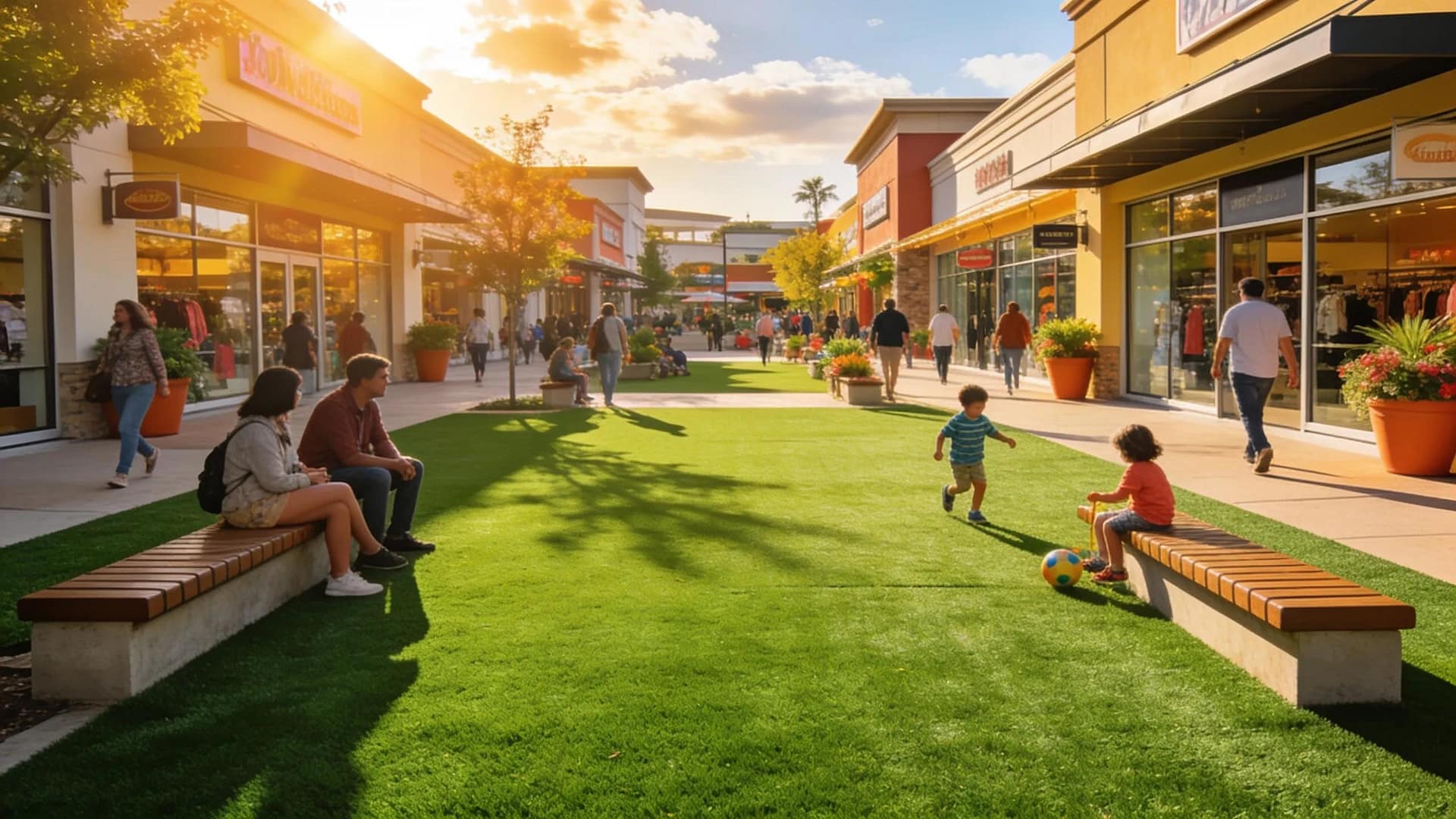
Artificial turf significantly improves winter curb appeal through its vibrant, green appearance, even in gray weather conditions. It maintains a lush look that natural grass often lacks during colder months, reflecting a well-kept property. Furthermore, it is engineered for durability, effectively resisting freezing temperatures and the weight of snow, which can crush natural grass.
Not only does artificial turf provide year-round aesthetics, but it also requires less water and fertilizers, thus minimizing environmental impact. The turf’s material allows for adequate drainage, preventing waterlogging and ensuring that surfaces remain functional even during heavy precipitation. By preserving a pristine look throughout winter, businesses can convey a message of care and quality that enhances their overall reputation.
Why Choose Low Maintenance, Pet-Friendly Turf for Commercial Properties?
Selecting low maintenance and pet-friendly artificial turf offers multifaceted benefits for commercial properties. Such installations not only provide an appealing landscape but also cater to pet owners, ensuring that their furry friends have a safe environment. This aspect can attract more visitors looking for pet-friendly spaces.
Low maintenance turf requires minimal effort for upkeep, as it does not need mowing, watering, or fertilizing, significantly cutting down on operational costs and efforts. Additionally, many formulations incorporate antimicrobial properties to reduce odors and bacteria, creating a cleaner environment for all users. Thus, investing in pet-friendly turf not only enhances the aesthetic value but also contributes to a healthier community environment.
How Is Commercial Synthetic Turf Installed for Optimal Winter Performance in Colorado?
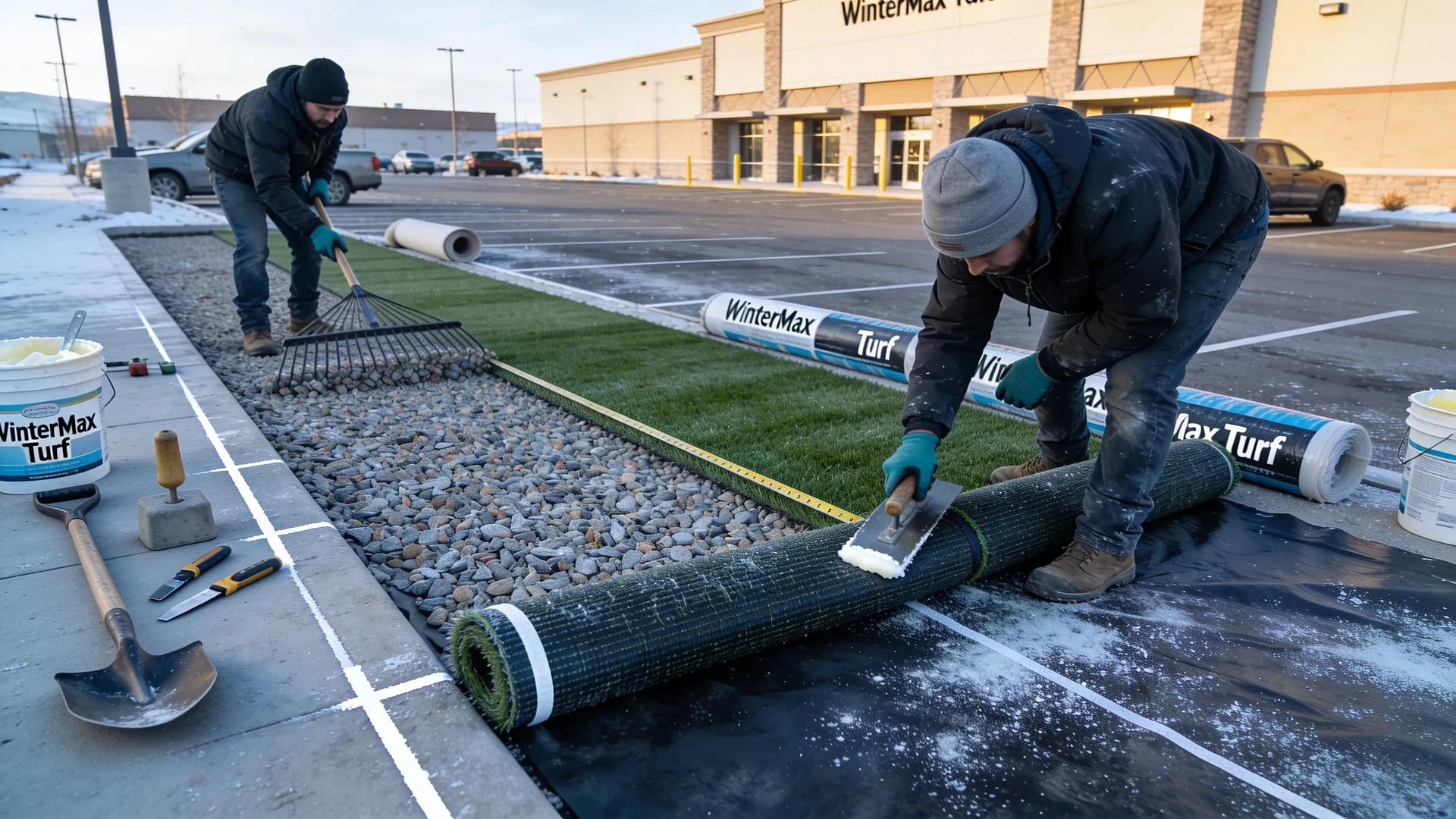
Focusing on the installation of commercial synthetic turf specifically for the Colorado climate ensures optimal performance and longevity, especially during winters characterized by snow and ice.
- Ground Preparation Steps: Proper installation begins with adequate site preparation, including soil testing and grading to facilitate effective drainage.
- Recommended Materials: Choosing high-quality turf materials designed for cold climates guarantees durability and resilience against freezing temperatures.
- Climate-Specific Installation Techniques: Installing artificial turf requires techniques adapted to ensure that seams remain secure and that the surface drains adequately during storms.
This precise preparation and installation process fosters a reliable outdoor area that continues to perform well, even under the stresses of winter weather.
What Is the Step-by-Step Installation Process for Retail and Office Center Turf?
The installation of commercial turf follows a systematic process to ensure a high-quality result. Here’s a breakdown of the typical steps involved:
- Consultation and Planning: Initial consultations help to assess the specific needs and preferences of the property.
- Site Assessment: Evaluating soil quality and drainage conditions guides the choice of materials and installation approach.
- Installation Steps: Laying the turf, securing seams, and infilling with materials to provide stability and support for foot traffic.
- Finishing Touches: After installation, a thorough inspection ensures that everything is functioning as intended, adjusting for optimal drainage and appearance.
This structured approach guarantees a high-quality installation tailored to withstand the unique conditions of the Colorado climate.
Which Materials and Techniques Ensure Turf Durability in Colorado Winters?
To guarantee longevity in turf installations, selecting the appropriate materials is crucial. Noteworthy components include:
- Quality Turf Products: Polyethylene blades, designed to mimic natural grass, offer durability while maintaining an attractive appearance.
- Drainage Solutions: Implementing comprehensive drainage systems helps manage water flow and resist freezing that can compromise the turf.
- Infill Materials: Using rubber or sand infills contributes to the stability and soft feel of the turf, making it functional and user-friendly.
By combining these materials and techniques, installers can create an artificial turf environment that thrives despite the winter challenges it may face.
What Are Effective Winter Maintenance and Repair Strategies for Commercial Turf?
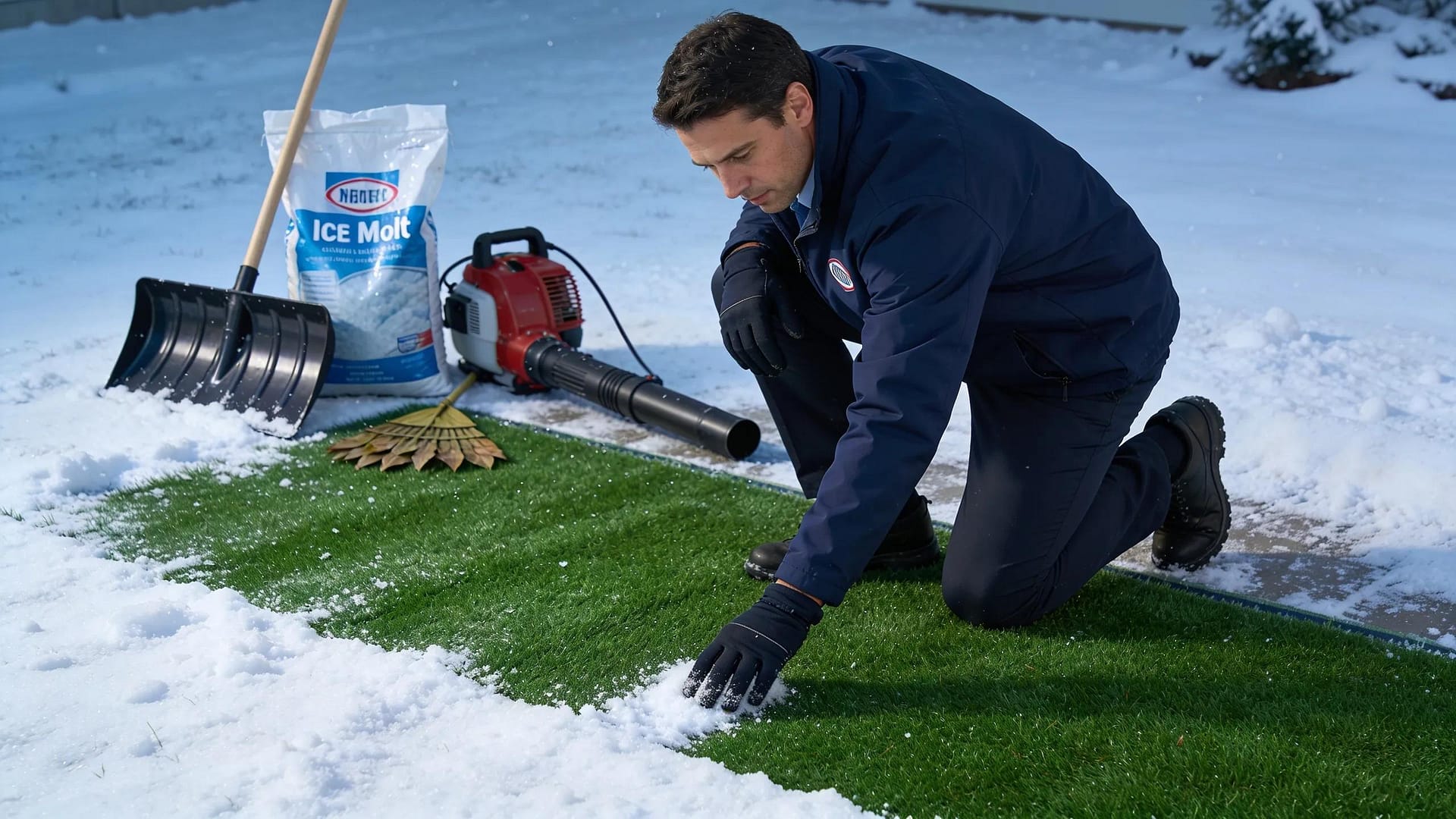
Employing effective winter maintenance strategies for commercial turf is vital to prolonging its lifespan and maintaining visual appeal. Regular inspections throughout the winter season can catch issues early and ensure that the turf remains in ideal condition.
- Routine Inspections: Schedule checks for wear, water drainage, and any signs of damage, especially after snowmelt or heavy storms.
- Common Issues to Address: Watch for areas that may need infill replenishment or turf repairs if they become damaged due to heavy use or severe weather.
- Seasonal Maintenance Tips: Clear snow accumulation promptly and avoid the use of sharp tools that could tear the turf.
By adhering to these maintenance practices, property managers can ensure that their turf installations continue to deliver the desired aesthetic and functional benefits.
How Should Commercial Turf Be Maintained to Withstand Seasonal Weather?
Maintaining commercial turf during winter involves several best practices to ensure it withstands fluctuating weather conditions:
- Routine Cleaning: Regular debris removal and cleaning of the surface promote maximum drainage and reduce organic matter build-up.
- Infill Maintenance: Ensuring that infill materials remain evenly distributed helps the turf perform consistently under varying conditions.
- Avoiding Heavy Loads: Limit excessive weight on the turf from snow and ice, as prolonged pressure can lead to deformation or damage.
These practices help maintain the pristine look and functionality of the turf throughout the winter season.
When and How Are Repairs Best Conducted to Maximize Turf Longevity?
Turf repairs should be timely and strategic to ensure maximum longevity and performance. The best practices include:
- Timing of Repairs: Address any damage promptly after experiencing severe weather or heavy usage, ideally when temperatures allow for flexible work.
- Maintenance Strategies: Incorporate thorough checks for wear and any tears that need addressing before they become larger issues, ensuring continuity in appearance and function.
- Best Practices: Utilize patches compatible with existing turf for repairs, maintaining the aesthetic uniformity of the installation.
Addressing repairs effectively can prolong the lifespan of commercial artificial turf and enhance the overall experience for users.
What Are the Cost Factors and Return on Investment for Turf Upgrades in Retail and Office Settings?
Understanding the costs associated with artificial turf installation and the potential return on investment can help businesses make informed decisions regarding their landscaping choices.
- Initial Installation Costs Comparison: Generally, the upfront costs for installing artificial turf can be higher than traditional landscaping; however, the long-term savings in water and maintenance often balance the initial investment.
- Maintenance Costs Savings: Due to the reduced requirement for ongoing maintenance, artificial turf installations offer significant savings over the years.
- Return on Investment: Many businesses see a higher return due to the improved aesthetic value and functionality of their outdoor spaces, which can lead to increased customer traffic.
Through a high-quality installation process and comprehensive cost analysis, businesses can greatly benefit from turf upgrades, transforming their properties into inviting spaces year-round.
How Do Turf Installation and Maintenance Costs Compare to Traditional Landscaping?
When comparing the costs of turf installation and maintenance versus traditional landscaping, several key factors emerge:
This comparison highlights how artificial turf can offer a sustainable, cost-effective alternative to traditional landscaping, particularly when assessed over the long term.
What Financial Benefits Do Commercial Properties Gain from Synthetic Turf Upgrades?
Investing in synthetic turf provides several financial benefits for commercial properties:
- Overall Cost Savings: Reduced maintenance and water costs lead to significant savings in the long run.
- Enhanced Property Value: Attractive landscaping directly impacts property value, drawing in more customers and tenants.
- Traffic and Revenue Increases: Aesthetic improvements often correlate with increased foot traffic, leading to greater sales opportunities.
Evaluating these financial aspects can demonstrate a clear pathway for businesses considering upgrading to artificial turf, showcasing its potential as a wise investment.


