By Dakota Carino, Artificial Grasscapes
The “landscape of commercial turf subcontracting” in Colorado Springs requires an in-depth understanding of the general contractor’s (GC) roles and specifications regarding synthetic turf installation. This guide reveals critical elements such as the GC’s responsibilities, best practices for installation, maintenance, and strategies to maximize efficiency. Many contractors face challenges ensuring compliance with industry standards, which can lead to disputes and inefficiencies. By understanding the comprehensive scope of work and adhering to best practices, subcontractors can enhance project quality and satisfaction. This article dissects these components through various sections: starting with the GC’s scope and responsibilities, moving to best practices for installation, and concluding with effective maintenance scheduling and project efficiency strategies.
What is the General Contractor’s Scope in Commercial Turf Subcontracting?
The general contractor’s scope in commercial turf subcontracting encompasses a range of responsibilities essential for project success. This scope defines the execution of high-quality turf installation while adhering to compliance specifications. A detailed understanding of these responsibilities ensures that subcontractors can collaborate effectively with GCs to achieve project objectives. The scope also plays a vital role in outlining specific obligations related to quality assurance, project timelines, and the management of resources.
Key Responsibilities of Turf Subcontractors in GC Projects
Turf subcontractors are expected to fulfill several key responsibilities that are integral to the successful execution of turf projects. These responsibilities include:
- Quality Assurance: Subcontractors must ensure that the installed turf meets all specified quality standards.
- Coordination with GCs: Effective communication and coordination with general contractors are crucial to align on project timelines and deliverables.
- Regulatory Compliance: Adherence to local regulations regarding turf materials and installation practices is essential for legal compliance and project success.
By understanding these core responsibilities, turf subcontractors can enhance the quality of their contributions while supporting the overall project scope defined by the general contractor.
How Does the GC Scope Ensure Specification Compliance for Synthetic Turf?
The general contractor’s scope provides a structured approach to ensure that synthetic turf installations comply with industry specifications. This compliance is facilitated through:
- Compliance Procedure Outlines: GCs establish clear procedures for installation and material selection that subcontractors must follow.
- Specification Benchmarks: The scope includes specific benchmarks that the turf must meet, such as durability standards and performance metrics.
- Inspection Protocols: Regular inspections are outlined, ensuring that all phases of turf installation align with the agreed specifications.
These measures help mitigate risks associated with non-compliance, fostering a streamlined installation process that meets project goals.
Technical specifications play a foundational role in defining the performance outcomes required by general contractors for high-quality installations.
Synthetic Turf Installation: Design and Material Specifications Guide
The intended use of an artificial turf installation dictates the pile or fiber material, pile length, infill material, and drainage system design. Note that sports authorities recognize other Evaluation of turfgrass replacement options: artificial turf, 2019
What Are Best Practices for Synthetic Turf Installation in Colorado Springs Commercial Projects?
Incorporating best practices into synthetic turf installation is essential for long-term success and customer satisfaction. Adhering to these practices not only guarantees high-quality results but also minimizes future complications related to maintenance and durability. The following sections will explore specific practices essential for effective installation in Colorado Springs.
Selecting Durable and Pet-Friendly Synthetic Turf Products
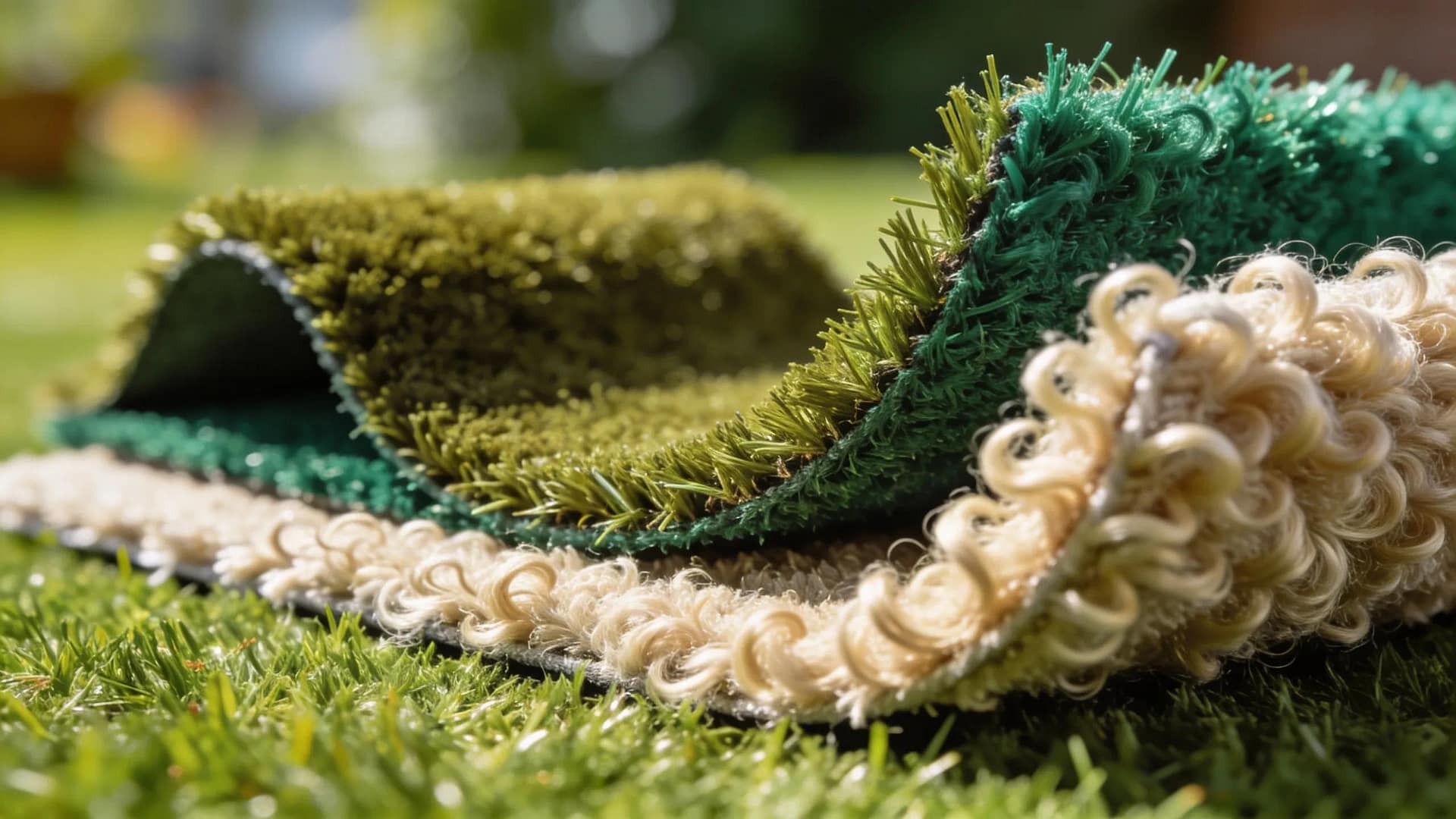
Choosing the right materials is critical in ensuring the installation of reliable and sustainable turf solutions. Key considerations include:
- Material Types: Options such as nylon, polyethylene, and polypropylene each offer unique benefits catering to different needs.
- Durability: Selecting turf with high durability ratings ensures longevity even in high traffic areas.
- Pet-Friendliness: Incorporating pet-friendly options increases the versatility of the turf, catering to a broader market segment.
After careful consideration of these factors, subcontractors can recommend solutions that balance performance and aesthetic appeal effectively. “Artificial Grasscapes” specializes in providing tailored installation services and high-quality synthetic grass solutions that meet those varying needs.
Step-by-Step Installation Process for Commercial Synthetic Turf
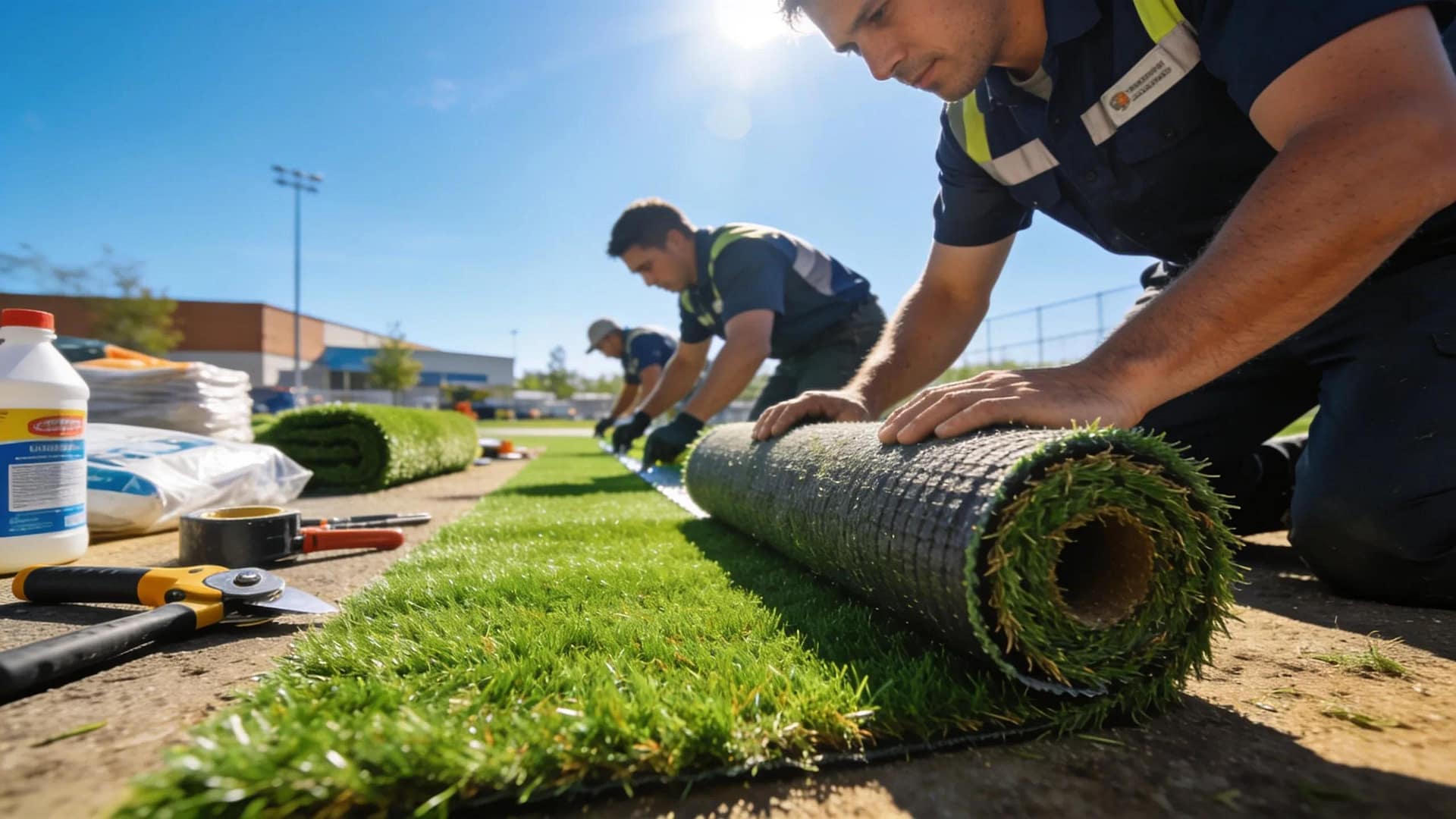
The installation process for synthetic turf is composed of several foundational steps critical to project success. Below is a holistic overview of each step involved:
- Site Preparation: Clearing the site of debris and leveling the surface is essential for proper drainage and turf performance.
- Base Installation: Creating a robust base using appropriate materials helps in achieving stability and preventing future shifting.
- Turf Placement and Infill: Proper alignment and infill application ensure the turf mimics natural grass while providing durability against wear.
Implementing these steps carefully will lead to a well-executed project that meets client expectations and complies with GC specifications.
How Are Commercial Turf Maintenance and Repair Services Scoped for Subcontractors?
Maintenance and repair are vital aspects of prolonging the life of synthetic turf installations. They ensure that the turf consistently performs at its best, providing aesthetic and functional satisfaction to clients.
Recommended Turf Maintenance Schedules for Longevity
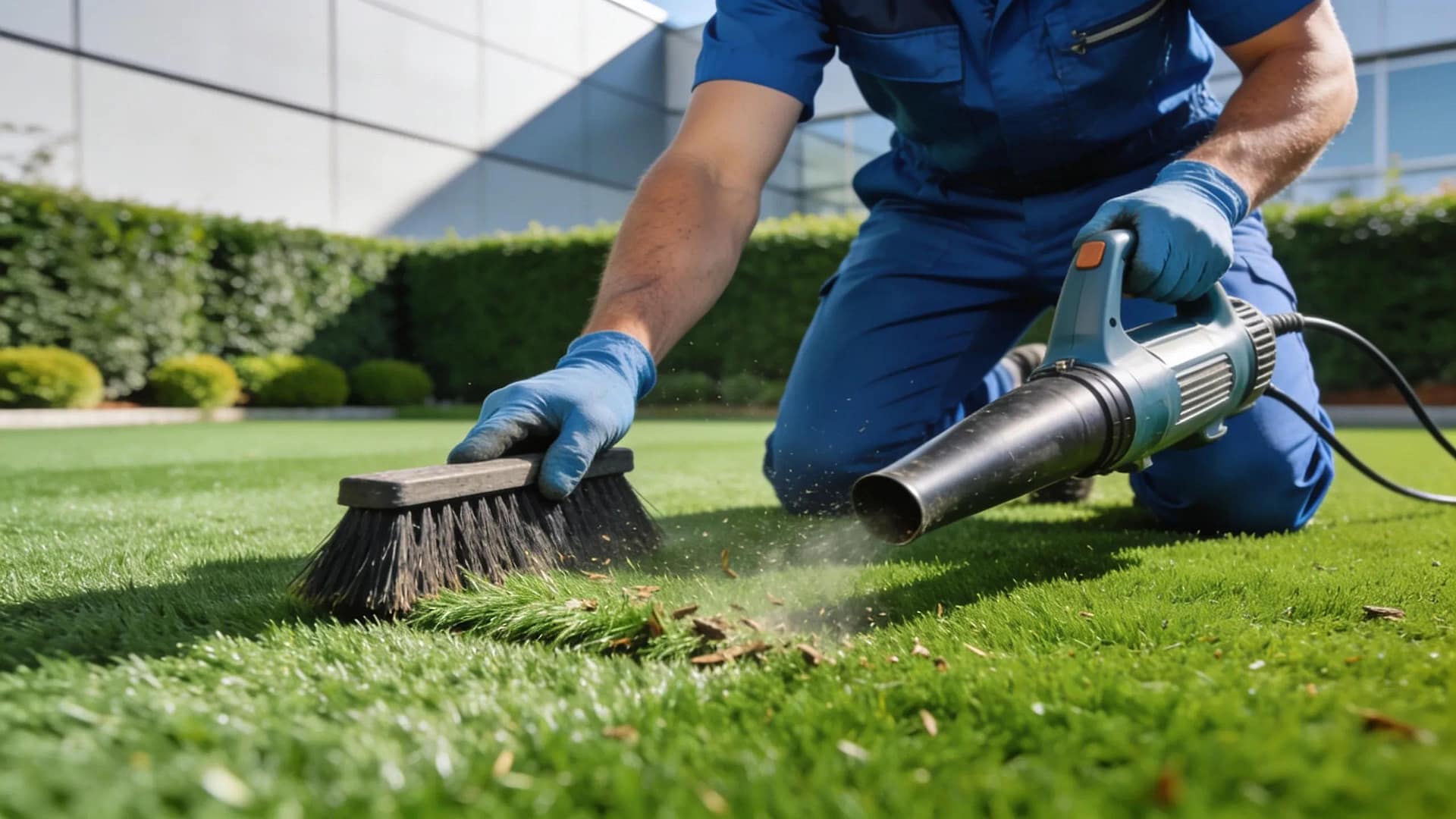
Establishing a consistent maintenance schedule for synthetic turf is recommended to ensure its longevity. The following key practices are advisable:
- Regular Inspections: Monthly checks are necessary to identify and address wear and tear before they become significant problems.
- Cleaning Protocols: Routine cleaning helps maintain turf appearance and longevity by removing debris and preventing mold growth.
- Infill Replacement: Depending on usage, replace infill materials every few years to maintain optimal turf performance.
These practices not only uphold the aesthetic appeal of the turf but also prolong its functional lifespan.
Common Repair Procedures and Subcontractor Responsibilities
Subcontractors must be well-versed in “common repair procedures” to handle any issues that may arise efficiently. Essential procedures include:
- Seam Repairs: Addressing seam integrity immediately prevents further deterioration.
- Infill Adjustment: Ensuring even infill levels supports optimal cushioning and turf performance.
- Drainage Corrections: Rectifying drainage issues prevents water accumulation that can damage the turf.
Understanding these repair responsibilities allows subcontractors to respond swiftly, maintaining project integrity and client satisfaction.
How Can General Contractors and Subcontractors Maximize Efficiency in Turf Projects?
Maximizing efficiency in turf projects involves strategic approaches to bidding, collaboration, and adherence to regulatory standards. Ensuring a smooth workflow greatly enhances productivity and optimizes resource usage across the board.
Bidding and Contracting Strategies for Commercial Turf Subcontractors
Effective bidding strategies center on accurately assessing project scope and costs. Key strategies for success include:
- Clear Proposal Specifications: Detailed proposals outlining costs and anticipated timelines foster trust and clarity.
- Collaboration with Suppliers: Establishing reliable relationships with material suppliers can lead to better pricing and timely deliveries.
- Flexible Negotiation Tactics: Adapting to the evolving needs of general contractors helps secure contracts and foster long-term partnerships.
These strategies not only streamline the bidding process but also contribute to enhanced competitiveness in the market.
Local Regulations and Environmental Considerations in Colorado Springs
Understanding local regulations is essential for successful turf subcontracting. Compliance with environmental policies ensures sustainable practices while enhancing community relations. Key considerations include:
- Conservation Policies: Being aware of and adhering to current conservation regulations can impact the selection of turf materials.
- Market Demand for Sustainability: Increasing interest in environmentally friendly materials influences project proposals and contractor practices.
- Community Standards: Local community expectations drive contractor decisions, impacting the overall approach to turf installation.
Incorporating these elements into operational practices not only supports compliance but enhances the overall reputation of subcontractors in the community.
In summary, the field of commercial turf subcontracting encompasses a detailed understanding of roles, best practices, and compliance requirements. By utilizing effective strategies throughout bidding, installation, and maintenance, contractors can foster a successful project environment that benefits all parties involved.


