Backyard Putting Green Build and Materials Guide: Expert Insights on Artificial Turf Installation and Maintenance Costs
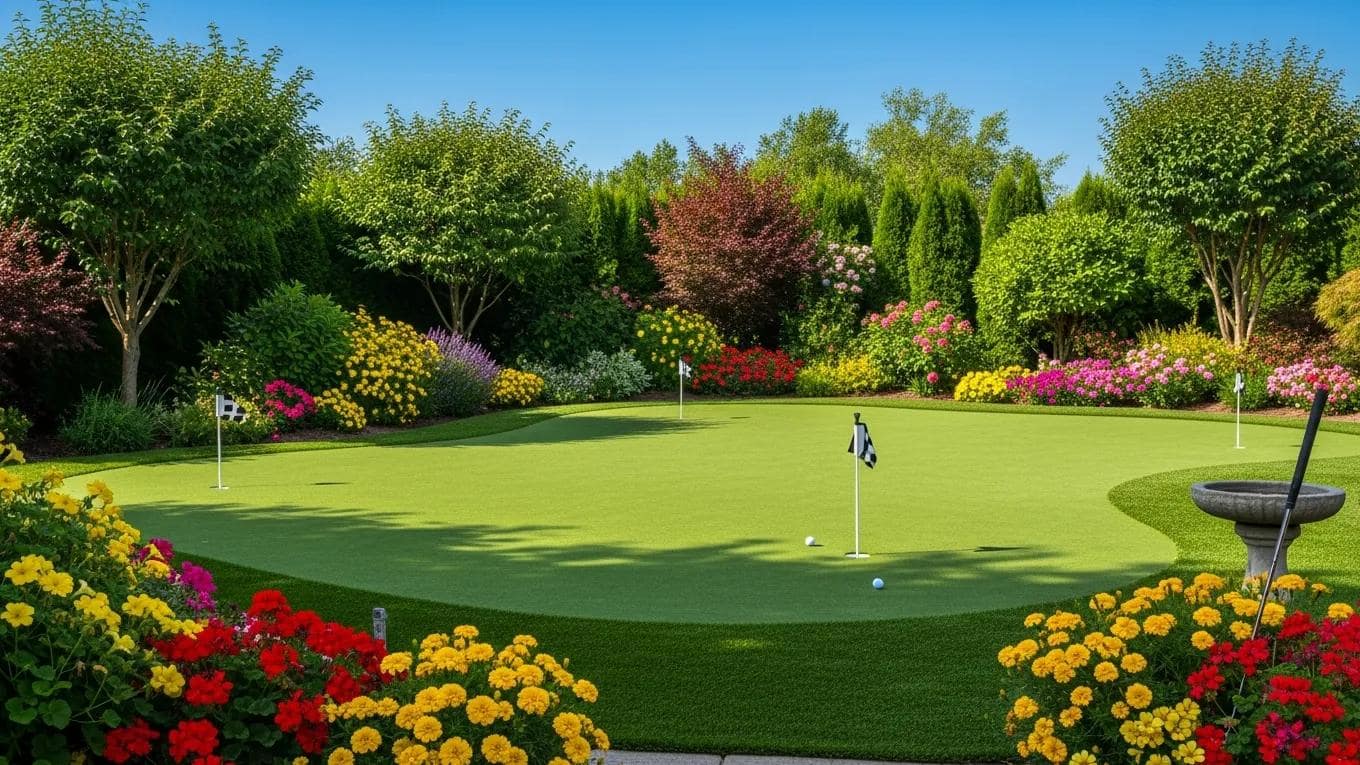
Creating a backyard putting green can transform your outdoor space into a personal oasis for golf enthusiasts. This guide provides essential insights into the materials and processes involved in building a putting green, focusing on the benefits of using synthetic turf. Homeowners often face challenges in selecting the right materials and understanding the installation process. By addressing these concerns, this article aims to equip you with the knowledge needed to make informed decisions. We will explore the best synthetic grass options, the installation process, maintenance tips, and the costs associated with artificial turf installation.
What Are the Best Synthetic Grass Options for Backyard Putting Greens?
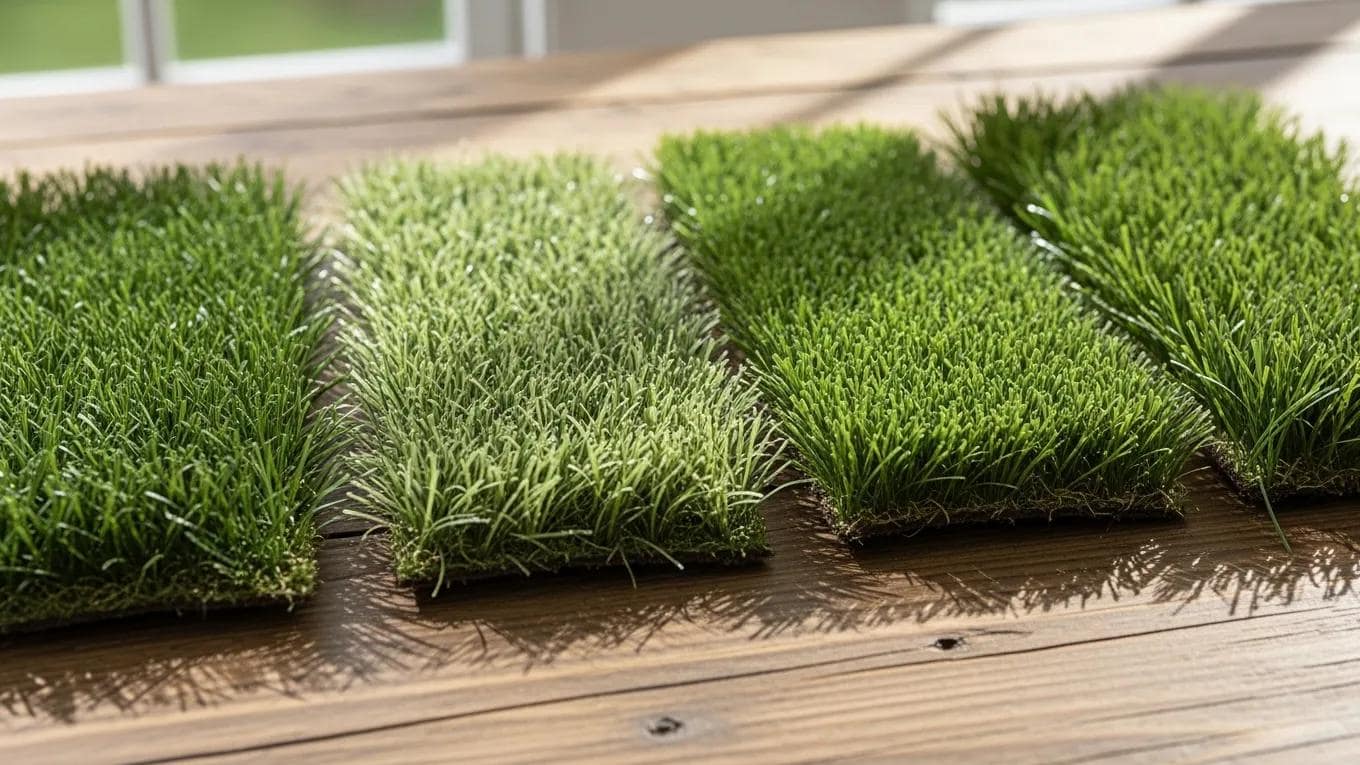
When it comes to selecting synthetic grass for your backyard putting green, several options stand out for their durability and performance. The best synthetic grass types are designed to mimic the feel of natural grass while providing low maintenance and long-lasting use.
How Do Synthetic Turf Types Differ in Durability and Pet-Friendliness?
Synthetic turf types vary significantly in terms of durability and pet-friendliness. For instance, nylon turf is known for its exceptional durability, making it ideal for high-traffic areas. Polyethylene, on the other hand, offers a softer feel, which is more comfortable for pets and children. Polypropylene is the most economical option but may not withstand heavy use as well as the other types. Choosing the right type depends on your specific needs, especially if you have pets that will use the space.
Which Infill and Backing Materials Optimize Putting Green Performance?
Infill and backing materials play a crucial role in the performance of your putting green. Common infill materials include sand and rubber, which help to stabilize the turf and provide a realistic playing surface. The backing material, often made from polyurethane or latex, affects the turf’s durability and drainage capabilities. Selecting high-quality infill and backing materials ensures that your putting green remains functional and visually appealing for years to come.
How Is a Backyard Putting Green Built: Installation Process and Best Practices?
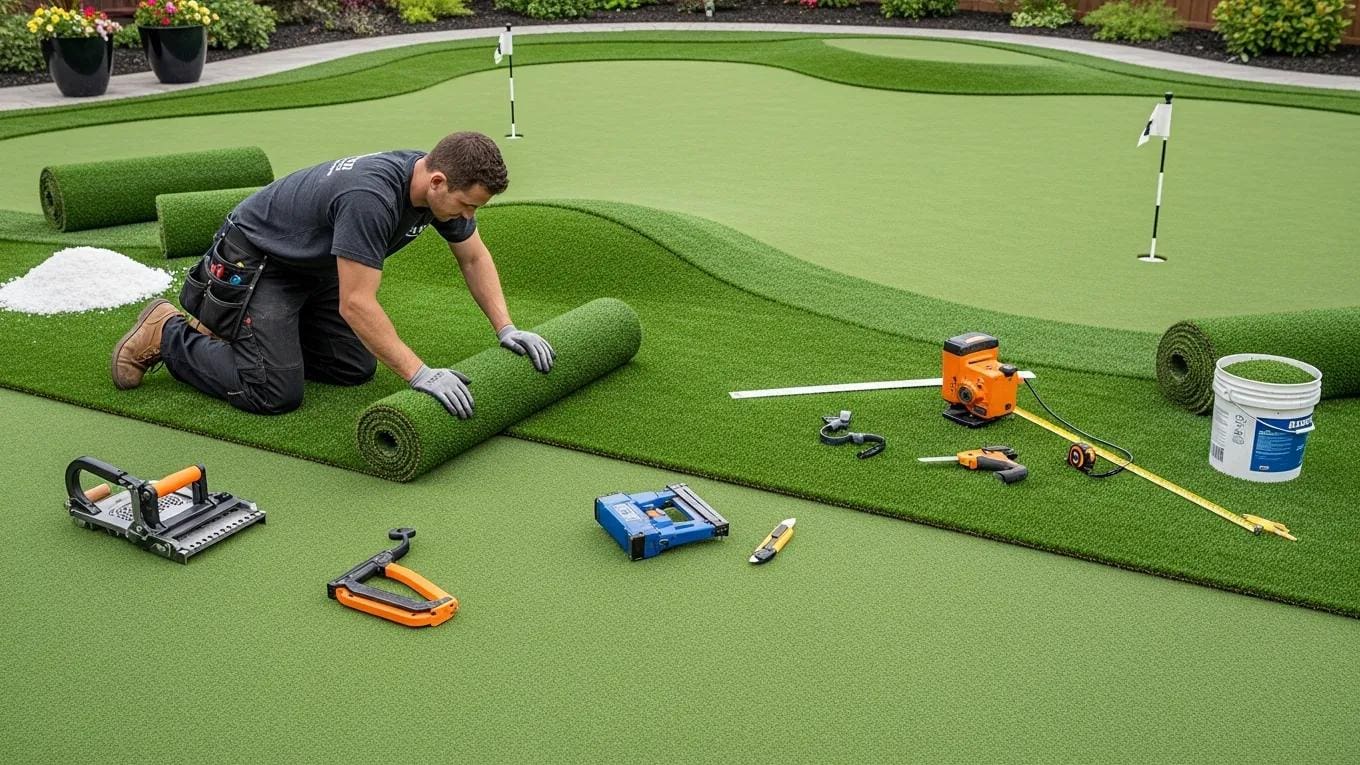
Building a backyard putting green involves several key steps that ensure a successful installation. Understanding the installation process can help you avoid common pitfalls and achieve the best results.
What Are the Step-by-Step Installation Stages for Custom Putting Greens?
The installation of a custom putting green typically follows these stages:
- Site Preparation: Clear the area of debris and level the ground to create a smooth surface.
- Base Layer Installation: Lay down a base layer of crushed stone or gravel to promote drainage.
- Turf Installation: Roll out the synthetic turf and secure it in place, ensuring proper alignment.
- Infill Application: Spread infill material evenly across the surface to enhance stability and performance.
Following these steps will help ensure that your putting green is both functional and aesthetically pleasing.
How Does Local Colorado Climate Influence Installation Techniques?
The climate in Colorado can significantly impact the installation techniques used for your putting green. For instance, the region’s temperature fluctuations and precipitation levels necessitate careful consideration of drainage solutions. Installing a proper drainage system is essential to prevent water accumulation, which can damage the turf. Additionally, selecting turf that can withstand the local climate will enhance the longevity and performance of your putting green.
What Are the Key Maintenance and Repair Services for Artificial Putting Greens?
Maintaining your artificial putting green is crucial for ensuring its longevity and performance. Regular maintenance can prevent common issues and keep your green looking its best.
What Are Essential Putting Green Maintenance Tips for Longevity?
To extend the life of your putting green, consider the following maintenance tips:
- Regular Cleaning: Remove debris and leaves to prevent mold and mildew growth.
- Brushing: Brush the turf regularly to keep the fibers upright and maintain a natural appearance.
- Infill Maintenance: Check and replenish infill material as needed to ensure optimal performance.
Implementing these maintenance practices will help you enjoy your putting green for many years.
When and How Should Putting Green Repairs Be Performed?
Identifying when repairs are needed is essential for maintaining your putting green. Look for signs such as uneven surfaces, visible seams, or areas where the turf has become detached. Repairs should be performed promptly to prevent further damage. Common repair methods include re-seaming loose edges and replacing damaged sections of turf. Regular inspections will help you catch issues early and maintain the integrity of your putting green.
How Much Does Artificial Turf Installation Cost and What Financing Options Are Available?
Understanding the costs associated with artificial turf installation is vital for budgeting your project. Several factors can influence the overall cost, including the size of the area and the type of turf selected.
What Factors Influence the Cost of Backyard Putting Green Installation?
The cost of installing a backyard putting green can vary based on several factors:
- Size of the Area: Larger greens will naturally require more materials and labor.
- Type of Grass Selected: Premium synthetic turf options may come at a higher price but offer better durability and performance.
- Site Preparation Needs: If extensive site preparation is required, this can increase labor costs.
By considering these factors, you can better estimate the total cost of your project.
How Can Customers Access Free Estimates and Financing Solutions?
For those interested in installing a backyard putting green, accessing free estimates can help you understand the potential costs involved. Many companies, including Artificial Grasscapes, offer free consultations to discuss your project and provide tailored estimates. Additionally, financing options may be available to help manage the costs of installation. Contacting a local provider can give you insights into the best financing solutions for your needs.
This table summarizes the key differences between various synthetic turf types, helping you make an informed decision based on your specific needs and budget.
In conclusion, building a backyard putting green involves careful consideration of materials, installation techniques, and maintenance practices. By understanding the options available and the associated costs, you can create a beautiful and functional space that enhances your outdoor living experience.