
By Dakota Carino, Artificial Grasscapes
As winter approaches, landscape contractors face unique challenges that can impact their profitability significantly. Understanding how to adapt services during this season is critical for maintaining revenue and supporting team efficiency. This article will explore strategies that contractors can implement to keep their landscape crews profitable through the winter months. It will also cover the specific challenges presented by the cold weather, the benefits of utilizing turf solutions, and best practices for managing artificial turf installations in Colorado’s unique conditions.
The upcoming sections will address effective strategies for winter landscaping turf solutions, the challenges that contractors encounter, and how to optimize maintenance and repair services. Additionally, we’ll examine the impact of Colorado’s winter conditions on traditional landscaping services and highlight the importance of artificial turf installations for maintaining profitability during Q4.
Strategies for Winter Landscaping Turf Solutions
Successful winter landscaping relies on innovative strategies that can set contractors apart from their competitors in the market. By implementing effective solutions, landscape crews can continue to provide valuable services throughout the colder months. Here are several essential strategies:
- Promote Water-Saving Solutions: Offer specialized turf products that conserve water, appealing to eco-conscious customers eager to minimize their environmental footprint.
- Diverse Product Offerings: Introduce a range of artificial grass solutions, including pet-friendly options, to cater to different customer needs and preferences.
- Education on Maintenance: Conduct workshops or training sessions for clients about how to care for their winter landscapes, especially artificial turf systems, which can foster long-term customer relationships.
These strategies not only help maintain a constant flow of work during the winter months but also enhance overall business resilience against seasonal fluctuations.
Challenges
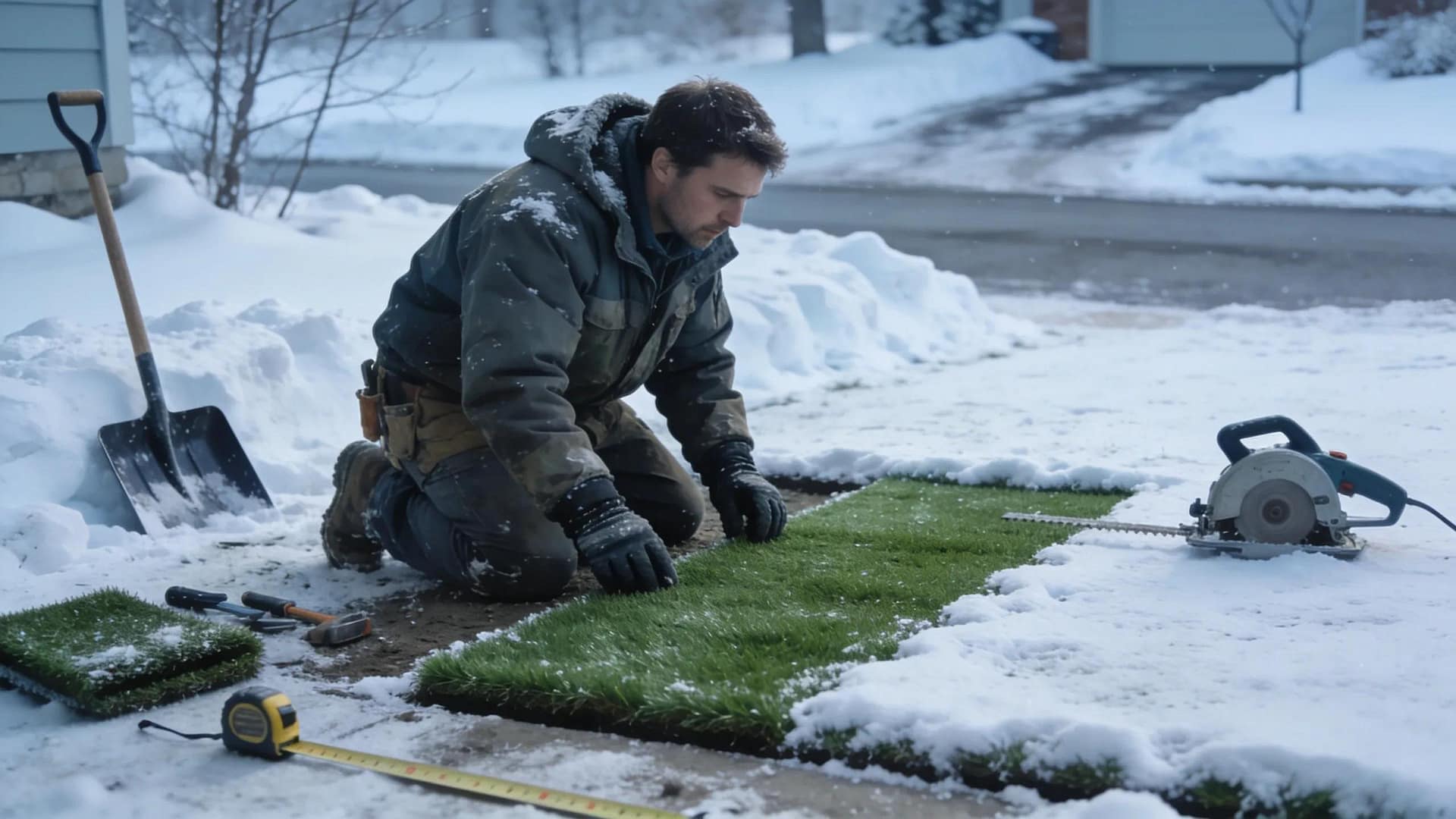
Winter landscaping presents specific challenges that contractors must navigate to maintain profitability. Several of these challenges include:
- Weather Conditions: Harsh winter weather, including snow and ice, can disrupt traditional landscaping activities, limiting productivity and client services.
- Soil Movement: Cold temperatures can lead to soil compaction and shifting, which can complicate installation and maintenance work.
- Client Education: Many clients have misconceptions about winter maintenance and the performance of artificial turf, making it necessary for contractors to invest time in educating them on these topics.
Understanding these challenges will facilitate better strategic planning and resource allocation throughout the winter season.
Best Practices
To effectively manage winter landscaping, contractors should adhere to well-defined best practices for installing and maintaining turf. Here are some best practices to consider:
- Installation Techniques: Employ specialized techniques for turf installation that ensure proper drainage and durability to withstand winter conditions.
- Regular Inspections: Conduct frequent inspections of existing installations to identify wear and tear early and mitigate potential issues.
- Seasonal Maintenance Calendar: Establish a maintenance calendar that outlines when to perform specific tasks throughout the winter months, ensuring timely service for clients.
These best practices are crucial for preserving the quality of turf installations and maintaining customer satisfaction even during the coldest months.
How do Colorado winter conditions affect traditional landscaping services?
Colorado’s winter presents unique challenges that can adversely impact traditional landscaping services. Snow accumulation can lead to restricted access to properties, causing delays in project timelines. Additionally, the fluctuating temperatures can create unstable ground conditions, leading to complications in installation and maintenance services. Limited daylight hours further reduce the available window for outdoor work, making it essential for landscaping professionals to adapt their business practices to maximize efficiency and client service during these months.
Why does landscaping profitability decline in Q4 without turf solutions?
Landscaping profitability often sees a significant decline in Q4 primarily due to seasonal limitations and reduced demand for traditional landscaping services. Inadequate service offerings can lead to lower client retention rates, as customers reassess their landscaping needs for the winter months. Moreover, maintenance challenges, including difficulty accessing lawns for standard services, can exacerbate profitability issues. However, by incorporating artificial turf solutions, landscape contractors can provide year-round service, minimizing income dips during winter.
How does artificial turf installation enhance winter profitability for landscape contractors?
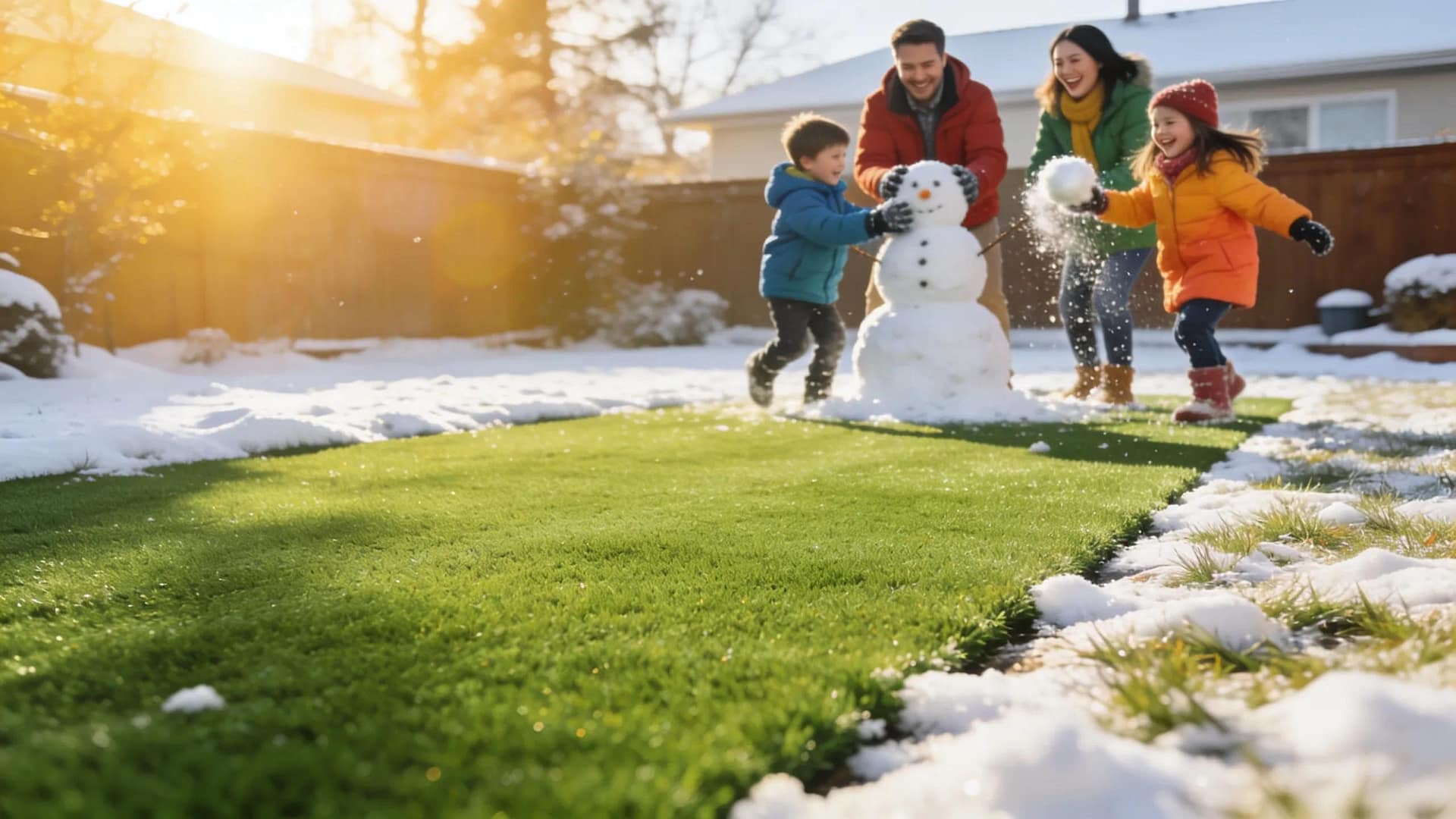
The installation of artificial turf proves to be a profitable strategy for landscape contractors during the winter. The primary benefits of artificial turf include:
- Cost Benefits of Turf: With lower water usage and reduced maintenance needs, artificial turf simplifies winter care and minimizes costs associated with traditional landscaping.
- Market Demand: There is a growing market for low-maintenance landscaping solutions, particularly among homeowners seeking year-round beauty without the hassle of upkeep.
- Service Offerings: By expanding service offerings to include artificial grass installation, contractors can engage more clients and stabilize revenue streams throughout the winter.
These factors contribute significantly to enhanced winter profitability for landscape contractors by addressing both client demand and operational efficiency.
What makes artificial turf durable and low-maintenance for Colorado winters?
Artificial turf is specifically designed for durability and low maintenance in harsh winter conditions. The materials used in its construction, such as resilient grass fibers and quality infill materials, ensure that the turf withstands heavy snowfall and temperature fluctuations. Additionally, artificial turf does not require the same level of care as natural grass, which may include watering and mowing, making it an appealing option for winter landscaping.
What are the typical installation costs and ROI of artificial turf in Colorado?
Understanding the financial implications of artificial turf installation is essential for contractors and clients alike. Common costs associated with artificial turf installation in Colorado include:
- Cost per Square Foot: Installation costs typically range from $5 to $10 per square foot, depending on the complexity of the project and materials used.
- Expected Savings on Maintenance: Homeowners can expect to save on water bills with the installation of artificial turf, enhancing the return on investment over time.
- Overall ROI: Investors often see an ROI of up to 50% within the first few years due to decreased maintenance requirements and long-lasting performance.
These financial benefits not only help contractors justify the costs to clients but also position them as knowledgeable resources regarding investments in landscaping.
Which maintenance and repair services optimize winter landscape crew utilization?
Effective maintenance and repair services are vital for maximizing the use of winter landscape crews. Regular attention to existing installations can help to avoid costly repairs in the future. Some recommended services include:
- Regular Inspections: Schedule periodic reviews to assess the condition of turf installations and identify potential issues early.
- Cleaning Services: Providing thorough cleaning services during the winter ensures that the turf remains attractive and functional.
- Repair Services: Offering repair services for common issues can help maintain customer satisfaction and loyalty, especially in the winter months when services may be limited.
By implementing these maintenance strategies, landscape crews can optimize their time and resources, leading to improved overall efficiency.
How to maintain artificial turf effectively during harsh winter months?
Maintaining artificial turf during the winter months involves several key practices to ensure its longevity and appearance:
- Snow and Ice Management: Adopt methods like using a snow blower or shovel instead of metal tools to prevent turf damage.
- Regular Cleaning: Emphasize the importance of removing debris and dirt to maintain the appearance and functionality of the turf.
- Brushing Turf Fibers: Regularly brushing the turf fibers helps to keep them standing upright, maintaining the aesthetic and functional integrity of the surface.
These maintenance practices are essential for preserving the quality of artificial turf installations during the cold months.
What repair services improve customer retention and Q4 revenue streams?
Repair services, when effectively managed, can lead to improved customer satisfaction and retention during the winter months. Key strategies include:
- Addressing Common Issues: Make clients aware of common artificial turf problems, such as seam separation or uneven surfaces, to ensure prompt resolutions.
- Providing Maintenance Packages: Offer comprehensive maintenance packages that cover inspections, cleanings, and repairs for continued client support.
- Enhancing Satisfaction: Conduct follow-up repairs and consultations to show clients their needs are prioritized during slower months.
By focusing on these strategies, contractors can sustain client relationships during the winter and bolster revenue streams.
How can Colorado contractors leverage winter turf solutions to diversify and grow their Q4 service portfolio?
Contractors in Colorado can leverage winter turf solutions to diversify their service portfolios and boost revenue in Q4. Strategies might include:
- Winter Turf Installations: Offer winter installation services for residents willing to invest in year-round landscaping solutions.
- Offering Pet-Friendly Options: Cater to pet owners by promoting artificial grass as a safe, durable option for pet-friendly environments, enhancing your appeal to a broader market.
- Bundled Services: Create bundled service offerings that combine installation and annual maintenance for greater client convenience and retention.
Utilizing these strategies will not only bolster contractor profitability but also enhance the overall service experience for clients.
What case studies demonstrate successful winter turf projects in Colorado?
Case studies of successful winter turf projects provide insights into best practices and strategies employed by contractors across Colorado. Contractors have utilized engineered base layers for optimal drainage and durability in harsh winters, showcasing the importance of professional installation techniques. These successful case studies highlight how careful planning and execution can lead to fruitful outcomes despite the challenges associated with cold weather.
How do pet-friendly and eco-conscious turfs attract more winter customers?
Focusing on pet-friendly and eco-conscious turf products can attract a more significant customer base during the winter months. Key advantages include:
- Diverse Product Offerings: Pet-friendly options allow for safer and more durable play areas for pets, appealing to an animal-loving demographic.
- Water Conservation Benefits: Highlighting the environmental impact of artificial turf installations can attract eco-conscious consumers committed to sustainability.
- Customization Options: Offering clients the ability to customize their turf choice allows for personalized landscaping solutions that meet individual preferences and needs.
Emphasizing these features can be instrumental in enhancing customer engagement and driving sales during winter months.

