
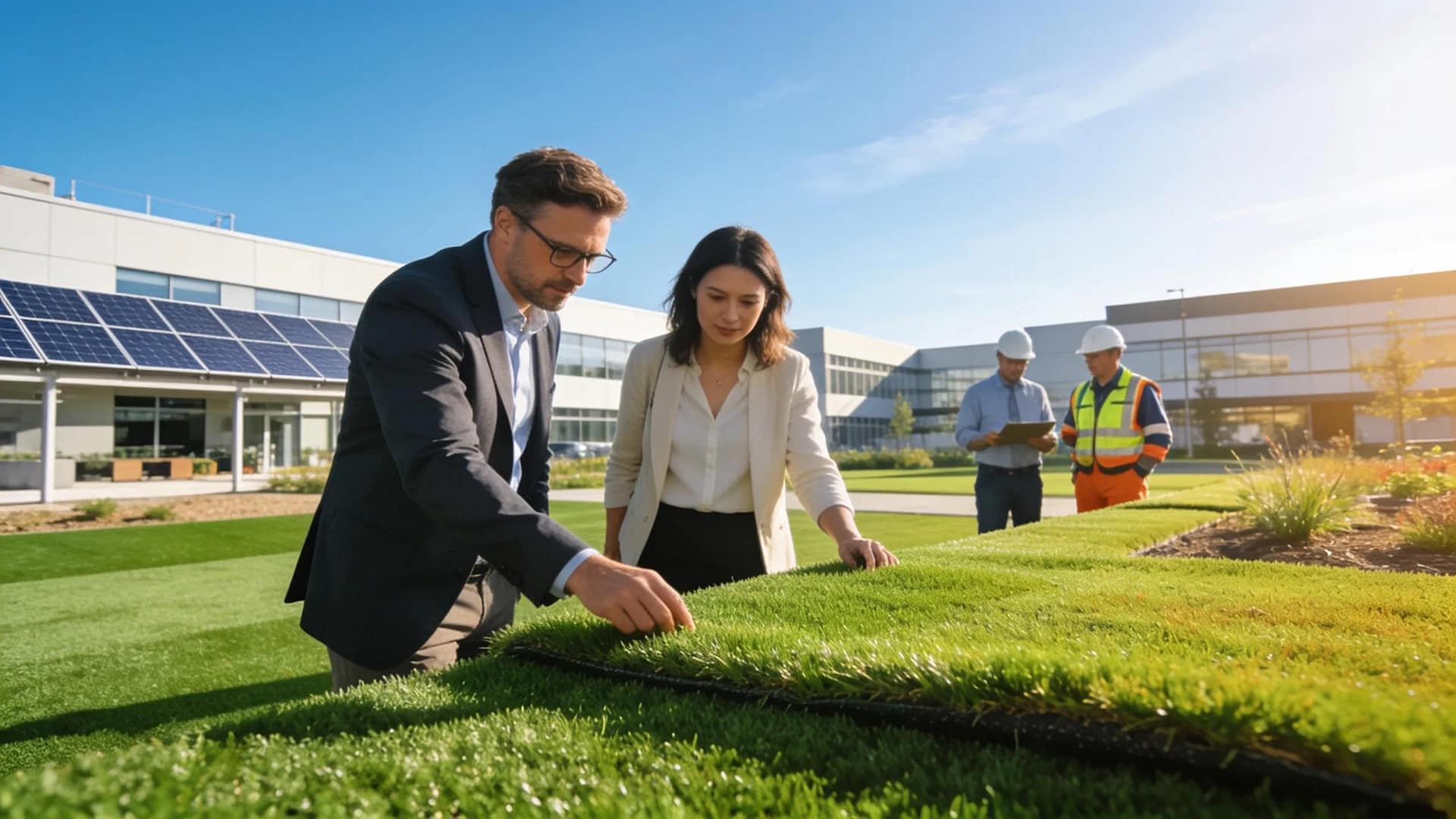
Why Commercial Developers are Choosing Synthetic Turf: Key Benefits and Installation Insights
By Dakota Carino, Artificial Grasscapes
In an era where sustainability and innovation drive construction, commercial developers are increasingly opting for synthetic turf in their projects. This shift is not just about aesthetics; it’s a strategic choice that encompasses numerous benefits, including cost efficiency, environmental sustainability, and low maintenance requirements. This article explores why synthetic turf has become a preferred solution for new construction, highlighting its advantages and the installation processes involved. As developers seek to enhance their project outcomes, understanding the myriad benefits of synthetic turf will serve as a critical factor in decision-making. We’ll delve into key topics such as the installation process, cost comparisons to traditional grass, and the environmental advantages associated with artificial grass solutions.
Key Benefits of Synthetic Turf:
Synthetic turf has revolutionized landscaping in commercial projects, thanks to its array of notable benefits that align with the evolving demands of developers.
- Water Conservation: Synthetic grass eliminates the need for extensive irrigation, conserving precious water resources, a crucial factor in drought-prone regions like Colorado.
- Durability and Low Maintenance: Unlike natural grass, synthetic turf withstands heavy foot traffic and various weather conditions without the need for replanting or excessive upkeep.
- Environmental Impact: By reducing the need for chemical fertilizers and pesticides, synthetic turf contributes to healthier ecosystems and offers a safer environment for both people and pets.
Artificial Grasscapes specializes in synthetic turf solutions tailored for commercial developments, emphasizing the long-term reliability and sustainability of their products, particularly in regions like Castle Rock and Colorado Springs. Engaging with experts ensures that your project benefits optimally from synthetic turf’s advantages.
Installation Process:
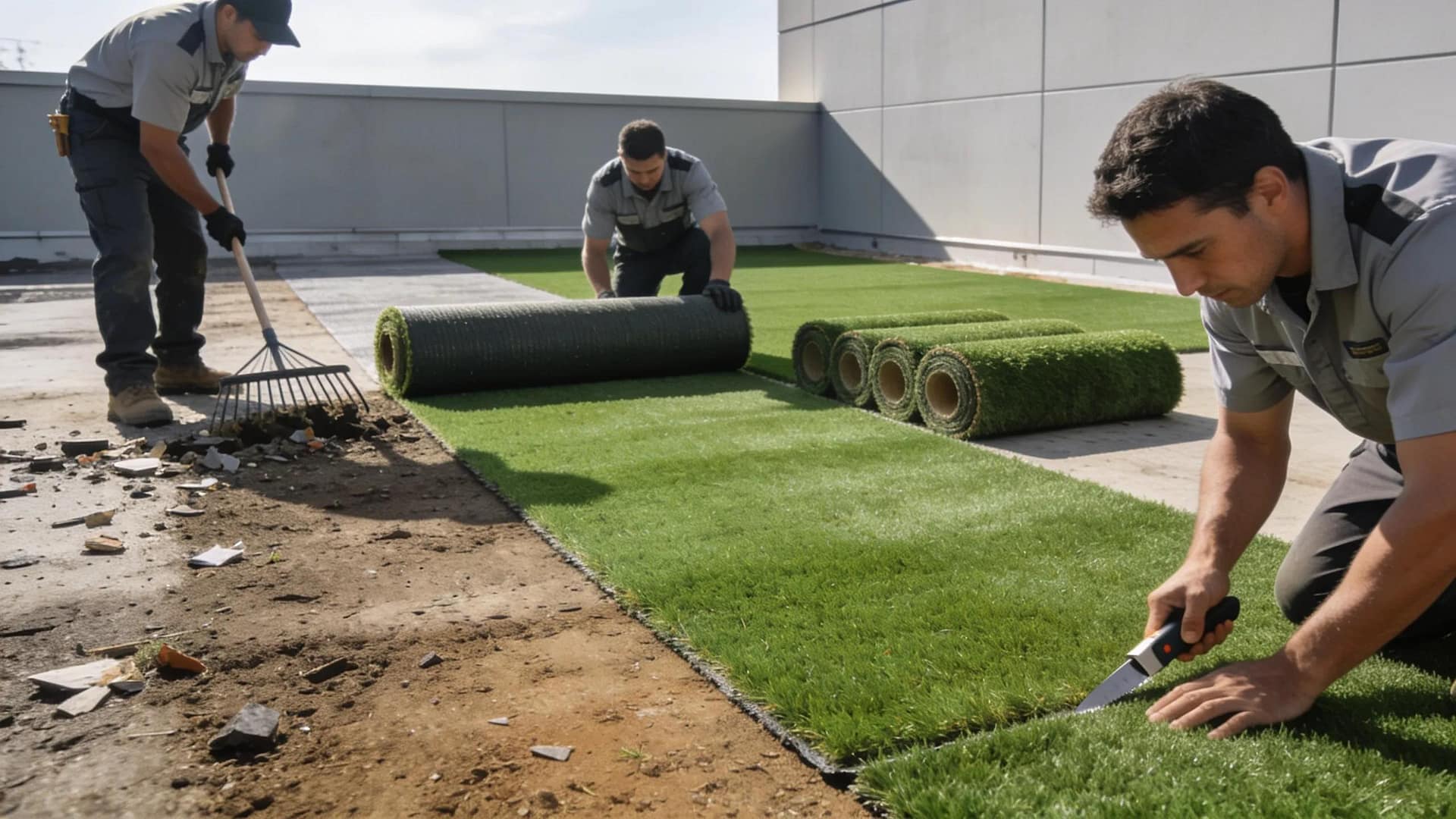
The installation of synthetic turf involves a series of well-defined steps that ensure optimal performance and longevity.
- Site Preparation: This initial phase involves clearing the area of existing vegetation, debris, and leveling the ground to create a firm foundation.
- Material Selection: Qualified professionals help in choosing the right type of synthetic turf based on the specific needs of the space, considering factors such as foot traffic and weather exposure.
- Professional Techniques: Expert installation techniques, including proper drainage, seam connection, and infill application, are critical to achieving the best results and ensuring the turf withstands rigorous use.
Investing in professional installation through companies like Artificial Grasscapes guarantees that the project adheres to the highest standards of quality and efficiency.
Cost Savings Compared to Natural Grass:
When comparing synthetic turf to natural grass, the financial implications present a compelling case for developers.
- Initial Cost Analysis: Although synthetic turf may have a higher upfront cost, its longevity reduces overall expenditures in the long run.
- Long-term Savings on Maintenance: The low maintenance needs of synthetic turf translate into significant savings on landscaping services, fertilizers, and watering.
- Water Bills Impact: In areas where water usage is a considerable expense, synthetic turf offers substantial savings by drastically reducing water bills.
The investment in synthetic grass often pays off significantly when considering these factors against traditional grass lawns.
Environmental Advantages:
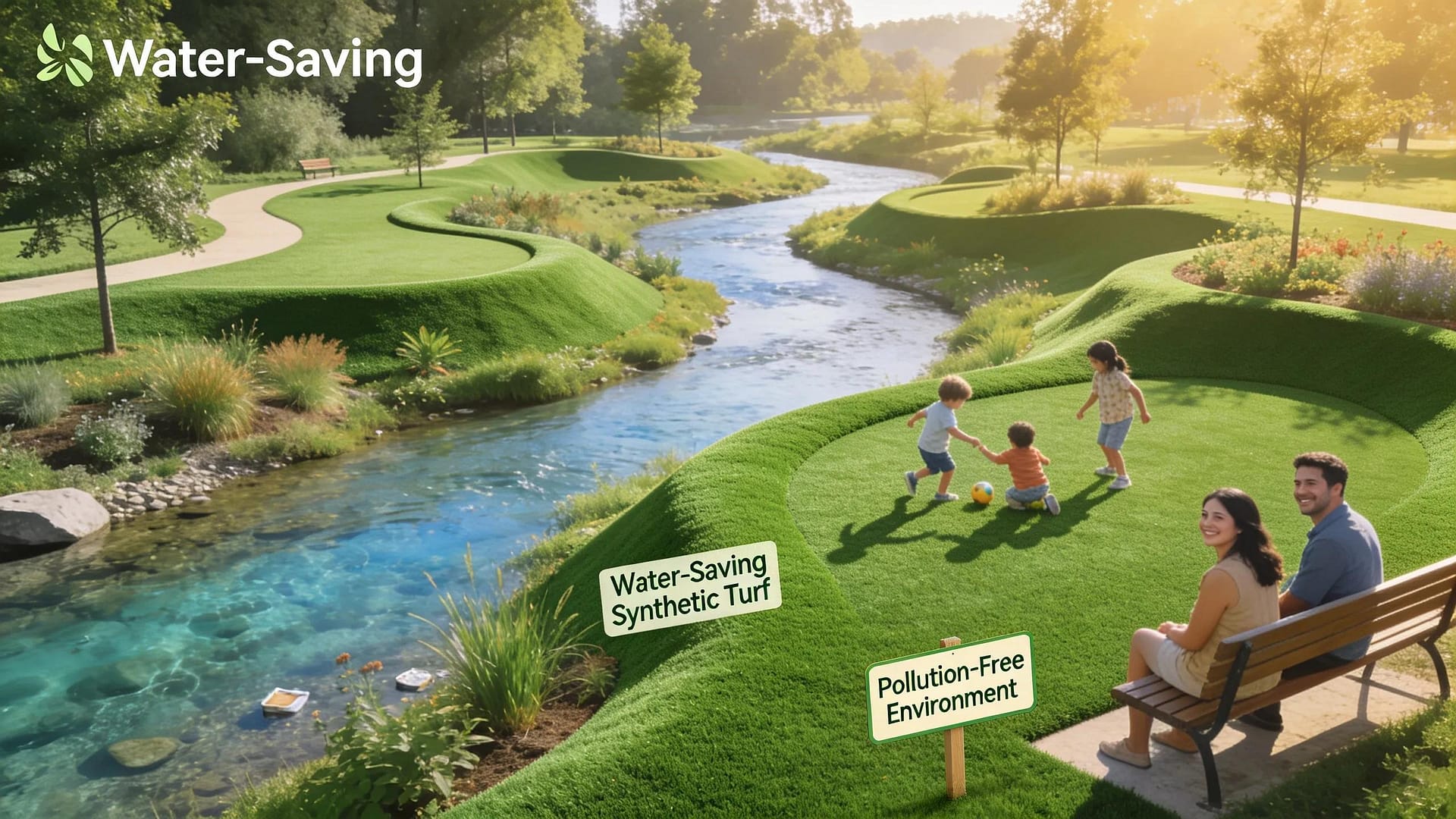
Switching to synthetic turf is more than just a trend; it reflects a growing commitment to sustainable practices in the commercial development sector.
- Chemical Use Reduction: Synthetic turf minimizes the need for chemicals that are typically used in maintaining natural grass, thus protecting soil and water supplies from harmful pollutants.
- Water Conservation Statistics: The substantial reduction in water usage aligns with broader environmental goals in urban development, particularly in states affected by water scarcity like Colorado.
- Sustainable Production Practices: Many synthetic turf products are manufactured using environmentally friendly processes, reinforcing the ecological advantages of this option.
The environmental benefits contribute not just to a greener project but also align with the values of eco-conscious consumers and community stakeholders.
What Are the Main Benefits of Commercial Synthetic Turf?
Commercial synthetic turf offers numerous advantages that make it an appealing choice for developers:
- Cost Savings: Long-term financial benefits through reduced maintenance and water usage.
- Maintenance Reduction: Minimal upkeep needs ensure lasting performance without frequent repairs.
- Aesthetic Appeal: The year-round lush appearance of synthetic turf enhances the landscape, adding value to properties.
Understanding these central benefits can help developers make informed decisions regarding their landscape choices and overall project design.
How Does Synthetic Turf Offer Cost Savings Compared to Natural Grass?
The financial analysis reveals that synthetic turf is often more advantageous compared to traditional natural lawns.
- Initial vs Long-term Costs: While the initial investment for synthetic turf installation is higher, the substantial drop in maintenance bills over time can lead to significant savings.
- Water Savings Analysis: Eliminating the need for irrigation not only conserves water but also translates directly into lower utility bills for commercial properties.
- ROI Timeline: The return on investment for synthetic turf can be realized within a few years, making it a financially sound choice for commercial developers.
By evaluating these financial aspects, developers can clearly see the operational benefits of investing in synthetic turf solutions.
What Environmental Advantages Make Synthetic Turf an Eco-Friendly Choice?
Beyond the operational benefits, synthetic turf also offers notable ecological advantages.
- Chemical Reduction Benefits: The elimination of chemical treatments required for natural grass reduces the risk of environmental contamination.
- Sustainable Practices: Many suppliers, such as those servicing Colorado commercial developments, prioritize sustainable sourcing and manufacturing methods.
- Durability and Longevity: The resilience of synthetic turf means it remains functional longer than traditional options, which can often require replacement or heavy maintenance.
These environmental advantages align with the increasing need for sustainable development practices in commercial construction.
What Is the Standard Installation Process for Synthetic Turf in Commercial Projects?
Understanding the installation process can inspire confidence among developers considering synthetic turf.
- Assessment and Preparation: Initial evaluations ensure that the site is suitable for turf installation, addressing drainage and soil conditions.
- Material Selection: Collaborating with experts helps determine the best type of turf for specific applications.
- Installation Timeline: Proper planning can lead to quicker installation times while ensuring quality workmanship.
Adhering to recommended procedures helps secure a successful installation that meets expected standards.
How Long Does Commercial Synthetic Turf Installation Typically Take?
Timelines can vary based on project size and conditions, but generally speaking:
- Typical Duration Based on Project Size: Smaller areas might be completed within a few days, while larger sites could require a week or more.
- Factors Affecting Timelines: Weather conditions and site preparation complexity can influence overall installation duration.
- Weather Implications: Scheduling installation during optimal weather patterns can expedite the process and improve outcomes.
Planning these timelines allows developers to manage their project schedules efficiently.
What Are the Key Steps to Ensure Durable and Quality Turf Installation?
To maximize the effectiveness of synthetic turf, it’s essential to focus on quality installation.
- Prep Steps: Thorough site preparation lays the groundwork for a successful installation.
- Material Choices: Selecting quality materials significantly impacts the durability and lifespan of the turf.
- Professional Techniques: Engaging experienced professionals ensures that installation is executed according to best practices.
Emphasizing these quality control measures can lessen potential issues in the long term.
How Do Maintenance and Repair Services Optimize Synthetic Turf Longevity?
Ongoing maintenance is crucial for ensuring the durability of synthetic turf, even with its lower maintenance demands.
- Maintenance Tactics: Regular upkeep, including cleaning and infill replacement, extends the life of synthetic grass.
- Repair Significance: Timely repairs can prevent minor damage from developing into significant issues.
- Cost Considerations: Budgeting for occasional maintenance and repairs is prudent for maximizing investment.
By adhering to a maintenance regimen, developers can optimize the lifespan and performance of synthetic turf.
What Are Recommended Routine Maintenance Practices for Commercial Turf?
Developers should consider these recommendations for routine maintenance of synthetic turf:
- Regular Cleaning Needs: Keeping the turf free from debris and waste helps maintain its aesthetic and functional qualities.
- Brushing Schedule: Regular brushing can prevent matting and ensure even infill distribution.
- Inspection Frequency: Periodic inspections allow for the early detection of potential issues and repairs.
Implementing these practices will sustain the turf’s quality and appearance over its life cycle.
When and How Should Synthetic Turf Repairs Be Addressed?
Understanding how to manage repairs effectively is essential for maintaining synthetic turf:
- Repair Urgency: Addressing issues promptly can prevent further damage and additional costs.
- Common Issues: Typical concerns include seam failure and infill migration, requiring specialized repair techniques.
- Methods: Various repair options are available depending on the type and extent of the damage.
Being proactive in repair strategies will enhance the longevity and performance of the synthetic turf.
What Are the Top Factors Influencing Synthetic Turf Choice for Colorado Commercial Projects?
Several market trends inform the selection of synthetic turf in Colorado.
- Water Conservation Practices: The need for effective water management drives interest in drought-resistant landscapes.
- Regulatory Influences: Local regulations may encourage or mandate water-saving solutions in commercial projects.
- Cost-effectiveness: The financial benefits of synthetic turf appeal to developers seeking budget-conscious decisions.
These factors create a robust market demand for synthetic turf solutions among commercial developers.
How Do Local Market Trends Shape Synthetic Turf Selection?
Current trends continue to influence how synthetic turf is viewed in the market.
- Consumer Preference Shifts: Growing awareness of sustainability issues shapes consumer choices.
- Landscaping Initiatives: Local efforts to promote sustainable landscaping drive interest in synthetic options.
- Program Impacts: Environmental programs can affect project funding and developer decisions on landscaping.
Awareness of these trends can help developers align their projects with community values.
Which Synthetic Turf Options Best Meet Commercial and Pet Safety Needs?
Safety considerations play a vital role in the choice of synthetic turf, particularly in commercial settings.
- Material Safety: Selecting non-toxic materials ensures safety for both humans and pets utilizing the spaces.
- Durability for Pets: Many synthetic turf options are designed to withstand heavy pet traffic and offer drainage solutions for easy cleanup.
- Recommended Products: Partnering with companies like Artificial Grasscapes provides access to high-quality, pet-safe synthetic turf materials.
Choosing the right products can contribute significantly to safety and functionality in commercial applications.

