
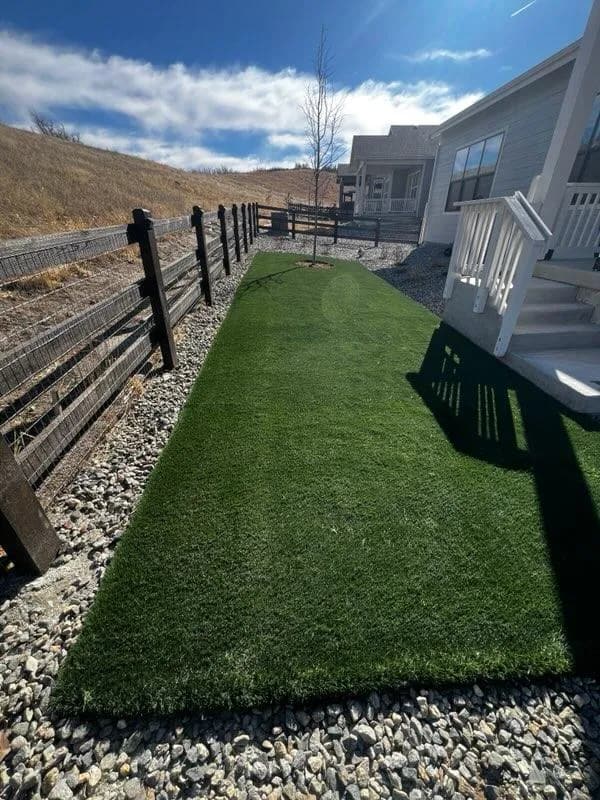
Sustainable Landscaping with Synthetic Turf: Why Businesses Choose Cost-Effective Eco-Friendly Solutions
By Dakota Carino, Artificial Grasscapes
Sustainable landscaping has emerged as a vital practice for businesses looking to minimize their ecological footprint while maintaining aesthetics and functionality. Synthetic turf, a revolutionary landscaping solution, offers numerous environmental and economic advantages over traditional grass options. This article will explore the many reasons companies are turning to synthetic turf, focusing on its environmental benefits, cost considerations, installation process, and overall influence on sustainable business practices. By the end, readers will understand why synthetic turf is not just an alternative but a forward-thinking solution for modern landscaping challenges.
Environmental Benefits
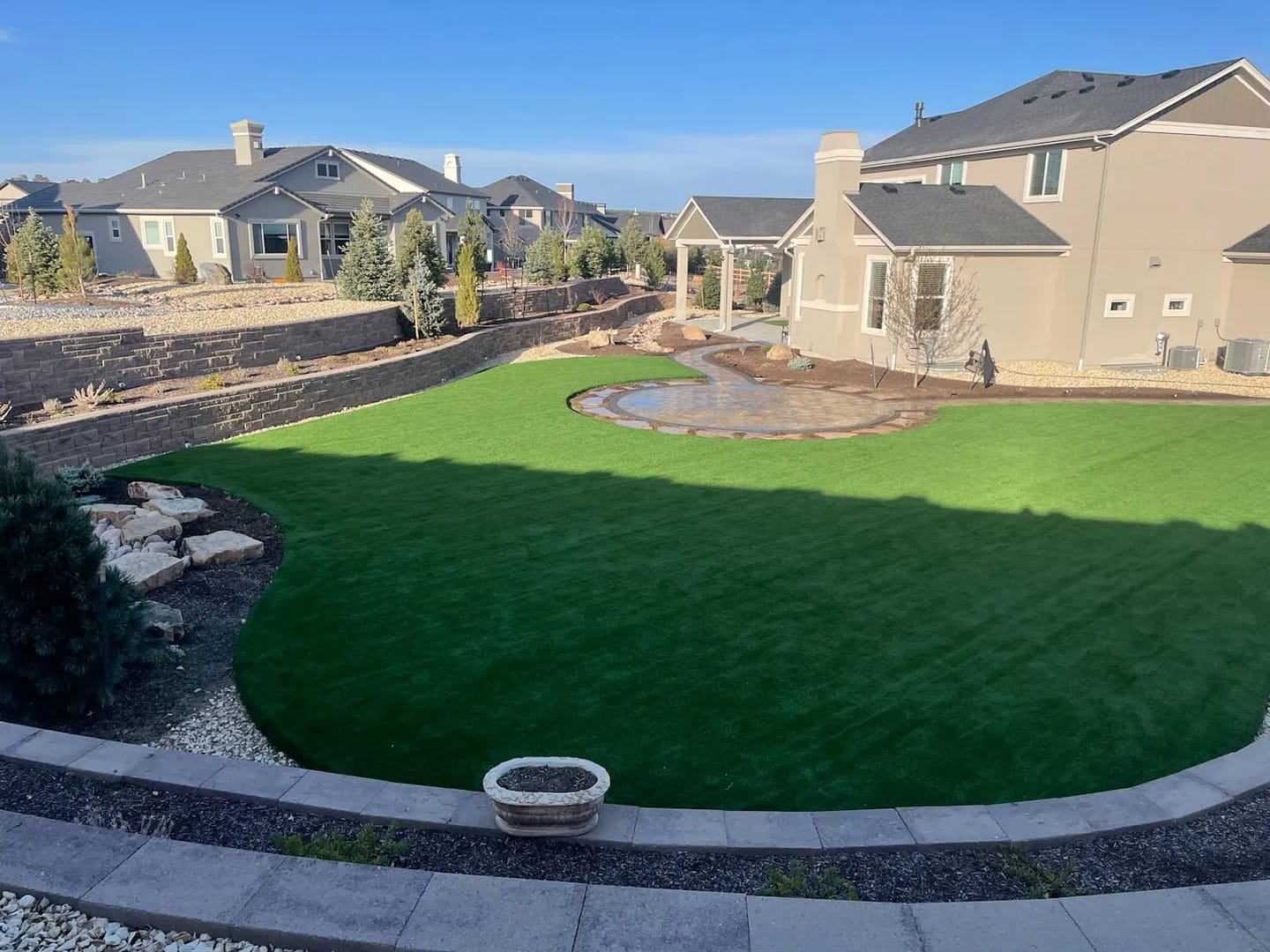
Synthetic turf presents several environmental advantages that make it an attractive option for businesses aiming for sustainability. Primarily, it reduces the need for pesticides, herbicides, and fertilizers—a significant source of chemical runoff that can harm local waterways and aquatic ecosystems. Moreover, since synthetic turf requires minimal maintenance compared to natural grass, it also conserves water, a precious resource especially important in drought-prone areas. These benefits significantly support an organization’s mission to be environmentally responsible, aligning with consumer demand for sustainability.
Reduction in Chemical Usage and Carbon Footprint
A primary benefit of synthetic turf is its capability to minimize chemical usage and reduce the associated carbon footprint. By eliminating harmful chemicals commonly used in grass care, synthetic turf fosters a healthier environment for the community. Furthermore, artificial grass contributes to lower greenhouse gas emissions, both through reduced transportation needs and the avoidance of fossil fuel-powered landscaping machinery. This shift not only promotes ecological well-being but also enhances a business’s image as an environmentally responsible entity.
Installation Costs vs. Long-Term Maintenance Savings
When considering synthetic turf, businesses often evaluate the installation costs versus long-term maintenance savings. The initial investment for synthetic turf can vary depending on factors such as the quality of the materials and the size of the installation. However, businesses can expect considerable savings over time due to reduced water usage and the elimination of ongoing maintenance costs associated with natural grass, such as mowing, fertilization, and pest control. This financial soundness is becoming increasingly attractive to businesses looking to improve their bottom line while adopting sustainable practices.
Installation Process for Commercial Landscapes
The installation process for synthetic turf commonly involves several critical steps to ensure the surface is durable and effective for its intended use. It begins with thorough site preparation, which includes removing existing grass and debris, followed by grading the site to promote proper drainage. Next, a layer of crushed stone is laid to serve as a proper base, facilitating drainage and stability. Finally, the turf is unrolled, cut to fit, and secured. Proper installation ensures the longevity and functionality of the turf, allowing businesses to enjoy its benefits for years to come.
What Are the Environmental Benefits of Commercial Synthetic Turf?
Commercial synthetic turf offers multiple environmental benefits that underscore its role in sustainable landscaping. The most notable effects include:
Water Conservation
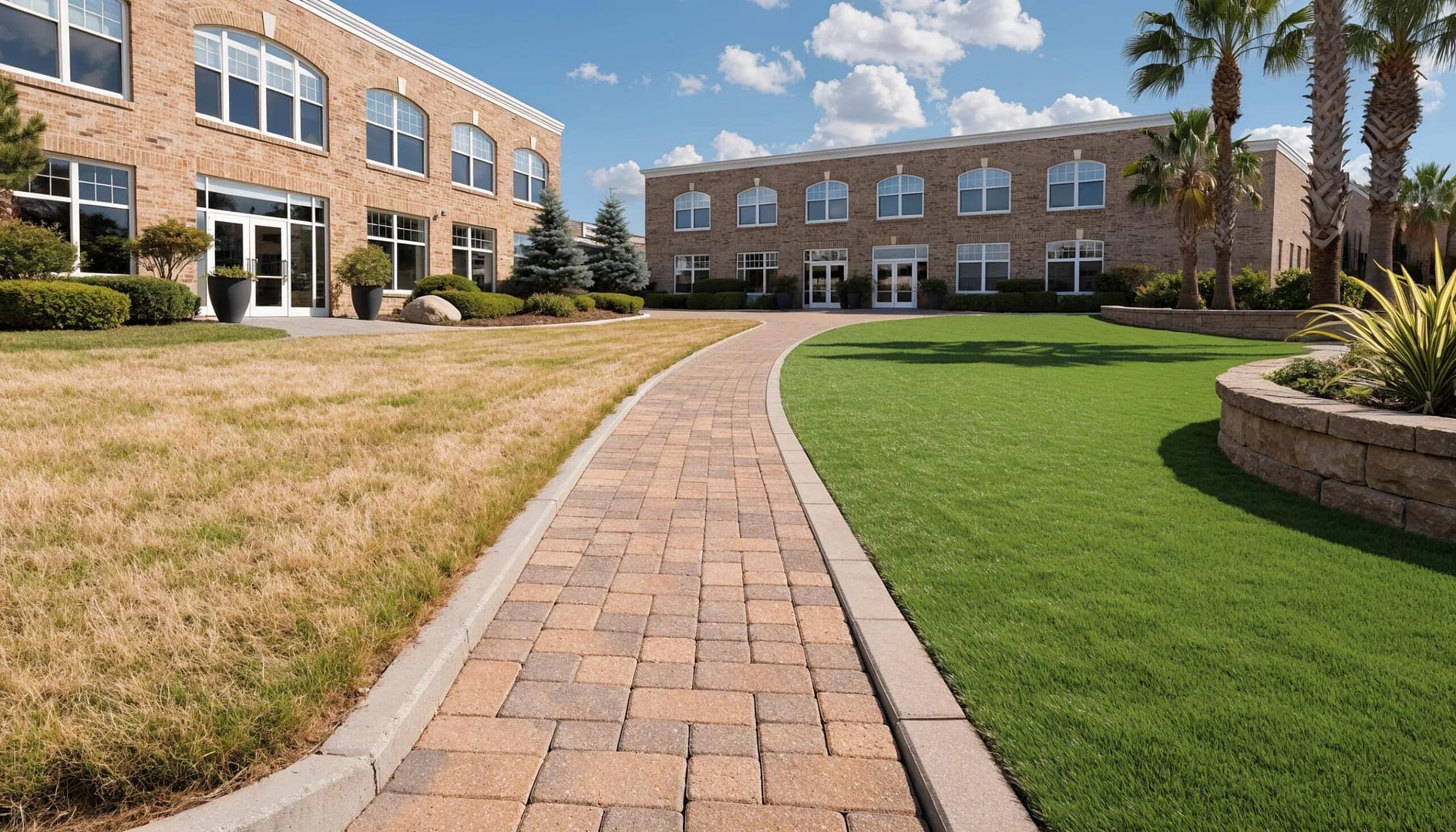
Synthetic turf significantly contributes to water conservation efforts. In areas accustomed to high water usage for natural grass, switching to synthetic turf can reduce water consumption by up to 50% annually, translating to substantial savings for businesses. In regions facing drought conditions, this conservation becomes even more critical, facilitating compliance with water usage regulations and reducing utility costs.
Reduction of Chemical Use
Another key environmental benefit of synthetic turf is its ability to eliminate the need for harmful chemicals. Unlike traditional grass, which often requires pesticides and fertilizers to thrive, synthetic turf maintains its appearance and performance without these inputs. This reduction in chemical usage not only protects the local ecosystem but also ensures a safer environment for children and pets who play on these surfaces.
Overall Ecological Footprint
The overall ecological footprint of synthetic turf is considerably lower than that of traditional landscaping options. Made from recyclable materials, synthetic turf both conserves resources and minimizes waste. Additionally, its durable nature means that it requires less frequent replacement compared to natural grass, further enhancing its sustainability profile.
In What Ways Does Artificial Grass Lower Chemical Usage and Carbon Footprint?
Artificial grass lowers chemical usage and reduces the carbon footprint through multiple mechanisms:
- Elimination of Fertilizers: Synthetic turf does not require fertilizers, which often lead to runoff and pollution.
- Reduced Equipment Usage: The need for gas-powered lawn equipment is minimized, decreasing fossil fuel consumption and emissions.
- Longevity and Durability: Longer-lasting than natural grass, synthetic turf compounds the benefits by reducing the frequency of replacement and associated manufacturing emissions.
How Much Does Synthetic Turf Installation Cost for Businesses?
The cost of synthetic turf installation can vary based on several factors, including the grade of turf selected and the overall size of the project. Generally, pricing ranges from $5 to $20 per square foot, depending on the quality and specifications of the turf. It’s important for businesses to view this cost as an investment, as the long-term savings from reduced maintenance expenses can lead to a higher return on investment (ROI).
How Do Installation Costs Compare to Long-Term Maintenance Savings?
When comparing the initial costs of synthetic turf installation to the long-term maintenance savings, many businesses find that synthetic turf is financially advantageous. While traditional grass requires ongoing expenses for watering, mowing, and chemical treatments, synthetic turf eliminates these recurrent costs. Over time, the savings on water bills and maintenance services can outweigh the initial expenditure, reinforcing the choice of synthetic turf as a sound investment.
What Is the Process for Installing Synthetic Turf in Commercial Landscapes?
The process for installing synthetic turf in commercial landscapes follows a systematic approach:
- Site Preparation: Removing existing vegetation and debris, along with ensuring proper grading.
- Base Installation: Laying crushed stone to ensure adequate drainage and stability for the turf.
- Turf Placement: Unrolling, cutting, and securing the turf in place to fit the designated area.
- Final Touches: Adding infill material where applicable to enhance comfort and performance.
This methodical approach helps guarantee a well-installed product that meets the demands of commercial use, ensuring durability and aesthetics.
How Does the Installation Timeline Adapt to Regional Conditions in Colorado?
In Colorado, the installation timeline for synthetic turf can vary based on regional conditions such as weather and soil type. For instance, in cooler months, installation may require longer curing times due to moisture levels in the ground. Conversely, summer months may accelerate the process, although heat management must be accounted for during the turf laying phase. Businesses should coordinate with experienced installers to adapt their timeline accordingly, ensuring the best possible results.
What Maintenance and Repair Services Optimize Synthetic Turf Longevity?
To optimize the longevity of synthetic turf, regular maintenance and timely repair services are essential. Key maintenance tasks include:
- Regular Cleaning: Removing debris, leaves, or organic matter that can degrade the turf.
- Periodic Grooming: Brushing the fibers to maintain their upright position and reduce the flattening caused by foot traffic.
- Inspecting for Damage: Regular checks for seams, infill, and areas needing repairs ensure that small issues are addressed before they escalate.
How Does Artificial Grasscapes Support Businesses with Turf Repair and Warranty Services?
Artificial Grasscapes offers a comprehensive range of services designed to support businesses in maintaining their synthetic turf. These services include regular inspections, tailored maintenance plans, and warranty coverage to protect against manufacturing defects or installation issues. By utilizing these services, businesses are assured of the highest quality installation and ongoing support, leading to extended product lifespan and maximized return on investment.
Which Specialty Synthetic Turf Options Benefit Commercial Businesses?
For commercial applications, businesses may choose from several specialty synthetic turf options tailored to specific uses. These options include:
- Pet-Friendly Turf: Designed with durability for high activity while ensuring a safe environment for pets.
- Water-Saving Turf: Enhanced features that minimize water drainage and retention for dryer climates.
- Sports Turf: Engineered specifically for athletic use, providing optimal performance for fields and arenas.
By selecting the right type of synthetic turf, businesses can ensure that their landscaping meets their specific needs while enhancing durability and functionality.
How Does Sports Turf Differ from Standard Commercial Synthetic Grass?
Sports turf distinguishes itself from standard commercial synthetic grass through specialized design features intended to improve performance during athletic activities. Key differences include material density, fiber height, and infill types, which contribute to improved traction, playability, and safety. Such differences ensure that sports turf withstands the intense wear and tear associated with athletic use while maintaining a playable surface year-round.
How Have Local Colorado Businesses Benefited from Sustainable Synthetic Turf Landscaping?
Local Colorado businesses have increasingly adopted sustainable synthetic turf solutions, enjoying various benefits. Case studies show that many companies have experienced reductions in water bills, lower maintenance costs, and more appealing outdoor spaces for clients and customers. Additionally, these businesses report an enhanced reputation as eco-conscious entities committed to sustainable practices, appealing to a growing base of environmentally aware consumers.
How Do Local Water Conservation Programs Support Synthetic Turf Adoption?
Local water conservation programs play a pivotal role in promoting synthetic turf adoption among businesses. These initiatives often provide financial incentives for transitioning to water-efficient landscaping alternatives, including grants or rebates for synthetic turf installation. Additionally, educational resources help businesses understand the long-term benefits of sustainable landscaping practices, thereby encouraging widespread adoption of synthetic solutions to combat water scarcity challenges.
