

By Dakota Carino, Artificial Grasscapes
The engineering of “rooftop and courtyard synthetic turf” installations requires a thorough understanding of various factors, including weight loads and fastening systems. These elements are crucial in ensuring a safe and durable installation that can withstand environmental and usage demands. This article aims to explore the weight load capacities for synthetic turf, the best fastening systems for secure installations, and how drainage systems are designed to manage water effectively. Additionally, we will discuss maintenance options to ensure the longevity of these installations.
What Are the Weight Load Capacities for Rooftop Synthetic Turf?
Determining the weight load capacities for rooftop synthetic turf is essential for maintaining the structural integrity of the building. This assessment involves understanding various factors that influence the maximum allowable weight, including the types of materials used and the specific design of the roof. Ensuring the correct weight load capacity will prevent structural damage and ensure safety for any rooftop activity.
How Does Synthetic Turf Weight Impact Rooftop Structural Limits?
The weight of synthetic turf can significantly impact the structural limits of rooftops. Most “synthetic turf products” weigh between 1.5 to 3 pounds per square foot, which must be considered in the total load calculation. An improperly calculated weight load can lead to structural failure, particularly if the roof is not designed to support additional weight. Therefore, understanding the impact of synthetic turf weight is crucial for maintaining structural safety and longevity.
Which Materials Offer Lightweight Durability for Commercial Turf?
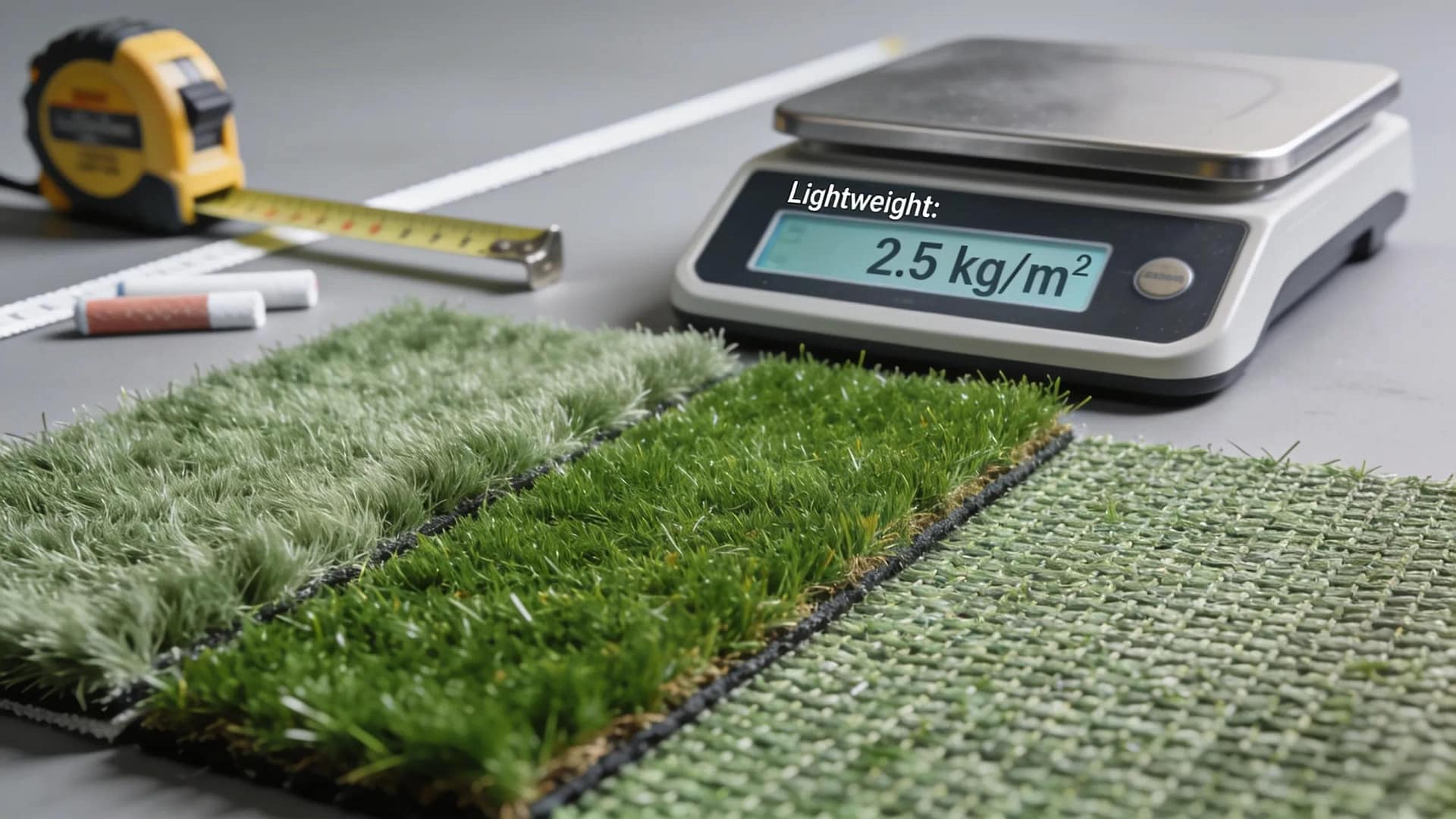
When selecting materials for synthetic turf, lightweight and durable options are essential. Two common types of synthetic turf materials are polyethylene and polypropylene.
- Polyethylene Turf: Known for its realistic appearance and softness, suitable for residential lawns.
- Polypropylene Turf: A more cost-effective option, suitable for shaded environments.
Both materials provide excellent durability while minimizing weight, making them ideal for rooftop applications.
Which Fastening Systems Are Best Suited for Rooftop and Courtyard Turf Installations?
Choosing the right fastening system for synthetic turf is critical for ensuring its stability and durability in rooftop and courtyard environments. Various factors influence the selection of fastening systems, including the type of surface, expected environmental conditions, and specific usage.
What Mechanical and Adhesive Methods Secure Synthetic Turf Effectively?
Mechanical and adhesive methods both play essential roles in securing synthetic turf. Mechanical methods typically involve the use of spikes, nails, or turf staples, while adhesive methods utilize specialized turf adhesives that bond the grass backing to the surface. The choice between these methods will often depend on the specific application and environmental conditions prevailing at the installation site.
Understanding the standard industry approaches to securing turf systems is essential for long-term project stability.
Fastening Systems for Rooftop Garden Membranes: Mechanical vs. Adhesive
The membrane can be glued or mechanically fastened to the roof substrate Roof and façade gardens, 2003
How Do Fastening Techniques Address Rooftop-Specific Installation Challenges?
Every rooftop presents unique challenges, including wind uplift and surface irregularity. Effective fastening techniques must address these challenges to ensure stability. For example, utilizing a combination of mechanical and adhesive fastening can provide greater resistance to movement and damage caused by high winds. Selecting the appropriate fastening system is crucial for ensuring a secure installation that can endure the rooftop environment.
How Are Drainage Systems Engineered for Synthetic Turf on Rooftops and Courtyards?
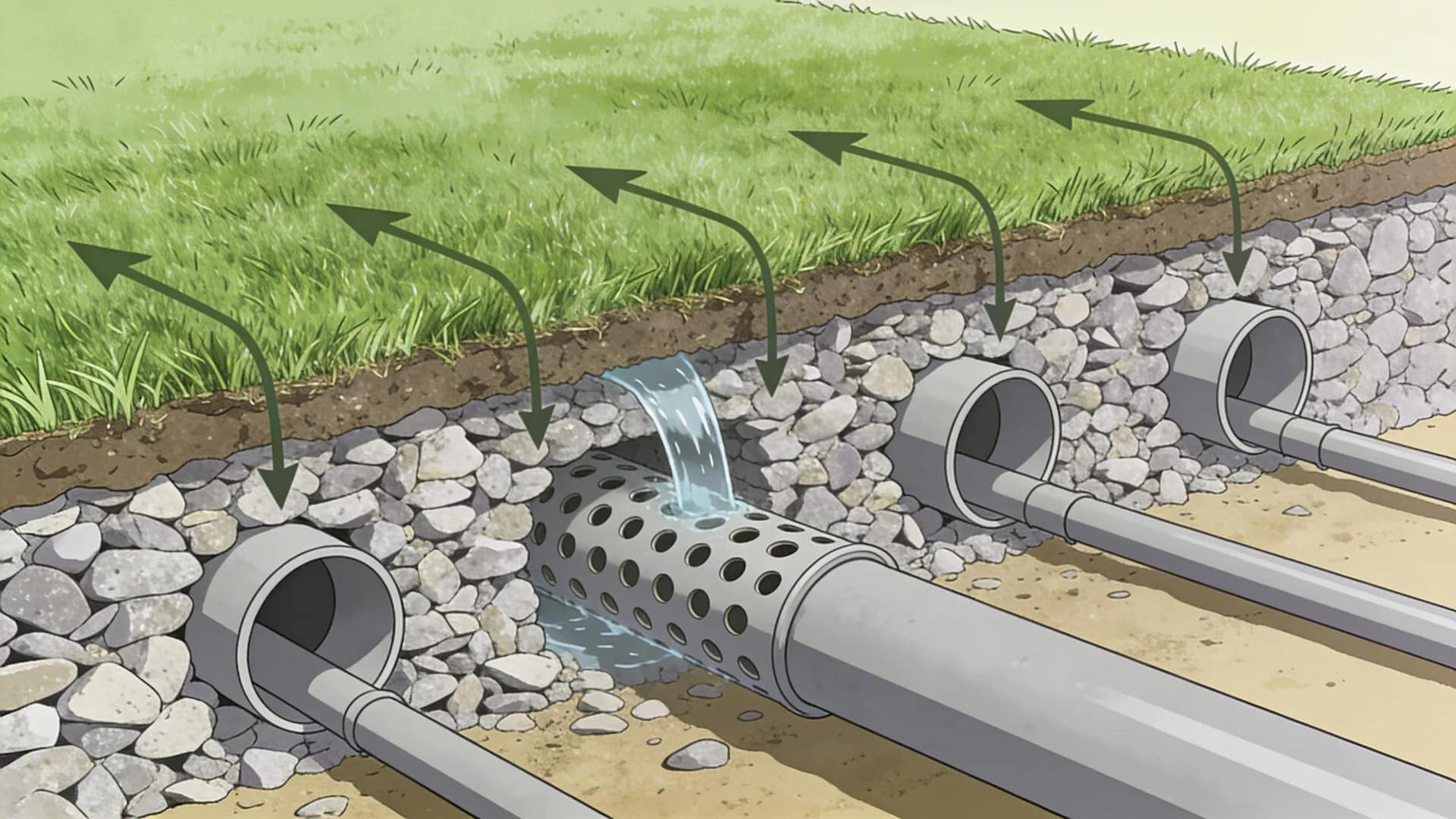
A well-designed drainage system is vital for preventing water accumulation under synthetic turf. Effective drainage ensures the turf remains safe and usable, preventing issues such as mold and buildup, which can damage both the turf and the underlying structure.
What Drainage Infrastructure Prevents Water Accumulation Under Synthetic Turf?
The drainage infrastructure typically includes perforated pipes and gravel layers that facilitate efficient water flow. Common materials for the base layer may include crushed stone and decomposed granite, known for excellent drainage properties. These components ensure that water is channeled away quickly, preventing pooling beneath the turf that could compromise its integrity.
How Do Local Colorado Environmental Conditions Influence Drainage Solutions?
In Colorado, varying environmental conditions can significantly influence drainage design. Factors such as seasonal snowmelt and rainfall necessitate a robust drainage system capable of handling sudden increases in water volume. Adapting the drainage infrastructure to these conditions is essential for maintaining the functionality and longevity of synthetic turf installations.
What Maintenance and Service Options Ensure Longevity of Rooftop Synthetic Turf?
Regular maintenance is essential for preserving the appearance and functionality of rooftop synthetic turf. Proactive care can prevent long-term issues and extend the lifespan of the installation.
What Routine Care Is Required for Rooftop and Courtyard Artificial Grass?
Routine care for synthetic turf includes tasks such as brushing to keep the grass upright, cleaning debris, and inspecting for any wear or damage. Most maintenance should be conducted every few months to ensure optimal performance and aesthetic quality.
How Does Artificial Grasscapes Provide Support, Repair, and Free Estimates?
Artificial Grasscapes offers comprehensive services that include installation, maintenance, and repair of synthetic turf. We provide “free estimates” to help clients understand the costs associated with their projects clearly. Our team is dedicated to ensuring the highest standards of service, contributing to the long-term health of your rooftop installations.

