
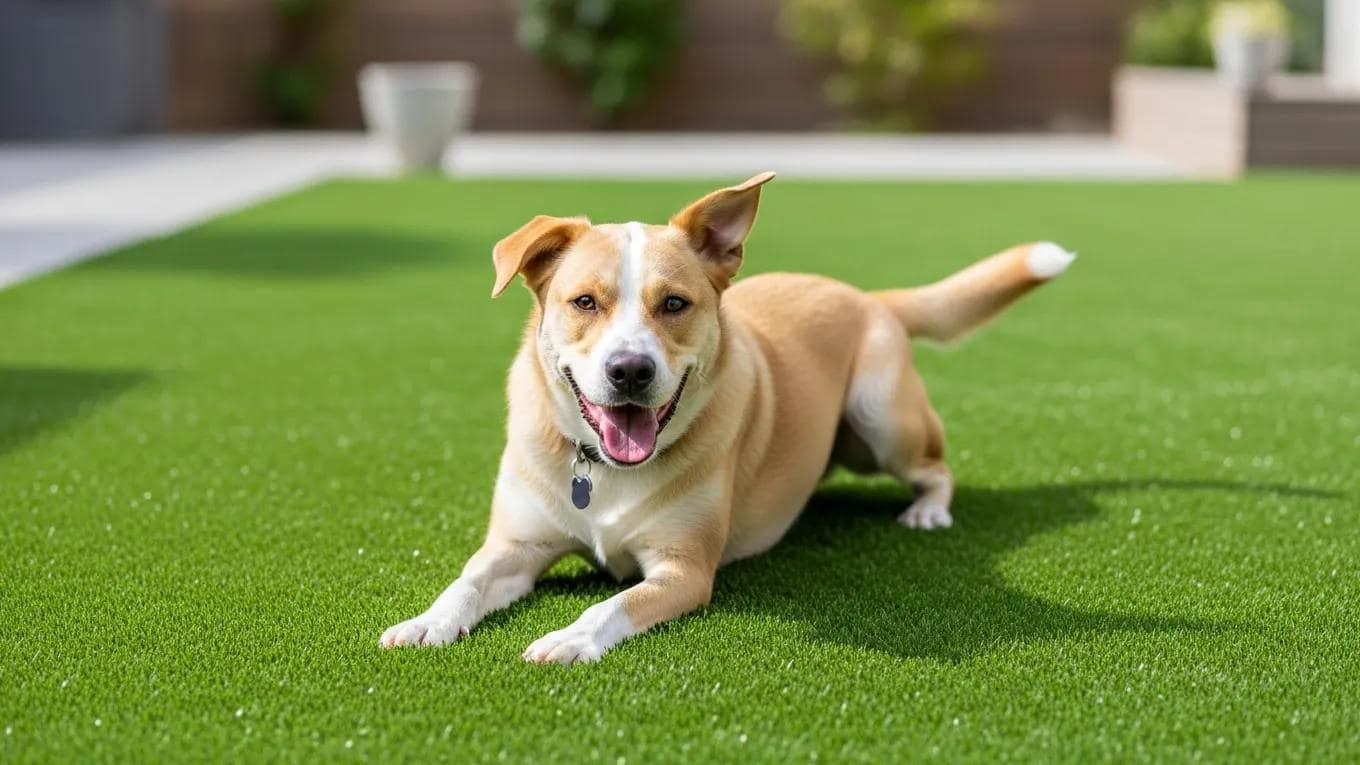
Maintaining a clean and sanitary environment for pets is essential for any pet owner, especially those with artificial grass. Pet turf cleaning and sanitation protocols not only enhance the aesthetic appeal of your lawn but also ensure a healthy space for your furry friends. This article will delve into effective methods for cleaning pet turf, focusing on the removal of pet urine and bacteria, eco-friendly cleaning options, and key maintenance practices. By understanding these protocols, pet owners can prevent odors and bacterial growth, creating a safe and enjoyable outdoor area for their pets. We will also explore how to properly sanitize synthetic grass and the importance of antimicrobial treatments in maintaining turf hygiene.
Cleaning Methods and Techniques
Effective cleaning methods for pet turf are crucial for maintaining its appearance and hygiene. Regular maintenance techniques include prompt waste removal, rinsing the turf with water, and using specialized cleaning products designed for artificial grass. These methods help to prevent the buildup of odors and bacteria, ensuring a pleasant environment for pets and their owners.
After implementing these cleaning methods, it’s important to consider professional services for installation and maintenance. Artificial Grasscapes specializes in artificial grass solutions tailored for residential and commercial clients in Colorado, including Castle Rock and Colorado Springs. Their offerings include installation, maintenance, and repair services for synthetic turf, with a focus on pet-friendly applications.
Removing Pet Urine and Bacteria
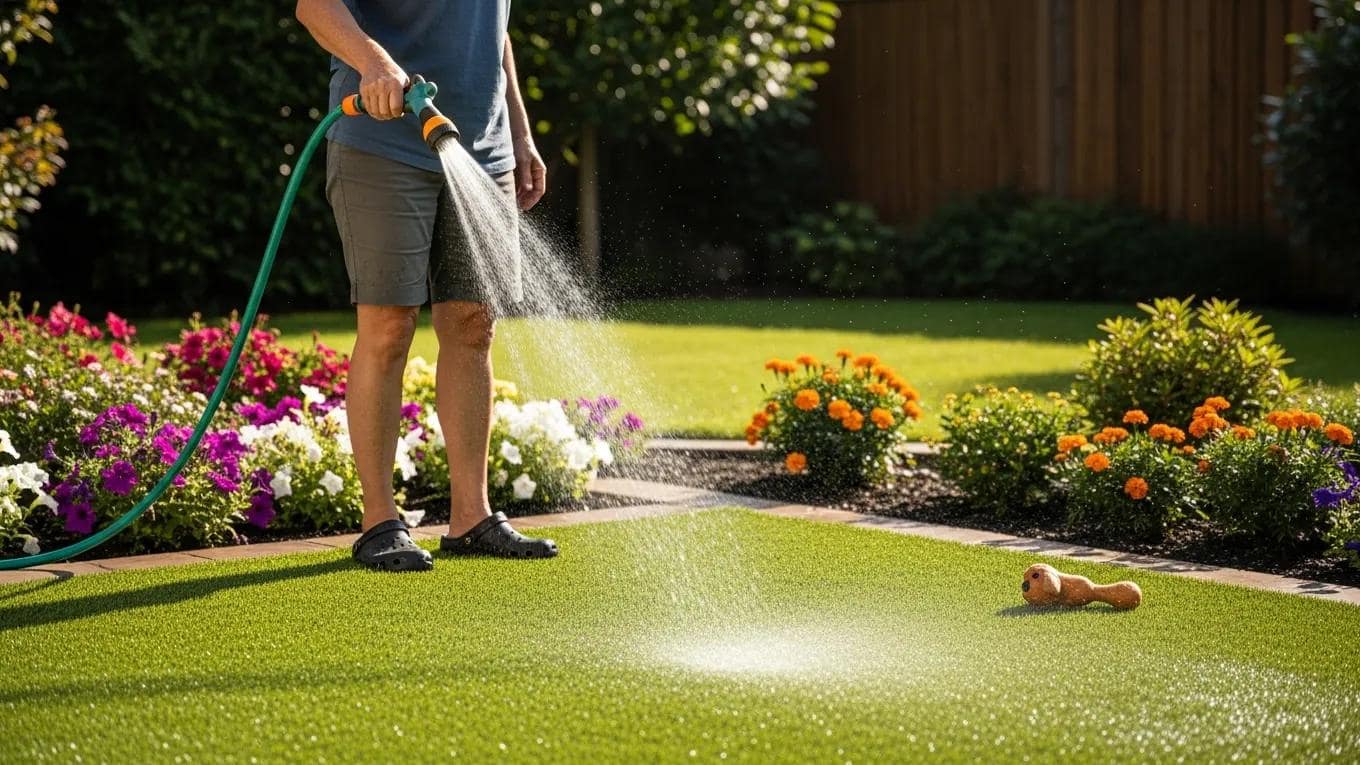
Removing pet urine and bacteria from synthetic grass is essential for maintaining a healthy lawn. The importance of drainage systems cannot be overstated, as they help to prevent urine from pooling and causing odors. Spot cleaning techniques, such as using a mixture of water and mild detergent, can effectively eliminate stains and odors. Additionally, the use of antimicrobial treatments can further enhance the cleanliness of your turf by preventing bacterial growth.
How to Remove Pet Urine and Bacteria from Synthetic Grass
To effectively remove pet urine and bacteria from synthetic grass, follow these steps:
- Rinse the Area: Use a hose to rinse the affected area thoroughly, diluting the urine.
- Apply Mild Detergent: Mix a mild detergent with water and apply it to the stained area.
- Scrub Gently: Use a soft brush to scrub the area, ensuring the detergent penetrates the turf fibers.
- Rinse Again: Rinse the area with clean water to remove any detergent residue.
- Dry the Area: Allow the turf to dry completely to prevent any lingering odors.
These steps will help maintain a clean and odor-free environment for your pets.
Eco-Friendly Cleaning Options
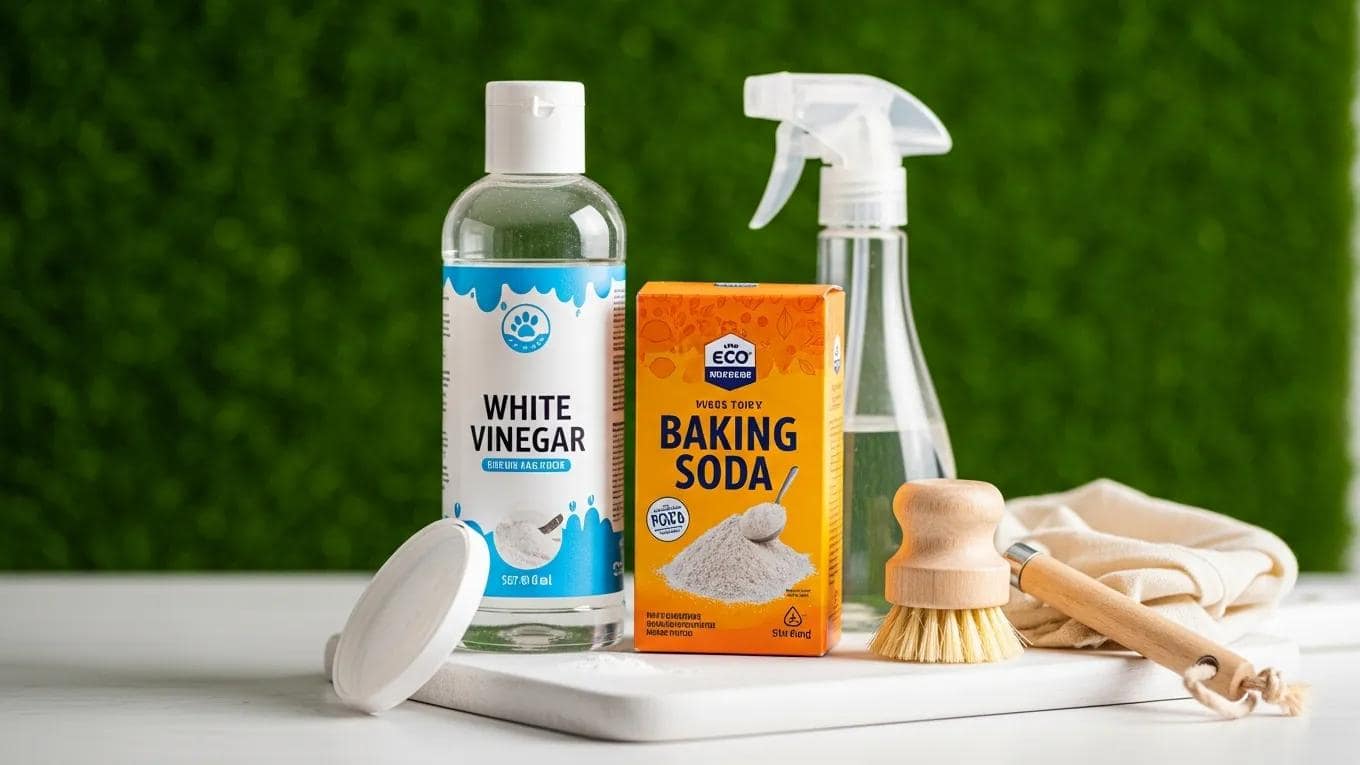
Eco-friendly cleaning solutions are becoming increasingly popular among pet owners. These options not only benefit the environment but also ensure the safety of pets. Natural cleaning solutions, such as vinegar and baking soda, can effectively neutralize odors and clean the turf without harmful chemicals. Additionally, using water conservation methods during cleaning can further enhance the eco-friendliness of your cleaning routine.
A comprehensive review highlights the broader implications of artificial grass, considering its safety and environmental impact for both families and pets.
Artificial Grass Safety & Environmental Impact for Pets
This review examines the safety and environmental implications of artificial grass, emphasizing its impact on families and pets. By integrating a wide array of studies, this paper aims to provide a comprehensive perspective on artificial grass, assessing its pros and cons from health, safety, and ecological viewpoints.
Safety and Environmental Benefits of Artificial Grass: A Research Review
After discussing eco-friendly options, it’s worth noting that Artificial Grasscapes offers eco-friendly turf solutions that align with sustainable practices. Their products are designed to be safe for both pets and the environment, making them an excellent choice for conscientious pet owners.
Key Maintenance Practices
Maintaining pet-friendly artificial lawns requires consistent effort and attention. Key maintenance practices include regular inspections for wear and tear, preventing mold and mildew growth, and using appropriate cleaning tools. Regular brushing and rinsing of the turf can help keep it looking fresh and inviting. Prompt waste cleanup is also essential to prevent odors and maintain hygiene.
How Can You Sanitize Synthetic Grass to Maintain a Healthy Pet Environment?
Sanitizing synthetic grass is vital for ensuring a healthy environment for pets. Recommended cleaning agents include pet-safe sanitizers that effectively eliminate bacteria without harming your pets. The frequency of sanitation should be based on usage; for heavily used areas, a weekly cleaning schedule is advisable. Proper drainage is also crucial to prevent water accumulation, which can lead to bacterial growth.
How Do Antimicrobial Treatments Enhance Turf Hygiene?
Antimicrobial treatments play a significant role in enhancing turf hygiene. These treatments work by inhibiting the growth of bacteria and fungi, which can cause odors and health issues for pets. The benefits of using antimicrobial treatments include improved odor control, a hygienic play area for pets, and increased durability of turf materials. By incorporating these treatments into your maintenance routine, you can ensure a cleaner and safer environment for your pets.
Research further supports the efficacy of these treatments in controlling bacterial presence on synthetic surfaces.
Antimicrobial Treatments for Bacteria on Synthetic Turf
the bacteria to survive on synthetic turf and the effectiveness of several antimicrobial treatments. On outdoor surfaces where the bacteria
Synthetic turf: history, design, maintenance, and athlete safety, AS McNitt, 2019
What Are the Key Maintenance Practices for Pet-Friendly Artificial Lawns?
Key maintenance practices for pet-friendly artificial lawns include:
- Regular Inspections: Check for signs of wear or damage to the turf.
- Prompt Waste Cleanup: Remove pet waste immediately to prevent odors.
- Using Mild Detergents: Clean the turf with pet-safe detergents to maintain hygiene.
These practices are essential for keeping your artificial lawn in top condition and ensuring a safe space for your pets.
How Often Should You Clean and Sanitize Pet Turf?
The frequency of cleaning and sanitizing pet turf depends on several factors, including the number of pets and the level of usage. For most households, a bi-weekly cleaning schedule is sufficient, with spot cleaning as needed. Areas that experience heavy foot traffic or frequent pet use may require more frequent cleaning to prevent odors and maintain hygiene.
Tips for Odor Control and Preventing Bacterial Growth
To effectively control odors and prevent bacterial growth on pet turf, consider the following tips:
- Prompt Waste Cleanup: Remove pet waste immediately to prevent odors from developing.
- Regular Rinsing: Rinse the turf regularly to dilute any urine and prevent buildup.
- Use Antimicrobial Features: Incorporate antimicrobial treatments to inhibit bacterial growth.
Implementing these tips will help maintain a fresh and clean environment for your pets.
How Do You Repair and Restore Artificial Turf Damaged by Pets?
Repairing and restoring artificial turf damaged by pets involves identifying the type of damage and applying appropriate solutions. Common types of pet damage include tearing and matting of turf fibers. Repair solutions may involve patching damaged areas or replacing sections of turf. For extensive damage, it may be necessary to seek professional help to ensure proper restoration.
When to Schedule Professional Turf Maintenance Services
Scheduling professional turf maintenance services is advisable when you notice signs of wear or damage, persistent odors, or drainage issues. Professional services can provide thorough cleaning, repairs, and maintenance to keep your artificial grass in optimal condition. Regular maintenance can extend the life of your turf and ensure a safe environment for your pets.
This table summarizes various cleaning methods, their application techniques, and their effectiveness in maintaining pet turf hygiene. By understanding these methods, pet owners can make informed decisions about their cleaning routines.
In conclusion, maintaining pet turf requires a combination of effective cleaning methods, eco-friendly options, and regular maintenance practices. By following these protocols, pet owners can ensure a clean, safe, and enjoyable environment for their pets.