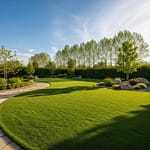
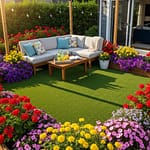
Artificial Turf Installation for Low-Maintenance Colorado Yards
Benefits of Installing Artificial Grass

- Water Conservation: One of the most significant benefits of artificial grass is its ability to conserve water. Unlike natural grass, synthetic turf does not require regular watering, which is especially beneficial in drought-prone areas like Colorado.
- Low Maintenance Requirements: Artificial grass eliminates the need for mowing, fertilizing, and pest control, significantly reducing the time and effort required for yard maintenance.
- Durability for High Traffic: Synthetic turf is designed to withstand heavy foot traffic, making it ideal for families with children and pets. It maintains its appearance and functionality even under constant use.
Important Considerations
- Cost Considerations: While the initial investment for artificial grass may be higher than natural grass, the long-term savings on water bills and maintenance can offset these costs.
- Type of Grass Selection: Choosing the right type of artificial grass is crucial. Homeowners should consider factors such as color, texture, and durability based on their specific needs.
- Installation Process: Proper installation is essential for maximizing the lifespan and performance of synthetic turf. Homeowners may benefit from professional installation services to ensure the best results.
What Are the Best Artificial Turf Types for Colorado's Climate?
- Nylon Turf: Known for its durability and resilience, nylon turf is ideal for high-traffic areas and can withstand extreme temperatures without losing its shape.
- Polyethylene Turf: This type of turf offers a more natural look and feel, making it a popular choice for residential lawns. It is also UV-resistant, ensuring it maintains its color over time.
- Play Spring Turf: Specifically designed for play areas, Play Spring turf provides excellent shock absorption, making it safe for children and pets.
How Does Drought-Resistant Synthetic Grass Perform in Colorado?
- No Watering Required: This type of turf does not need irrigation, which is a significant advantage in areas with water restrictions.
- Maintains Appearance Year-Round: Drought-resistant grass retains its vibrant color and lush appearance throughout the year, regardless of weather conditions.
- Minimal Maintenance Needs: Homeowners can enjoy a beautiful lawn without the hassle of regular upkeep, making it a practical choice for busy lifestyles.
Which Pet-Friendly Turf Materials Are Safe and Durable?

- Non-Toxic Materials: Look for turf made from safe, non-toxic materials that won't harm pets if ingested.
- Durability for Pet Use: Choose turf that can withstand wear and tear from pets, including scratching and digging.
- Maintenance Tips for Pet Areas: Regular rinsing and brushing can help keep pet-friendly turf clean and odor-free, ensuring a safe environment for pets.
How Does Professional Artificial Turf Installation Enhance Backyard Longevity?
- Expertise in Installation: Professionals have the knowledge and experience to ensure that the turf is installed correctly, which is crucial for preventing issues such as uneven surfaces and drainage problems.
- Enhanced Durability: Proper installation techniques can improve the durability of the turf, allowing it to withstand the elements and heavy use.
- Time-Saving for Homeowners: Hiring professionals saves homeowners time and effort, allowing them to enjoy their new lawn without the stress of DIY installation.
What Are the Key Steps in Synthetic Turf Installation in Colorado?
- Excavation and Site Preparation: The area must be excavated to remove existing grass and debris, creating a level surface for the turf.
- Turf Laying and Securing: The synthetic turf is laid out and secured in place, ensuring it fits snugly without wrinkles or gaps.
- Infill Application: Infill materials are added to support the grass blades and provide stability, enhancing the overall performance of the turf.
How Does Proper Installation Reduce Maintenance Needs?
- Site Preparation Importance: Thorough site preparation ensures that the turf has a solid foundation, preventing issues such as shifting or uneven surfaces.
- Base Layer Installation: A well-constructed base layer provides drainage and stability, reducing the likelihood of maintenance issues in the future.
- Infill Application Benefits: The right infill material can enhance the turf's durability and performance, minimizing the need for repairs and upkeep.
What Are Essential Maintenance Tips for Synthetic Grass in Colorado?
- Regular Cleaning: Periodic cleaning to remove debris and dirt will help maintain the appearance of the turf.
- Brushing to Maintain Appearance: Brushing the grass blades can help keep them upright and looking natural.
- Debris Removal: Regularly removing leaves and other debris will prevent buildup and potential damage to the turf.
How to Maintain Pet-Friendly Synthetic Grass Effectively?
- Rinsing for Cleanliness: Regular rinsing can help remove pet waste and odors, keeping the turf fresh and clean.
- Brushing for Odor Control: Brushing the turf can help prevent odors from building up, ensuring a pleasant outdoor space.
- Durability Considerations: Choosing durable turf materials designed for pet use can enhance the longevity of the grass, making it a practical choice for pet owners.
What Are Recommended Cleaning and Repair Practices?
- Cleaning Frequency: Regular cleaning should be performed to maintain the turf's appearance and hygiene.
- Repair Techniques: Addressing any damage promptly can prevent further issues and extend the life of the turf.
- Material Considerations: Using appropriate cleaning products and techniques will help preserve the integrity of the synthetic grass.
What Are the Benefits of Residential Artificial Grass for Colorado Homeowners?
- Cost Savings Over Time: While the initial investment may be higher, the long-term savings on water and maintenance can be significant.
- Water Conservation Benefits: Artificial grass eliminates the need for irrigation, making it an eco-friendly choice.
- Aesthetic Appeal: Synthetic turf provides a lush, green lawn year-round, enhancing the overall appearance of the property.
How Does Synthetic Turf Contribute to Water Conservation?
- No Irrigation Needed: Unlike natural grass, synthetic turf does not require watering, significantly reducing water consumption.
- Significant Water Savings: Homeowners can save thousands of gallons of water each year by switching to artificial grass.
- Environmental Impact: By reducing water usage, synthetic turf contributes to overall environmental sustainability and conservation efforts.
What Cost and Warranty Options Support Long-Term Value?
- Initial Installation Costs: Understanding the upfront costs associated with artificial grass installation is essential for budgeting.
- Long-Term Savings: The reduction in water bills and maintenance costs can lead to significant savings over time.
- Warranty Options: Many artificial grass products come with warranties that provide peace of mind regarding durability and performance.