
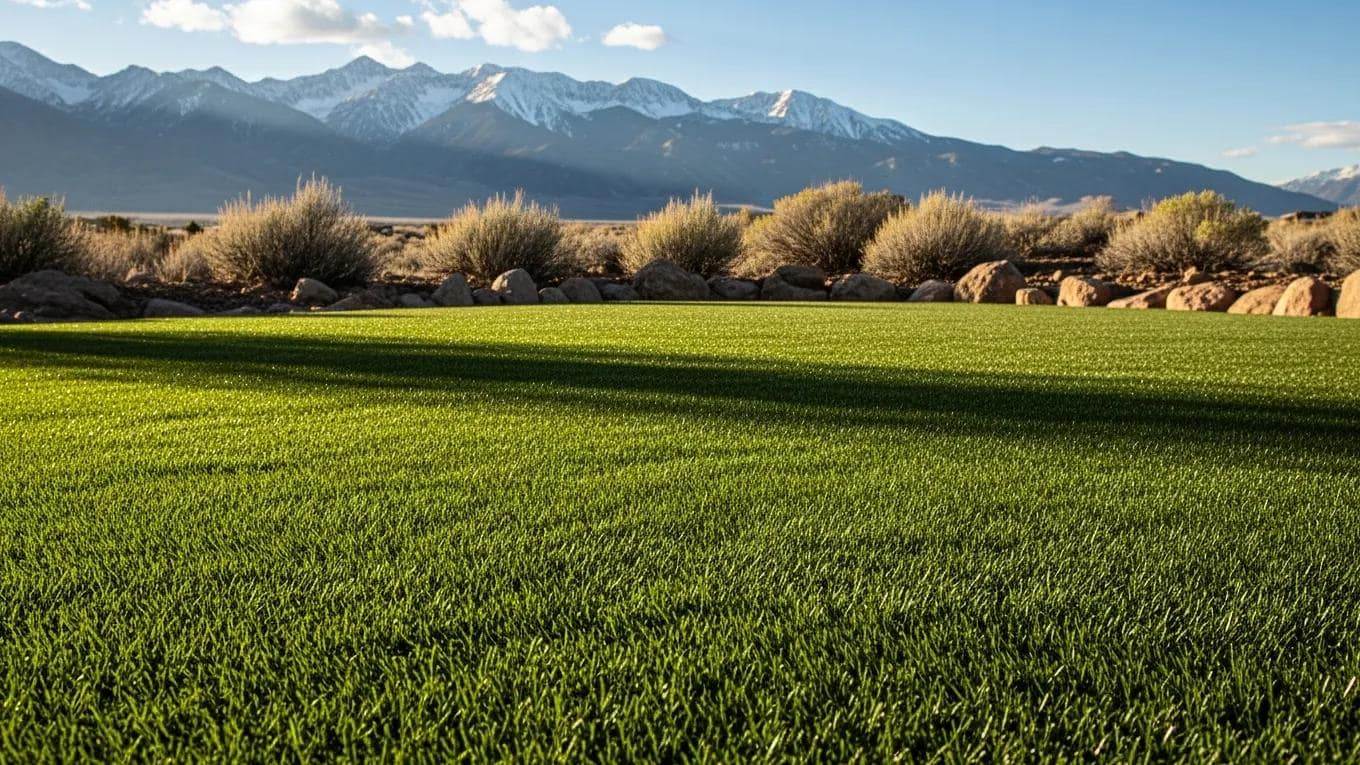
Installing artificial turf in areas with freeze-thaw soils presents unique challenges that require specialized knowledge and techniques. This article will explore the nature of freeze-thaw soils, their impact on turf installation, and effective strategies to ensure long-lasting results. Homeowners and landscapers alike often face issues related to soil movement and frost heave, which can compromise the integrity of artificial grass. Understanding these factors is crucial for achieving a durable and aesthetically pleasing lawn. We will delve into the best practices for turf installation, maintenance strategies, and the specific techniques that can mitigate the effects of freeze-thaw cycles.
Expert Solutions for Artificial Turf on Colorado Freeze-Thaw Soils
Freeze-thaw soils are characterized by their cyclical expansion and contraction due to temperature fluctuations, which can significantly impact the installation of artificial turf. These cycles lead to soil movement, which can create instability beneath the turf, resulting in uneven surfaces and potential damage. The understanding of freeze-thaw cycles is essential for anyone considering turf installation in colder climates, as it directly influences the durability and longevity of the grass.
Understanding Freeze-Thaw Cycles and Soil Movement
Freeze-thaw cycles occur when temperatures drop below freezing at night and rise above freezing during the day. This process causes water in the soil to freeze and expand, then contract as it thaws. Over time, this repeated cycle can lead to significant soil movement, which can disrupt the base layer of installed turf. The result is often uneven surfaces and compromised turf integrity, making it crucial to address these conditions during installation.
Impact of Frost Heave on Turf Durability and Stability
Frost heave is a specific phenomenon that occurs when soil expands due to freezing temperatures, pushing up the surface layer. This can lead to significant issues for artificial turf, including wrinkles, buckling, and even complete detachment from the base. Understanding the mechanics of frost heave is vital for ensuring that turf installations remain stable and durable over time. Proper preparation and installation techniques can mitigate these effects, leading to successful outcomes even in challenging conditions.
Which Turf Base Preparation Techniques Prevent Frost Heave in Cold Climates?
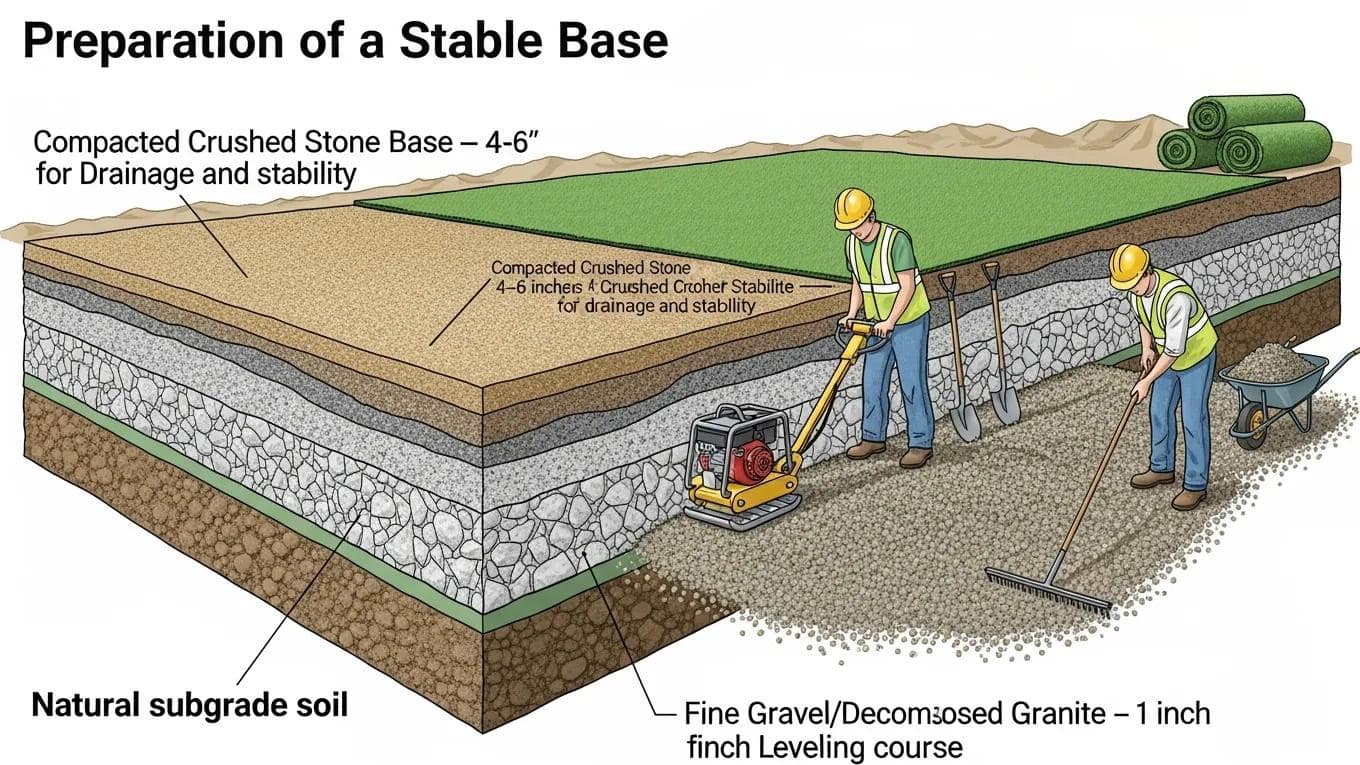
Effective base preparation is critical for preventing frost heave and ensuring the longevity of artificial turf installations. Various techniques can be employed to create a stable foundation that can withstand the challenges posed by freeze-thaw soils.
Engineered Base Layers and Soil Stabilization Methods
Engineered base layers are designed to provide a solid foundation for artificial turf, incorporating materials that enhance stability and drainage. These layers often include crushed stone or gravel, which allows for proper water drainage and reduces the risk of frost heave. Soil stabilization methods, such as the use of geogrids, can further enhance the strength and durability of the base, ensuring that the turf remains intact despite soil movement.
Use of Geotextiles and Drainage Solutions for Freeze-Thaw Soils
Geotextiles play a crucial role in managing water flow and preventing soil erosion beneath artificial turf. By using geotextiles in conjunction with proper drainage solutions, landscapers can create a barrier that minimizes the impact of freeze-thaw cycles. These materials help to maintain the integrity of the base layer, reducing the likelihood of frost heave and ensuring a stable surface for the turf.
Research further supports the effectiveness of geotextiles in reducing frost heave by creating capillary breaks within the soil.
Mitigating Frost Heave in Subgrade with Geotextile Capillary Breaks
Frost action beneath pavements can lead to several problems, including thaw weakening, which leads to cracking and subsequent pumping of fine soil particles onto the surface, as well as hazardous conditions caused by differential heaving. This study used data and frost-susceptible soil collected at Ravalli County Airport, Hamilton, Montana, to study the use of geotextiles to mitigate frost heave. The ability of geotextiles to reduce frost heave in subgrade material by creating a capillary break was assessed by inserting disks of fabric in soil samples and subjecting them to laboratory frost heave tests. Frost heave tests were also conducted to classify the frost-susceptibilities of soils at the airport. Soil moisture characteristics and unsaturated hydraulic conductivities were determined for soils tested as well as for one of the geotextiles used. Results of the laboratory investigation indicate that certain geotextiles show promise for use as capillary breaks. In laboratory tests, the presence of geotextiles led to the reduction of frost heave by amounts up to about 60.
Laboratory investigation of the use of geotextiles to mitigate frost heave, 1990
Beyond frost heave mitigation, geotextiles and drainage solutions are also crucial for overall soil stability in regions experiencing seasonal freezing.
Drainage & Geotextile Solutions for Soil Stability in Seasonal Frozen Regions
The main causes and influencing factors of artificial side soil slope slide of soil-cutting in seasonal frozen area are analyzed and put forward, and a mechanical theoretical model form is also put forward. Based on checking computation of artificial side slope saturated soil stability in melting period, it provides effective measures by adopting drainage to stabilize side slope instead of cutting it to keep soil-cutting side slope stable in the seasonal frozen area. Then the comprehensive stability technology of side slope by introducing geotextile as lower levels drainage and by adopting net geotextile lattice to stabilize soil and planting Malian grass.
Study on Protection Measures of Highway Cutting Soil Slope in Seasonal Frozen Regions, 2014
How Can Winter Turf Installation Techniques Ensure Long-Lasting Artificial Grass?
Installing turf during the winter months requires specific techniques to ensure that the grass remains durable and functional despite the cold conditions. Understanding these methods is essential for achieving successful installations in Colorado’s challenging climate.
Best Practices for Installing Turf During Colorado Winters
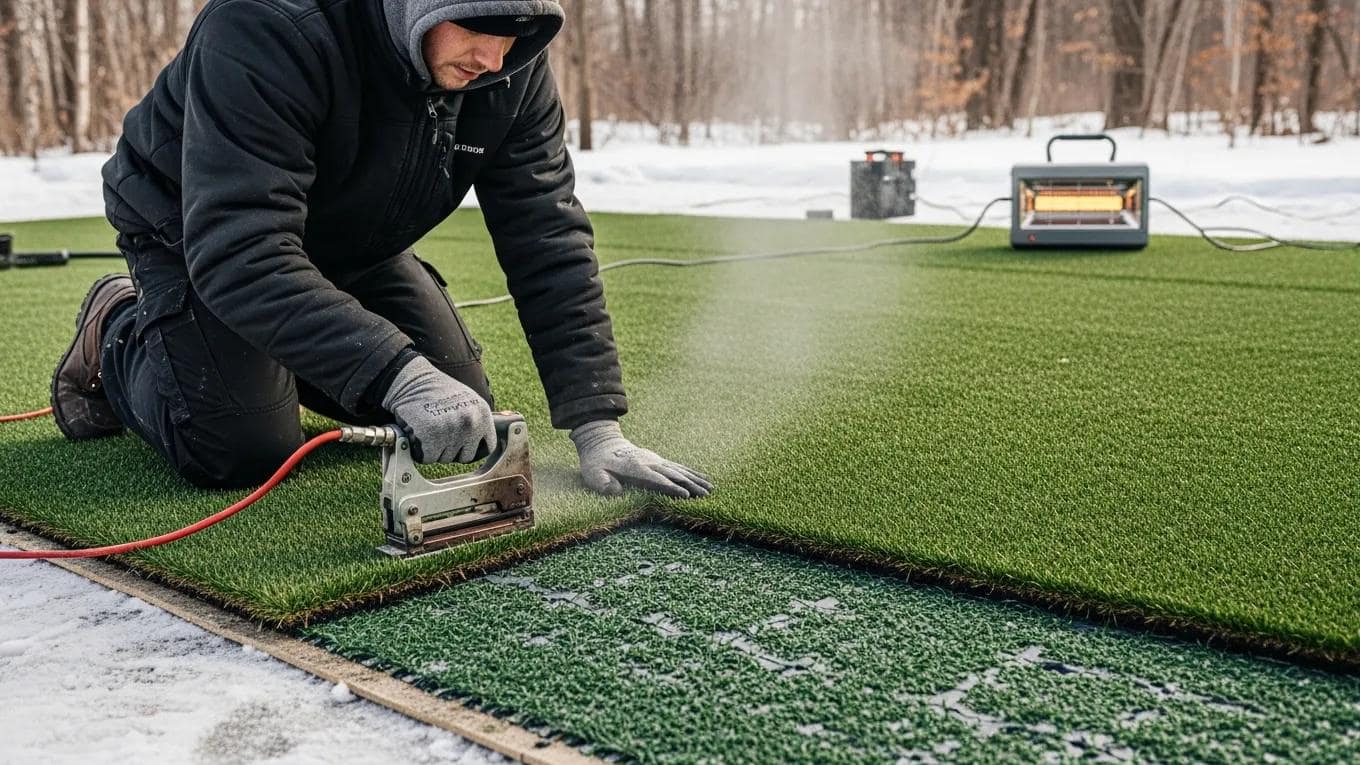
When installing turf in winter, it is important to consider factors such as ground temperature and moisture levels. Best practices include ensuring that the ground is adequately prepared and free of ice or snow before installation. Additionally, using specialized adhesives and infill materials that are designed for cold weather can enhance the bond between the turf and the base, ensuring a secure installation.
Material Selection for Durability in Freeze-Thaw Cycles
Choosing the right materials is critical for ensuring the longevity of artificial turf in freeze-thaw conditions. Turf products that are specifically designed to withstand temperature fluctuations and moisture variations will perform better over time. For instance, selecting turf with UV-resistant fibers and a robust backing can help prevent damage from the elements, ensuring that the grass remains vibrant and intact throughout the seasons.
What Maintenance and Repair Strategies Optimize Turf Performance Over Freeze-Thaw Soils?
Regular maintenance is essential for optimizing the performance of artificial turf, especially in areas prone to freeze-thaw cycles. Implementing effective strategies can help prevent damage and extend the life of the turf.
Routine Inspection and Frost Heave Damage Prevention
Routine inspections are vital for identifying early signs of frost heave and other potential issues. Homeowners should regularly check for uneven surfaces, wrinkles, or detachment of the turf from the base. Addressing these issues promptly can prevent more significant damage and ensure that the turf remains in good condition. A maintenance checklist can include inspecting seams, checking for drainage issues, and ensuring that the infill material is evenly distributed.
Local Case Studies: Successful Turf Installations in Castle Rock and Colorado Springs
Examining local case studies can provide valuable insights into successful turf installations in areas with freeze-thaw soils. Projects in Castle Rock and Colorado Springs have demonstrated the effectiveness of using engineered base layers and geotextiles in preventing frost heave. These case studies highlight the importance of proper preparation and installation techniques, showcasing how tailored solutions can lead to successful outcomes even in challenging climates.


