How to Install Artificial Grass in Colorado Springs: A Step-by-Step Guide for Homeowners
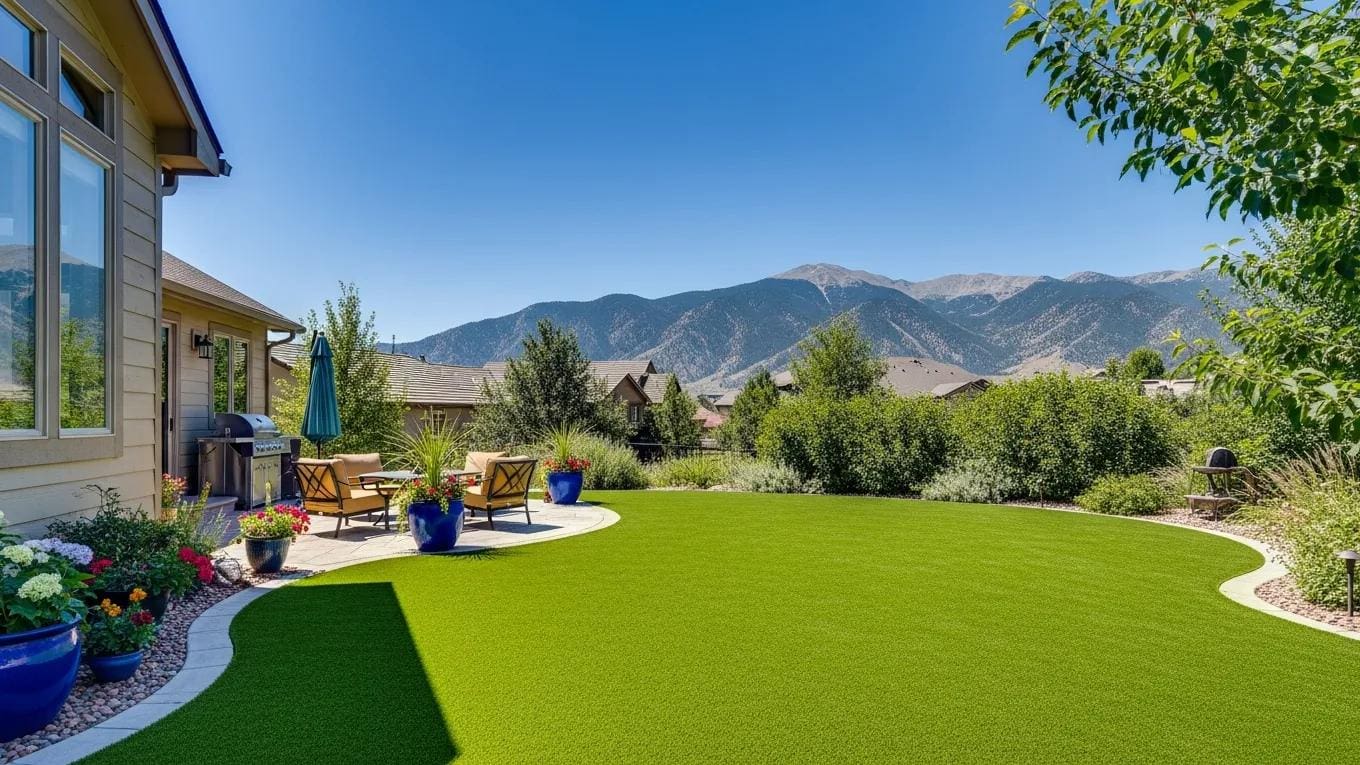
Installing artificial grass in Colorado can transform your outdoor space into a lush, green oasis that requires minimal maintenance. This comprehensive guide will walk you through the essential steps of installation, ensuring that you achieve a beautiful and durable lawn. Many homeowners in Colorado face challenges with traditional grass due to the region’s unique climate, which can lead to dry patches and high water usage. Artificial grass offers a sustainable solution that not only conserves water but also provides a pet-friendly and low-maintenance alternative. In this article, we will cover the step-by-step process of installing artificial grass, key preparations needed, maintenance tips specific to Colorado, and how to obtain a free estimate for your project.
Step-by-Step Guide for Installing Artificial Grass in Colorado
Installing artificial grass involves several critical steps to ensure a successful outcome. Each phase of the installation process is essential for creating a stable and visually appealing lawn. Understanding these steps will help you make informed decisions, whether you choose to tackle the project yourself or hire professionals.
Preparation
Before beginning the installation, it’s crucial to prepare adequately. First, decide whether you will handle the installation yourself or hire a professional. If you opt for DIY, ensure you have the right tools and materials. Selecting the appropriate type of artificial grass is also vital, as different options cater to various needs, such as pet-friendly surfaces or commercial-grade turf.
Site Assessment
Assessing your site is the next step in the installation process. Choose the area where you want to install the artificial grass and measure it accurately. Consider factors such as sunlight exposure, drainage, and existing vegetation. Proper site assessment will help you determine the best approach for your installation.
Excavation
Excavation is a critical phase that involves removing existing grass and debris from the installation area. This step ensures that the ground is level and free of any obstacles that could affect the installation. After clearing the area, excavate the soil to a depth of about 2-4 inches, which will accommodate the base layer and the artificial grass.
Note on Colorado Springs and Castle Rock Soil Conditions: Homeowners in Colorado Springs and Castle Rock should be aware that the local soil presents unique challenges. These areas sit on expansive clay and bentonite-rich soils that swell when wet and crack when dry. This makes proper sub-base preparation critical—skipping or rushing this step often leads to turf buckling, uneven surfaces, and drainage failure within just 1–2 seasons. It is recommended to excavate deeper than typical, about 3–4 inches, to fully remove the clay layer. This excavation depth allows for replacement with a compacted Class 6 road base aggregate, which is the local standard in El Paso and Douglas Counties. Bentonite clay, particularly common in Castle Rock’s geology, can cause significant heaving if not fully removed before base installation.
Base Preparation
Creating a stable base is essential for the longevity of your artificial grass. Install a base layer of crushed stone or gravel, which will provide drainage and support. Level the surface to ensure that it is even, as any unevenness can lead to issues with the installation and appearance of the grass.
Local Drainage and Climate Considerations: Colorado Springs averages about 25 inches of snow annually, and Castle Rock sits at an elevation of 6,224 feet, making freeze-thaw cycles a significant concern. To prevent ice pooling under the turf during winter months, it is important to maintain a proper drainage slope with a minimum 1–2% grade. Additionally, the region experiences intense afternoon thunderstorms, especially from June through August, which can drop 1–2 inches of rain in under an hour. A well-installed crushed aggregate base combined with adequate perforations in the turf backing ensures rapid drainage and prevents waterlogging. Due to the high altitude, UV exposure is significantly stronger than at sea level, so selecting UV-stabilized turf products rated for high-altitude installations is recommended to prevent premature fading and fiber degradation.
Installation of Artificial Grass
Once the base is prepared, it’s time to lay the artificial grass. Start by unrolling the turf and cutting it to fit the area. Secure the turf in place using landscape staples or adhesive, ensuring that the seams are tight and well-aligned. Finally, infill the grass with materials such as sand or rubber to help the blades stand upright and provide cushioning.
Finishing Touches
After the grass is installed, it’s important to complete the finishing touches. Trim any excess turf along the edges and brush the grass to ensure an even appearance. This step enhances the overall look of your new lawn and prepares it for use.
Maintenance Tips Specific to Colorado
Maintaining artificial grass in Colorado requires specific strategies to address the region’s climate. Regular cleaning is essential to remove debris and prevent odors, especially if you have pets. Brushing the grass helps keep the blades upright and looking fresh. Additionally, during the winter months, it’s important to clear snow and ice to prevent damage to the turf.
Key Preparation Steps for Installing Artificial Grass in Colorado
Before starting your installation, several key preparations are necessary to ensure a smooth process:
- Assess Site Conditions: Evaluate the soil type and drainage capabilities to determine the best installation method.
- Select Appropriate Materials: Choose the right type of artificial grass that suits your needs, whether for residential or commercial use.
- Determine Installation Method: Decide if you will install the grass yourself or hire professionals for the job.
How to Assess Your Site Considering Colorado’s Climate and Soil Conditions
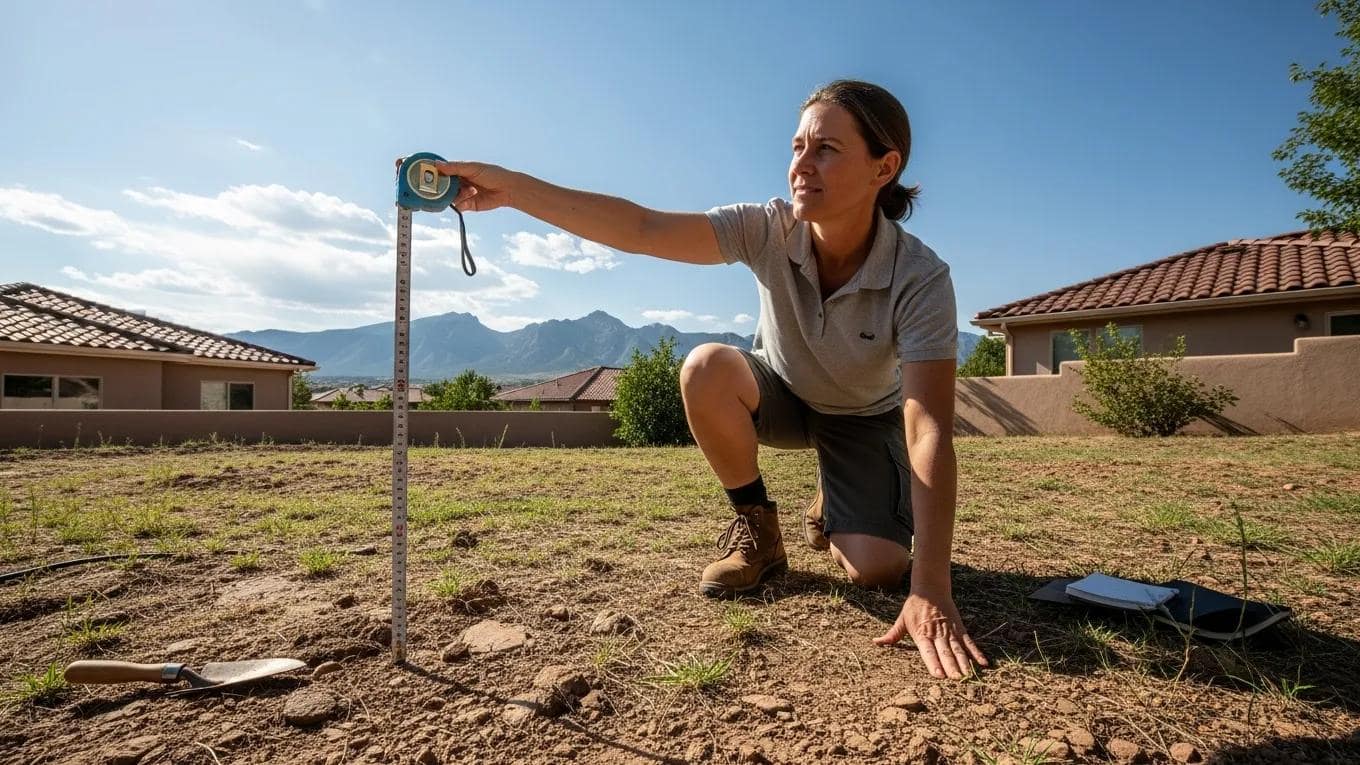
When assessing your site, consider the unique climate and soil conditions of Colorado. Evaluate the soil type to ensure it can support the base layer and drainage. Additionally, consider the area’s exposure to sunlight and wind, as these factors can affect the performance of your artificial grass.
Local Resources for Materials and Disposal: For homeowners and contractors in Colorado Springs and Castle Rock, Class 6 road base aggregate can be sourced from local suppliers within the Pikes Peak region and Douglas County. When excavating natural grass and soil, disposal should be planned carefully—both El Paso County and Douglas County offer green waste drop-off facilities. Contractors should factor haul-away costs into project quotes, as clay-heavy excavation material is significantly heavier than typical topsoil. Additionally, Artificial Grasscapes serves both Colorado Springs and Castle Rock and can provide guidance on local permitting requirements. Some homeowners associations (HOAs) in Castle Rock’s master-planned communities, such as The Meadows and Terrain, require HOA approval before turf installation.
Which Tools and Materials Are Essential for Synthetic Turf Installation?
To successfully install synthetic turf, you will need several essential tools and materials, including:
- Shovel and Rake: For excavation and leveling the base.
- Landscape Staples: To secure the turf in place.
- Infill Material: Such as sand or rubber for added stability and cushioning.
What Is the Step-by-Step Process for Installing Artificial Turf in Colorado?
The step-by-step process for installing artificial turf in Colorado includes preparation, site assessment, excavation, base preparation, turf installation, and finishing touches. Each step is crucial for ensuring a successful installation that meets the unique needs of Colorado homeowners.
How to Maintain and Repair Artificial Grass for Longevity in Colorado?
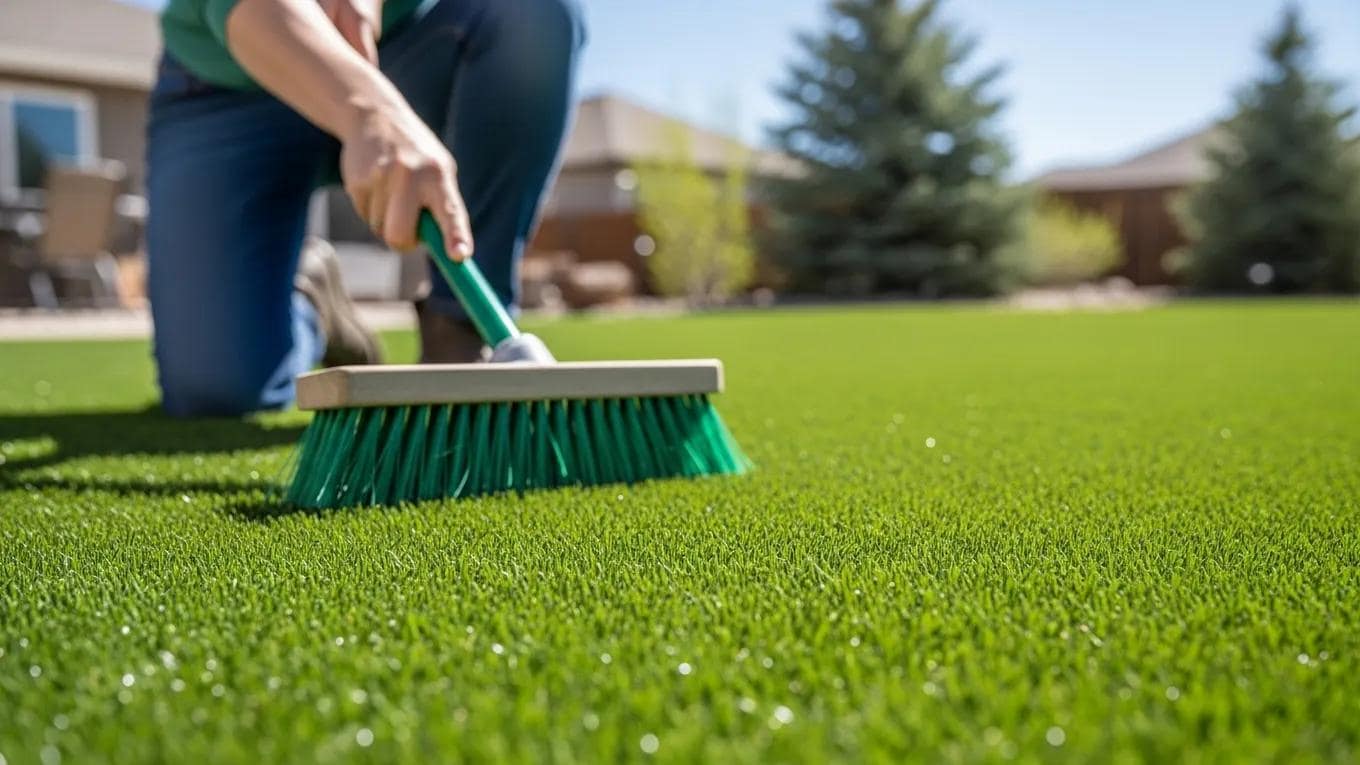
Maintaining artificial grass is essential for its longevity and appearance. Regular maintenance practices include cleaning the turf to remove debris, brushing the grass to keep it upright, and addressing any wear and tear promptly.
What Maintenance Services Ensure Pet-Friendly and Low-Maintenance Turf?
For pet owners, specific maintenance services can help keep your artificial grass in top condition. Regular cleaning services can remove pet waste and odors, while repair services can address any damage caused by pets.
How to Identify and Address Common Repair Needs in Synthetic Turf?
Common repair needs in synthetic turf include addressing seams that may come apart or areas that have become flattened. Regular inspections can help identify these issues early, allowing for timely repairs to maintain the turf’s appearance and functionality.
What Are the Cost Factors and How to Get a Free Estimate for Artificial Lawn Installation in Colorado?
Several factors influence the cost of installing artificial grass in Colorado, including the size of the area, the type of grass selected, and any additional features such as drainage systems.
Which Elements Influence the Installation Cost of Artificial Grass in Colorado?
Key elements that influence installation costs include:
- Size of the Area: Larger areas will naturally incur higher costs.
- Type of Grass Selected: Different types of artificial grass come with varying price points.
- Site Preparation Needs: Additional excavation or base preparation can increase costs.
How to Obtain a Personalized Free Consultation and Estimate from Experts?
To obtain a personalized free consultation and estimate, contact professionals who specialize in artificial grass installation. They can assess your site, discuss your needs, and provide a detailed estimate based on your specific requirements.
This table illustrates how various cost factors can impact the overall price of artificial grass installation, helping you budget effectively for your project.