By Dakota Carino, Artificial Grasscapes
Navigating the regulations surrounding “artificial turf installations” in homeowner associations (HOAs) can be complex, particularly in Colorado Springs. Recent legislative changes, such as Senate Bill 23-178, provide specific guidelines that affect how and where artificial turf can be used in residential areas. Homeowners will benefit from understanding these regulations to ensure compliance and avoid potential fines. This article focuses on the compliance requirements for homeowners looking to install artificial turf, the design approval process within HOAs, and the advantages of professional installation services. Key sections will discuss Colorado’s turf regulations, design approval procedures, and maintenance best practices for artificial turf.
What Are the Key Colorado Senate Bill 23-178 Regulations on Artificial Turf?
Senate Bill 23-178 establishes specific regulations that dictate the usage of artificial turf within Colorado, particularly concerning HOAs. This legislation aims to promote “sustainable landscaping practices” while allowing homeowners to utilize artificial turf. Understanding these regulations is vital for anyone considering backyard renovations to comply with local laws and HOA rules.
How Does SB 23-178 Define Acceptable Artificial Turf Use in HOAs?
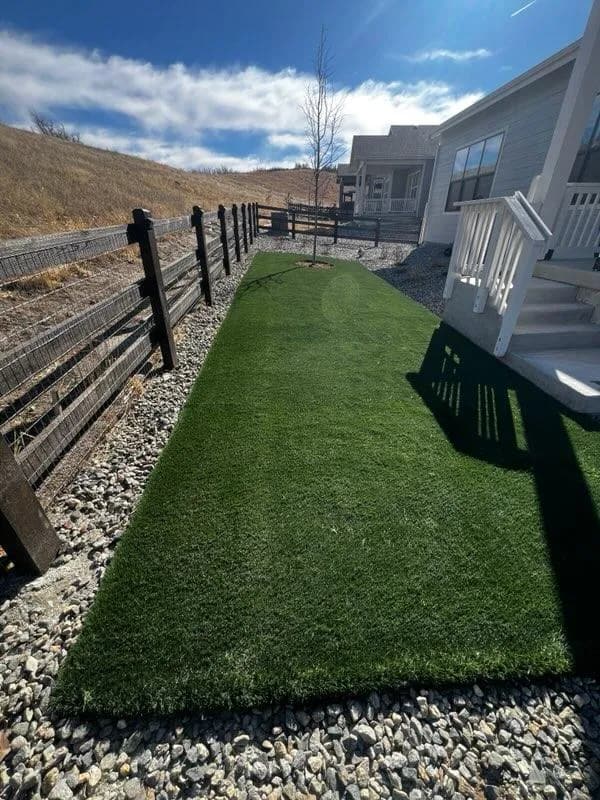
Senate Bill 23-178 defines acceptable artificial turf usage by outlining the necessary compliance requirements homeowners must adhere to when installing turf. This includes mandates regarding aesthetic consistency with the surrounding environment, quality of materials, and the types of areas where turf can be installed. Each HOA may also have its notification processes for homeowners wishing to install artificial turf, necessitating clear communication with the board.
Which Artificial Turf Types Are Approved Under Colorado Turf Laws?
Under Colorado turf laws, several types of artificial turf are approved for use, provided they meet specific quality and environmental standards. These include products made from durable materials designed to withstand varied weather conditions and those that are environmentally friendly. Homeowners should ensure that any turf they choose is compliant with these regulations to avoid issues with their HOA.
What Are the HOA Turf Rules and Design Approval Procedures in Colorado Springs?
HOAs in Colorado Springs maintain specific rules regarding the installation of artificial turf that homeowners must follow. Understanding the design approval process can streamline installation and ensure compliance with HOA guidelines.
How to Navigate HOA Design Approval for Artificial Turf Installation?
Navigating HOA design approval involves a clear process homeowners must follow. First, homeowners should submit an application detailing their proposed installation, including design specifics and the type of turf to be used. Accompanying documentation such as proof of compliance with local turf regulations and specifications of the products planned for installation may also be required. The approval process typically involves timelines set by the HOA for review and feedback.
What Landscaping Guidelines Must Your Turf Installation Meet?
When installing artificial turf, homeowners must ensure their project meets landscaping guidelines established by their HOA. This includes visual compatibility with neighboring properties, adherence to specific height restrictions, and maintenance expectations. Homeowners should coordinate with their HOA to receive detailed landscaping requirements to avoid any compliance failures.
What Are the Benefits of Choosing Professional Artificial Turf Installation Services?
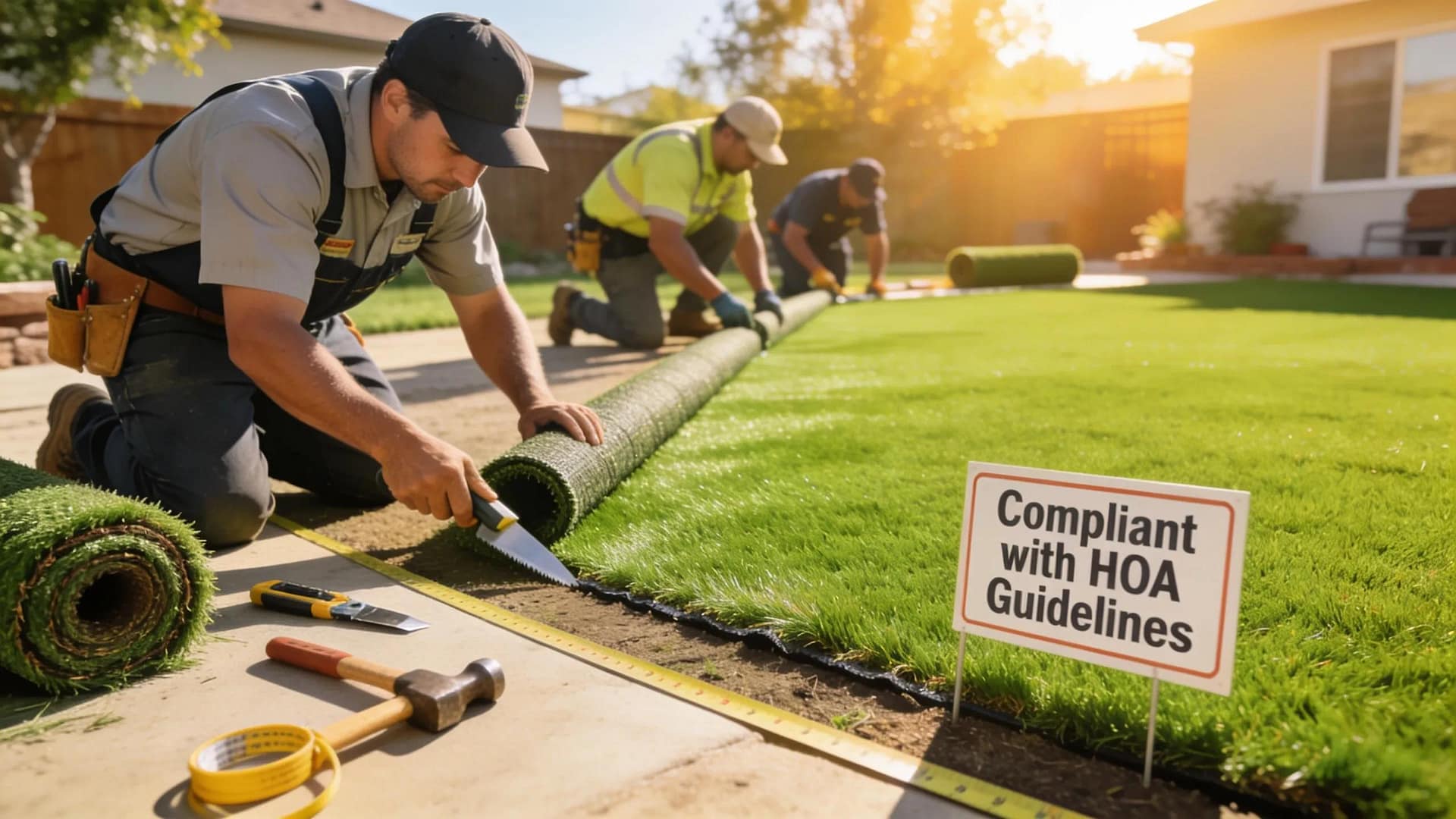
Utilizing “professional installation services” for artificial turf provides various benefits that can enhance the overall experience and outcome of the project. Engaging experts ensures compliance with local laws and HOA guidelines, potentially saving homeowners from future penalties or compliance issues.
- Cost-Effectiveness: Professional installation often leads to long-term savings on water bills and maintenance costs.
- Quality of Installation: Expert installers ensure that the turf is laid correctly, optimizing drainage and longevity.
- Long-Term Maintenance Advantages: Professionally installed turf requires less upkeep, providing a lush, green appearance year-round.
How Does Expert Installation Ensure HOA Compliance and Longevity?
Expert installation plays a crucial role in ensuring HOA compliance and the turf’s longevity. Professionals are well-versed in the latest turf installation techniques and local compliance demands. They also understand how to manage challenges such as drainage issues and compatibility with the existing landscaping, ensuring that the installation not only meets HOA standards but also performs well through various climate conditions.
What Features Make Turf Pet-Friendly and Low-Maintenance in Colorado’s Climate?
Selecting the right type of artificial turf is key for pet owners, especially in Colorado’s diverse climate. Ideal turf includes features that provide durability against wear and tear, as well as non-toxic materials appropriate for pets. Professional installers can recommend options that are easy to clean and maintain, ensuring that the outdoor space remains welcoming for pets and their owners.
How Should Homeowners Maintain and Repair HOA-Compliant Artificial Turf?
Maintaining artificial turf is essential for preserving its appearance and ensuring it remains HOA-compliant. Homeowners should establish a regular maintenance routine to address wear and keep the turf in optimal condition.
What Are Best Practices for Maintaining Approved Artificial Turf?
- Routine Cleaning: Regularly removing debris and dirt prevents the build-up of odors and maintains the visual appeal of the turf.
- Brushing Techniques: Periodically brushing the turf fibers helps keep them upright and prevents matting.
- Inspection Frequency: Conducting regular inspections aids in identifying any potential damage early, facilitating timely repairs.
When and How Should Turf Repairs Be Addressed for Compliance?
Addressing repairs promptly helps maintain compliance with HOA guidelines. Homeowners should watch for signs of wear, such as frayed edges or discoloration. When repairs are necessary, consulting with professional services ensures that the job is done correctly, maintaining the turf’s appearance and compliance status with HOA regulations.
Understanding and complying with HOA guidelines and Colorado’s Senate Bill 23-178 regarding artificial turf can lead to a sustainable and enjoyable outdoor space. Homeowners are encouraged to explore the benefits of professional installation services, as they can greatly enhance compliance and maintenance while providing specific features that accommodate pets and environmental considerations.