
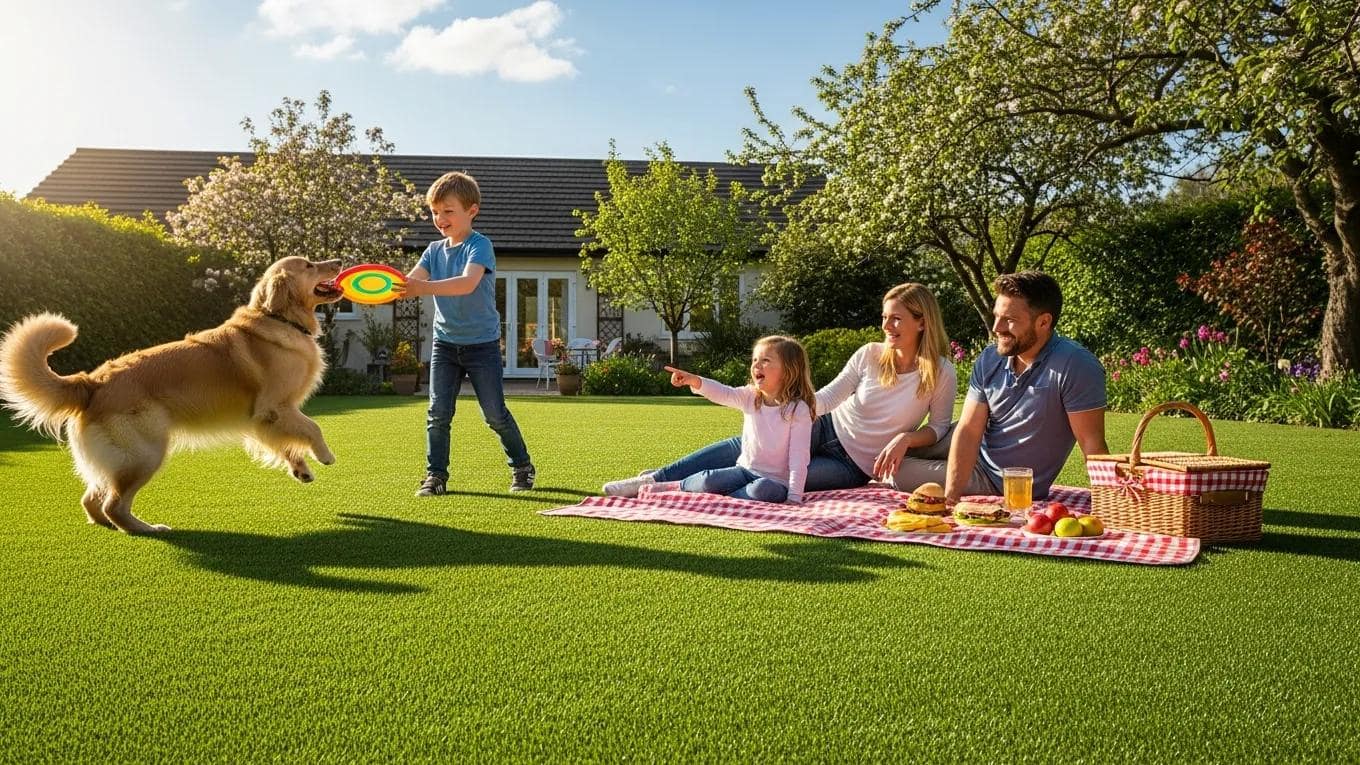
Installing artificial turf can transform your outdoor space into a lush, green oasis with minimal maintenance. This comprehensive guide provides a detailed checklist for DIY turf installation, ensuring you have all the necessary steps covered for a successful project. From site assessment to final touches, you’ll learn how to prepare your area effectively and select the right materials. Many homeowners face challenges with traditional grass lawns, such as high maintenance and water usage. By following this checklist, you can create a beautiful, low-maintenance landscape that enhances your property’s appeal. This article will cover essential steps, including site assessment, soil preparation, turf selection, installation techniques, and maintenance planning.
DIY Artificial Turf Installation Checklist
To successfully install artificial turf, it’s crucial to follow a systematic approach. This checklist outlines the essential steps you need to take to ensure a smooth installation process.
Site Assessment
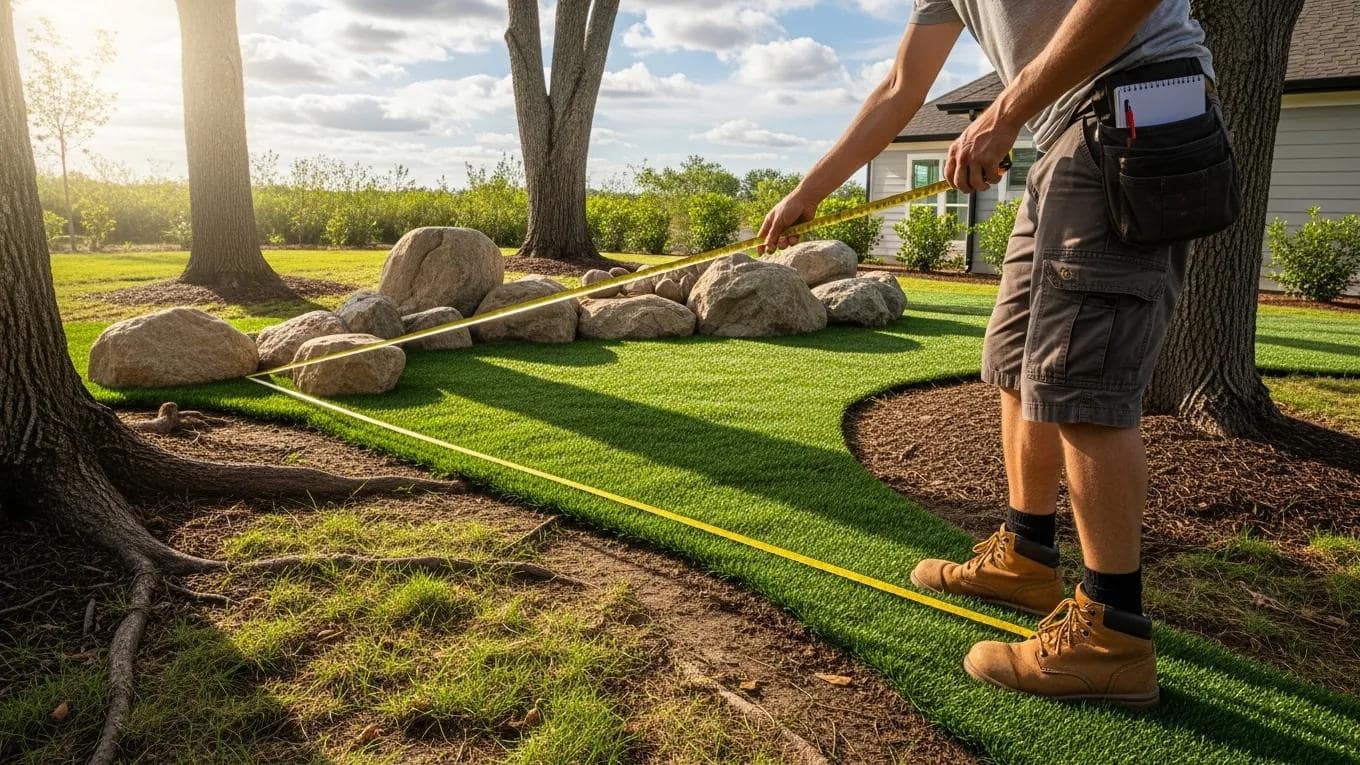
Before beginning your turf installation, evaluating the area is essential. This step involves several key considerations:
- Evaluate Size and Shape: Measure the area where you plan to install the turf to ensure you purchase the correct amount.
- Identify Obstacles: Look for trees, rocks, or other features that may require special attention during installation.
- Check for Sunlight Exposure: Determine how much sunlight the area receives, as this can affect the type of turf you choose.
Soil Preparation
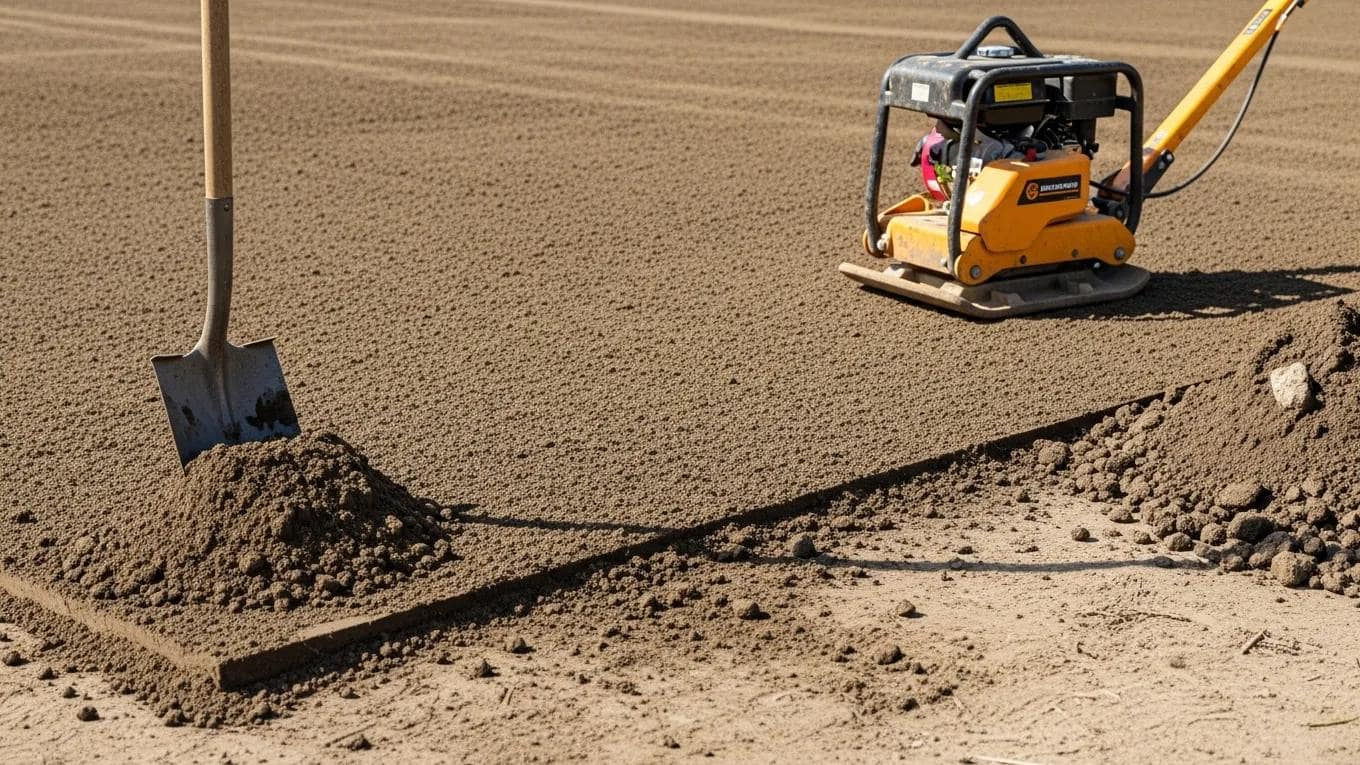
Proper soil preparation is vital for a successful turf installation. Here are the steps to follow:
- Excavate to the Required Depth: Remove existing grass and soil to create a level base for the turf, typically around 3-4 inches deep depending on the type of turf and base materials used.
- Remove Debris: Clear the area of any rocks, roots, or other debris that could interfere with the installation.
- Compact the Soil: Use a compactor to ensure the soil is firm and stable, providing a solid foundation for the turf.
Research further explores the various structural systems and sub-base materials that can influence the performance of artificial turf installations.
Comparing Artificial Turf Sub-Base Systems
A battery of perceptive physiological and physical tests were developed on four different structural systems of artificial turf (System 1: Compacted gravel sub-base without elastic layer; System 2: Compacted gravel sub-base with elastic layer; System 3: Asphalt sub-base without elastic layer; System 4: Asphalt sub-base with elastic layer).
Influence of the mechanical properties of third-generation artificial turf systems on soccer players’ physiological and physical performance and their perceptions, J Sánchez-Sánchez, 2014
Turf Selection
Choosing the right type of artificial grass is crucial for achieving the desired look and functionality. Consider the following factors:
- Consider Pile Height and Density: Different turf options have varying pile heights and densities, affecting their appearance and feel.
- Material Suitability for Intended Use: Select turf that is appropriate for your specific needs, whether for pets, children, or aesthetic purposes.
- Consult Professionals if Needed: If unsure, seek advice from turf specialists to ensure you make the best choice.
Installation Techniques
Once you have prepared the site and selected your turf, it’s time to install it. Follow these techniques for a successful installation:
- Roll Out Turf Properly: Lay the turf in the desired direction, ensuring it fits snugly against edges and corners.
- Secure Turf in Place: Use landscape staples or adhesive to keep the turf securely in position.
- Add Infill Materials: Apply infill materials to help the turf stand upright and provide cushioning.
Final Touches
After the turf is installed, it’s important to complete the final touches to achieve a professional look:
- Trim Excess Turf: Cut away any excess material along the edges for a clean finish.
- Brush the Turf: Use a broom to brush the turf fibers upright, enhancing its appearance.
- Clean the Area: Remove any debris or tools from the installation site to leave a tidy space.
Maintenance Planning
Establishing a maintenance routine is essential for keeping your artificial turf in top condition. Here are some tips:
- Routine Brushing and Rinsing: Regularly brush the turf to keep fibers upright and rinse to remove dust and debris.
- Check for Wear and Tear: Periodically inspect the turf for any signs of damage or wear that may need addressing.
- Plan for Periodic Maintenance: Schedule professional maintenance services to ensure your turf remains pristine over time.

