By Dakota Carino, Artificial Grasscapes
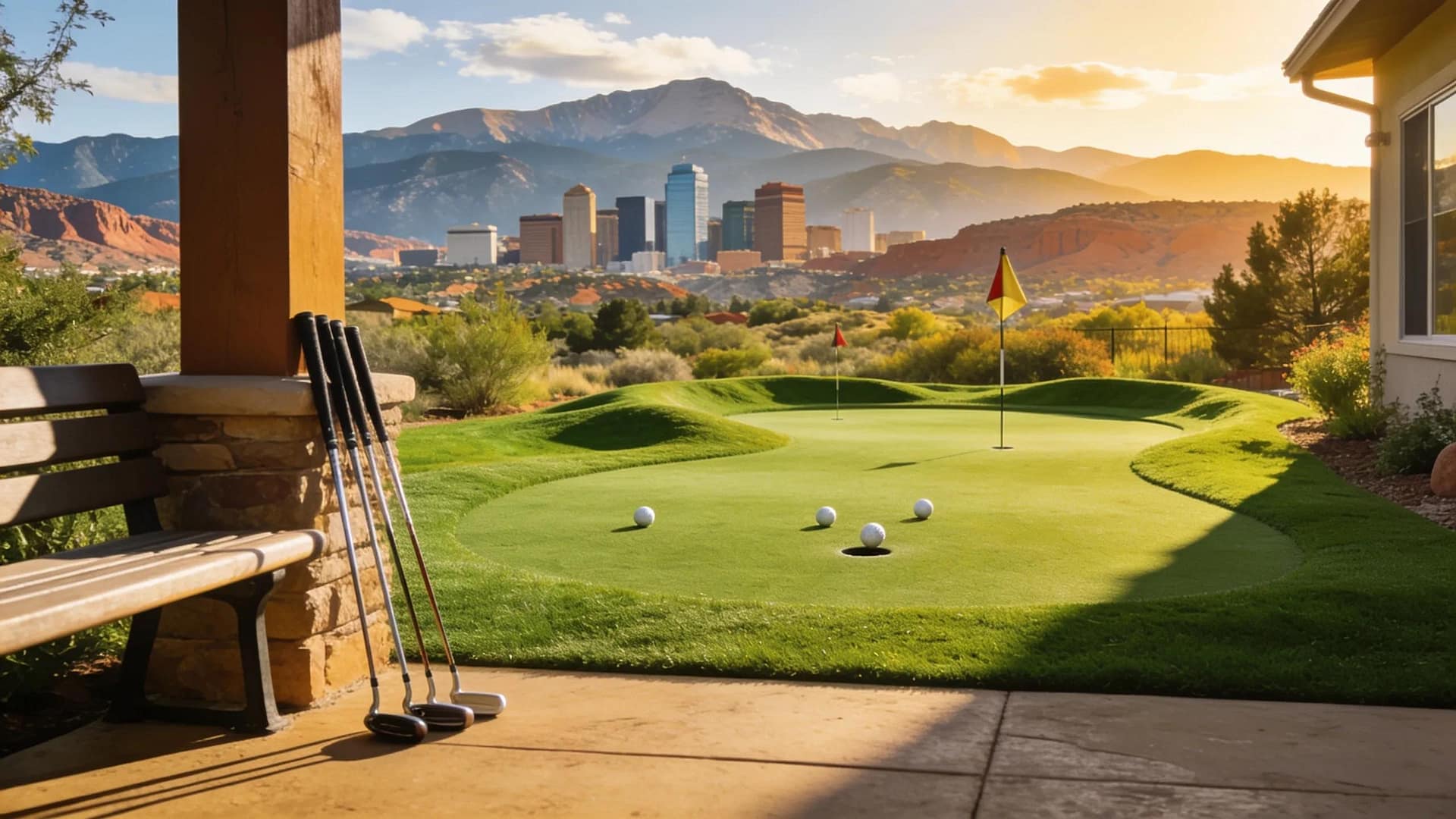
Creating a “custom backyard putting green” in Colorado Springs offers golf enthusiasts the chance to enhance their practice sessions right at home. A thoughtfully designed putting green incorporates ideal roll speeds and strategic elevation contours, factors that can significantly impact the overall playability and enjoyment of the game. This article delves into the essential elements of designing a high-quality putting green and provides insights into how elevation and speed can transform your golfing experience. With fluctuations in altitude and varying turf materials, homeowners can expect to learn valuable tips for achieving optimal performance on their greens. We will explore the intricacies of roll speeds, the importance of turf selection, the influence of elevation contours, and the overall installation and maintenance process, leveraging professional insights to ensure longevity and enjoyment.
How Do Roll Speeds Impact the Performance of Backyard Putting Greens in Colorado Springs?
Roll speed is a critical aspect that dramatically influences the performance of backyard putting greens. Understanding how various factors contribute to roll speed can help you create the perfect playing surface. Higher altitudes, which characterize Colorado Springs, can affect the ball’s speed due to lower air density. The “type of turf” and its characteristics, including pile height and infill density, can also directly impact how fast the ball rolls on your green.
What Are the Ideal Roll Speeds for Residential Artificial Turf Putting Greens?

The recommended roll speeds for residential artificial turf putting greens typically range from 10 to 13 feet on the Stimpmeter. This speed range maximizes playability while ensuring a realistic experience that mimics natural grass greens. Choosing the right infill material is crucial, as different infills produce varying degrees of friction and speed, further affecting the overall experience. For example, finer infills may yield faster roll speeds compared to coarser materials.
How Does Artificial Turf Type Influence Roll Speed Control?
Different types of artificial turf significantly influence the roll speed and playability of custom putting greens. Homeowners can choose from various turf options, including nylon, polyethylene, and polypropylene, each with distinct characteristics.
- Nylon Turf: Known for its durability and resilience, nylon turf can handle heavy foot traffic and weather elements, maintaining consistent roll speed.
- Polyethylene Turf: This option tends to feel softer underfoot and provides a more forgiving surface, making it ideal for a comfortable playing experience.
- Polypropylene Turf: While cost-effective and lightweight, polypropylene may not be as durable as other options, thus potentially fluctuating in roll speed.
Selecting the appropriate turf type is paramount in achieving the desired performance from the putting green.
What Role Do Elevation Contours Play in Designing Custom Putting Greens?
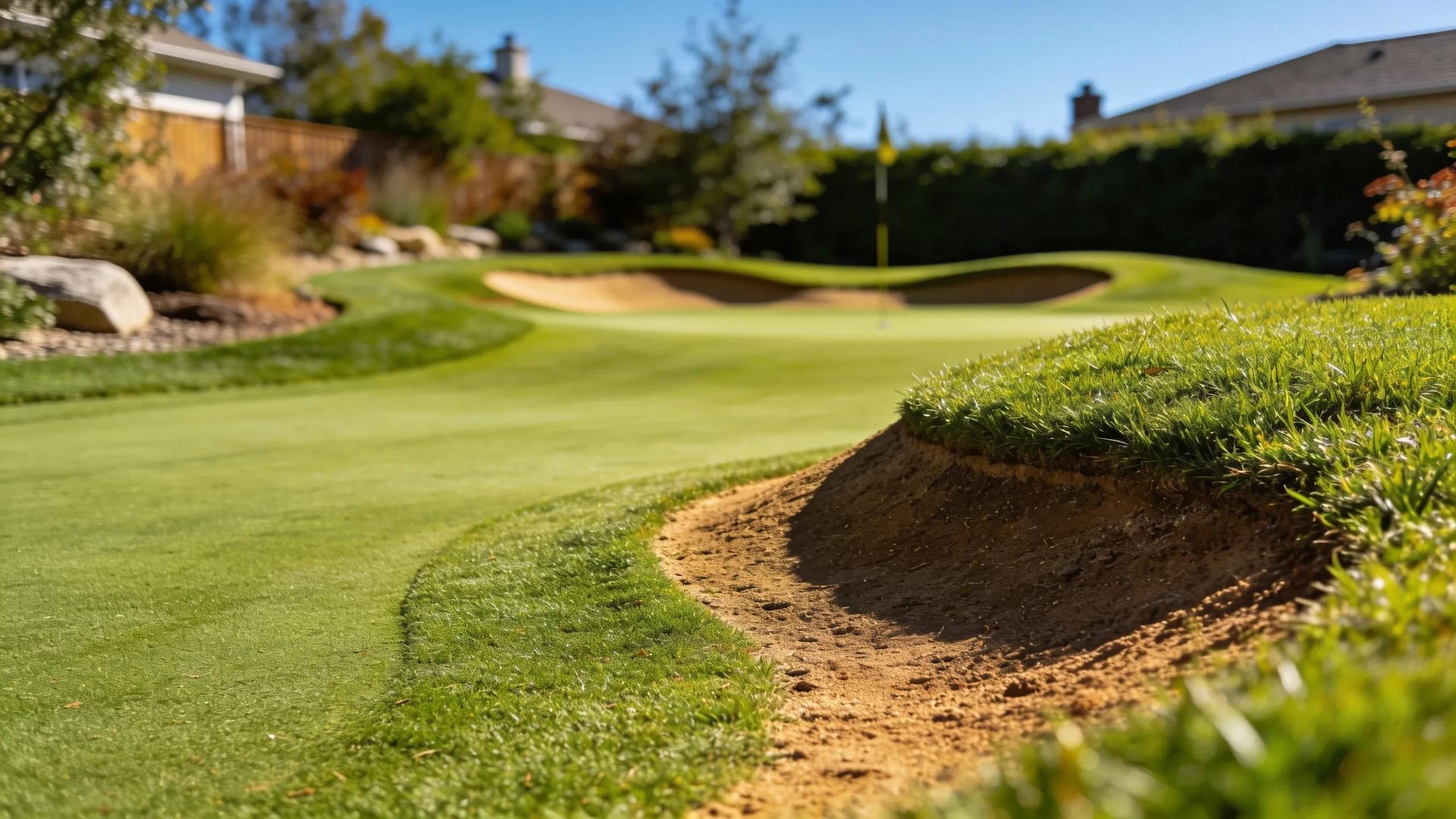
Elevation contours are essential in the design and functionality of custom putting greens, as they influence both drainage and playability. By integrating slopes and undulations into the green, you can create a more challenging and enjoyable golfing experience. Properly designed “installation and maintenance” processes allow water to drain effectively, reducing puddles and maintaining a consistently dry surface, which is vital in Colorado’s seasonal climate.
How Are Elevation Contours Shaped to Create Realistic Putting Surfaces?
The shaping of elevation contours involves creating various slopes that disrupt a straight line, thereby providing golfers with a more realistic challenge. Effective contouring techniques include shaping the high and low points to guide water drainage while creating a visual appeal on the green. When properly executed, contours can enhance playability, making the green feel more authentic to naturally occurring golf surfaces.
Why Is Contour Precision Critical for Ball Roll Direction and Speed?
Precision in contour design is critical for ensuring that golf balls roll predictably regarding direction and speed. Any discrepancies in contouring can lead to misdirection and inconsistent speeds. For instance, overly steep slopes can drastically enhance speed while shallow angles might drastically reduce it. A well-crafted contour design ensures consistency, offering a realistic golfing experience and fostering skill development.
What Does a Professional Custom Backyard Putting Green Installation in Colorado Springs Involve?
Professionally installing a custom backyard putting green involves a series of critical steps to ensure optimal performance. The process begins with an accurate site assessment to evaluate the area and determine the best design for sustainable playability. This professional service typically includes factors such as soil evaluation, the excavation of the site, and the installation of base layers to support the turf.
Integrating high-quality materials and techniques during installation is crucial for long-lasting performance. Experienced installers typically follow industry best practices to deliver top-notch results, ensuring a beautiful addition to your backyard that stands up to Colorado’s unique climate.
How Can Homeowners Maintain and Repair Their Custom Putting Greens for Longevity?
Regular maintenance is essential for extending the life of your custom putting greens, helping them stay in excellent condition year-round. Homeowners should aim for a structured maintenance routine that includes brushing, infill replenishing, and dealing with any minor repairs promptly to prevent larger issues down the line.
What Are Recommended Care Practices for Artificial Turf in Colorado’s Climate?
In Colorado’s climate, it’s important to be proactive with care practices for artificial turf. Recommended care practices include:
- Regular Brushing: This helps keep the fibers upright and distribute infill evenly, ensuring consistent playability.
- Seasonal Inspection: Check for any signs of wear and tear, particularly after heavy use or significant weather events.
- Cleaning: Utilize a gentle soap solution to clean stains and debris, preserving the aesthetic quality.
Following these practices will keep your putting green looking vibrant and performing well despite changing weather conditions.
How Can Minor Repairs Preserve Putting Green Performance and Appearance?
Timely intervention for minor repairs can significantly extend the lifespan of your putting green. Homeowners should adopt a hands-on approach, identifying areas requiring attention before they escalate into major repairs. Some useful techniques include:
- Re-stretching Loose Turf: If you notice areas where the turf has come loose, re-stretching can maintain surface integrity and aesthetics.
- Filling in Bare Spots: Adding fresh infill material to worn-out areas can help restore the surface and maintain consistent roll speed.
- Routine Inspections: Regular inspections can uncover small issues before they become larger problems, enabling quick fixes.
These minor interventions are crucial for maintaining the performance and appearance of artificial turf throughout its lifespan.