Comparisons, Reviews and Buyer Guides for Turf Products

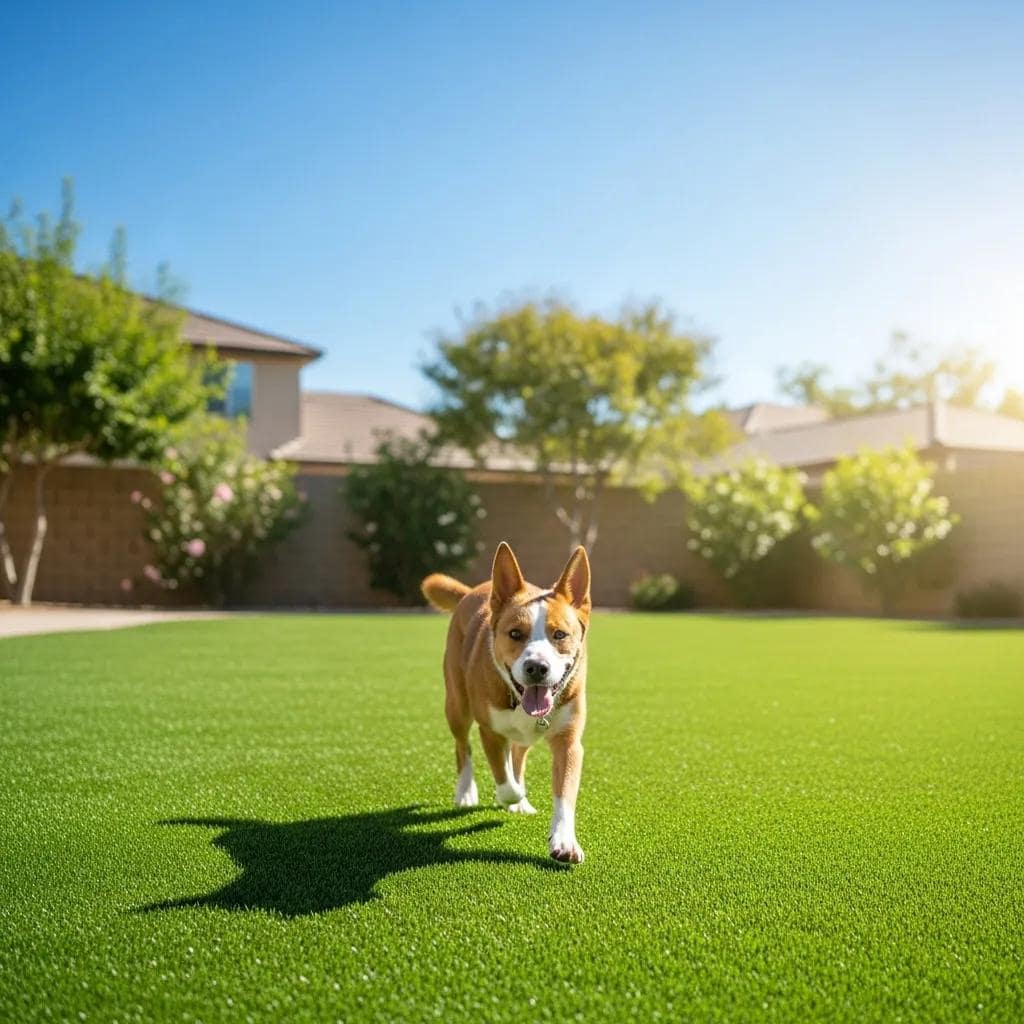
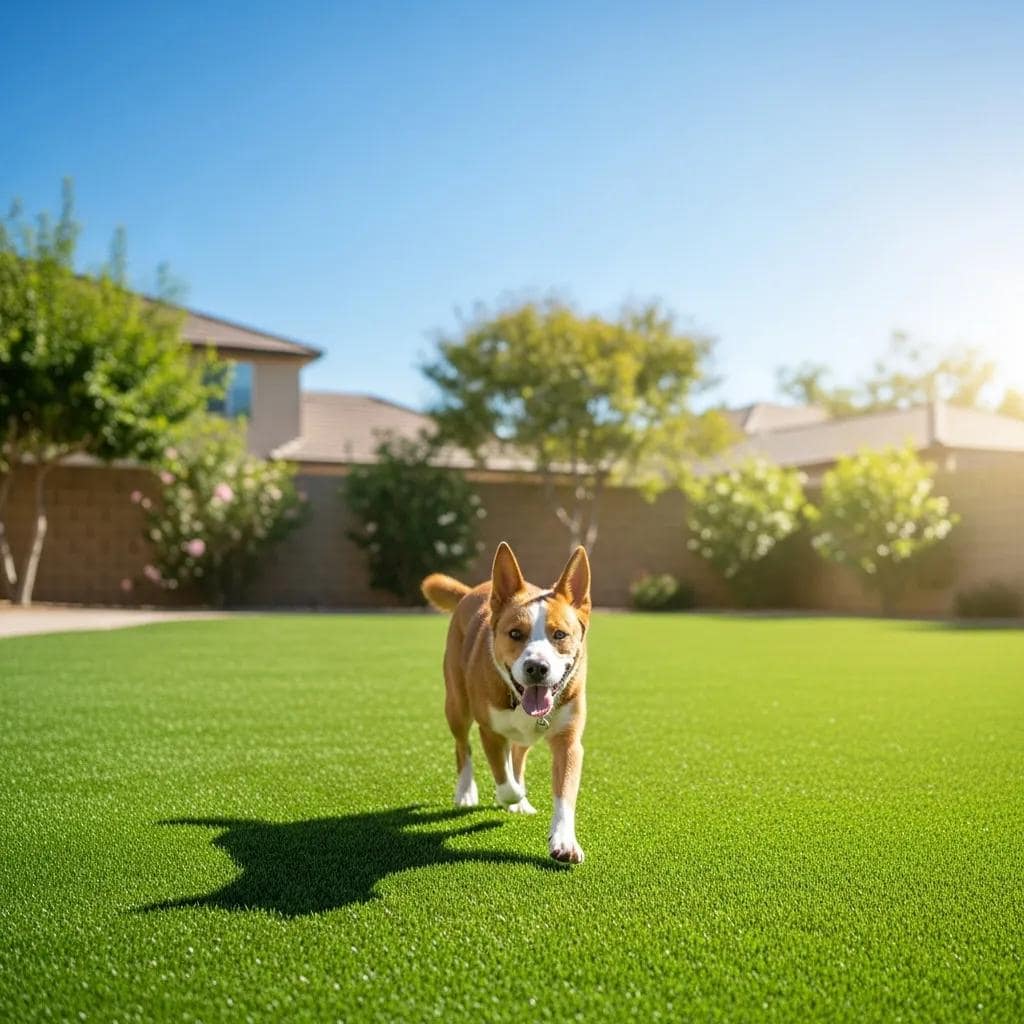
Happy dog playing on lush artificial turf lawn, showcasing pet-friendly features in a residential backyard setting.

Artificial Turf Buyer Guide: Product Comparisons, Reviews & Costs

Artificial turf has become a popular choice for homeowners and businesses alike, offering a low-maintenance alternative to natural grass. This comprehensive buyer guide explores various artificial turf products, focusing on comparisons, reviews, and insights into installation costs. Readers will learn about the best options available, particularly for pet owners, and how to navigate the installation process in Colorado. With the increasing demand for synthetic grass, understanding the nuances of different products and their associated costs is essential for making informed decisions. This guide will cover the best artificial grass options for pets, installation costs in Colorado, essential maintenance tips, and eco-friendly options.

The ongoing discussion about the benefits and drawbacks of artificial versus natural grass often highlights key considerations such as cost, health, and environmental impact.

Artificial vs. Natural Grass: Costs, Health & Environmental Debate

The debate between whether artificial grass or natural grass is better has recently gained popularity among sports advocates and athletes. The immediate explanation for this surge of popularity can be indicated by the increased concerns regarding environmental conservation, health concerns, and growing costs. Previous research has shown that the choice between the two surfaces often depends on specific needs and preferences, each having their own unique advantages and disadvantages.

The Cost of a Playing Surface: Artificial Turf Versus Natural Grass, 2025

What Are the Best Artificial Grass Options for Pets?
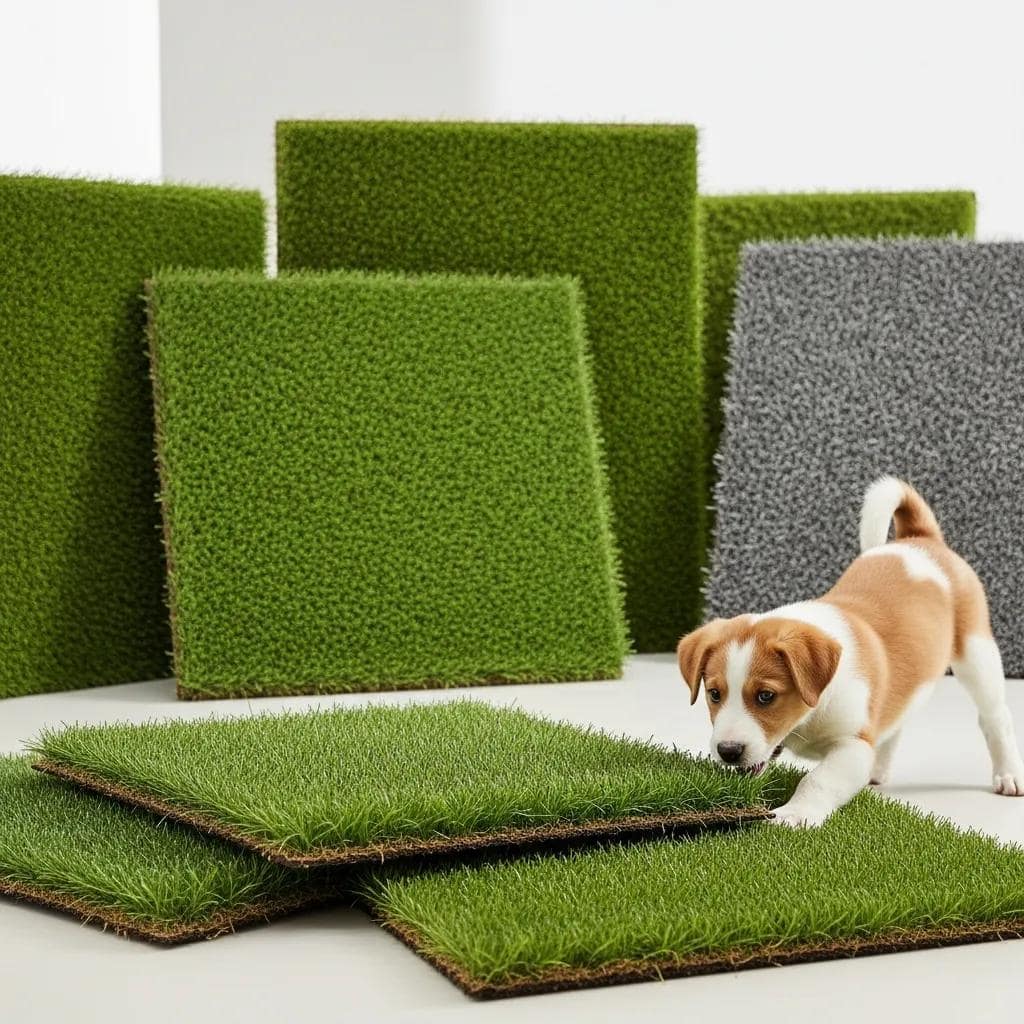
When selecting artificial grass for pet areas, safety and durability are paramount. Pet-friendly turf options are designed to withstand wear and tear while providing a safe environment for animals. These products often feature non-toxic materials and drainage systems to manage waste effectively.

How Does Pet Safety Influence Artificial Turf Selection?

Pet safety is a critical factor in choosing artificial turf. Many manufacturers prioritize non-toxic materials that are safe for animals, ensuring that pets can play and rest without exposure to harmful chemicals. Additionally, the texture of the turf can impact pet comfort, with softer surfaces being more appealing for animals to lie on.

Which Artificial Grass Brands Offer Durable, Pet-Friendly Solutions?

Several brands stand out for their durable, pet-friendly artificial grass options. These brands typically offer products that are resistant to fading, tearing, and staining, making them ideal for high-traffic pet areas. Customer reviews often highlight the longevity and ease of maintenance of these products, providing peace of mind for pet owners.

How to Understand Artificial Turf Installation Costs in Colorado?

Understanding the costs associated with installing artificial turf in Colorado involves several factors. The initial investment may seem high, but the long-term savings on water bills and maintenance can make it a financially sound choice.

What Factors Affect Artificial Turf Installation Pricing?

Several key factors influence the pricing of artificial turf installation. These include the size of the area being covered, the type of grass selected, and any necessary site preparation. For instance, larger areas may benefit from bulk pricing, while specialized turf types may incur higher costs due to their unique features.

How Does Property Size Impact Installation Cost Estimates?

Property size significantly impacts installation cost estimates. Generally, the cost per square foot decreases as the area increases, making larger installations more economical. Homeowners should consider their specific needs and budget when planning for installation, as this can lead to substantial savings.

What Are Essential Synthetic Turf Maintenance Tips for Longevity?

Maintaining synthetic turf is crucial for ensuring its longevity and appearance. Regular upkeep can prevent issues such as matting and discoloration, keeping the turf looking fresh and vibrant.

How Often Should Synthetic Turf Be Cleaned and Inspected?

Synthetic turf should be cleaned and inspected regularly to maintain its condition. A recommended cleaning schedule includes brushing the surface to prevent matting and rinsing to remove debris. Inspections should focus on identifying signs of wear, such as thinning or discoloration, which can indicate the need for repairs.

What Are Common Repair Practices to Extend Turf Life?

Common repair practices for synthetic turf include patching areas that have become damaged or worn. Homeowners can choose between DIY methods or hiring professionals, depending on the extent of the damage. Regular maintenance and timely repairs can significantly extend the life of artificial grass.

Which Eco-Friendly Artificial Grass Options Are Available?
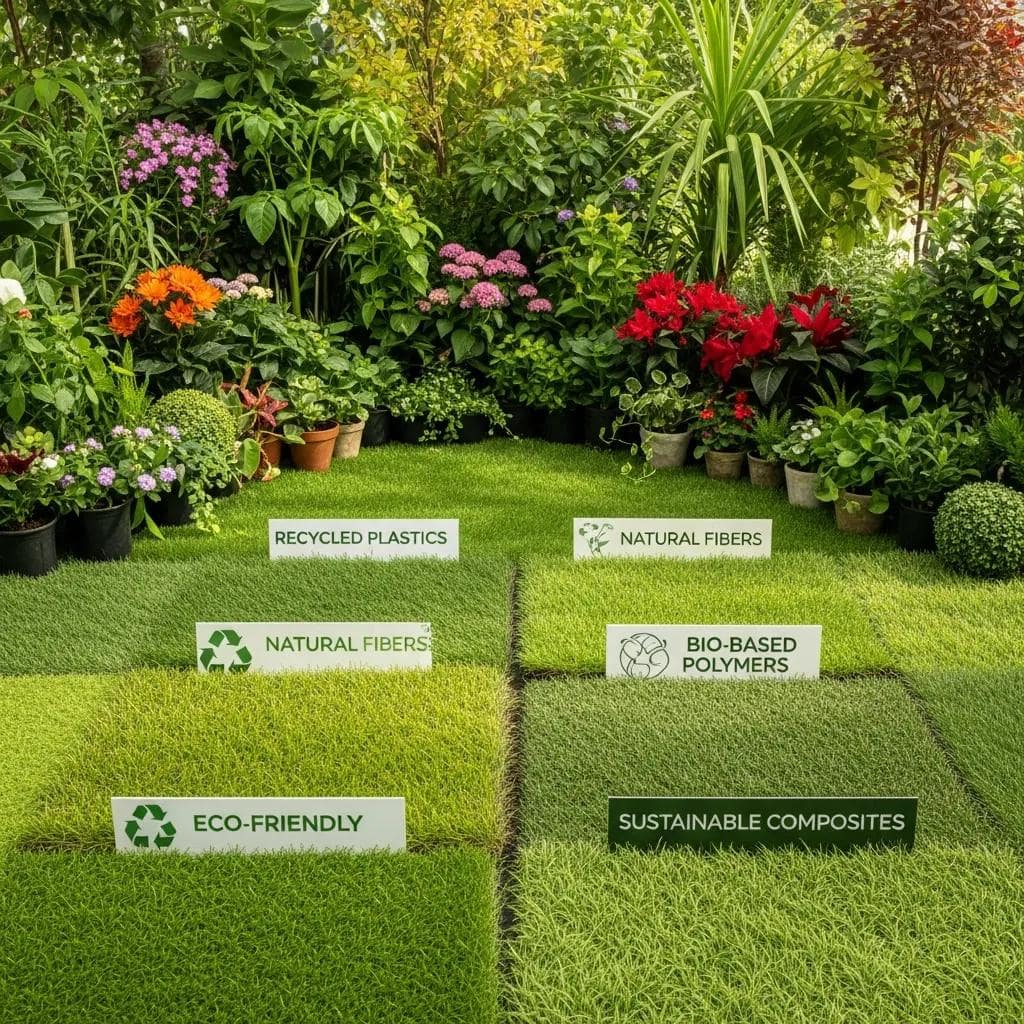
Eco-friendly artificial grass options are increasingly popular among environmentally conscious consumers. These products are designed to minimize environmental impact while providing the benefits of traditional synthetic turf.

Eco-Friendly OptionMaterial TypeBenefits
Recycled TurfRecycled plasticsReduces waste and conserves resources
Biodegradable TurfNatural fibersBreaks down over time, reducing landfill impact
Water-Saving TurfAdvanced drainageMinimizes water usage and runoff

This table highlights various eco-friendly options available in the market, showcasing their materials and benefits. Choosing sustainable turf solutions not only supports environmental conservation but also provides a practical landscaping alternative.