By Dakota Carino, Artificial Grasscapes
As urban development in Colorado continues to expand, the need for sustainable landscaping solutions becomes increasingly critical. Commercial developers are now focusing on “Return on Investment (ROI)” not only in terms of initial costs but also through operational expenses (OPEX) and water conservation. This article will delve into the comparative advantages of commercial turf over traditional sod, emphasizing water savings and reduced OPEX that ultimately lead to enhanced ROI for developers. Readers will gain insights into how to strategically approach these landscaping choices, considering both financial and environmental implications. The following sections will explore the water savings offered by artificial turf versus real sod, an analysis of operational expenditures associated with both options, and the broader environmental impacts of these choices.
Water Savings
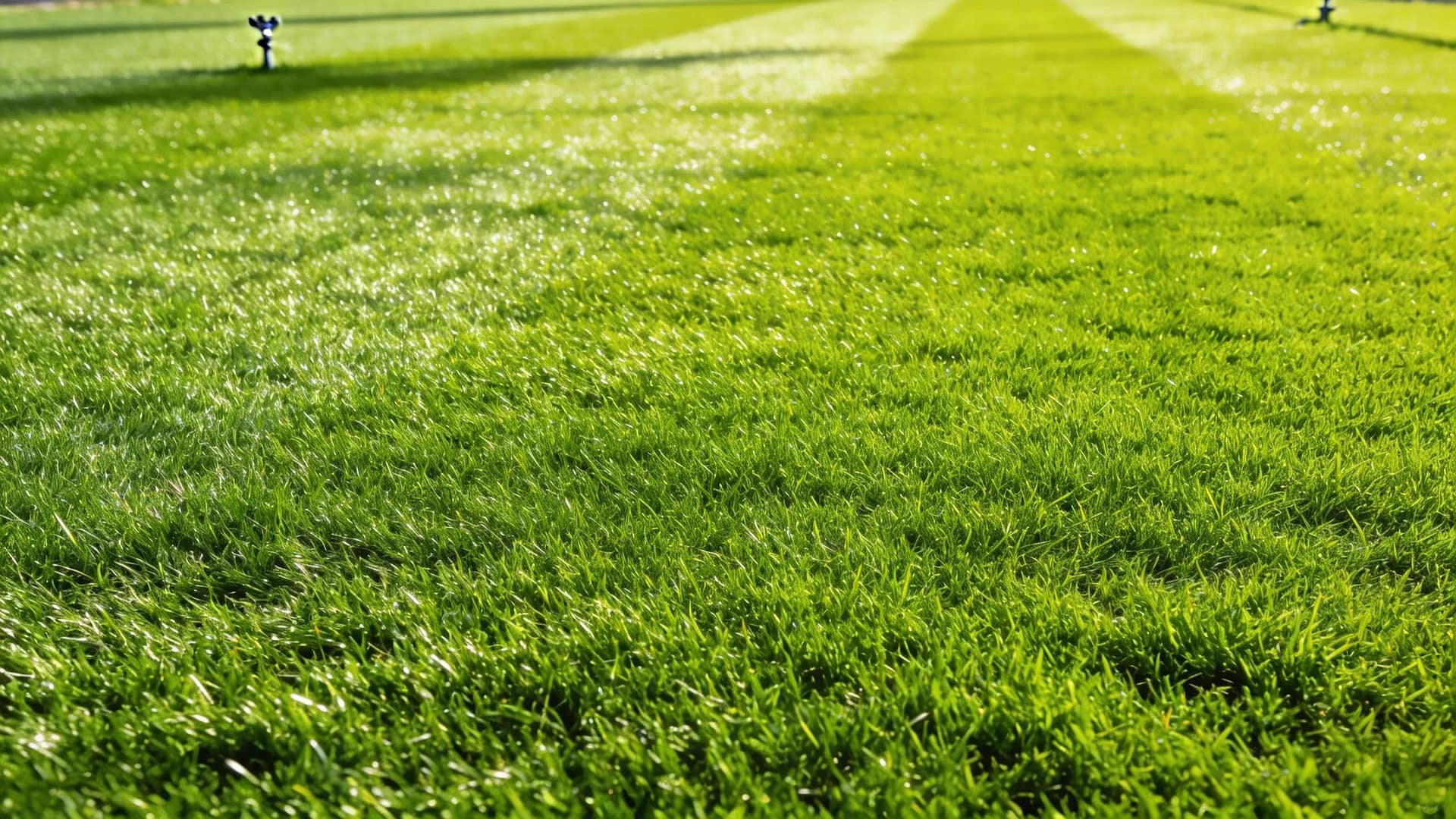
The choice between artificial turf and real sod can significantly impact water conservation efforts. With growing concerns about drought and water usage in Colorado, understanding these differences is crucial for developers aiming to enhance “sustainability”. This strategic focus ensures that projects remain viable amidst tightening water regulations.
Artificial Turf
Artificial turf presents a notable solution for water conservation. One of the primary advantages of using artificial turf is that it requires little to no irrigation, making it an ideal option for regions prone to water scarcity. In fact, studies have shown that artificial turf can save up to 70% in water usage compared to traditional sod. This substantial reduction not only minimizes water bills but also lessens the burden on community water supplies, promoting sustainability.
Real Sod
On the other hand, real sod presents ongoing challenges regarding water requirements. Maintaining healthy grass necessitates regular watering, particularly during dry spells. These requirements can lead to substantial water costs accumulating over time, a consideration that can strain the budgets of commercial developers. Understanding these differences is key to making informed decisions about landscaping investments.
Professional landscape management requires a careful evaluation of how different surface types influence long-term financial commitments and resource utilization.
Lifecycle Cost Analysis: Managing Water Demand and Turf Maintenance for Developers
Species choice has a range of impacts on traffic recovery from a given surface, stability of the surface, demand for water, mowing frequency, disease risk, and life cycle cost of the surface. SUSTAINABLE TURFGRASS SPECIES SELECTION AND MANAGEMENT FOR SPORTS FIELDS UNDER INDIAN CONDITIONS: SCIENTIFIC PERFORMANCE …, 2026
Operational Expenditures (OPEX)
When assessing landscaping options, it is essential to analyze the long-term operational expenses associated with both artificial turf and real sod. The initial installation costs can seem daunting, but they often pale in comparison to long-term maintenance expenses.
Artificial Turf
The financial implications of installing artificial turf can initially appear significant, with costs ranging from $5 to $20 per square foot depending on materials and installation conditions. However, the long-term savings become evident when comparing maintenance expenses. Maintenance costs for artificial turf can be as low as $200 to $500 annually, primarily involving occasional cleaning and infill topping. This stark contrast with the ongoing costs of sod maintenance—often exceeding $1,500 per year—highlights the cost-effectiveness of artificial turf over time.
Real Sod
While the initial costs of real sod may be lower, developers must consider the potential for higher long-term expenses associated with its maintenance. Regular watering, fertilization, and pest control can add to the overall cost burden. Understanding these implications can significantly influence budgetary planning and investment decisions for property developers.
Environmental Impacts
Assessing the environmental effects of landscaping choices is paramount for modern developments. Integrating sustainable practices can enhance a project’s appeal to eco-conscious consumers and regulatory entities alike.
Artificial Turf
Artificial turf provides several environmental benefits, chiefly by reducing water usage and the associated energy costs for irrigation. Furthermore, many modern artificial turfs utilize recycled materials, contributing to waste reduction. Their longevity—lasting up to 15 years or more—also means fewer materials end up in landfills compared to the regular replacement required for natural grass due to wear and tear.
Real Sod
Conversely, real sod requires ongoing maintenance that can necessitate the use of chemical fertilizers and pesticides, which can have negative impacts on local ecosystems. Over time, the collective runoff from these treatments can contaminate local waterways, presenting a significant environmental concern. Developers must weigh these environmental costs against the aesthetics provided by natural grass when planning their landscaping strategies.
Financial Modeling Strategies
To maximize ROI and understand the implications of landscaping choices, employing effective financial modeling strategies is crucial.
ROI Calculators
Having access to various ROI calculators specifically designed for comparing artificial turf versus real sod can empower developers to assess potential long-term savings accurately. These tools consider factors such as installation costs, maintenance expenses, water conservation, and longevity, providing a comprehensive overview of financial implications.
Cost-Benefit Analysis
Conducting a thorough “cost-benefit analysis” is essential for determining the best value. Developers should examine both the quantitative and qualitative factors at play, including the time savings associated with reduced maintenance efforts and the environmental benefits of water conservation.
Incentives and Rebates
Taking advantage of available local and state incentives for eco-friendly landscaping can significantly enhance the financial attractiveness of commercial turf installations. Developers should explore potential rebates or grants designed to support water conservation efforts as these can contribute substantially to overall financial modeling.
Long-Term Value
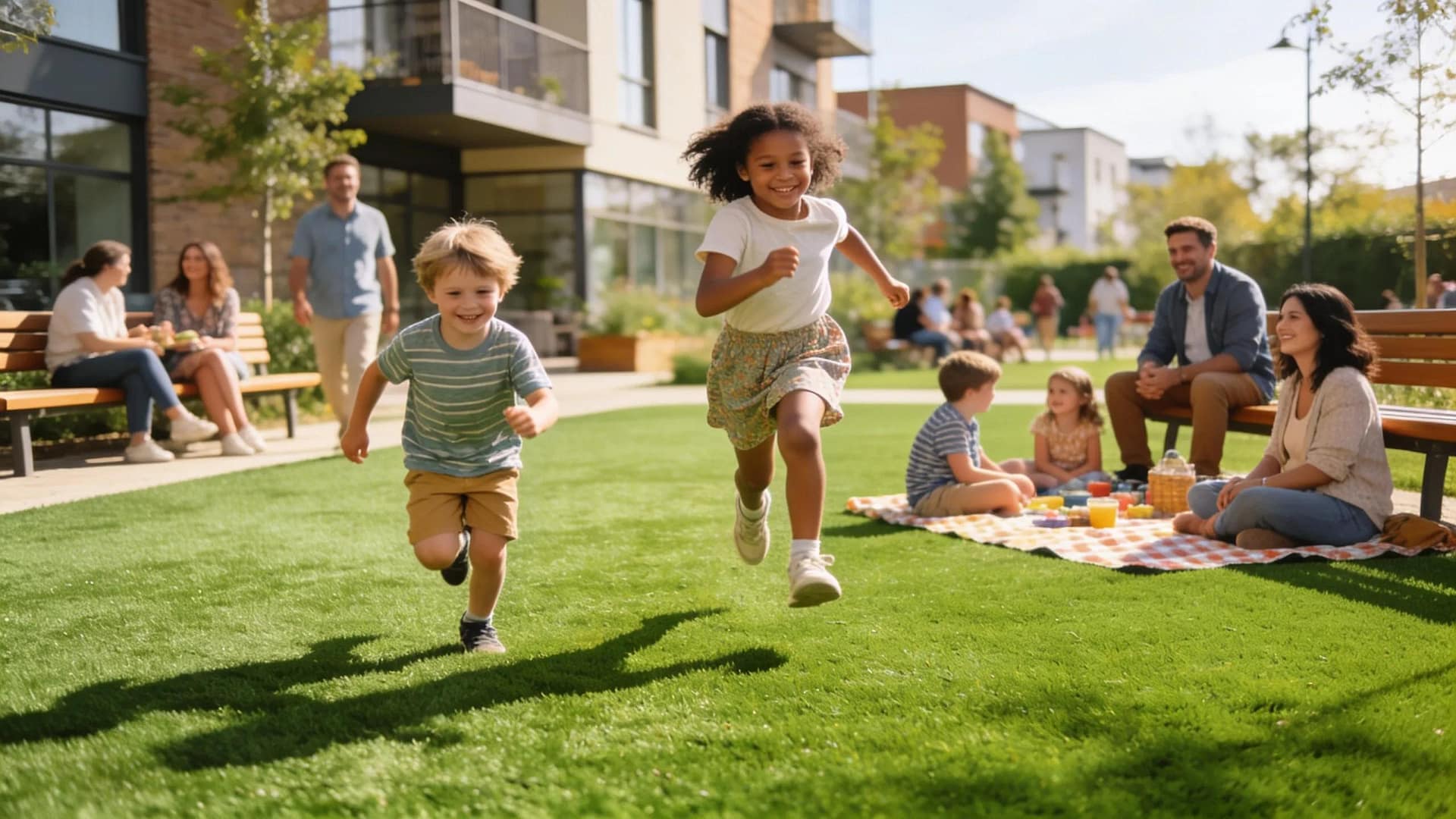
Ultimately, the long-term value offered by artificial turf can outweigh initial costs when evaluated against the backdrop of ongoing management expenses, water needs, and environmental considerations. This perspective is critical for developers aiming for sustainability while maintaining fiscal responsibility.
Summary
Key Financial Benefits of Artificial Turf
Investing in artificial turf offers several key financial benefits:
- Lower Initial Maintenance Costs: Annual maintenance costs for artificial turf average around $200 to $500 compared to $1,500 or more for sod.
- Significant Water Savings: Artificial turf can reduce water usage by up to 70%, translating into substantial cost savings.
- Longevity: Artificial turf can last 15 years or more, reducing the need for replacements and additional expenditures.
How Artificial Turf Impacts Long-Term OPEX
The lower operational expenses associated with artificial turf provide a compelling advantage over traditional sod. By minimizing ongoing maintenance requirements, developers can allocate resources to other critical areas of their projects.
What is the ROI Timeline for Installing Commercial Turf in Colorado?
The ROI timeline for installing commercial turf typically ranges from 3 to 5 years, depending on initial investment, water savings, and reduced maintenance costs. Developers focusing on long-term sustainability should consider this timeframe when evaluating their landscaping options.
Factors Influencing Water Consumption Differences
Various factors influence the difference in water consumption between artificial turf and real sod, including climate, geographic location, and the specific maintenance practices employed. Understanding these elements can guide developers in choosing the best option for their projects.
How Local Colorado Climate Conditions Affect Turf Water Savings
The unique climate conditions of Colorado play a significant role in determining the water savings potential of each landscaping option. With arid conditions prevalent in many areas, artificial turf emerges as a more sustainable choice.
Installation and Maintenance Considerations
Developers should consider several installation and maintenance aspects when deciding between artificial turf and real sod. Proper installation is crucial to maximize the benefits of artificial turf, and ongoing maintenance, while minimal, must still adhere to specific guidelines to ensure longevity.
Benefits of Pet-Friendly and Durable Turf Solutions
Artificial turf solutions designed to be pet-friendly offer durability and ease of maintenance, making them ideal for commercial properties that cater to pet owners. These solutions maintain aesthetic appeal while reducing the stress of upkeep associated with traditional grass.
Advantages of Pet-Friendly Turf Options for Commercial Landscapes
Investing in higher-quality, pet-friendly turf options not only caters to a growing market segment but also enhances the overall lifespan and enjoyment of commercial landscapes, further solidifying the ROI of such decisions.
How Durability Contributes to Lower OPEX and ROI
The durability of artificial turf plays a critical role in its appeal. Its ability to withstand heavy foot traffic without compromising aesthetics or functionality ensures lower OPEX and enhances long-term ROI, making it an attractive choice for developers.