
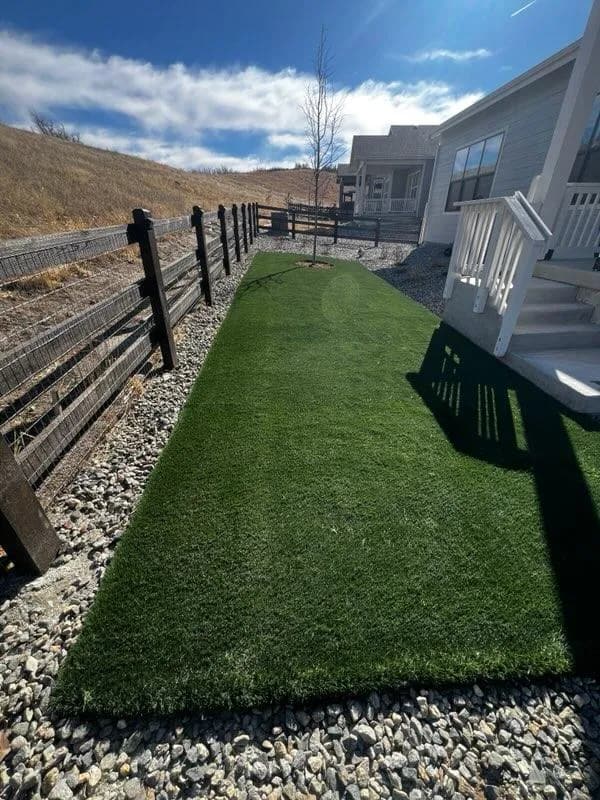
Colorado Springs Utilities’ Tier-3 water rates penalize high outdoor usage, making a year-end audit essential for homeowners tracking irrigation costs. Replacing thirsty lawns with synthetic turf eliminates Tier-3 overages entirely. Artificial Grasscapes, serving Colorado Springs from its Castle Rock, CO base, installs durable, low-maintenance turf that cuts water bills and ends seasonal lawn upkeep for good.
Key Takeaways
- Colorado Springs Utilities implemented Tier-3 water savings measures, reducing residential consumption through mandatory conservation protocols.
- Year-end audit results demonstrate measurable water usage reductions across Colorado Springs’ 450,000+ residents through efficiency initiatives.
- Partnership-based water management strategies address Southern Rocky Mountain region’s uncertainty in long-term resource planning and sustainability.
- Castle Rock-area communities benefit from Colorado Springs’ comprehensive utility audit findings and conservation best practices implementation.
Why Is Colorado Springs Water Use Under Scrutiny?
Municipal water supply carries weight for more than 450,000 residents who call Colorado Springs home, as reported by Colorado Springs Utilities Fuels a Sustainable Water Future. That dependence turns conservation into a shared community responsibility rather than a personal preference. Unpredictable weather patterns, long-term growth pressures, and climate-related strain now threaten both the regional ecosystem and the water supply itself.
What is Colorado Springs Utilities doing about water security?
Colorado Springs Utilities (CSU) serves as the city’s water steward, actively working to identify and address these mounting uncertainties. The goal centers on protecting water access for current residents while preparing supply systems for future generations. This forward-looking approach shapes local conservation policy, including the rate structures and landscaping incentives property owners encounter today.
Why does lawn irrigation draw so much attention?
Traditional turf grass consumes a disproportionate share of residential water in a semi-arid climate like this one. Outdoor irrigation during peak summer months places direct pressure on the reservoirs and supply systems CSU manages. Reducing that demand matters more each year as growth continues and weather grows less predictable.
For homeowners and business owners weighing landscaping choices, synthetic turf offers a path toward meaningful Colorado Springs Utilities water savings turf potential, cutting irrigation demand without sacrificing curb appeal. Artificial Grasscapes, based in Castle Rock, CO, extends professional installation services directly to Colorado Springs properties, and a Free Estimate helps property owners see what that conversion could look like.
What Are CSU Tier 3 Water Rates?
Tier 3 marks the highest pricing bracket Colorado Springs Utilities applies to residential water accounts once consumption climbs past a set monthly threshold. Households that irrigate large traditional lawns through the summer months often land in this bracket, paying significantly more per unit than they would under lower-usage tiers. The structure exists to reward conservation and discourage waste during a season when demand on the system peaks hardest.
CSU determines how these tiers are structured and adjusted through regular rate case filing reviews, a formal process that examines costs, usage patterns, and pricing fairness across customer classes. Billing accuracy matters too: the utility’s oversight includes credit and collections audits tied directly to accounts billed under tiered usage, helping ensure customers are charged correctly for what they actually use.
Why Does Tiered Pricing Exist If Colorado Springs Has Plenty of Water?
Reservoir storage reached 428 percent of normal after a strong snow season, giving the city roughly three years of supply. But abundance in one year doesn’t erase long-term planning concerns. System-wide storage well above average still functions as the buffer utilities rely on to navigate drier seasons ahead, so tiered pricing stays in place as a conservation tool regardless of short-term surplus.
Switching to water-efficient artificial turf keeps landscaping green year-round while avoiding Tier 3 overage charges altogether, a practical hedge against Colorado Springs Utilities water savings tied to lawn irrigation.
How Does a Water Savings Utility Audit Work?
A water savings utility audit tracks how Colorado Springs Utilities (CSU) reviews policies, rates, and infrastructure decisions that affect household water bills. CSU maintains a running schedule of audits covering rate filings, cost adjustments, and operational reviews. Each one shapes the water policy homeowners experience at the meter. Skipping awareness of these audits means missing early signals about rate changes headed a property’s way.
CSU’s 2025 Annual Report frames the utility’s direction around building long-term water resilience for the region. That forward-looking stance matters for property owners weighing landscaping choices now. Infrastructure planning today influences availability and pricing years out. Audits also stretch into business continuity and disaster recovery planning, confirming that water delivery systems stay reliable even during supply disruptions.
What Do These Audits Actually Cover?
The audit schedule spans operational reviews, board instructions, and rate case filings, each tied to a specific date and topic. Recent entries include electric cost adjustment reviews and board instructions on risk management, showing the breadth of oversight beyond water alone.
Why Should Homeowners Pay Attention to Audit Results?
Audit outcomes often precede rate adjustments, including tiered pricing structures like CSU tier 3 water rates that penalize high outdoor water use. Homeowners who convert thirsty lawns into synthetic turf position themselves ahead of those rate shifts. Reducing irrigation demand through synthetic landscaping cuts exposure to the steepest tier pricing before it hits the bill.

How Can Artificial Turf Cut Your Water Bill?
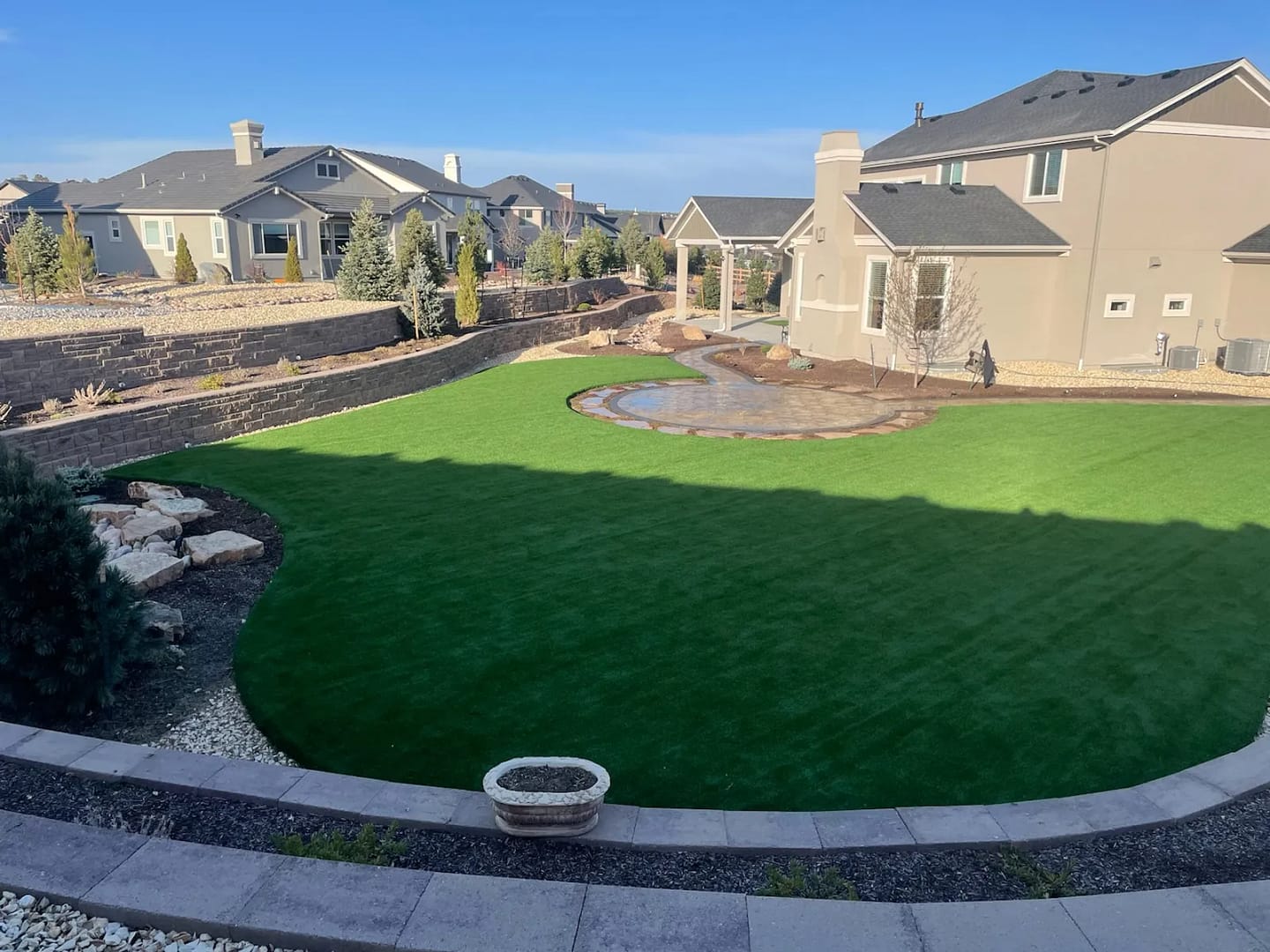
Synthetic lawns eliminate the irrigation costs that drive Colorado Springs water bills higher every summer. Traditional sod demands frequent watering to survive the region’s dry stretches. That usage adds up fast under tiered rate structures. Replacing a thirsty lawn with synthetic turf removes that demand entirely. The material never needs sprinkler cycles to stay green.
Colorado Springs Utilities water savings turf installations address this concern directly, giving property owners a landscaping choice built around conservation rather than constant upkeep. Instead of chasing dry patches or adjusting sprinkler timers, homeowners get a lawn that stays lush without a single drop of irrigation. That shift matters most for households watching usage climb into higher pricing brackets.
Does Water Usage Affect Which Rate Tier a Household Falls Into?
Utility billing structures typically reward lower consumption with lower per-unit pricing, while heavier usage pushes accounts into costlier brackets. Avoiding the CSU tier 3 water rates bracket means keeping total usage down across the billing cycle. Lawn irrigation is often the single largest variable a household controls. Removing sprinkler demand for the yard directly reduces the odds of crossing into that higher-cost tier.
Recent snowpack gains mean Colorado Springs currently holds roughly three years of water supply, with volumes expected to keep rising into summer. Even so, conservation habits built around reduced irrigation hold long-term value for any property. Artificial Grasscapes, a leading Colorado turf installer, helps properties across Colorado Springs lock in those savings with a Free Estimate.
FAQ
What are CSU Tier-3 water rates?
Tier-3 is the highest pricing bracket Colorado Springs Utilities applies to residential water accounts once monthly consumption passes a set threshold. Households irrigating large traditional lawns often land in this bracket, paying significantly more per unit than lower-usage tiers.
Why does lawn irrigation draw so much utility attention?
Traditional turf grass consumes a disproportionate share of residential water in a semi-arid climate. Outdoor irrigation during peak summer months pressures the reservoirs and supply systems CSU manages, making reduced demand increasingly important as growth continues.
How does artificial turf help with Tier-3 overages?
Replacing thirsty lawns with synthetic turf eliminates Tier-3 overages entirely by cutting irrigation demand. Artificial Grasscapes, based in Castle Rock, CO, installs durable, low-maintenance turf for Colorado Springs properties that reduces water bills and ends seasonal lawn upkeep.
Conclusion
In closing, Colorado Springs homeowners who understand CSU’s tiered rate structure gain a decisive advantage in managing their water bills. By replacing irrigation-dependent lawns with synthetic turf, property owners eliminate the consumption patterns that push accounts into higher pricing brackets, transforming their landscaping into a long-term conservation strategy. This shift aligns personal water stewardship with the region’s broader resilience planning, ensuring that yards stay vibrant while utility costs decline, a practical outcome that reflects both environmental responsibility and household financial wisdom.
Related posts:
 Synthetic Turf Base & Drainage Solutions for Colorado Freeze-Thaw Soils: Expert Installation and Design
 High-Margin Turf Upselling Guide for Front Range Custom Home Builders: Cost, Packages, and Benefits
How Much Does Artificial Grass Installation Cost in Colorado Springs? 2026 Pricing Guide for Residential and Commercial Turf