
By Dakota Carino, Artificial Grasscapes
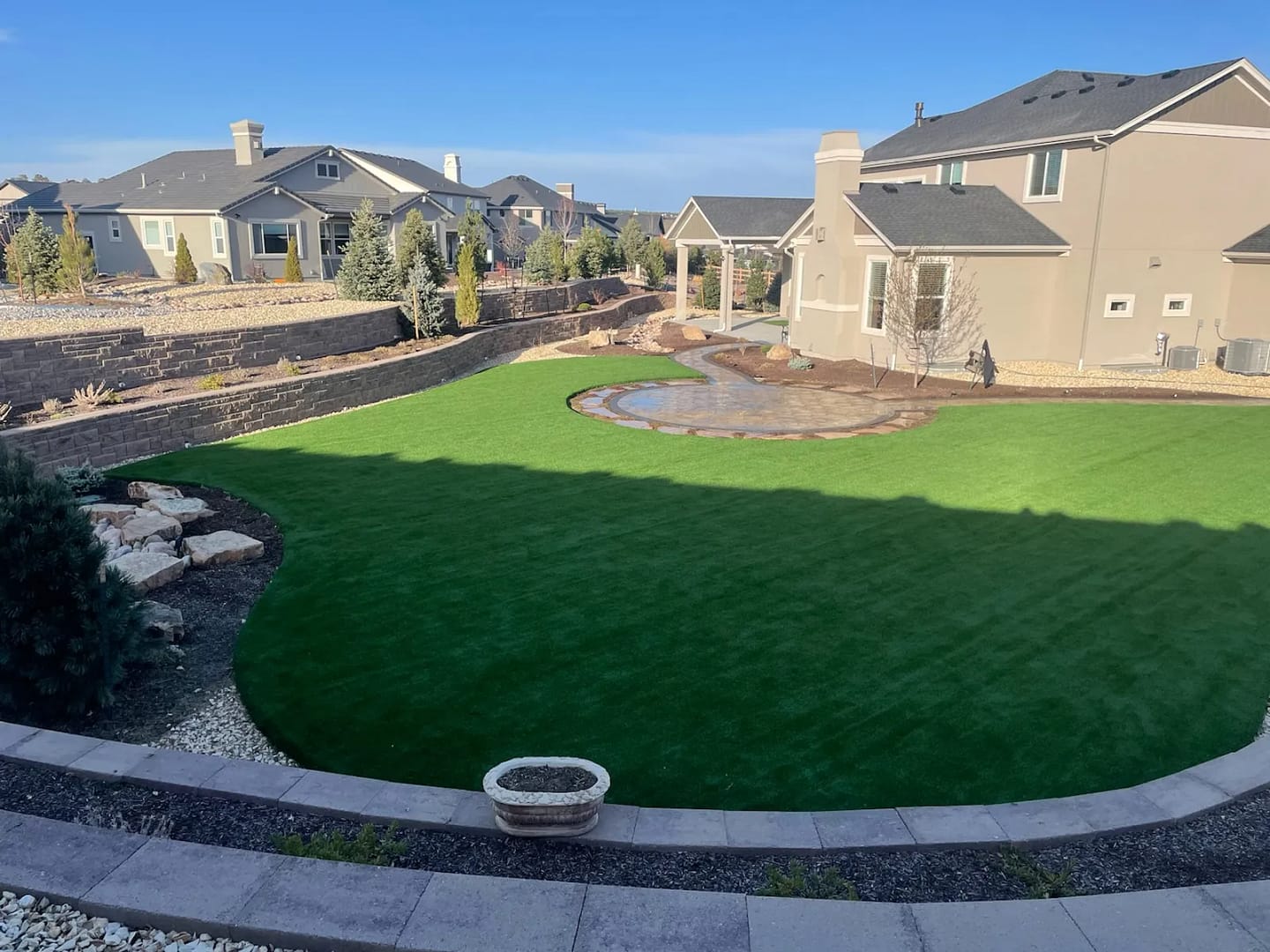
Converting to artificial turf in Castle Rock can be a significant step toward improving your landscaping while achieving substantial savings on utility costs. This guide aims to enlighten homeowners about the available water rebates and the long-term benefits of transitioning to artificial turf. With the rising concern over water usage in Douglas County, it is crucial to explore how turf conversion not only helps conserve water but also provides financial relief through rebates and reduced maintenance costs. Throughout this article, we will cover the detailed Town of Castle Rock Colorado Water Conservation Rebate program, local soil and installation considerations, application process specifics, water usage quantifications, and clear cost-benefit analyses. Readers will gain valuable insights into the financial implications and environmental advantages of artificial turf, ensuring they can make informed decisions.
Town of Castle Rock Water Conservation Rebate Program
The Town of Castle Rock offers a comprehensive Water Conservation Rebate Program aimed at encouraging residents to replace traditional irrigated turf with water-efficient landscaping such as artificial turf. This program is particularly focused on reducing outdoor water use and preserving the region’s aquifer.
Residential Turf Removal Rebate Tiers
The rebate structure for turf removal is tiered based on the square footage of turf removed:
- Tier 1: 500 to 1000 square feet of turf removed – $1.75 per square foot
- Tier 2: 1001 to 2000 square feet – $2.00 per square foot
- Tier 3: Over 2000 square feet – $2.50 per square foot
Maximum rebate limits exist and are subject to annual budget availability, so applicants are encouraged to apply early in the fiscal year.
Eligibility Criteria
- The property must be a residential parcel within the Town of Castle Rock limits.
- Turf replacement must result in a minimum of 500 square feet of turf removed.
- Applicants must not have received a turf removal rebate in the past five years.
- The new landscaping must be non- or low-water use, such as synthetic turf or xeriscaping with native drought-tolerant plants.
- Completion of turf removal and replacement landscaping installation is required before reimbursement.
Application Process in Douglas County
- Complete the pre-approval application form available through the Castle Rock Water Conservation rebate website.
- Provide documentation including property proof, proposed turf removal area measurements, and a plan for replacement landscaping.
- Await pre-approval confirmation before starting turf removal work.
- Upon project completion, submit a final application including photos of the removed turf and installed landscaping alongside proof of payment.
- Rebate payments are processed within 8-12 weeks following approval of final submissions.
Applicants should maintain communication with the Town’s water conservation office for updates on funding availability and program changes.
Quantifying Water Usage Metrics in Castle Rock
Understanding water consumption differences between traditional lawns and synthetic turf is vital to recognizing potential savings.
Front Range Evapotranspiration Rates
The average annual evapotranspiration (ET) rate for the Front Range, including Castle Rock, is approximately 20–24 inches per year. ET represents the total water loss from soil and plants via evaporation and transpiration, driving irrigation needs for turfgrass.
Annual Gallon Consumption Comparison
Bluegrass lawns, commonly used in Castle Rock yards, require significant water input. For example, a 1,000 square foot bluegrass lawn consumes approximately 55,000 to 70,000 gallons of water per year to maintain optimal health.
In contrast, zero-irrigation synthetic turf requires no watering post-installation, thereby reducing outdoor water consumption to nearly 0 gallons annually for turf maintenance.
Castle Rock Soil Conditions and Installation Requirements
Soil Characteristics
Castle Rock’s native soils predominantly consist of decomposed granite and clay soils. These soil types present challenges such as poor drainage and compaction, which must be addressed during artificial turf installation to ensure longevity and performance.
Aggregate Base Preparation
Proper sub-base preparation includes installing a layered aggregate base to create a stable, well-draining foundation for the turf:
- Class 6 road base: A compacted layer approximately 4-6 inches deep to provide structural stability.
- Decomposed granite fines: A 1-2 inch layer of compacted fines atop the road base, promoting drainage and smooth surface for turf installation.
Drainage Specifications
Artificial turf installations require integrated drainage systems to prevent water pooling and damage. These include:
- Proper grading with a slope of 1-2% away from structures.
- Perforated underdrain pipes where required for enhanced water removal.
- Adequate base permeability to allow rainfall and irrigation runoff to infiltrate quickly.
Installation Considerations
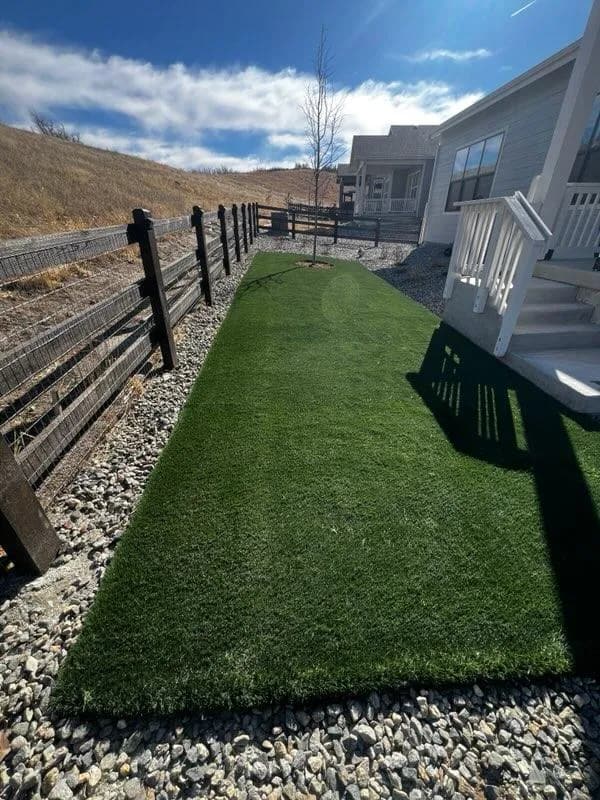
Before embarking on artificial turf installation, it’s essential to consider various factors that can influence the success of this transition. The overall cost of installation can vary significantly based on the area covered and the type of materials chosen. It’s also important to obtain any necessary approvals from homeowners’ associations (HOAs), as they may have specific regulations regarding landscape modifications.
Additionally, professional installation is recommended to ensure that the turf is laid down correctly and that drainage systems are appropriately integrated. By investing time in preparation and planning, homeowners can enhance the likelihood of a successful installation.
Long-Term Financial Benefits
Switching to artificial turf not only enhances your property’s aesthetics but can also yield substantial long-term financial benefits. Homeowners can enjoy reduced water bills, decreased maintenance costs, and even an increase in property value.
Water Savings
Artificial turf has been shown to conserve significant amounts of water. Depending on the size of the area covered, homeowners can save between 55–70 gallons of water per square foot annually. This decrease in water usage is not only beneficial for the environment but also translates to lower utility costs over time.
Maintenance Savings
The maintenance associated with artificial turf is substantially lower compared to traditional lawns. Homeowners can save an estimated $800 to $1,200 annually on lawn care expenses, which may include mowing, fertilization, and pest control. This financial relief makes artificial turf an appealing alternative for those looking to minimize their upkeep efforts.
Increased Property Value
Investing in artificial turf can also enhance curb appeal and potentially increase property value. Properties featuring low-maintenance landscaping options tend to attract more buyers, particularly those who appreciate sustainable practices and want a beautiful yard without the high maintenance costs.
Durability
One of the significant benefits of artificial turf is its durability. High-quality synthetic grass can withstand various weather conditions, maintaining its appearance throughout the year without the need for excessive care. This resilience ensures a long lifespan for your investment, creating further savings on replacements or repairs.
Cost-Benefit Breakdown: Water Bills Before and After Turf Conversion
The following table compares estimated annual water bills for typical residential properties in Castle Rock before and after artificial turf installation, considering the town’s increasing block-rate pricing structure and water usage metrics.
Note: Rates and water use estimates are approximate and based on Castle Rock’s current block-rate water pricing and average residential indoor water use.
What Are the Eligibility Criteria and Application Steps for the Douglas County Water Rebate?
To successfully apply for the Douglas County Water Rebate, homeowners should familiarize themselves with the eligibility criteria and the application steps. Understanding these requirements is critical for maximizing financial savings through the rebate program.
Which Castle Rock properties qualify for irrigation and turf replacement rebates?
Eligibility for the rebate typically extends to residential properties within Castle Rock that demonstrate a commitment to water conservation. Common disqualifiers may include properties that do not adhere to local landscape standards or fail to submit necessary documentation on time.
How to complete the Douglas County Water Rebate application process effectively?
To ensure a smooth application process, homeowners should collect all required documentation beforehand and double-check that it meets the stipulated guidelines. Submitting the application early can promote faster processing and increase the chances of receiving the rebate.
How Does Artificial Turf Installation Contribute to Water Conservation and Utility Cost Reduction?
Artificial turf installation plays a crucial role in water conservation efforts within arid and semi-arid regions like Castle Rock. By dramatically reducing the amount of water needed for maintenance, homeowners can significantly lower their utility bills while contributing to environmental protection efforts.
What are the water savings and environmental benefits of turf conversion in Castle Rock?
Converting to artificial turf not only saves water but also lowers the carbon footprint of landscaping maintenance. With less dependence on water resources, communities can work towards sustainable water management, ensuring that future generations have access to the supplies they need.
How does professional artificial turf installation optimize durability and low maintenance?
Professional installation of artificial turf ensures that it is laid correctly, including proper drainage systems to prevent water pooling and promote drainage. This not only extends the turf’s lifespan but also minimizes issues related to maintenance, such as discoloration or wear.
What Are the Financial and Practical Advantages of Water Saving Landscaping Solutions in Colorado?
Homeowners in Colorado are increasingly recognizing the financial benefits of water-saving landscaping solutions. These methods not only reduce water expenditures but can also enhance the overall aesthetic and value of homes.
How do turf replacement rebates and local incentives lower project costs?
Local incentives, such as turf replacement rebates, aid in lowering the initial investment cost associated with artificial turf. Homeowners can offset a portion of the installation costs, making it a more economically viable choice.
What is the cost comparison between artificial grass installation and traditional lawn care?
When comparing the costs of artificial grass installation to traditional lawn care, it becomes clear that synthetic grass is often less expensive over time. Initial installation may seem higher, but the long-term savings from reduced water usage and maintenance costs justify the investment.
How Can Residents and Businesses Maintain Artificial Turf for Longevity and Performance?
Proper maintenance of artificial turf extends its lifespan and ensures it continues to look great throughout the seasons. Residents and businesses should follow specific care practices suitable for Colorado’s climate.
What are the essential maintenance practices for artificial grass in Colorado’s climate?
Regularly brushing the surface and checking for debris is essential for maintaining the aesthetic and performance of the turf. Seasonal deep cleaning and occasional infill material replenishment can also contribute to longevity.
Which pet-friendly turf options balance durability with water conservation benefits?
Several pet-friendly artificial turf options are available that combine durability with water conservation features. These options ensure that pet owners can enjoy a beautiful lawn that withstands wear while conserving resources.


