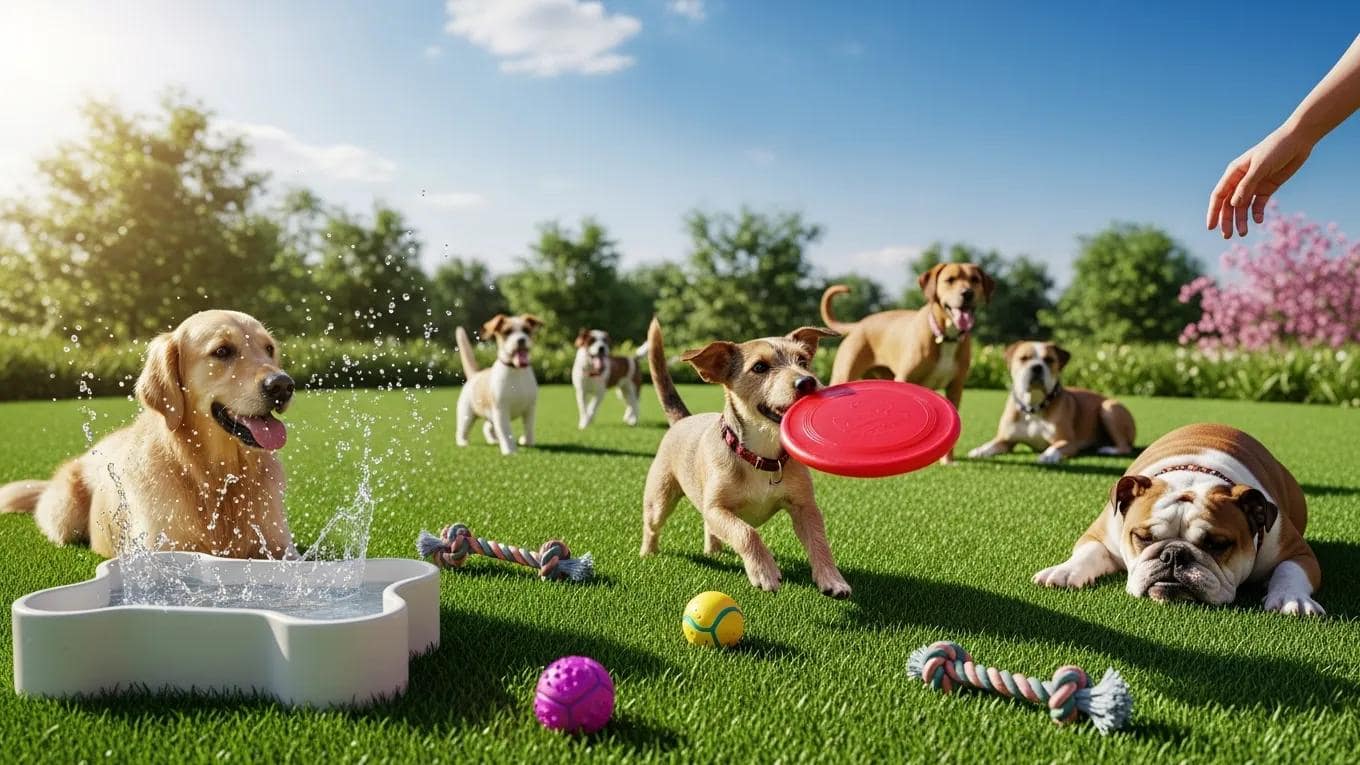
Choosing the right artificial turf for your pets is crucial for ensuring their safety and comfort. Pet-friendly artificial grass materials are designed to provide a safe, durable, and non-toxic environment for your furry friends. This guide will explore the key benefits of pet-safe artificial grass, how it enhances pet safety and comfort, and the best non-toxic materials available. Additionally, we will discuss installation practices suitable for Colorado climates and maintenance tips to extend the life of your pet turf. By the end of this article, you will have a comprehensive understanding of the best options for pet-friendly artificial turf.
What Are the Key Benefits of Pet Safe Artificial Grass?
Pet-safe artificial grass offers numerous advantages that make it an ideal choice for pet owners. First and foremost, it is designed to be non-toxic, ensuring that your pets are safe while playing and lounging on it. Additionally, pet-friendly turf is highly durable, able to withstand the wear and tear caused by active pets. This durability translates to lower maintenance costs and a longer lifespan for your lawn.
Moreover, artificial grass provides a clean and hygienic environment. Unlike natural grass, it does not harbor pests or require harmful pesticides, making it a healthier option for your pets. The ease of cleaning pet waste from artificial turf also contributes to a more pleasant outdoor experience. For those looking for reliable solutions, Artificial Grasscapes specializes in the installation and maintenance of pet-safe turf options tailored for Colorado climates.
How Does Artificial Turf Improve Pet Safety and Comfort?
Artificial turf enhances pet safety and comfort through its unique design and materials. The surface is often made from soft, cushioned fibers that provide a comfortable area for pets to play and rest. This cushioning helps reduce the risk of injuries from falls or rough play, making it a safer alternative to hard surfaces.
Additionally, many pet-friendly turfs are treated with antimicrobial properties, which help prevent the growth of bacteria and odors. This feature is particularly beneficial for pet owners, as it ensures a cleaner environment for both pets and humans. The ability to drain water efficiently also means that puddles do not form, reducing the risk of slips and falls. Overall, artificial turf creates a safe and enjoyable space for pets to thrive.
Which Non Toxic Synthetic Grass Materials Are Best for Pets?
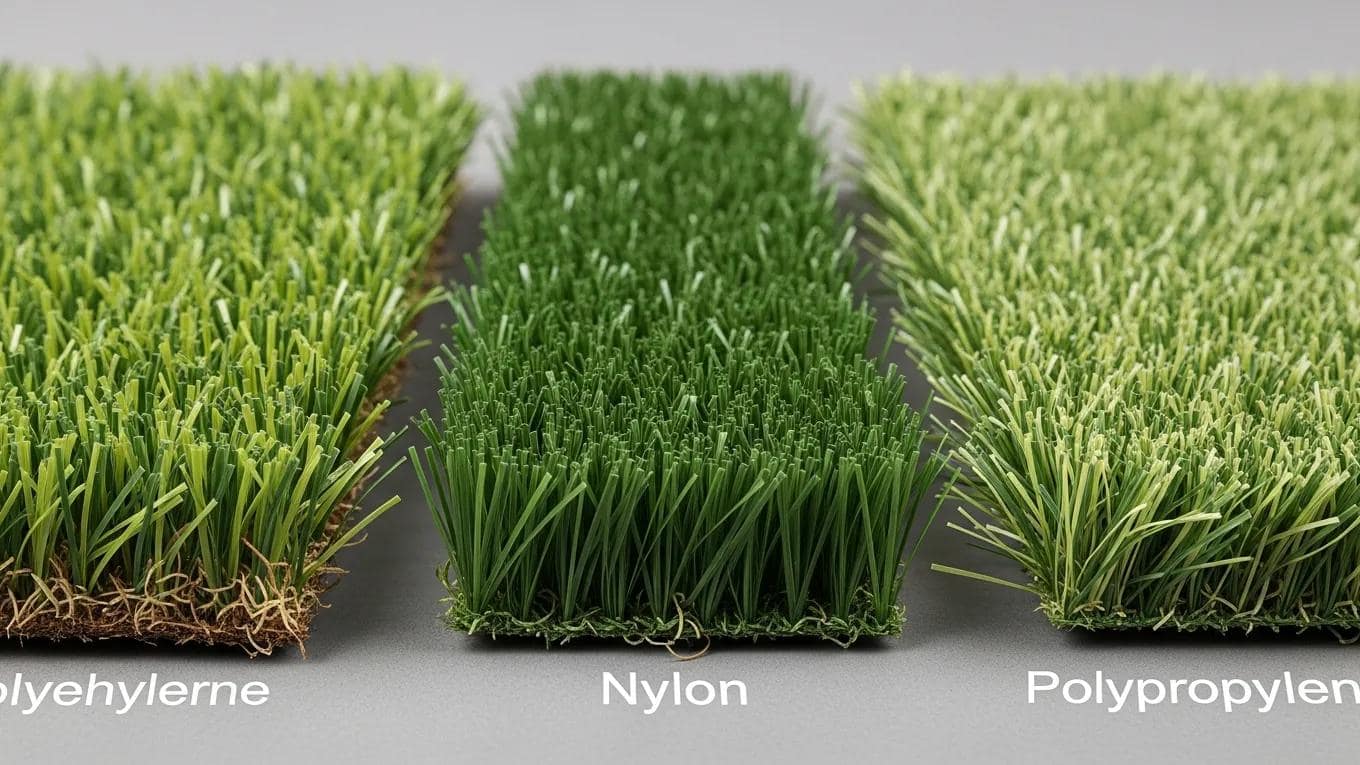
When selecting non-toxic synthetic grass materials for pets, several options stand out for their safety and durability. Here are some of the best materials to consider:
Understanding the potential health impacts of artificial turf is crucial for making informed decisions about its use.
Artificial Turf Toxicity & Risk Assessment
at artificial turf fields and adjacent environments that may be contaminated by runoff will aid in risk assessment and community decision making on the use of artificial turf.
Health impacts of artificial turf: Toxicity studies, challenges, and future directions, GR Warner, 2022
- Polyethylene: This material is soft and safe for pets, making it a popular choice for pet-friendly turf. It is also UV-resistant, ensuring that it maintains its color and integrity over time.
- Nylon: Known for its durability, nylon turf can withstand heavy foot traffic and is resistant to wear and tear. It is also easy to clean, making it a practical option for pet owners.
- Polypropylene: This is another safe option that is lightweight and affordable. While it may not be as durable as nylon, it is still a viable choice for pet-friendly applications.
These materials not only provide a safe environment for pets but also ensure that the turf remains functional and aesthetically pleasing for years to come.
How Is Pet-Friendly Artificial Turf Installed for Colorado Climates?
Installing pet-friendly artificial turf in Colorado requires careful consideration of the local climate and soil conditions. The installation process typically involves several key steps:
- Site Preparation: The area where the turf will be installed must be cleared of debris, rocks, and existing grass. This ensures a smooth and even surface for the turf.
- Base Layer Installation: A base layer of crushed stone or gravel is laid down to provide proper drainage and support for the turf. This is particularly important in Colorado, where heavy rains can lead to water pooling.
- Turf Laying: The artificial grass is rolled out and cut to fit the designated area. It is then secured in place using stakes or adhesive, depending on the specific product used.
- Infill Application: A layer of infill material, such as sand or rubber granules, is spread over the turf to help weigh it down and provide additional cushioning for pets.
By following these steps, pet owners can ensure that their artificial turf is installed correctly and will perform well in Colorado’s unique climate.
What Maintenance and Repair Practices Extend the Life of Pet Turf?
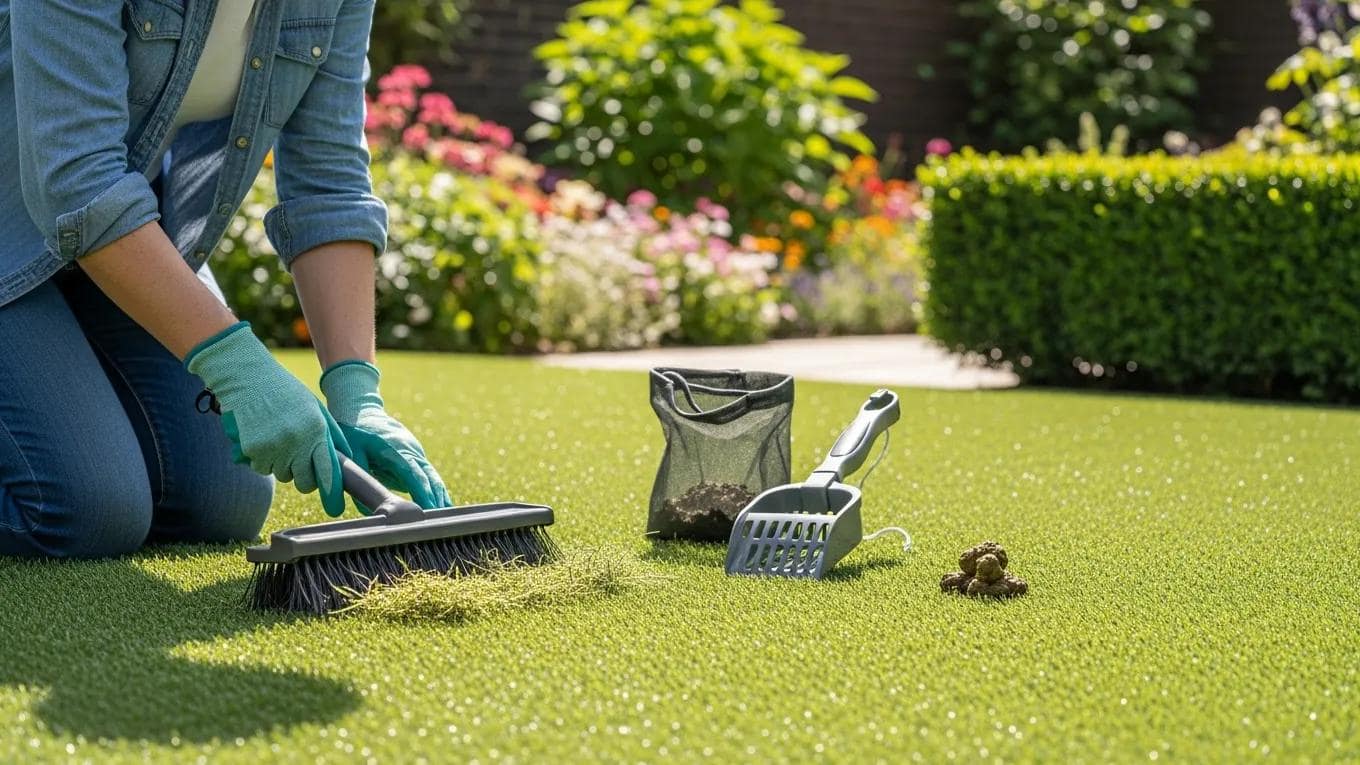
Maintaining pet-friendly artificial turf is essential for ensuring its longevity and performance. Here are some effective maintenance practices:
- Regular Cleaning: Pet waste should be promptly removed to prevent odors and bacteria buildup. A simple rinse with water can help keep the turf clean.
- Brushing: Periodically brushing the turf fibers helps maintain their upright position and prevents matting. This is especially important in high-traffic areas.
- Infill Replacement: Over time, the infill material may need to be replenished to maintain the turf’s cushioning and stability. Regular checks can help determine when this is necessary.
By implementing these maintenance practices, pet owners can extend the life of their artificial turf and keep it looking great for years to come.
How Should Pet Urine and Odors Be Effectively Managed?
Managing pet urine and odors on artificial turf is crucial for maintaining a pleasant outdoor environment. Here are some effective strategies:
Research highlights the effectiveness of synthetic grass as a suitable substrate for canine elimination, contributing to a cleaner and more comfortable environment for pets.
Synthetic Grass for Canine Elimination & Comfort
providing a novel substrate (synthetic grass) on indices of day) to one of two treatment groups and given opportunities to until urination occurred (or other factors prevented the dog
The use of synthetic grass as a novel substrate within veterinary practice canine inpatient elimination enclosures, 2019
- Immediate Cleanup: Promptly cleaning up pet waste helps prevent odors from setting in. Using a pooper scooper or biodegradable bags can make this task easier.
- Regular Rinsing: Rinsing the turf with water helps dilute urine and wash away any lingering odors. This should be done regularly, especially after heavy use.
- Odor Neutralizers: Using pet-safe odor neutralizers can help eliminate any persistent smells. Look for products specifically designed for artificial turf to ensure safety.
By following these strategies, pet owners can effectively manage odors and maintain a clean and inviting space for their pets.


