By Dakota Carino, Artificial Grasscapes
Navigating the HOA approval process for synthetic turf in Castle Rock can be challenging due to various local regulations and covenants. As residential areas increasingly adopt synthetic grass for its aesthetic and maintenance benefits, understanding the intricacies of HOA requirements is critical. This guide aims to clarify the essential steps homeowners need to take to secure approval for synthetic turf installation while aligning with Douglas County’s guidelines. Many homeowners are often frustrated by complex and sometimes contradictory rules; however, by following a structured approach, obtaining approval becomes much more manageable. In this article, we will explore key covenants, specific HOA rules, landscape regulations, and essential steps to achieve successful approval, culminating in a comprehensive understanding of the benefits and compliance associated with synthetic turf in Castle Rock.
What Are the Key Douglas County Covenants Affecting Synthetic Turf in Castle Rock?

Douglas County covenants cover critical guidelines that homeowners must follow when installing synthetic turf. These covenants, often outlined in the Covenants, Conditions & Restrictions (CC&Rs), set specific standards regarding appearance and maintenance. Homeowners must submit an application that adheres to these guidelines to maintain community aesthetics. Typical requirements include dimensions, color, and types of materials permitted for turf installation. Adhering to these covenants not only ensures compliance but also minimizes disputes with neighbors and the HOA.
Legal research highlights that while communities are increasingly permissive of artificial grass, they still maintain strict aesthetic oversight to preserve property standards.
Understanding HOA Aesthetic Rules for Synthetic Turf
HOAs to allow artificial turf in backyards.This law, like the 2019 law, allows HOAs to impose reasonable “aesthetic requirements on the installation of artificial turf, such as requiring it to be a certain color, texture, or quality, or requiring it to be installed in a specific manner. When the Grass Isn’t Greener: Legislating the American Lawn against the Backdrop of Homeowners’ Associations, 2019
How Do Douglas County HOA Rules Define Synthetic Grass Usage?
Douglas County HOA rules establish specific usage guidelines for synthetic grass, focusing on maintaining a natural appearance. This typically includes regulations on color and texture to ensure that the synthetic turf blends well with existing landscapes. Additionally, the approval process requires homeowners to present a plan that outlines the intended profiles of the turf area and how it conforms to HOA standards. Restrictions might also apply regarding the types of materials that can be used in the installation process, ensuring safety and environmental compliance across the community.
Which Landscape Regulations Impact Synthetic Turf Installation in Castle Rock?
Various landscape regulations impact the installation of synthetic turf in Castle Rock, particularly those set forth by the Architectural Review Committee (ARC). These regulations mandate adherence to aesthetic standards, which can vary significantly between different communities. Commonly, homeowners must present thorough documentation and undergo a review process that ensures the proposed installation aligns with the overall community vision. Understanding these landscape regulations is vital for residents committed to enhancing their property while complying with HOA standards.
How to Successfully Obtain HOA Approval for Synthetic Turf in Castle Rock?
Successfully obtaining HOA approval for synthetic turf in Castle Rock involves a series of methodical steps. First, homeowners should thoroughly review their HOA’s guidelines to understand the specific requirements. Next, it is crucial to prepare necessary documentation, including a completed application form, plans for the proposed installation, and photographs of the existing landscape. Finally, securing written approval from the HOA marks the culmination of the process, allowing homeowners to proceed with their synthetic turf project.
It is important to recognize that even in regions promoting sustainable landscaping, the formal architectural review process remains a mandatory hurdle for most homeowners.
Obtaining HOA Approval for Residential Landscape Modifications
or covenants require HOA approval for landscape modifications, then homeowners still need approval from HOAs. Additionally, please note that a Florida-Friendly landscape includes specific provisions for plant materials, but the requirement for architectural review remains a primary hurdle for those seeking to deviate from traditional grass lawns. When the Grass Isn’t Greener: Legislating the American Lawn against the Backdrop of Homeowners’ Associations, 2024
What Are the Required Steps in the Castle Rock HOA Turf Approval Process?
The Castle Rock HOA turf approval process unfolds in several critical stages, starting with the submission of the ARC application. Homeowners must provide comprehensive details about the proposed installation, including materials and expected outcomes. Adherence to appearance standards stipulated in the CC&Rs is essential, ensuring that the new installation harmonizes with the existing community aesthetic. Following submission, applicants must await written approval, which can typically take anywhere from 2-4 weeks, depending on the HOA’s review process.
Which Documents and Applications Are Needed for HOA Synthetic Lawn Guidelines?
To navigate the HOA synthetic lawn guidelines effectively, homeowners must gather several necessary documents before submitting their application. The required documents generally include:
- Completed ARC Application: Outlining the specifics of the proposed turf installation.
- Detailed Plans: Showing dimensions and layout of the turf area.
- Photos: Of the current landscape showcasing where the installation will occur.
It’s crucial to understand the submission guidelines, including deadlines and any associated fees, to ensure a smooth application process.
What Are the Benefits and Compliance Features of Synthetic Turf for Castle Rock HOAs?
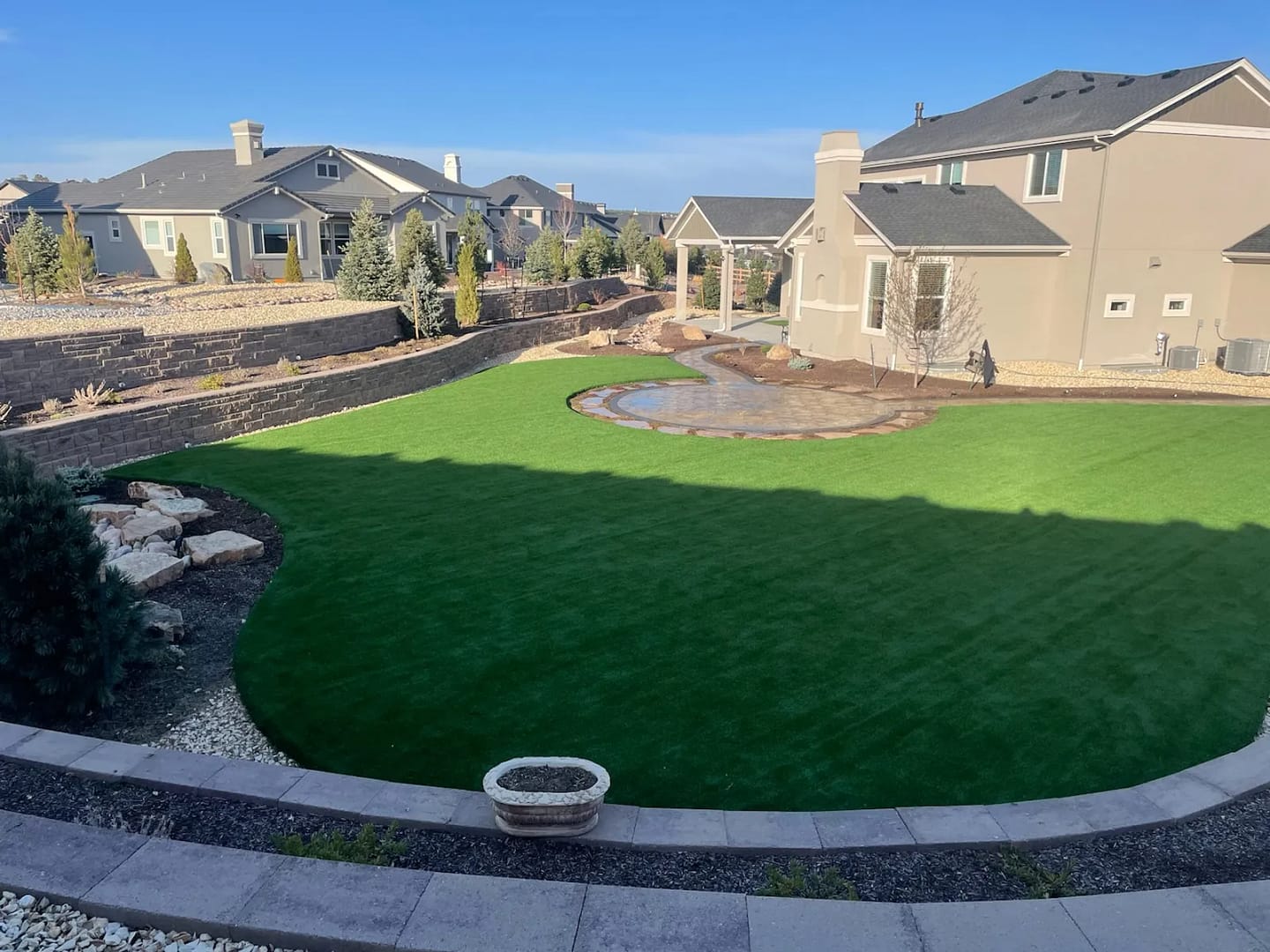
The growing adoption of synthetic turf in Castle Rock provides various benefits, particularly from an HOA compliance perspective. Notably, synthetic turf solutions contribute to significant water conservation by reducing reliance on traditional irrigation methods. Such installations are designed with low-maintenance characteristics, reducing upkeep labor while enhancing the property’s aesthetic appeal. Homeowners report increased durability and the advantage of a consistently green landscape, which aligns with HOA goals for community appearances.
The benefits outlined above highlight why synthetic turf can be an appealing choice for properties looking to meet HOA standards while enjoying environmentally friendly solutions.
How Does Synthetic Grass Support Water Conservation Regulations in Douglas County?
Synthetic grass plays a vital role in supporting water conservation regulations in Douglas County. By replacing traditional grass lawns, homeowners can significantly reduce water consumption, which is especially critical in drought-prone areas. The installation of synthetic turf eliminates the need for irrigation, resulting in notable savings on water bills and maintaining compliance with local water-use regulations. Additionally, using high-quality synthetic turf can contribute to enhanced environmental conditions, positioning homeowners as responsible community members.
Which Synthetic Turf Products Are Approved for Pet- and Child-Friendly Use in Castle Rock?
In Castle Rock, specific synthetic turf products are recognized for their safety and suitability for pets and children. These products typically undergo rigorous testing to ensure they meet safety standards for durability and chemical content. Homeowners are encouraged to select turf that is not only resilient to wear but also provides a safe and comfortable surface for play and leisure.
- Pet Turf: Engineered for easy cleaning and odor management, specifically designed to withstand heavy usage by pets.
- Playground Grass: Softened materials to promote a safe surface for children, often featuring shock-absorbent properties.
- Water Conservation Turf: Designed to maintain a natural appearance while significantly reducing water usage.
By selecting approved products, homeowners can ensure their synthetic turf installations remain compliant with HOA guidelines while enhancing safety for all users.
What Are Best Practices for Synthetic Turf Maintenance According to HOA Guidelines?
Maintaining synthetic turf according to HOA guidelines involves adhering to specific best practices. Regular cleaning is essential to prevent debris build-up, which can compromise the turf’s appearance and functionality. Homeowners should practice monthly inspections to promptly identify and address any issues, such as fiber degradation or loose seams. These simple yet effective maintenance steps not only prolong the life of the turf but also ensure ongoing compliance with HOA standards.
When and How Should Repairs Be Made to Stay Within Douglas County Covenant Compliance?
Repairs to synthetic turf should be made promptly to avoid falling out of compliance with Douglas County covenants. Homeowners should look for signs of damage, such as frayed edges or discoloration, which may indicate the need for repairs. Recommended repair methods typically involve using matching materials for seamless integration and maintaining the turf’s aesthetic appeal. When repairs are needed, it’s best to consult with professionals who specialize in synthetic turf maintenance to ensure that any restoration work adheres to HOA guidelines.