
By Dakota Carino, Artificial Grasscapes
Choosing the right “turf for commercial sports fields” and agility facilities is critical for ensuring safety, performance, and durability. This comprehensive guide delves into infill and shock pad standards that meet safety requirements while enhancing the playing experience. Readers will learn about essential specifications for turf, the role of shock pads, and the best infill materials suited for various athletic activities. Addressing common challenges like durability and safety, we will also cover regional standards that influence turf selection, ensuring compliance and quality. Internally, this piece draws on valuable insights that can help stakeholders make informed decisions in turf installation and maintenance, leading to optimal performance in sports activities.
What Are the Essential Specifications for Commercial Sports Field Turf?
Turf installations for commercial sports and agility facilities are characterized by specific performance metrics and durability standards. These specifications ensure that the synthetic product can withstand heavy use while providing a safe environment for athletes. Essential factors include the materials used for turf blades, their height, and the overall design that supports optimal performance under various weather conditions. Selecting the right turf ensures better playability and longevity against wear and tear, making adherence to these specifications paramount.
After exploring these specifications, it’s important to note that Artificial Grasscapes specializes in artificial grass solutions primarily serving Colorado, including Castle Rock and Colorado Springs. Their expertise further ensures quality installations aligned with these critical standards.
Which Turf Materials and Blade Heights Optimize Performance and Durability?
When evaluating turf materials, both synthetic fibers and their design play vital roles in determining performance and durability. Common materials include polyethylene and nylon, chosen for their resilience and aesthetic appeal.
- Polyethylene: Soft and durable, suitable for recreational and training fields.
- Nylon: Offers greater tensile strength and resilience, making it ideal for high-impact sports.
The height of the turf blades, typically ranging from 1.5 inches to 3.5 inches, affects player safety and performance. Longer blades offer better cushioning but may require increased maintenance, while shorter blades provide durability and easier care. It’s essential to assess specific use conditions when selecting height and material.
How Do Colorado Regional Standards Impact Turf Selection?
In Colorado, adherence to regional standards is crucial when selecting turf for commercial applications. The ASTM standards ensure that turf meets specific criteria regarding durability and safety, particularly concerning UV exposure and temperature fluctuations. Compliance with these regulations not only enhances safety but also extends the lifespan of the turf, reducing costs associated with replacements and repairs.
What Are Shock Pad Standards and Their Role in Turf Safety?
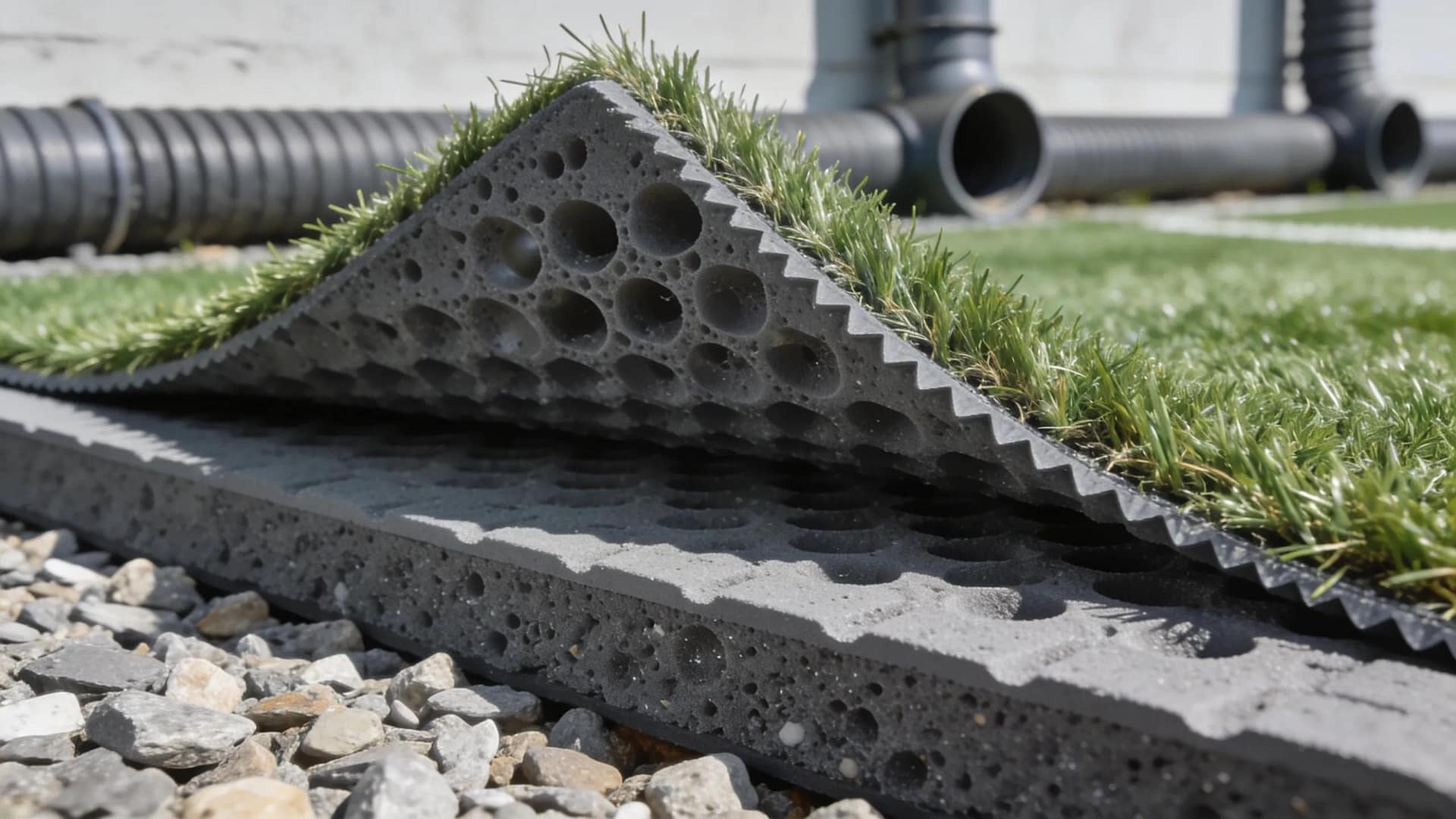
Shock pads are critical in enhancing player safety by providing additional cushioning and “shock absorption” beneath the turf surface. They help mitigate the impact forces experienced during athletic activities, potentially reducing the risk of injuries. Understanding the standards for shock pads, which align with industry safety protocols, is vital for installations that prioritize athlete protection.
Research suggests that managing the interaction between player movement and surface mechanics is essential for preventing lower-limb injuries during high-impact sports.
Understanding Rotational Traction and Safety in Synthetic Sports Turf
Traction refers to the resistive force generated as studded footwear interacts with a penetrable sport surface such as artificial turf1. Rotational traction forces have been linked closely to the safety and performance of turf surfaces2,3,4,5. Excessive rotational traction has been linked to ankle and knee injuries6; as such, it is a key parameter mechanically tested by sporting governing bodies such as the Fédération Internationale de Football (FIFA)7to certify turf systems i The development and validation of a performance infill tracking system to investigate rotational traction mechanisms on artificial turf surfaces, 2025
What Types of Shock Pads Meet ASTM and FIFA Safety Requirements?
Several types of shock pads are recognized for meeting ASTM (American Society for Testing and Materials) and FIFA (Fédération Internationale de Football Association) safety requirements. These include:
- Foam Shock Pads: Lightweight alternative providing excellent energy absorption.
- Rubber Shock Pads: Offer higher durability and performance but are heavier. Often used in multi-sport facilities.
- Composite Systems: Combine materials for enhanced performance and safety.
These types of pads are tested based on their shock absorption ratings, allowing facility managers to choose materials that align with safety regulations.
How Does Shock Absorption Rating Influence Player Safety?
The shock absorption rating of a shock pad is crucial in assessing its effectiveness for player safety. Higher ratings indicate better impact attenuation, reducing the risk of concussions and other injuries. For instance, shock pads with ratings above 60% are preferable for high-impact sports, offering adequate protection for professional-level play and training environments.
This table illustrates various shock pad options and their effectiveness in maintaining safety during athletic operations.
Which Infill Materials Are Best for Commercial Sports and Agility Turf?
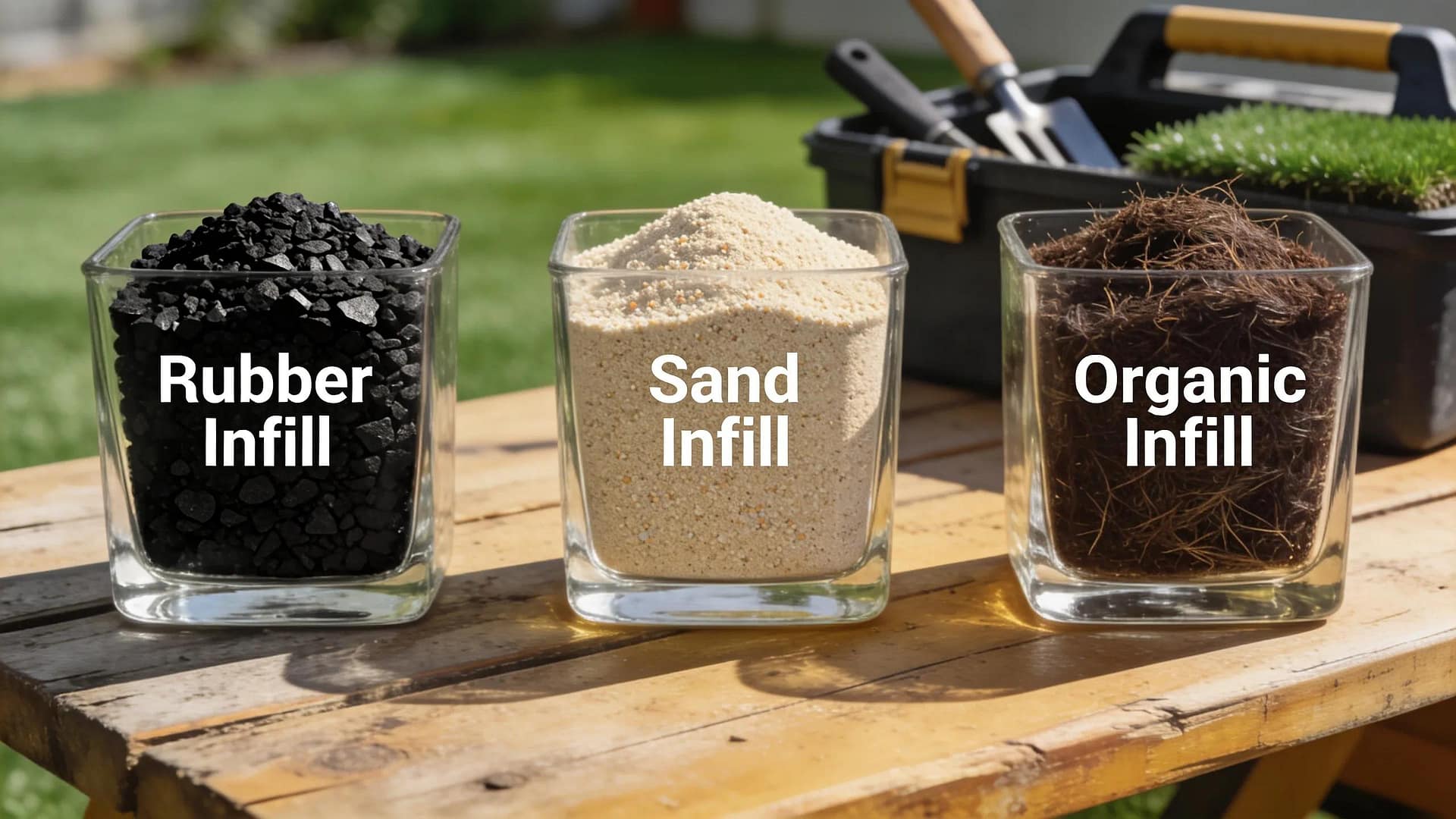
Infill materials play a vital role in the performance of commercial sports and agility turf. They serve various purposes, including stabilization of turf fibers, impact absorption, and providing traction. The most commonly utilized “infill materials” include rubber, sand, and organic options, each offering distinct advantages.
What Are the Benefits of Different Infill Compositions: Rubber, Sand, and Organic?
When considering infill materials, their composition influences several performance metrics:
- Rubber: Benefits: Offers superior shock absorption and durability. Ideal for sports that involve high-impact activities, providing excellent player safety.Maintenance: Requires moderate upkeep but can degrade under high UV exposure.
- Sand: Benefits: Cost-effective, provides stability, and is commonly available.Maintenance: Does not absorb water, leading to faster drying times but may not retain cushioning properties effectively.
- Organic materials: Benefits: Eco-friendly options made from natural resources. Offers effective shock absorption and helps regulate surface temperature.Maintenance: Requires regular replenishment and may have variable durability based on environmental conditions.
These infill options can enhance performance tailoring to the specific needs of various sports.
How Do Infill Density and Particle Size Affect Turf Performance and Maintenance?
The density and particle size of infill directly influence turf performance and maintenance. Higher density provides more stability, leading to better traction but can also result in increased wear on the turf blades. Conversely, lighter infill options facilitate easier maintenance but might compromise stability.
Selecting the right balance based on sport type ensures optimal safety and reduced maintenance burdens, a primary consideration for facility managers looking to maximize efficiency.
What Are the Key Installation and Maintenance Requirements for Agility Facility Turf?
Proper installation and ongoing maintenance are crucial to the longevity and performance of turf in agility facilities. Key requirements encompass site preparation, securing the turf, and ongoing care, ensuring the synthetic turf remains in ideal condition for athletic use.
A thorough site evaluation to assess drainage, soil conditions, and existing vegetation is vital for installation success. Maintaining an organized routine of inspections and cleaning helps preserve the turf’s integrity against natural wear and tear.
What Best Practices Ensure Compliance and Longevity During Turf Installation?
To ensure compliance and longevity during turf installation, several best practices should be followed:
- Site Preparation: Ensure the site is leveled and compacted to avoid poor drainage.
- Quality Materials: Use industry-certified turf and components that meet regional standards.
- Professional Installation: Engage experienced installers familiar with local regulations and best practices.
How Should Maintenance Be Conducted to Preserve Shock Pad and Infill Integrity?
Routine maintenance is essential to preserve the integrity of both shock pads and infill materials. Key practices include:
- Regular Inspections: Frequent assessments to identify wear or damage in the turf and shock pad systems.
- Debris Removal: Clearing the turf of leaves and debris to maintain optimal drainage.
- Infill Replacement: Gradually replenishing the infill material to ensure effective shock absorption.
These maintenance practices prolong the life of the turf installation, reducing the likelihood of costly replacements and enhancing user safety.


