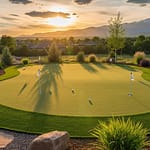
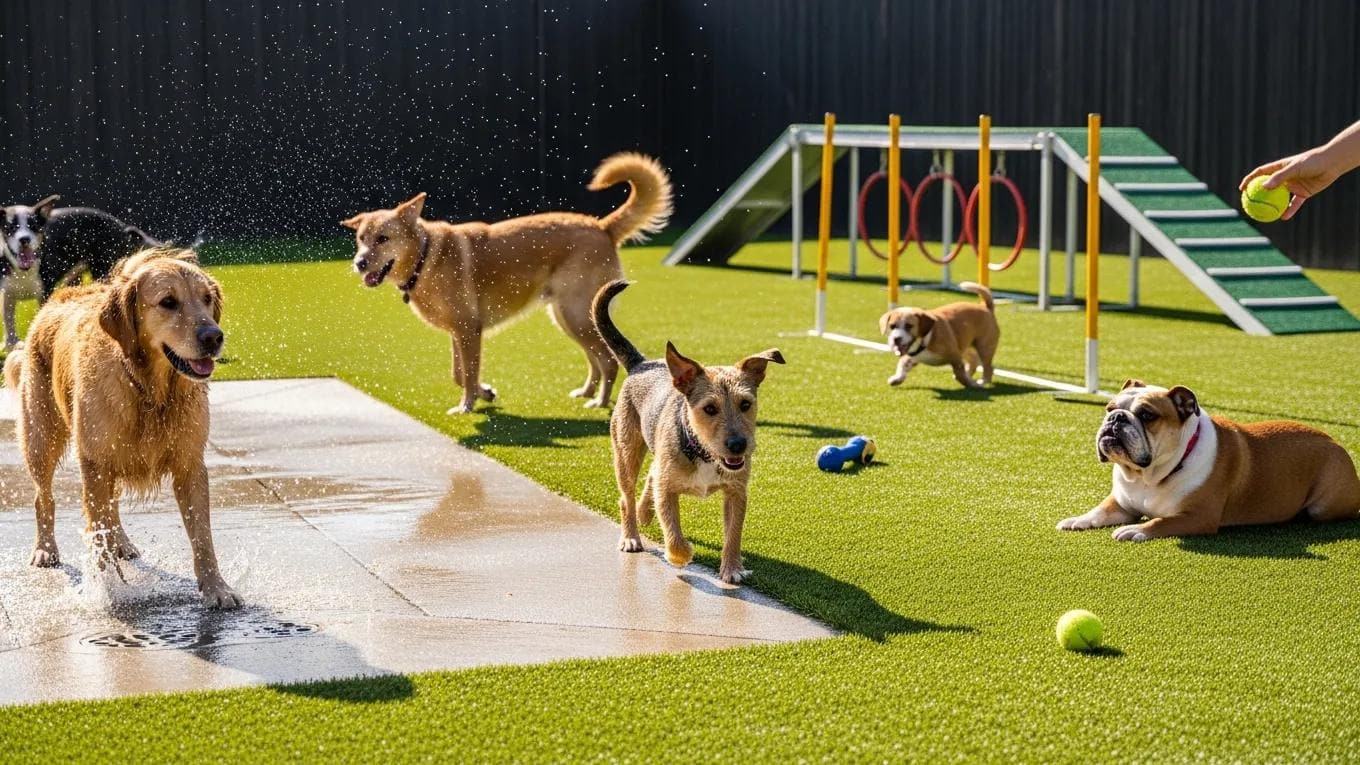
Designing a durable dog run turf system is essential for pet owners who want to provide a safe and enjoyable environment for their furry friends. This article explores best practices for dog run turf design, focusing on material selection, installation strategies, maintenance, and design considerations. By understanding these elements, pet owners can create a resilient and low-maintenance space that withstands the wear and tear of high traffic from pets. The importance of choosing the right materials and implementing effective installation techniques cannot be overstated, as they directly impact the longevity and safety of the turf. This guide will cover the best materials for dog runs, essential installation techniques, maintenance strategies, and design considerations to ensure a comfortable and safe environment for pets.
Material Selection:
Choosing the right materials for dog run turf is crucial for durability and pet safety. High-quality synthetic grass options are designed to withstand heavy foot traffic while providing a comfortable surface for pets. When selecting turf, consider the following factors:
- Quality of Pet Turf: Opt for high-quality synthetic grass that is specifically designed for pet use, ensuring it can handle the demands of active dogs.
- Strong Backing: Look for turf with a robust backing that prevents tearing and enhances durability, especially in high-traffic areas.
- Antimicrobial Properties: Select materials that have antimicrobial properties to reduce odors and promote a healthier environment for pets.
Installation Strategies:
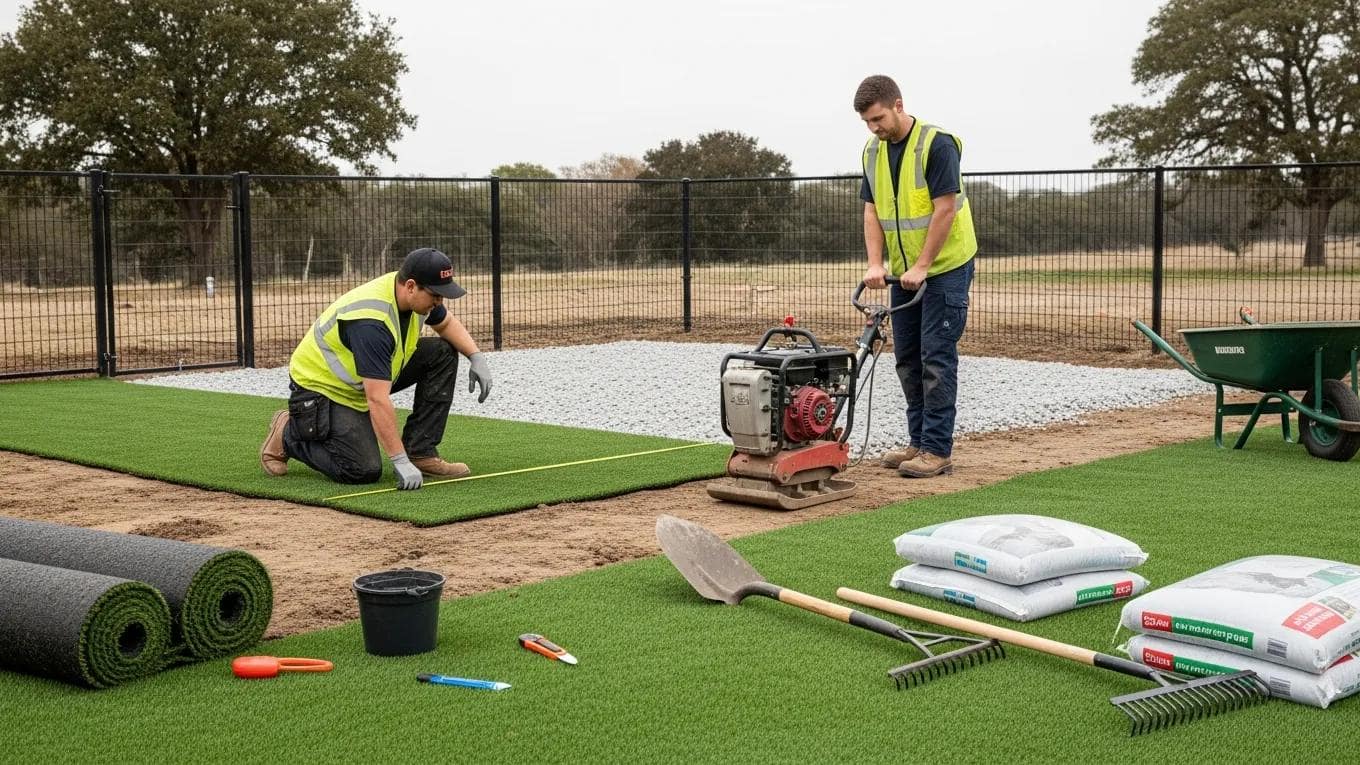
Proper installation is key to maximizing the lifespan of dog run turf. Here are some best practices to follow during the installation process:
- Assess the Area Thoroughly: Before installation, evaluate the site to determine the best layout and any necessary preparations.
- Ensure Proper Elevation: Create a slight slope to facilitate drainage, preventing water accumulation and ensuring a dry surface for pets.
- Use Air Drain Technology: Incorporate advanced drainage solutions, such as Air Drain technology, to enhance water flow and reduce maintenance needs.
Maintenance Strategies:
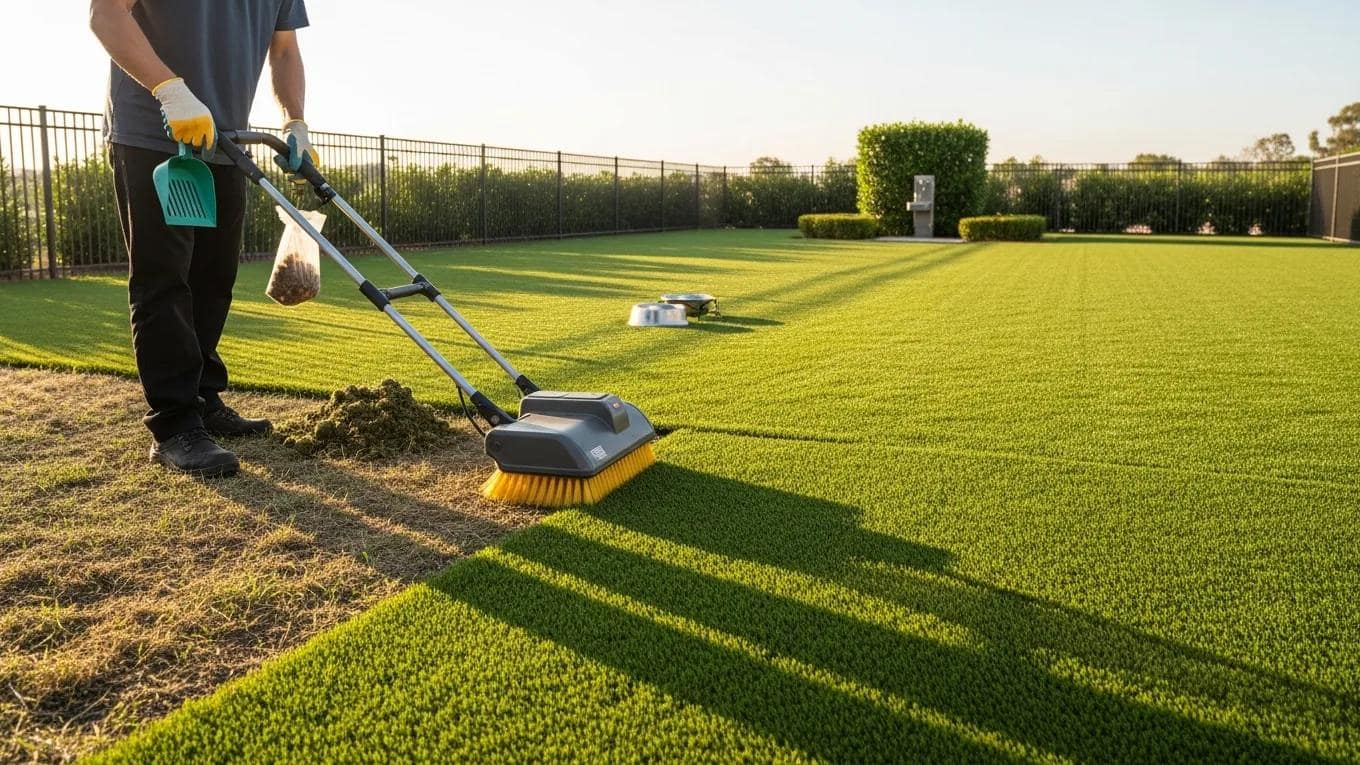
Maintaining dog run turf is essential for its longevity and performance. Regular upkeep can prevent issues and ensure a safe environment for pets. Here are some effective maintenance strategies:
- Regular Brushing: Brush the turf regularly to keep the fibers upright and prevent matting, which can lead to wear.
- Occasional Rinsing: Rinse the turf periodically to remove dirt, debris, and pet waste, maintaining a clean and hygienic surface.
- Prompt Waste Cleanup: Clean up pet waste immediately to prevent odors and maintain the integrity of the turf.
For those looking for professional assistance, Artificial Grasscapes specializes in providing high-quality artificial grass solutions tailored for pet owners. Their expertise in the design and installation of durable dog run turf systems ensures that your pet’s environment is both safe and enjoyable.
Design Considerations:
When designing a dog run, several factors should be taken into account to create a functional and safe space. Key considerations include:
- Plan for High Foot Traffic: Design the layout to accommodate the expected foot traffic, ensuring that the turf can withstand heavy use.
- Incorporate Antimicrobial Infills: Use infill materials that have antimicrobial properties to enhance safety and comfort for pets.
- Ensure Safety for Pets: Consider design features that prevent injuries, such as rounded edges and non-toxic materials.
Which Turf Materials Offer the Best Durability for Dog Runs?
When it comes to durability, not all turf materials are created equal. Here are some of the best options for dog runs:
- Play Premier: Known for its resilience and ability to withstand heavy use, Play Premier is an excellent choice for active dogs.
- Play Spring: This turf offers a balance of durability and comfort, making it suitable for various dog breeds.
- Polyethylene: A popular choice for its softness and durability, polyethylene turf is ideal for pet areas.
Comparing Polyethylene, Nylon, and Other Synthetic Grass Types
Different synthetic grass types offer varying levels of durability and comfort. Here’s a comparison of some common materials:
- Nylon: Highly durable and resistant to wear, nylon is suitable for high-traffic areas but can be less comfortable for pets.
- Polyethylene: Soft and durable, polyethylene provides a comfortable surface for pets while maintaining good resilience.
- Polypropylene: While cost-effective, polypropylene is less durable and may not be the best choice for dog runs.
How Material Choice Impacts Pet Safety and Comfort
The choice of turf material significantly affects both pet safety and comfort. High-quality materials can provide a safe environment by reducing the risk of injuries and ensuring a comfortable surface for pets to play on. Additionally, materials with antimicrobial properties help maintain hygiene, making them a safer option for pet owners.
Further research highlights the comprehensive safety and environmental benefits of artificial grass, offering a deeper understanding of its impact on pets and families.
Artificial Grass Safety & Environmental Benefits for Pets
This review examines the safety and environmental implications of artificial grass, emphasizing its impact on families and pets. By integrating a wide array of studies, this paper aims to provide a comprehensive perspective on artificial grass, assessing its pros and cons from health, safety, and ecological viewpoints. Emphasis is placed on understanding the chemical composition of artificial turf, its physical safety in various applications, and its environmental sustainability.
Safety and Environmental Benefits of Artificial Grass: A Research Review
What Are the Essential Drainage and Installation Techniques for Long-Lasting Pet Turf?
Effective drainage and installation techniques are vital for ensuring the longevity of pet turf. Here are some essential practices:
- Site Assessment: Conduct a thorough assessment of the site to identify drainage needs and prepare the area accordingly.
- Soil Preparation: Properly prepare the soil to create a stable base for the turf, enhancing its durability.
- Proper Drainage Considerations: Implement drainage solutions that prevent water accumulation and promote quick drying.
Designing Effective Drainage Systems for High Traffic Dog Runs
A well-designed drainage system is crucial for high-traffic dog runs. Consider the following techniques:
- Importance of Drainage: Effective drainage prevents water pooling, which can lead to turf damage and create an unhealthy environment.
- Techniques for Effective Drainage: Use perforated pipes and gravel layers to facilitate water flow and enhance drainage efficiency.
- Materials to Use: Select durable materials that can withstand the demands of a dog run while providing effective drainage.
Step-by-Step Installation Best Practices to Maximize Turf Lifespan
To ensure the longevity of your dog run turf, follow these step-by-step installation best practices:
- Site Assessment: Evaluate the area to determine the best layout and drainage needs.
- Soil Preparation: Prepare the soil by removing debris and leveling the ground.
- Turf Selection: Choose high-quality turf that meets the specific needs of your pets.
How Should Pet Turf Be Maintained and Repaired to Ensure Durability?
Regular maintenance and timely repairs are essential for keeping pet turf in optimal condition. Here are some strategies:
- Regular Brushing: Brush the turf to keep the fibers upright and prevent matting.
- Prompt Waste Cleanup: Clean up pet waste immediately to maintain hygiene and prevent odors.
- Inspection for Wear: Regularly inspect the turf for signs of wear and address any issues promptly.
Routine Maintenance Tips for Low-Maintenance Artificial Grass
Low-maintenance artificial grass requires minimal upkeep, but some routine maintenance can enhance its longevity:
- Regular Brushing: Brush the turf to keep it looking fresh and prevent matting.
- Occasional Rinsing: Rinse the turf to remove dirt and debris, maintaining a clean surface.
- Use of Antimicrobial Products: Consider using antimicrobial cleaning products to enhance hygiene.
When and How to Perform Repairs on Dog Run Turf
Timely repairs are crucial for maintaining the integrity of dog run turf. Here’s how to approach repairs:
- Identifying Damage: Regularly inspect the turf for signs of damage, such as tears or thinning areas.
- Repair Techniques: Use patching techniques to address small areas of damage and ensure a seamless appearance.
- Professional Services: For extensive damage, consider hiring professionals to ensure proper repairs.
What Pet Safety Considerations Influence Durable Dog Run Turf Design?
Safety is a top priority when designing dog run turf. Key considerations include:
- Material Safety: Ensure that all materials used are non-toxic and safe for pets.
- Environmental Impact: Consider the environmental impact of the materials and choose sustainable options when possible.
- Maintenance Requirements: Select materials that require minimal maintenance to ensure a safe and clean environment for pets.
Selecting Non-Toxic, Antimicrobial Turf Materials
Choosing non-toxic and antimicrobial turf materials is essential for pet safety. Here are some factors to consider:
- Non-Toxic Materials: Ensure that the turf is free from harmful chemicals that could pose a risk to pets.
- Antimicrobial Properties: Select materials that inhibit the growth of bacteria and fungi, promoting a healthier environment.
- Drainage Considerations: Ensure that the turf design incorporates effective drainage solutions to prevent water accumulation.
Design Features That Enhance Comfort and Prevent Injuries
Incorporating design features that enhance comfort and prevent injuries is vital for dog run turf. Consider the following:
- Antimicrobial Infills: Use infill materials that provide cushioning and reduce the risk of injuries.
- Foam Underlay: Consider adding a foam underlay for extra comfort and shock absorption.
- Durable Design: Ensure that the overall design is robust and can withstand the demands of active pets.