Home Putting Green Turf Options for Colorado Springs Golfers
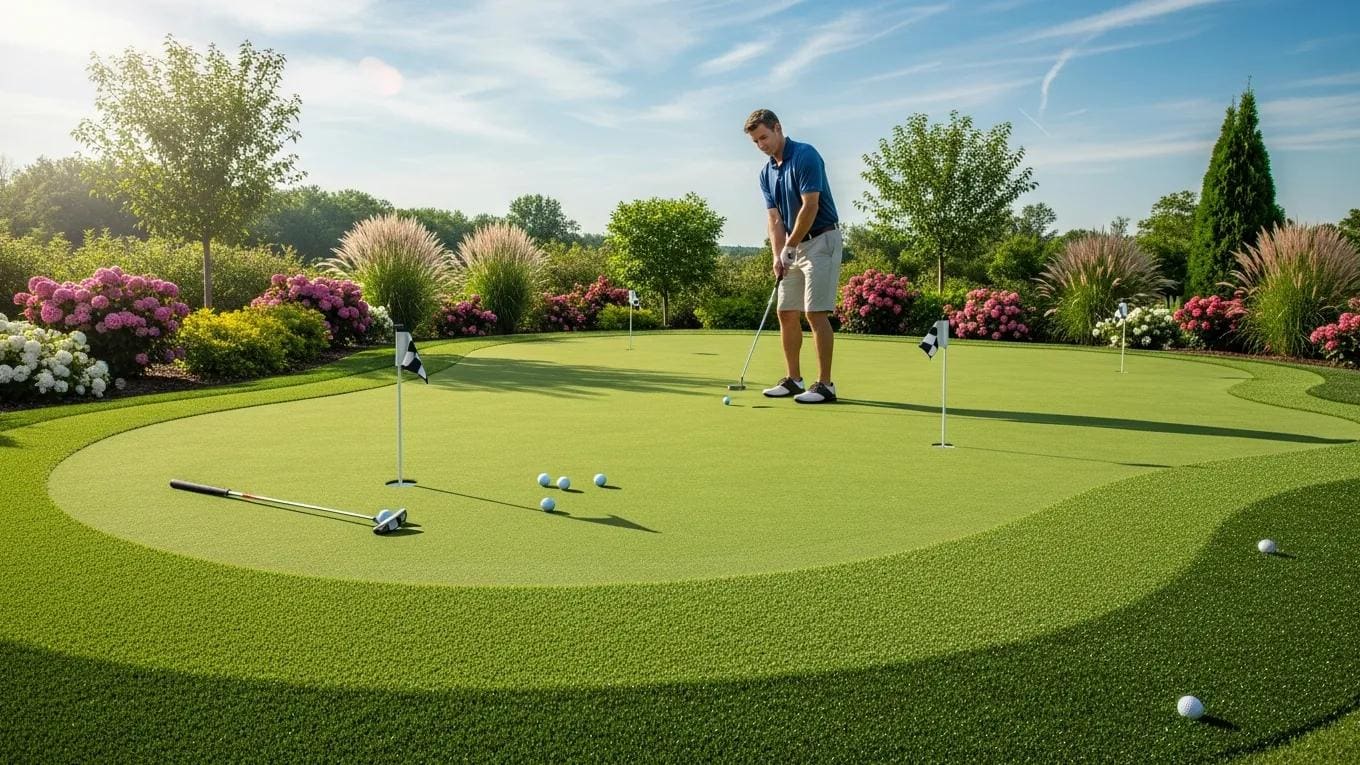
Creating a home putting green can significantly enhance your golf practice experience, allowing you to refine your skills in the comfort of your own backyard. This article will guide you through the various putting green turf options available, focusing on their features, installation processes, and maintenance requirements. By understanding the different types of synthetic turf, you can make an informed decision that suits your needs and preferences. Many homeowners struggle with selecting the right turf that balances durability, aesthetics, and performance. This guide will provide insights into the best options available, including expert advice on installation and maintenance. We will explore the types of turf, key features to consider, the installation process, maintenance practices, and cost considerations, ensuring you have all the information needed to create the perfect practice green.
Types of Turf
When selecting putting green turf, it’s essential to understand the different types available, each offering unique characteristics and benefits. The primary options include Nylon Turf, Polyethylene Turf, and Polypropylene Turf. Each type varies in durability, feel, and suitability for different applications, making it crucial to choose the right one for your specific needs.
Colorado Springs sits at 6,035 feet elevation, and Castle Rock at 6,224 feet. At this altitude, thinner air reduces aerodynamic drag on the golf ball, which affects roll speed and distance on a home putting green. To simulate realistic on-course putting conditions, Colorado homeowners should select a lower pile height (3/8″ to 1/2″) and a firmer, denser infill compared to sea-level installations. A faster-rolling surface at altitude more closely mirrors the feel of the high-altitude courses in the Pikes Peak region. Artificial Grasscapes accounts for altitude when recommending turf specifications for Colorado Springs and Castle Rock putting greens.
Nylon Turf
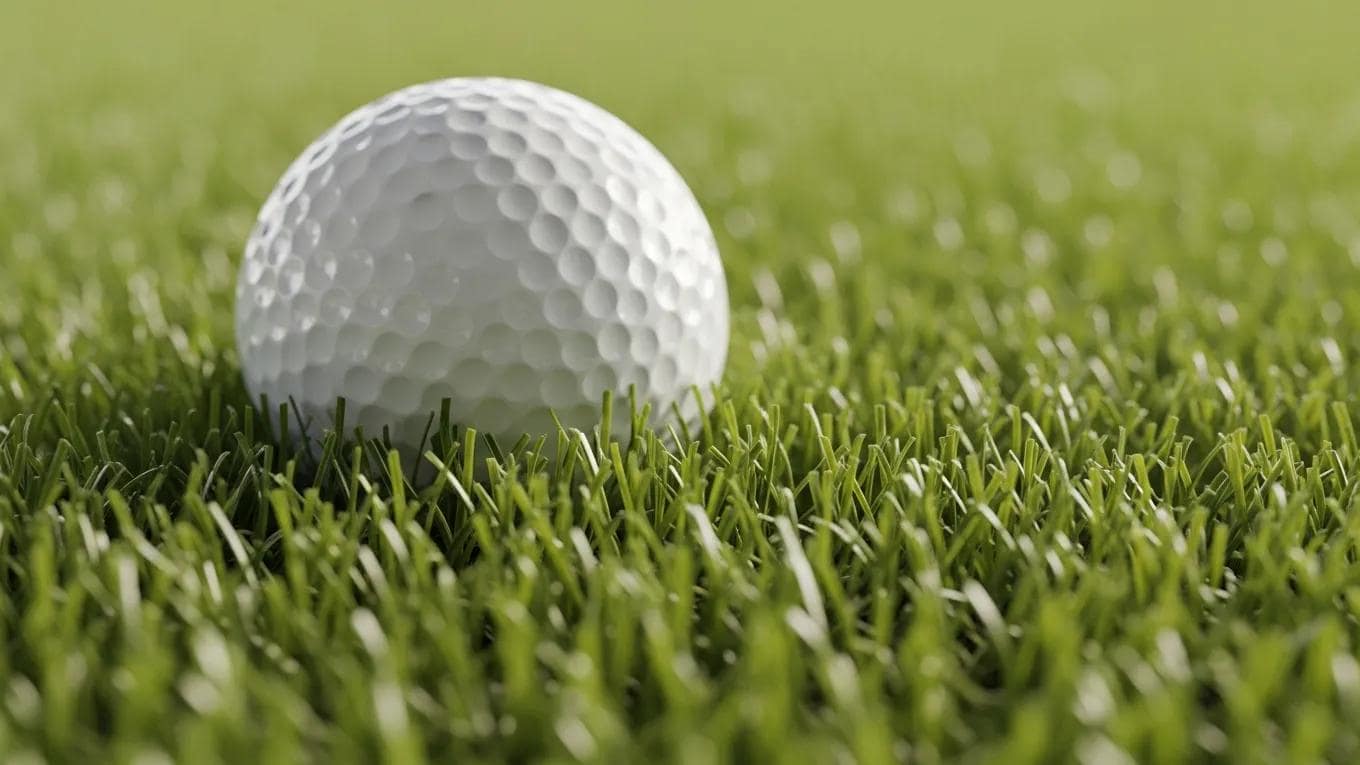
Nylon Turf is known for its exceptional durability and resilience, making it a popular choice for putting greens that experience heavy use. This type of turf can withstand the wear and tear of frequent practice, ensuring it maintains its appearance and functionality over time. Additionally, Nylon Turf offers a higher pile height, which can enhance the overall playing experience. However, it may come at a higher cost compared to other options, making it essential to weigh the benefits against your budget.
Colorado’s high altitude means significantly higher UV radiation exposure than lower-elevation states — UV intensity increases approximately 4% for every 1,000 feet of elevation gain. For Colorado Springs and Castle Rock homeowners, this means standard putting green turf products designed for sea-level markets may fade, stiffen, or degrade faster than expected. Always specify UV-stabilized turf with a UV inhibitor rating appropriate for high-altitude installations. Artificial Grasscapes sources turf products rated for Colorado’s UV environment, ensuring your home putting green maintains its color and performance for years.
Polyethylene Turf
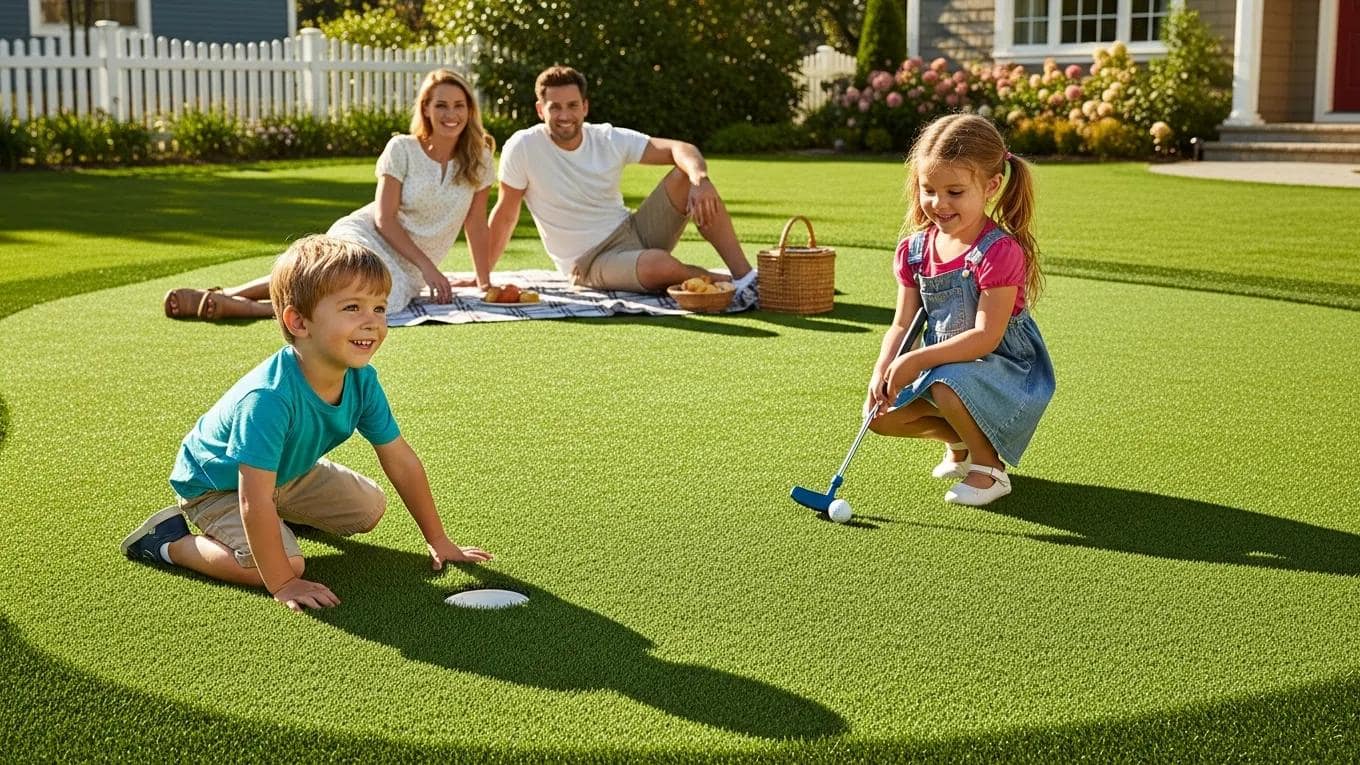
Polyethylene Turf is favored for its soft feel and realistic appearance, closely mimicking natural grass. This type of turf is ideal for residential lawns and home putting greens, providing an aesthetically pleasing surface that enhances the overall look of your outdoor space. Its installation is straightforward, and it requires minimal maintenance, making it a practical choice for homeowners looking for a low-maintenance option. The combination of comfort and visual appeal makes Polyethylene Turf a top contender for home practice greens.
Polypropylene Turf
Polypropylene Turf is a cost-effective option that is lightweight and easy to install. While it may not be as durable as Nylon or Polyethylene, it is suitable for low-traffic areas, making it a viable choice for homeowners who want a putting green that won’t see heavy use. This type of turf is often more affordable, allowing for budget-friendly installations. However, it’s essential to consider its limitations in terms of durability and performance when making your selection.
Choosing the Right Turf for Your Home Putting Green
When choosing putting green turf, several key features should be considered to ensure you select the best option for your needs. These features include pile height, density, and material quality, all of which contribute to the overall performance and longevity of the turf.
- Pile Height: The height of the turf blades affects the ball’s roll and the overall feel during play. A higher pile height can provide a more realistic experience, while a lower height may be better for faster greens.
- Density: A denser turf will typically offer better durability and a more authentic feel. Higher density also contributes to the turf’s ability to withstand wear and tear.
- Material Quality: The quality of the materials used in the turf construction directly impacts its performance and longevity. Investing in high-quality turf can lead to better results and a longer lifespan.
Installation Process
The installation process for putting greens involves several critical steps to ensure a successful outcome. Proper site assessment, preparation, and leveling are essential to create a smooth and functional surface for your practice green.
- Site Assessment: Evaluate the area where the putting green will be installed, considering factors such as sunlight exposure, drainage, and accessibility.
- Preparation and Leveling: Clear the area of debris and vegetation, then level the ground to create a smooth base for the turf. This step is crucial for ensuring proper drainage and a consistent playing surface.
- Castle Rock and Colorado Springs experience significant freeze-thaw cycling through fall and spring, with overnight temperatures regularly dropping below freezing even after warm daytime highs. For home putting greens, this means the sub-base is as important as the turf itself. A properly compacted Class 6 road base aggregate (the local standard in El Paso and Douglas Counties) with adequate drainage slope prevents frost heaving, surface undulation, and seam separation that can ruin a putting green’s roll consistency. Skipping or rushing the base preparation is the most common cause of putting green failure in Colorado’s climate. Artificial Grasscapes installs all putting greens with a freeze-thaw-rated base system designed specifically for Front Range conditions.
- Professional Installation Benefits: While DIY installation is possible, hiring professionals can ensure that the turf is installed correctly, maximizing its performance and longevity. Companies like Artificial Grasscapes specialize in providing expert installation services tailored to your specific needs.
For those looking to enhance their installation experience, Artificial Grasscapes offers comprehensive installation services, ensuring your putting green is set up for optimal performance.
Maintenance
Maintaining your synthetic putting green is essential for preserving its appearance and functionality over time. Regular cleaning, brushing, and infill maintenance are key practices to keep your turf in top condition.
- Regular Cleaning Frequency: It’s important to clean your putting green regularly to remove debris, leaves, and dirt that can accumulate over time. A simple rinse with water can help maintain its appearance.
- Brushing and Infill Maintenance: Brushing the turf helps keep the blades upright and maintains the overall look of the green. Additionally, replenishing infill material can enhance the turf’s performance and longevity.
- Professional Maintenance Services: For those who prefer a hands-off approach, contacting Artificial Grasscapes for maintenance services can ensure your putting green remains in excellent condition without the hassle of DIY upkeep.
Cost Considerations
Understanding the financial aspects of installing and maintaining turf is crucial for homeowners. Initial installation costs can vary based on the type of turf selected and the complexity of the installation process.
- Initial Installation Costs: The cost of turf can range significantly based on the material and quality. Nylon Turf tends to be more expensive, while Polypropylene Turf offers a more budget-friendly option.
- Long-Term Savings on Maintenance: Investing in high-quality turf can lead to long-term savings, as it typically requires less maintenance and replacement over time.
- Comparative Quotes: It’s advisable to obtain multiple quotes from different providers to ensure you receive the best value for your investment.
Environmental Benefits
Artificial turf offers several environmental benefits that make it an appealing choice for homeowners.
- Water Conservation Benefits: Synthetic turf eliminates the need for regular watering, significantly reducing water consumption and promoting sustainability.
- Reduction of Pesticides and Fertilizers: With artificial grass, there is no need for chemical treatments, which can be harmful to the environment. This contributes to a healthier ecosystem.
- Sustainability of Synthetic Materials: Many synthetic turfs are made from recycled materials, further enhancing their eco-friendly profile.
By choosing artificial grass solutions, homeowners can enjoy a beautiful, functional putting green while also contributing to environmental conservation efforts.

