Will Artificial Grass Withstand Colorado’s Weather and Temperature Fluctuations?

Category: 30
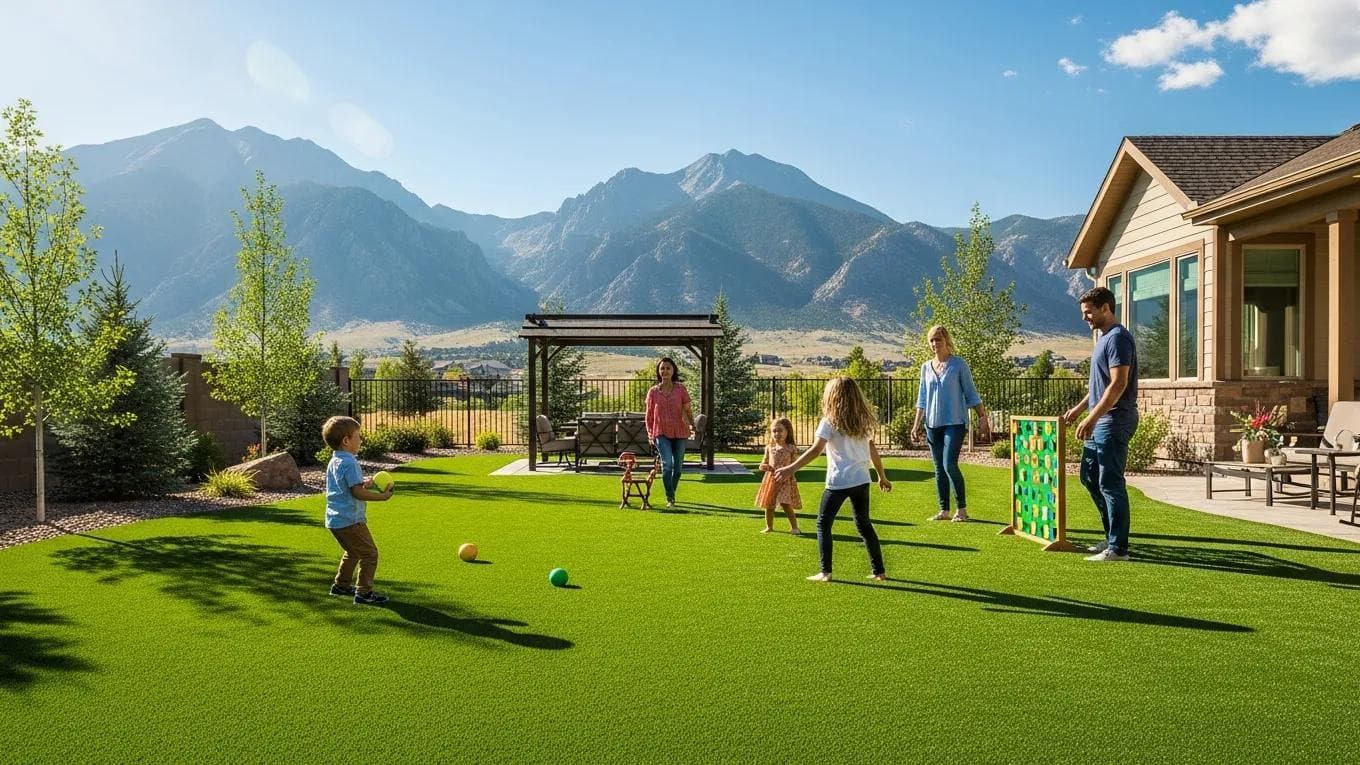
Family enjoying outdoor activities on a lush artificial grass lawn in Colorado, with mountains in the background, highlighting the durability and aesthetic appeal of synthetic turf in varying weather conditions.

Artificial Turf Durability in Colorado’s Extreme Weather Conditions

Artificial grass has gained popularity in Colorado due to its aesthetic appeal and low maintenance requirements. However, many homeowners and businesses wonder if “synthetic turf” can withstand the state’s unique weather conditions, including significant temperature fluctuations and freeze-thaw cycles. This article will explore the durability of artificial grass in Colorado’s climate, providing insights into its performance, maintenance needs, and the best options available. By understanding how artificial grass interacts with Colorado’s weather, you can make informed decisions about your landscaping choices.

Indeed, the appeal of artificial grass often stems from its ability to offer an evergreen, low-maintenance solution, addressing various environmental and practical considerations.

Artificial Grass: Low Maintenance & Environmental Benefits

In the contemporary landscape marked by rapid urbanization, water conservation demands, and escalating environmental challenges, artificial grass has emerged as a significant player. This evolution is not merely a response to aesthetic preferences but stems from a complex interplay of environmental, economic, and practical considerations. Urban spaces, constantly grappling with the scarcity of green areas, have increasingly adopted artificial grass as a solution to the challenges posed by natural turf. The high maintenance requirements, including regular watering, mowing, and pest and weed control associated with natural grass, present logistical and environmental challenges in urban settings. Artificial grass offers a seemingly convenient alternative, bypassing these demands and presenting an evergreen, low-maintenance solution.

Safety and Environmental Benefits of Artificial Grass: A Research Review

Temperature Fluctuations

Artificial grass is designed to endure a wide range of temperatures, making it suitable for Colorado’s variable climate. During the summer months, high temperatures can cause synthetic turf to heat up significantly. However, advancements in turf technology have led to the development of cooling infill materials that help mitigate heat retention. Regular maintenance, such as brushing and rinsing, can also help keep the turf cool and comfortable for use. Understanding these factors is crucial for ensuring the longevity and performance of artificial grass in hot weather.

Research further supports that while synthetic grass can heat up, specific infill materials and technologies are effective in managing surface temperatures.

Synthetic Grass Surface Temperature & Thermal Environment

The only parameters that were consistently higher on synthetic grass compared to natural grass were the air temperature (range: 0.5–1.2 °C) and surface temperature (range: 9.4–33.7 °C), while the mean radiant temperature, humidity, wind velocity and wet-bulb-globe temperature remained similar or required more data to determine if any differences exist. Synthetic grass surfaces consisting of styrene butadiene rubber infill or a shock pad had increased surface temperatures, whereas surfaces with thermoplastic elastomer infill, Cool climate turf fibres or HydroChill had lower surface temperatures.

The effect of synthetic grass sports surfaces on the thermal environment: A systematic review, B Peterson, 2024

Freeze-Thaw Cycles

In Colorado, freeze-thaw cycles can pose challenges for outdoor surfaces, including artificial grass. Synthetic turf is engineered to withstand cold temperatures and snow accumulation, making it a viable option for winter landscapes. The materials used in high-quality artificial grass are resistant to cracking and damage from freezing temperatures. Regular maintenance during winter, such as removing snow and ice, can further enhance the turf’s durability. By understanding how artificial grass performs in snowy conditions, homeowners can enjoy a beautiful lawn year-round.

Maintenance Insights

Maintaining artificial grass is essential for ensuring its longevity and performance, especially in Colorado’s diverse climate. Regular maintenance practices include:

  1. Routine Inspections: Check for any signs of wear or damage, especially after extreme weather events.
  2. Cleaning: Remove debris, leaves, and pet waste to keep the turf looking its best.
  3. Brushing: Regularly brush the turf fibers to maintain their upright position and prevent matting.

It is important to consider that while artificial turf offers many benefits, the initial installation and ongoing maintenance can incur significant costs.

Artificial Turf Installation & Maintenance Costs

system in the case of Verona, makes artificial turf more expensive to install and maintain. Initial installation costs, maintenance costs, disposal costs, and removal

Artificial Turf Versus Natural Grass: A Case Study of Environmental Effects, Health Risks, Safety, and Cost, 2025

For those considering installation, Artificial Grasscapes offers expert knowledge of Colorado’s climate challenges, providing tailored solutions for both residential and commercial landscaping.

How Does Colorado's Climate Affect Synthetic Turf Durability?

Colorado’s climate presents unique challenges for synthetic turf, primarily due to its temperature variations and precipitation patterns. Understanding these factors is crucial for selecting the right artificial grass.

Temperature Variations

Temperature variations in Colorado can be extreme, with summer highs reaching over 90°F and winter lows dropping below freezing. These fluctuations can affect the performance of artificial grass. High-quality synthetic turf is designed to withstand these changes, maintaining its structural integrity and appearance. The use of durable materials ensures that the turf remains resilient against both heat and cold.

Precipitation Patterns

Colorado experiences varied precipitation patterns, with heavy snowfall in winter and dry conditions in summer. Snow can accumulate on artificial grass, but it typically melts away without causing damage. Conversely, during dry spells, the turf may require occasional rinsing to prevent dust buildup. Understanding how these precipitation patterns impact turf maintenance is essential for keeping your lawn in optimal condition.

Material Resilience

The resilience of artificial grass materials is a key factor in its performance in Colorado’s climate. High-quality synthetic turf is made from durable fibers that resist fading, cracking, and wear. Materials such as nylon, polyethylene, and polypropylene each offer unique benefits, making them suitable for different applications. Choosing the right material can significantly enhance the longevity of your artificial grass.

What Are the Freeze-Thaw Effects on Artificial Grass?

Freeze-thaw cycles can lead to potential damage in outdoor surfaces, but artificial grass is specifically designed to handle these conditions. The materials used in synthetic turf are resistant to the effects of freezing temperatures, ensuring that the grass remains intact and functional. Regular maintenance, such as snow removal, can further protect the turf from any adverse effects of freeze-thaw cycles.

How Do Temperature Fluctuations Influence Turf Performance?

Temperature fluctuations can significantly influence the performance of artificial grass. During hot weather, turf can become warm to the touch, which may affect its usability. However, advancements in turf technology have introduced cooling features that help maintain a comfortable surface temperature. In colder months, the turf’s ability to withstand freezing temperatures ensures that it remains a viable option for outdoor spaces throughout the year.

What Are the Best Artificial Grass Options for Colorado's Weather?

When selecting artificial grass for Colorado’s climate, it’s essential to consider the material and its characteristics. The best options include:

  1. Nylon: Known for its durability and resilience, nylon turf can withstand heavy foot traffic and extreme weather conditions.
  2. Polyethylene: This type of turf offers a realistic appearance and soft feel, making it ideal for residential lawns and play areas.
  3. Polypropylene: While more cost-effective, polypropylene turf may have limitations in durability compared to nylon and polyethylene.

Turf TypeDurabilityAppearanceCost
NylonHighNaturalHigher
PolyethyleneModerateRealisticModerate
PolypropyleneLowBasicLower

Choosing the right type of artificial grass can enhance your landscape’s resilience against Colorado’s weather challenges.

Which Turf Fiber Types Offer Superior Freeze-Thaw Resistance?

When considering freeze-thaw resistance, nylon and polyethylene fibers are generally superior. These materials are engineered to withstand the stresses of temperature changes without compromising their structural integrity. Polypropylene, while more affordable, may not perform as well under extreme conditions. Selecting the right fiber type is crucial for ensuring the longevity of your artificial grass in Colorado’s climate.

Are Pet-Friendly Synthetic Lawns Suitable for Colorado's Climate?

Pet-friendly synthetic lawns are an excellent option for Colorado residents, as they are designed to withstand wear from pets while maintaining their appearance. These lawns are typically made from durable materials that resist damage from digging and scratching. Additionally, many pet-friendly options feature drainage systems that help manage moisture and prevent odors, making them suitable for Colorado’s varied climate.

How Should Artificial Grass Be Installed to Withstand Colorado Weather?

Proper installation is critical for ensuring that artificial grass can withstand Colorado’s weather conditions. Key installation guidelines include:

  1. Site Preparation: Ensure the ground is level and free of debris before laying the turf.
  2. Base Layer Importance: A solid base layer helps with drainage and stability, preventing shifting during freeze-thaw cycles.
  3. Securing the Turf: Properly securing the turf with stakes or adhesive can prevent movement and damage from wind or snow.

What Installation Techniques Mitigate Weather-Related Turf Damage?

To mitigate weather-related damage, consider the following installation techniques:

  • Using Infill Materials: Infill materials can help stabilize the turf and provide additional cushioning.
  • Securing Turf Edges: Properly securing the edges of the turf can prevent lifting and damage during heavy snow or wind.
  • Drainage Solutions: Implementing effective drainage solutions can help manage water runoff and prevent pooling.

How Does Proper Installation Enhance Turf Longevity?

Proper installation significantly enhances the longevity of artificial grass. By ensuring a solid base and secure edges, the turf can better withstand the stresses of Colorado’s weather. Additionally, proper drainage helps prevent water accumulation, which can lead to mold and mildew growth. Investing in quality installation techniques can result in a durable and long-lasting lawn.

What Maintenance and Repair Practices Ensure Year-Round Turf Health in Colorado?

To maintain artificial grass in Colorado, consider the following practices:

  1. Regular Cleaning: Keep the turf free of debris and pet waste to maintain its appearance.
  2. Brushing and Inspections: Regularly brush the turf fibers and inspect for any signs of wear or damage.
  3. Seasonal Maintenance: Adjust maintenance practices based on seasonal changes, such as snow removal in winter and rinsing during dry spells.

How Often Should Artificial Lawns Be Maintained in Colorado?

Artificial lawns in Colorado should be maintained regularly to ensure their longevity. A general guideline is to perform maintenance tasks at least once a month, with more frequent cleaning during peak usage times or after severe weather events. Seasonal adjustments to maintenance practices can help keep the turf in optimal condition year-round.

What Repair Services Address Weather-Related Turf Wear?

Addressing weather-related wear on artificial grass may require professional repair services. Key services include:

  1. Regular Inspections: Professional inspections can identify potential issues before they become significant problems.
  2. Addressing Mold and Mildew: Specialized cleaning services can effectively remove mold and mildew that may develop in damp conditions.
  3. Turf Replacement: In cases of severe damage, sections of turf may need to be replaced to maintain the overall appearance and functionality of the lawn.

By understanding the unique challenges posed by Colorado’s climate and implementing proper maintenance and installation practices, homeowners can enjoy the benefits of artificial grass for years to come.