Permeable Base and Drainage Techniques for Turf

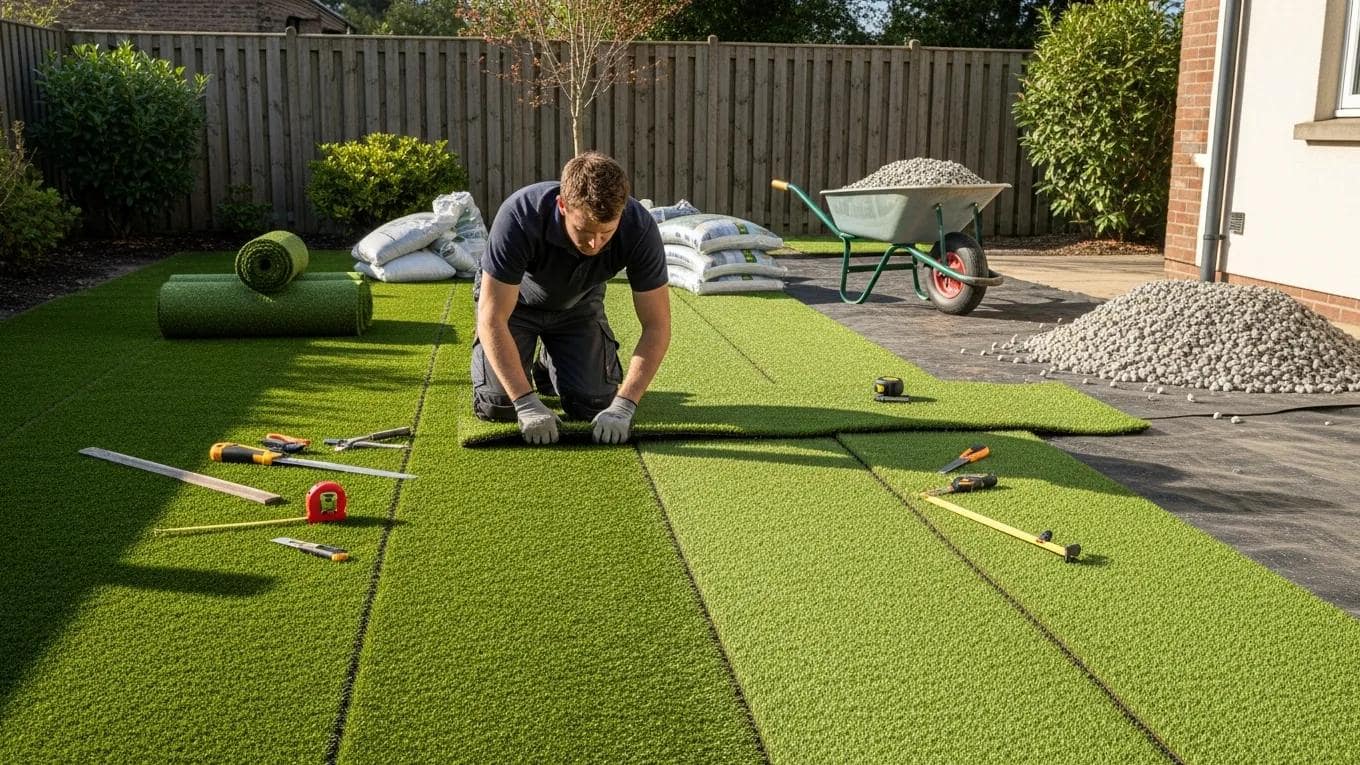
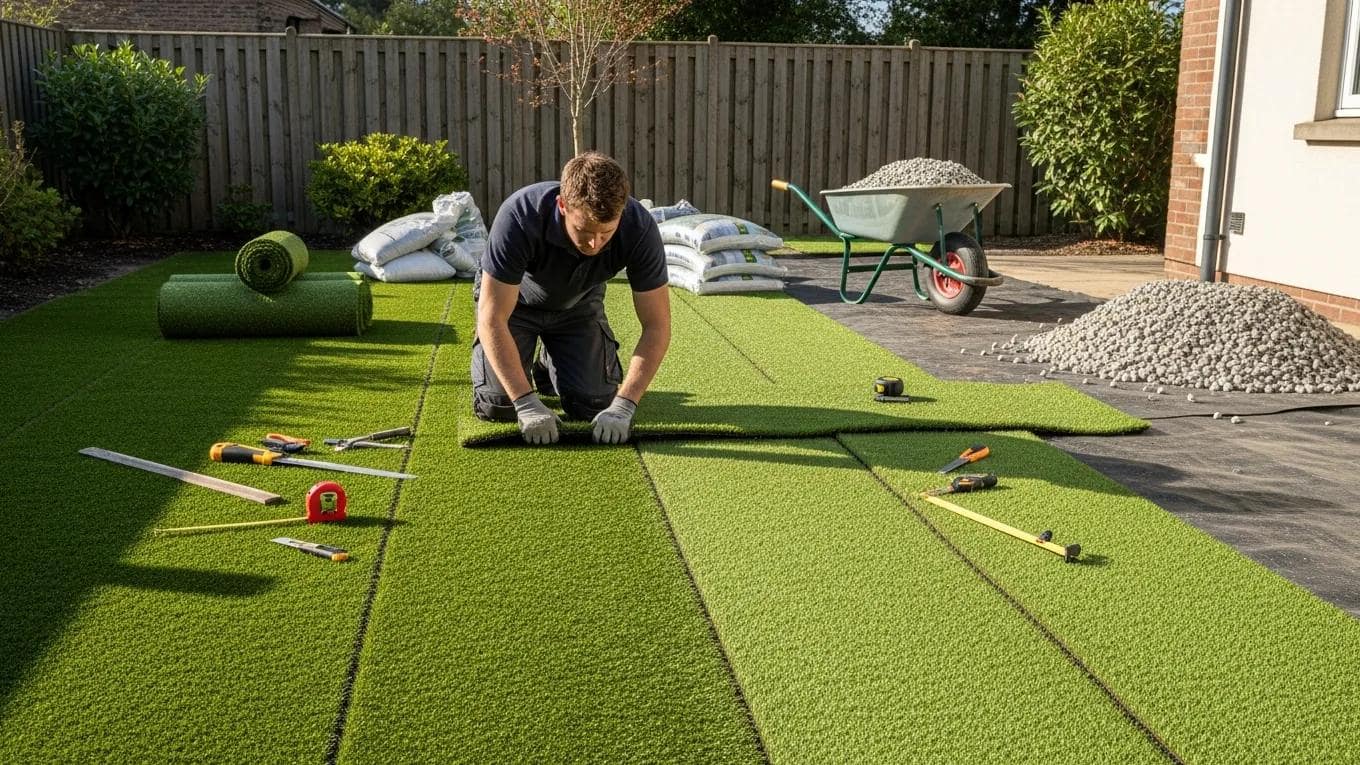
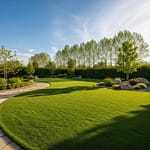
Professional installing synthetic turf in a sunny backyard, demonstrating quality materials and base preparation techniques for effective drainage solutions.

Expert Synthetic Turf Base Prep and Drainage Techniques

Effective base preparation and drainage are crucial for the longevity and performance of synthetic turf. This article delves into the essential techniques and materials required to create a permeable base that supports proper drainage, ensuring that your artificial grass remains in optimal condition. Readers will learn about the various steps involved in site preparation, base layer installation, and drainage solutions, as well as maintenance practices that contribute to the overall health of synthetic turf systems.

Understanding the importance of these techniques is vital, especially for homeowners and commercial clients in regions like Colorado, where specific climate conditions can impact turf performance. This guide will cover the necessary steps for preparing a site, installing a base layer, implementing effective drainage solutions, and maintaining your turf to prevent issues such as water pooling and soil instability.

Site Preparation

Site preparation is the foundational step in installing synthetic turf, ensuring that the area is ready for subsequent layers. This process involves clearing existing grass and debris, leveling the ground, and considering the necessary drainage slope. Proper site preparation prevents future complications, such as uneven surfaces or inadequate drainage, which can lead to turf damage.

The initial clearing of the site is essential to remove any organic material that could decompose and create unevenness. Following this, leveling the ground ensures a smooth surface for the turf installation. Additionally, establishing a slight slope aids in directing water away from the turf, preventing pooling and promoting effective drainage.

Base Layer Installation

The base layer is critical for providing stability and drainage for synthetic turf. Various materials can be used, including crushed stone and decomposed granite, which are known for their excellent drainage properties. The compaction process is vital to ensure that the base layer is stable and can support the weight of the turf and any foot traffic.

Artificial Grasscapes specializes in professional installation services that include the preparation of a robust base layer. Their expertise ensures that the materials used are appropriate for the specific needs of the turf and the local climate, particularly in areas like Castle Rock and Colorado Springs.

Drainage Solutions

Effective drainage solutions are essential for maintaining the integrity of synthetic turf. Various methods can be employed, including the installation of permeable backing, air drains, and traditional drainage systems. Each method has its benefits, and the choice depends on the specific site conditions and requirements.

What Are the Steps for Installing French Drains and Gravel Layers?

Installing French drains involves several key steps:

  1. Planning the Layout: Determine the areas where water tends to pool and plan the drain layout accordingly.
  2. Excavation: Dig a trench that is slightly sloped to facilitate water flow.
  3. Gravel Layer: Place a layer of gravel at the bottom of the trench to promote drainage.
  4. Drain Pipe Installation: Lay perforated drain pipes on top of the gravel, ensuring they are positioned correctly to collect water.
  5. Backfilling: Cover the pipes with more gravel and soil, ensuring the surface is level.

These steps create an effective drainage system that prevents water from pooling under the turf, enhancing its longevity and performance.

How Does Proper Drainage Improve Turf Longevity and Soil Stability?

Proper drainage significantly impacts the lifespan of synthetic turf and the stability of the underlying soil. By preventing water accumulation, drainage systems reduce the risk of soil erosion and compaction, which can lead to uneven surfaces and turf damage. Additionally, effective drainage helps maintain soil health by preventing waterlogging, which can suffocate roots and promote the growth of harmful bacteria.

Turf Installation

Once the base layer and drainage systems are in place, the next step is turf installation. This process involves laying the synthetic grass, securing it properly, and ensuring that seams are well-connected to prevent lifting or separation. Proper installation techniques are crucial for achieving a natural appearance and ensuring the turf can withstand regular use.

Infill Application

Infill materials play a significant role in the performance of synthetic turf. They provide stability, support, and cushioning, enhancing the overall feel and functionality of the turf. Common infill materials include sand, rubber, and organic options, each offering unique benefits. The application of infill should be done carefully to ensure even distribution and optimal performance.

Maintenance Considerations

Regular maintenance is essential for preserving the quality and appearance of synthetic turf. Key practices include routine cleaning, addressing stains promptly, and conducting regular inspections to identify any potential issues.

How to Inspect and Repair Turf Drainage Systems Regularly?
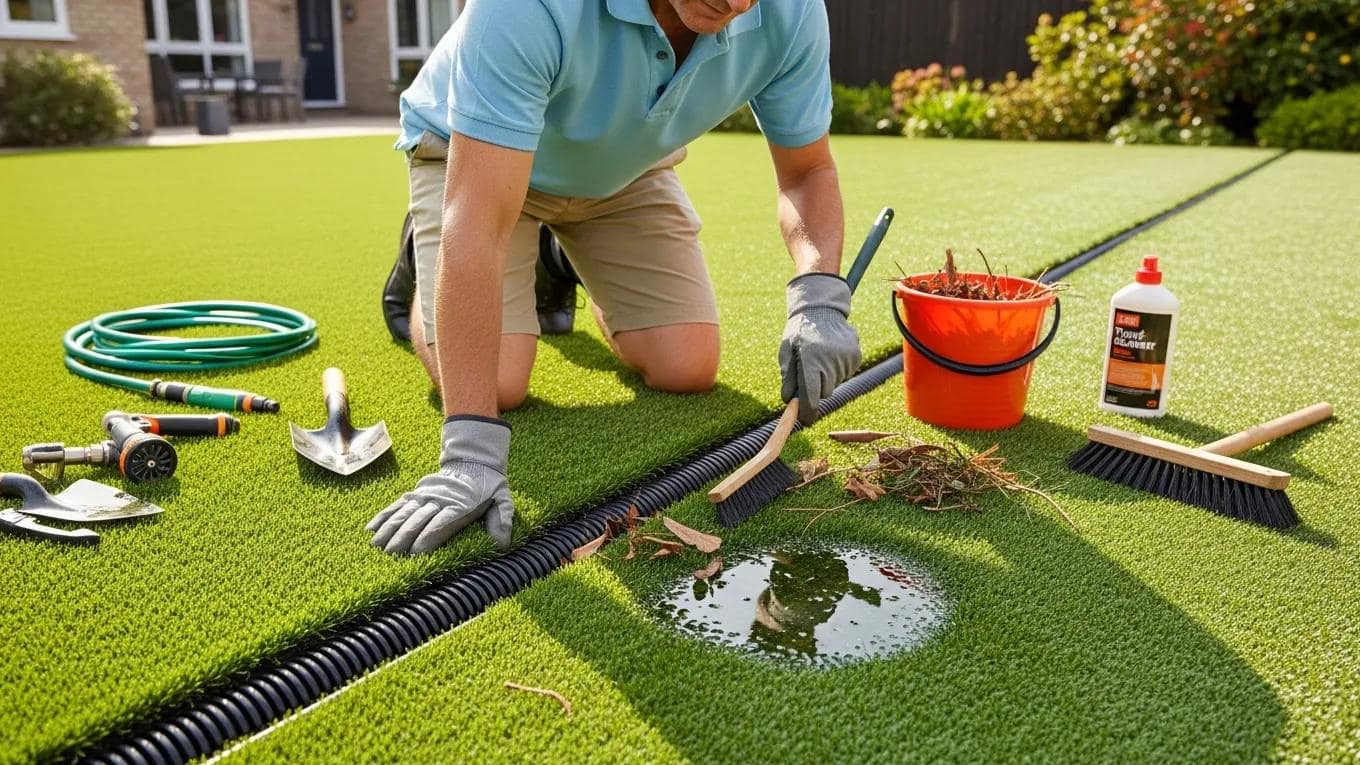
Regular inspections of drainage systems are crucial for ensuring their effectiveness. Key steps include:

  1. Visual Checks: Look for signs of water pooling or drainage issues.
  2. Clearing Debris: Remove any leaves or debris that may obstruct drainage.
  3. Repair Techniques: Address any identified issues promptly, such as replacing damaged pipes or adding additional gravel.

These practices help maintain the integrity of the drainage system and prolong the life of the turf.

What Are the Best Permeable Base Materials for Synthetic Turf?

Choosing the right permeable base materials is essential for effective drainage and turf performance. The best options include:

  • Crushed Stone: Provides excellent drainage and stability.
  • Decomposed Granite: Offers a natural appearance and good permeability.
  • Geotextile Fabric: Helps separate the base layer from the soil while allowing water to pass through.

How Do Crushed Stone and Decomposed Granite Enhance Turf Drainage?

Crushed stone and decomposed granite are both effective materials for enhancing turf drainage. Crushed stone allows for rapid water movement, preventing pooling and ensuring that the turf remains dry. Decomposed granite, on the other hand, compacts well and provides a stable base while still allowing water to flow through, making it an excellent choice for areas with heavy rainfall.

What Role Does Geotextile Fabric Play in Base Preparation?

Geotextile fabric serves a critical function in base preparation by acting as a barrier between the soil and the base materials. This fabric prevents soil from mixing with the base layer, which can lead to compaction and reduced drainage. Additionally, it allows water to flow through while keeping the base materials intact, ensuring long-term performance.

How Does Colorado’s Climate Influence Permeable Base and Drainage Installation?

Colorado’s unique climate presents specific challenges for permeable base and drainage installation. The state experiences varying temperatures and precipitation levels, which can affect soil composition and drainage needs.

What Local Soil Conditions Affect Turf Base Preparation?

Local soil conditions, such as clay content and drainage capacity, play a significant role in base preparation. In areas with heavy clay soils, additional drainage solutions may be necessary to prevent water retention and ensure proper turf performance.

How Do Customized Solutions Address Colorado Springs and Castle Rock Needs?

Customized solutions are essential for addressing the specific needs of regions like Colorado Springs and Castle Rock. By assessing local soil conditions and climate factors, professionals can design tailored drainage and base preparation strategies that enhance turf performance and longevity. This localized approach ensures that the synthetic turf can withstand the unique challenges posed by the environment.