Choosing the right landscaping solution for north-facing yards can be challenging due to the limited sunlight these areas receive. Shade-tolerant artificial turf offers a practical and aesthetically pleasing alternative for homeowners looking to maintain a lush, green lawn without the hassle of traditional grass. This article will explore the various options available for shade-tolerant artificial turf, installation considerations, maintenance practices, and the environmental benefits of synthetic grass. By understanding these aspects, homeowners can make informed decisions that enhance their outdoor spaces while addressing the unique challenges posed by low-light conditions.
Shade-Tolerant Options
When selecting artificial grass for shaded areas, it is crucial to choose products specifically designed to thrive in low-light conditions. Shade-tolerant artificial turf is engineered to maintain its color and texture even with minimal sunlight exposure. These products typically feature advanced materials that resist fading and wear, ensuring a long-lasting and attractive lawn. The benefits of using shade-tolerant turf include reduced maintenance requirements and the ability to create a vibrant outdoor space where natural grass may struggle to grow.
Installation Considerations
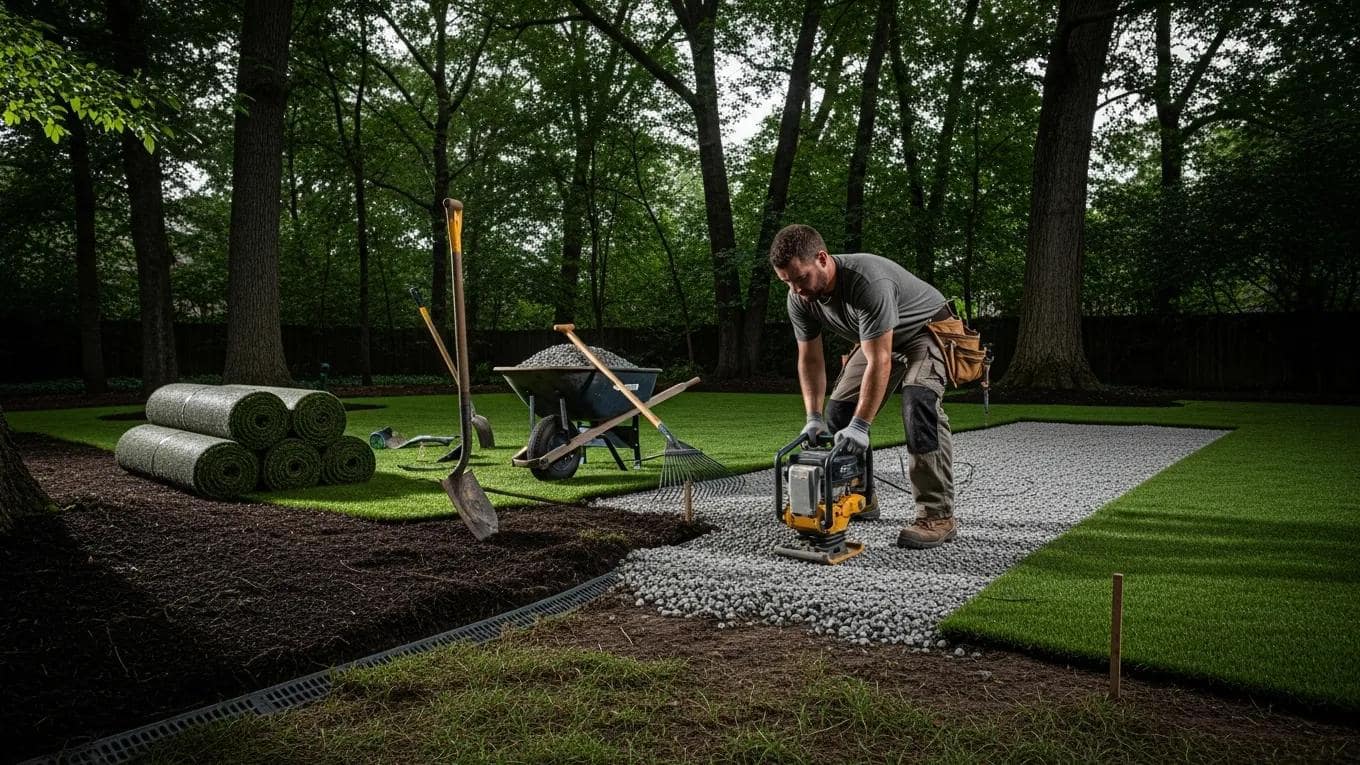
Installing artificial turf in shaded areas requires careful planning and execution to ensure optimal performance. Key factors to consider include:
- Base Preparation: Properly preparing the ground is essential for drainage and stability. A well-structured base prevents water pooling and promotes longevity.
- Drainage Considerations: Effective drainage systems are vital in shaded areas to avoid water accumulation, which can lead to mold and mildew growth.
- Infill Materials: Selecting the right infill materials can enhance the performance of shade-tolerant turf, providing support and improving durability.
Artificial Grasscapes offers professional installation services tailored to the unique needs of north-facing yards, ensuring that your turf performs optimally in low-light conditions.
Climate Adaptation
Colorado’s climate presents unique challenges for landscaping, particularly in shaded areas. The temperature fluctuations and varying UV exposure can impact the performance of artificial turf. Shade-tolerant options are designed to withstand these conditions, featuring UV resistance that helps maintain their appearance and integrity over time. Additionally, these products are built to endure the elements, ensuring durability against Colorado’s diverse weather patterns.
Professional Guidance
Consulting with experts in artificial turf installation can significantly enhance the outcome of your project. Professionals can provide tailored advice based on specific yard conditions, ensuring that the selected turf meets the unique challenges of low-light environments. They can also assess the space to recommend the best products and installation techniques, ultimately leading to a more successful and satisfying landscaping solution.
Shade-Tolerant Turf Solutions for Low-Light North-Facing Yards
Maintaining artificial turf in shaded areas involves specific practices to ensure its longevity and appearance. Key maintenance tasks include:
- Regular Cleaning: Keeping the turf free from debris and organic matter is essential to prevent mold and odors.
- Brushing Techniques: Regular brushing helps maintain the upright position of the turf fibers, ensuring a natural look.
- Importance of Maintenance: Consistent upkeep is crucial in shaded areas, where moisture can linger longer, potentially leading to issues if not addressed.
Artificial Grasscapes also offers maintenance and repair services to help homeowners keep their shade-tolerant turf in top condition.
Environmental Benefits
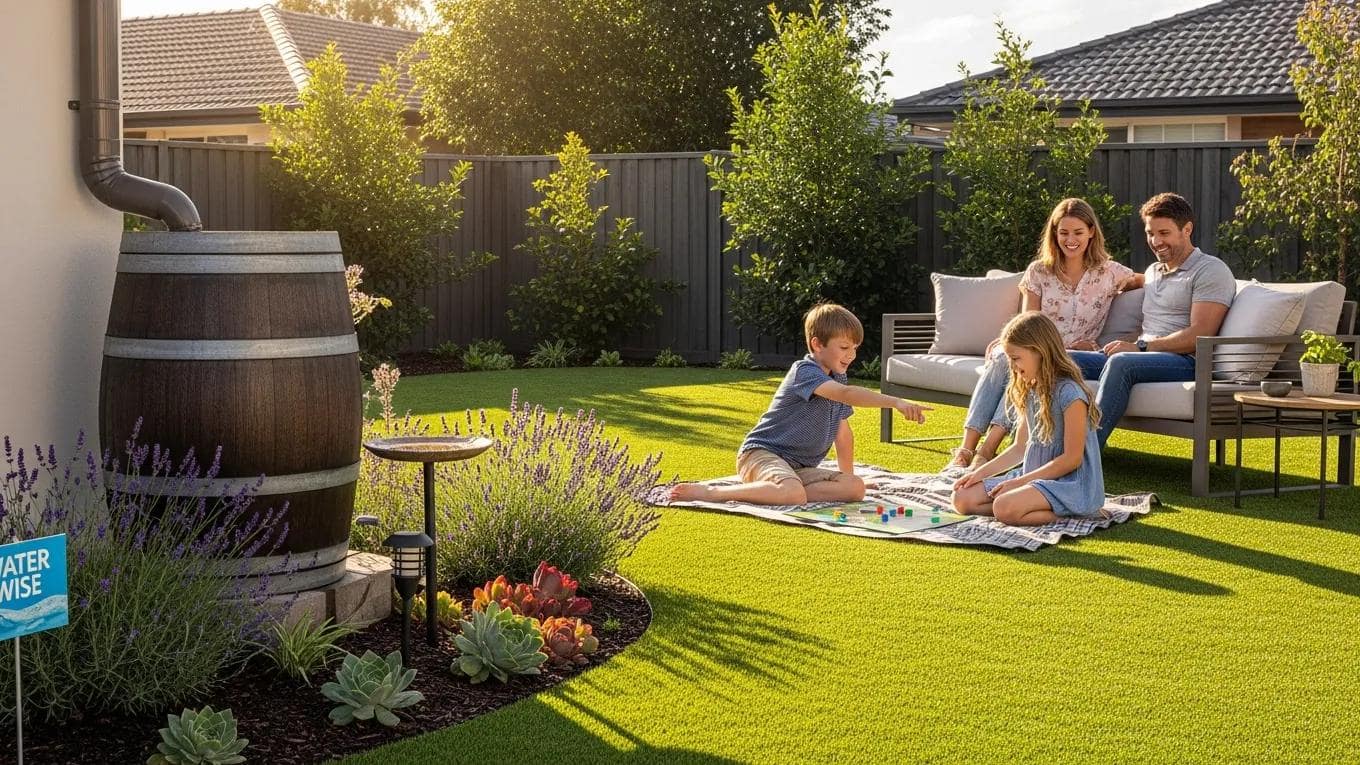
Artificial turf provides several environmental advantages, particularly in water conservation. By replacing natural grass with synthetic options, homeowners can significantly reduce their water usage, which is especially beneficial in arid regions like Colorado. Additionally, artificial grass eliminates the need for chemical fertilizers and pesticides, promoting a healthier ecosystem. The sustainability of artificial turf makes it an attractive choice for environmentally conscious homeowners.
While artificial turf offers significant water savings, it’s important to note that not all water conservation programs in Colorado currently offer rebates for its installation.
Colorado Water Conservation & Artificial Turf Rebates
water conservation strategies across the Western states, with a particular focus on the Colorado River Basin, often do not provide rebates for removing grass and adding in hardscapes or artificial turf.
Turf in the West: A Survey and Theory of Laws and Governance Structures, 2024
What Makes Shade-Tolerant Artificial Turf Ideal for North-Facing Yards?
Shade-tolerant artificial turf is specifically designed to thrive in low-light conditions, making it an ideal choice for north-facing yards. These products maintain their color and texture despite limited sunlight, providing a lush appearance year-round. The durability and low maintenance requirements of shade-tolerant turf further enhance its appeal, allowing homeowners to enjoy a beautiful lawn without the constant upkeep associated with natural grass.
How Does Low Light Affect Synthetic Grass Performance?
Low light conditions can impact the growth and durability of natural grass, but shade-tolerant synthetic grass is engineered to perform well in these environments. The materials used in these products are designed to resist fading and wear, ensuring that the turf remains vibrant and functional even in shaded areas. This resilience makes shade-tolerant artificial turf a practical solution for homeowners with north-facing yards.
Key Features of Shade-Resistant Artificial Lawn Products
Shade-resistant artificial lawn products are characterized by their unique material composition and design features. These include:
- Durable Fibers: Engineered to withstand low-light conditions without losing color or texture.
- UV Protection: Special coatings that prevent fading and degradation from sunlight exposure.
- Pet-Friendly Options: Many shade-tolerant turfs are designed to be safe for pets, ensuring a worry-free environment for families.
Which Artificial Turf Types Are Best for Shaded Areas?
When considering artificial turf for shaded areas, several types stand out for their performance and durability. These include:
- Polyethylene Turf: Known for its realistic appearance and softness, making it ideal for residential lawns.
- Nylon Turf: Offers superior durability and resilience, suitable for high-traffic areas.
- Polypropylene Turf: A cost-effective option that performs well in shaded environments.
Comparing Shade-Tolerant Synthetic Grass Materials
Different materials used in shade-tolerant synthetic grass offer varying benefits. Here’s a comparison of common options:
Pet-Friendly Turf Options for Low Light Environments
For pet owners, selecting the right turf is crucial. Pet-friendly shade-tolerant options are designed to withstand wear and tear from pets while providing a safe environment. These products often feature antimicrobial properties to reduce odors and are easy to clean, making them ideal for families with pets.
How Is Artificial Turf Installed in North-Facing Yards in Colorado?
The installation of artificial turf in north-facing yards requires specific techniques to ensure optimal performance. Key steps include:
- Site Assessment: Evaluating the yard’s conditions to determine the best turf type and installation method.
- Base Preparation: Creating a stable foundation that promotes drainage and prevents shifting.
- Turf Placement: Carefully laying the turf to ensure proper alignment and coverage.
Professional Installation Techniques for Shaded Lawns
- Preparation Steps: Ensuring the ground is level and properly compacted.
- Installation Tips: Using appropriate adhesives and securing edges to prevent lifting.
- Common Pitfalls to Avoid: Being aware of drainage issues and ensuring proper infill application.
Local Climate Considerations for Turf Installation
Understanding Colorado’s climate is essential for successful turf installation. Factors such as seasonal weather patterns and temperature fluctuations can impact the choice of materials and installation techniques. Professionals can provide insights into the best practices for ensuring that the turf performs well throughout the year.
Beyond climate factors, local policies also play a role in turf installation, with many Colorado communities implementing measures to reduce functional turf.
Colorado Water Conservation & Turf Installation Policies
Colorado has a long history of local water conservation programs. As of 2023, 22 local governments have adopted policies to reduce functional turf, but only 10 of them have been accompanied by restrictions on new turf installation.
Keep My Water Off Your Nonfunctional Turf, 2023
What Are the Maintenance and Repair Best Practices for Shade-Tolerant Turf?
Maintaining shade-tolerant turf involves specific practices to ensure its longevity and appearance. Key strategies include:
- Routine Maintenance Tasks: Regularly cleaning and inspecting the turf to prevent issues.
- Repair Techniques for Common Issues: Addressing wear and tear promptly to maintain the turf’s integrity.
- Importance of Upkeep in Shaded Areas: Understanding that shaded environments may require more frequent maintenance due to moisture retention.
Maintaining Synthetic Grass in Low Light Conditions
Maintaining synthetic grass in low light conditions requires specific practices to ensure its longevity. Regular cleaning and inspections are essential to prevent mold and odors. Homeowners should also be aware of the unique challenges posed by shaded areas, such as increased moisture retention.
Common Repair Solutions for Shaded Artificial Lawns
Repairing shaded artificial lawns involves identifying common issues and addressing them promptly. Homeowners can choose between DIY solutions or professional services, depending on the severity of the damage. Regular maintenance can help minimize the need for extensive repairs, ensuring that the turf remains in excellent condition.


