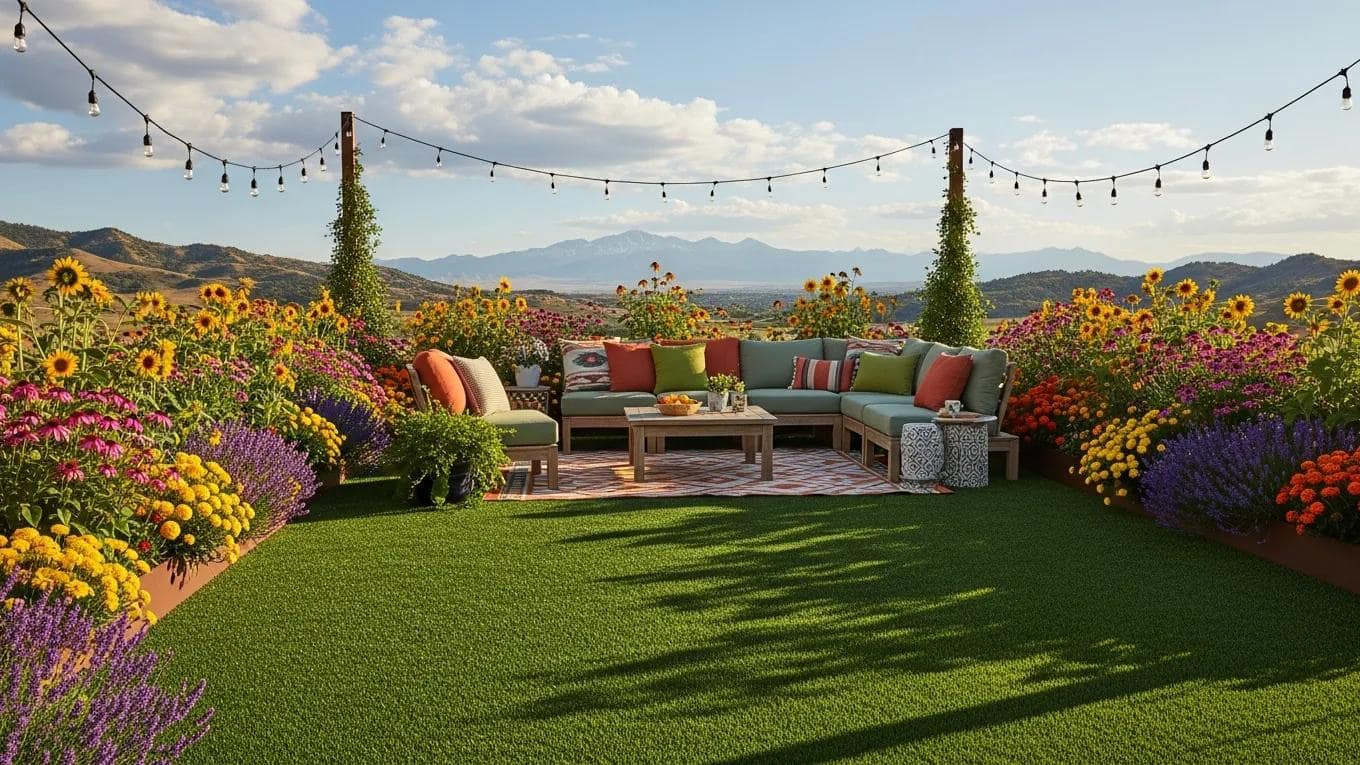
Creating an inviting outdoor living space is essential for homeowners and businesses alike, especially in the beautiful landscapes of Colorado. This guide explores the integration of artificial turf into outdoor living designs, highlighting its benefits, maintenance practices, and design considerations. As outdoor spaces become extensions of our homes, understanding how to effectively incorporate artificial grass solutions can enhance both aesthetics and functionality. Many property owners face challenges with traditional landscaping, such as high maintenance costs and water usage. Artificial turf offers a sustainable and low-maintenance alternative that can transform any outdoor area. This article will cover design considerations, maintenance practices, environmental benefits, and the specific advantages of artificial turf installation.
Design Considerations:
When integrating artificial turf into outdoor spaces, several design factors must be considered to ensure a seamless and attractive result. Choosing the right type of turf is crucial, as it should complement the overall aesthetic of the area while meeting functional needs. Additionally, the integration of turf with existing landscaping elements, such as pathways, gardens, and seating areas, can enhance the visual appeal and usability of the space. Color and texture considerations also play a significant role in achieving a natural look that blends well with the surrounding environment.
Maintenance Practices:
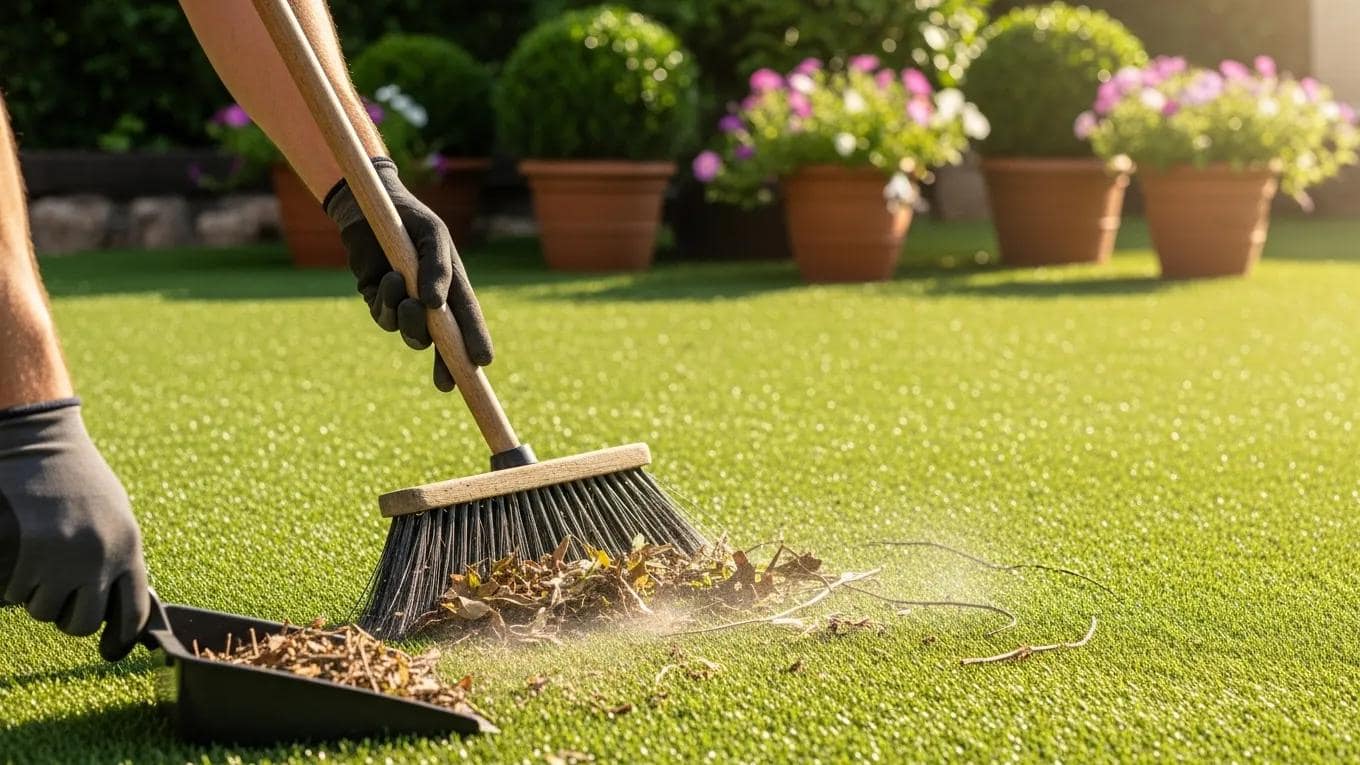
Maintaining artificial turf is relatively straightforward compared to natural grass, but it still requires some attention to keep it looking its best. Here are some best practices for maintaining artificial turf:
Understanding the nuances of synthetic turf care is crucial for its longevity and performance, encompassing both design and maintenance considerations.
Synthetic Turf Design & Maintenance
In particular, synthetic turf maintenance as it relates to athlete safety has been a topic of interest. Keywords included synthetic turf, artificial turf, field turf, and synthetic turf design and maintenance practices in the search.
Synthetic turf: history, design, maintenance, and athlete safety, AS McNitt, 2019
- Regular Cleaning: Remove debris such as leaves and dirt to prevent buildup and maintain appearance.
- Spot Cleaning: Address spills and stains promptly to avoid permanent discoloration.
- Inspect for Mold and Mildew: Regularly check for signs of mold or mildew, especially in shaded areas, and take action as needed.
Artificial Grasscapes offers comprehensive maintenance services to ensure your turf remains in top condition, allowing you to enjoy your outdoor space without the hassle of extensive upkeep.
Environmental Benefits:
Artificial turf provides several eco-friendly advantages that make it an appealing choice for environmentally conscious homeowners. One of the primary benefits is water conservation; artificial grass does not require irrigation, significantly reducing water usage compared to traditional lawns. Additionally, using synthetic turf minimizes the need for chemical fertilizers and pesticides, contributing to a healthier ecosystem. The durability and longevity of artificial turf also mean less frequent replacements, further reducing environmental impact.
Indeed, Colorado has been actively engaged in water conservation efforts, with many local governments implementing policies to address nonfunctional turf.
Colorado Water Conservation & Turf Installation
Colorado has a long history of local water conservation programs. As of 2023, 22 local governments had adopted policies to reduce or eliminate nonfunctional turf, but only 10 of them have been accompanied by restrictions on new turf installation.
Keep My Water Off Your Nonfunctional Turf, 2023
What Are the Benefits of Artificial Turf Installation for Outdoor Living Spaces?
Artificial turf installation offers numerous advantages for outdoor living spaces, making it a popular choice among homeowners and businesses. Here are some key benefits:
- Maintenance Advantages: With no mowing, watering, or fertilizing required, artificial turf significantly reduces maintenance efforts and costs.
- Aesthetic Improvements: Artificial grass provides a consistently lush and green appearance year-round, enhancing the visual appeal of outdoor areas.
- Environmental Impacts: By conserving water and reducing chemical use, artificial turf contributes to more sustainable landscaping practices.
How Does Artificial Turf Enhance Low Maintenance Landscaping?
Artificial turf simplifies landscaping by reducing the number of maintenance tasks required to keep outdoor spaces looking pristine. Homeowners can enjoy year-round greenery without the hassle of mowing or watering. This low-maintenance solution is particularly beneficial for busy families or individuals who want to spend more time enjoying their outdoor spaces rather than maintaining them. Additionally, the cost-effectiveness of artificial turf can lead to long-term savings on water bills and landscaping services.
Why Choose Pet-Friendly Artificial Grass for Your Yard?
For pet owners, selecting pet-friendly artificial grass is essential to ensure a safe and enjoyable environment for their furry friends. Here are some benefits of choosing pet-friendly turf:
- Durability: Designed to withstand heavy foot traffic and play, pet-friendly turf is resilient and long-lasting.
- Easy Maintenance: Cleaning up after pets is simple; most messes can be easily rinsed away with water.
- Hygienic Features: Many pet-friendly turfs are designed with drainage systems that help prevent odors and bacteria buildup.
Artificial Grasscapes specializes in providing pet-friendly turf options that cater to the needs of both pets and their owners.
Artificial Turf Solutions for Colorado Outdoor Living Spaces
The installation process for artificial turf in Castle Rock and Colorado Springs involves several key steps to ensure a successful outcome. Initially, a consultation is conducted to assess the specific needs and preferences of the homeowner. This is followed by planning and preparation, which includes measuring the area and selecting the appropriate turf type. The installation itself involves laying the turf, securing it in place, and ensuring proper drainage. Finally, a thorough inspection is performed to guarantee quality and satisfaction.
What Are the Key Steps in Professional Turf Installation Services?
Professional turf installation services typically follow these key steps:
- Consultation: Discussing the project with the homeowner to understand their vision and requirements.
- Planning: Measuring the area and selecting the right type of turf for the intended use.
- Installation: Preparing the ground, laying the turf, and ensuring proper drainage and securing.
These steps ensure that the installation is done correctly and meets the homeowner’s expectations.
Which Specialty Turf Types Are Best Suited for Colorado Climates?
When selecting artificial turf for Colorado’s unique climate, it’s essential to consider specialty turf types that can withstand local weather conditions. Some of the best options include:
- Pet-Friendly Turf: Designed to endure heavy use and provide a safe play area for pets.
- Specialty Turf: Options that mimic natural grass while offering enhanced durability and low maintenance.
- Heat-Resistant Turf: Ideal for areas that experience high temperatures, ensuring the turf remains cool and comfortable.
Choosing the right specialty turf can enhance the longevity and performance of your outdoor space.
What Are Effective Maintenance and Repair Practices for Synthetic Turf?
Maintaining synthetic turf involves routine care and addressing common issues that may arise. Here are some effective practices:
- Routine Care: Regularly brushing the turf to keep fibers upright and looking fresh.
- Common Issues: Identifying and addressing problems such as uneven surfaces or drainage issues promptly.
- Repair Techniques: Knowing when to perform minor repairs or when to consult professionals for more extensive fixes.
Artificial Grasscapes provides expert maintenance and repair services to help homeowners keep their turf in excellent condition.
How to Maintain Durability and Appearance of Artificial Grass?
- Regular Cleaning: Keep the turf free from debris and dirt to maintain its appearance.
- Brushing: Periodically brush the turf to keep the fibers standing upright and looking natural.
- Inspection: Regularly inspect the turf for any signs of wear or damage and address them promptly.
These practices will help ensure that your artificial grass remains vibrant and functional for years to come.
When and How Should Synthetic Turf Repair Be Performed?
Synthetic turf repair should be performed as soon as any issues are identified to prevent further damage. Key guidelines include:
- Timing for Repairs: Address repairs promptly to maintain the integrity of the turf.
- Repair Methods: Use appropriate techniques for different types of damage, such as patching or re-seaming.
- Professional Help: Consult with professionals for significant repairs to ensure quality and longevity.
Regular maintenance and timely repairs can extend the life of your artificial turf.
How Can Outdoor Living Space Design Integrate Artificial Turf for Maximum Appeal?
Integrating artificial turf into outdoor living space design can enhance both functionality and aesthetics. Consider the following strategies:
- Water Conservation: Use turf in areas where natural grass struggles to thrive, reducing water usage.
- Low Maintenance: Design spaces that require minimal upkeep, allowing for more leisure time.
- Aesthetic Appeal: Choose turf that complements existing landscaping and outdoor features for a cohesive look.
By thoughtfully integrating artificial turf, homeowners can create beautiful and functional outdoor spaces.
What Landscaping Ideas Complement Artificial Turf in Colorado Homes?
- Complementary Plants: Select drought-resistant plants that thrive alongside artificial turf.
- Design Elements: Incorporate pathways, seating areas, and decorative features that enhance the overall design.
- Functional Spaces: Create areas for entertaining, relaxation, or play that utilize the benefits of artificial turf.
These ideas can help create a harmonious outdoor environment that maximizes the advantages of artificial grass.
How Does Artificial Turf Support Eco-Friendly and Water-Conserving Designs?
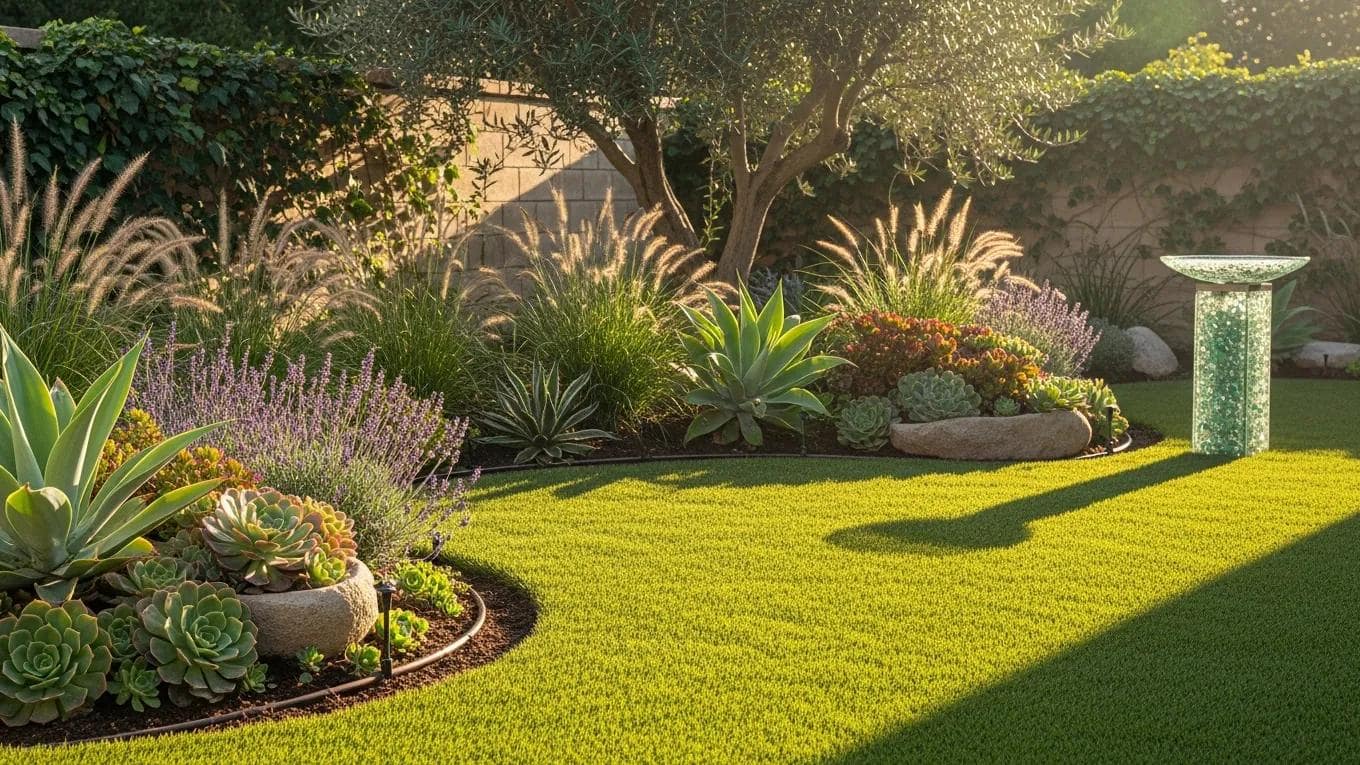
Artificial turf plays a significant role in supporting eco-friendly and water-conserving designs. Key benefits include:
However, it’s important to note that while artificial turf aids in water conservation, specific local policies regarding its installation and associated rebates can vary significantly across Colorado.
Artificial Turf & Colorado Water Policies
water conservation strategies across the Western states, with a particular focus on the Colorado River Basin. For example, the City of Westminster, Colorado, states that it “does not provide rebates for removing grass and adding in hardscapes or artificial turf.”
Turf in the West: A Survey and Theory of Laws and Governance Structures, 2024
- Water Conservation: Reduces the need for irrigation, conserving valuable water resources.
- Low Maintenance: Minimizes the use of chemicals and fertilizers, promoting a healthier environment.
- Eco-Friendly Features: Many artificial turf products are made from recycled materials, further enhancing their sustainability.
By choosing artificial turf, homeowners can contribute to a more sustainable future while enjoying beautiful outdoor spaces.


